


Vintage Elm Furniture
Vintage elm furniture brings honest vernacular character into a room through seating, tables and storage shaped by generations of practical use.
Vintage Elm Furniture
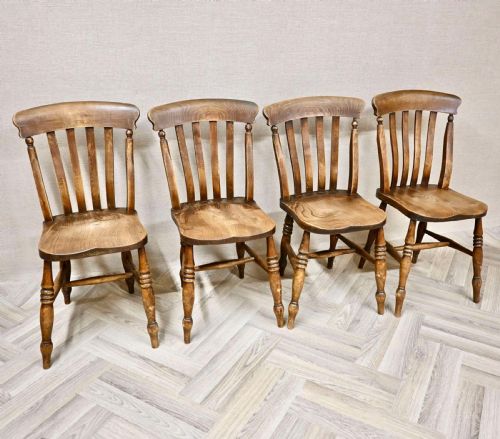
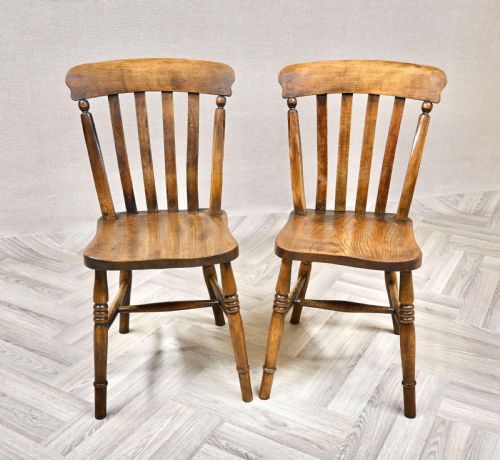
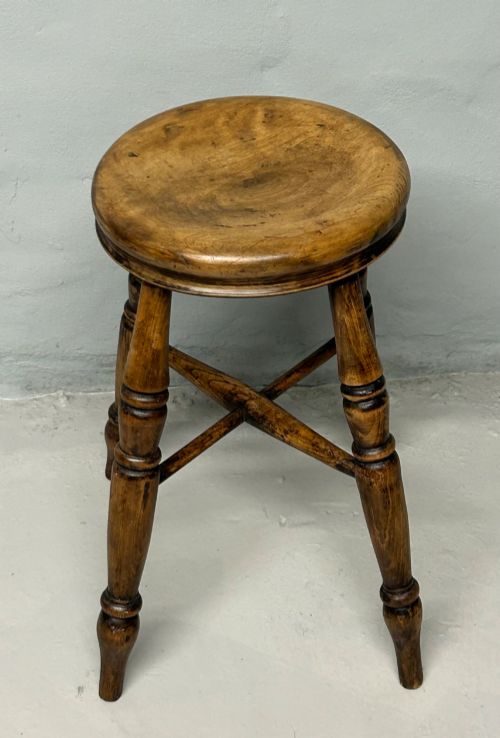
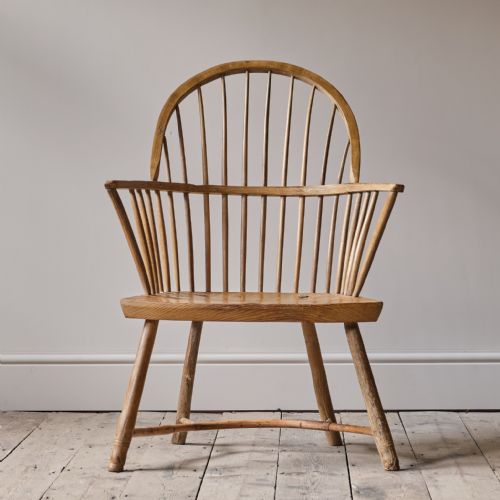
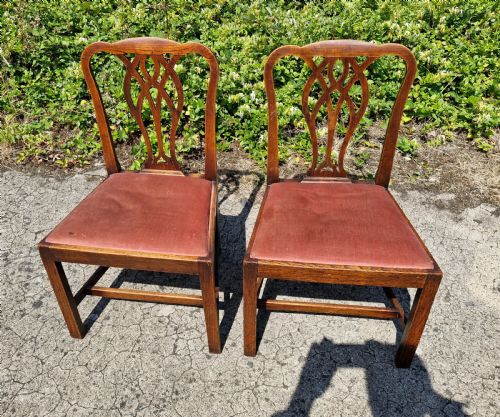
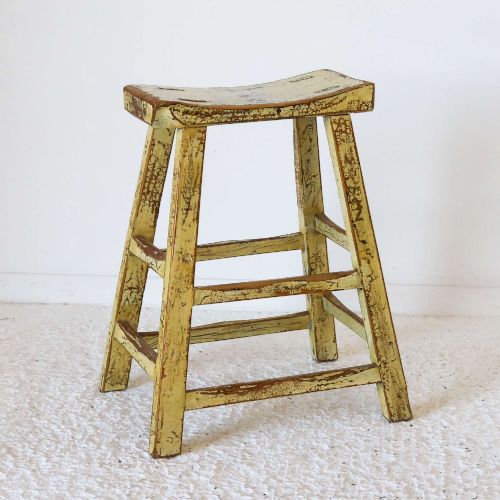
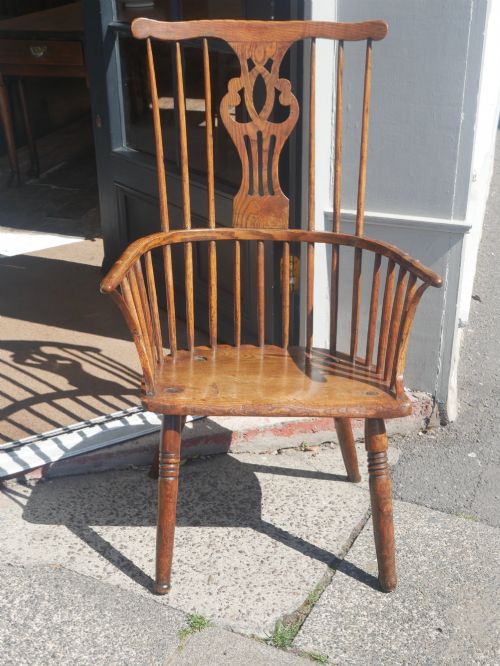
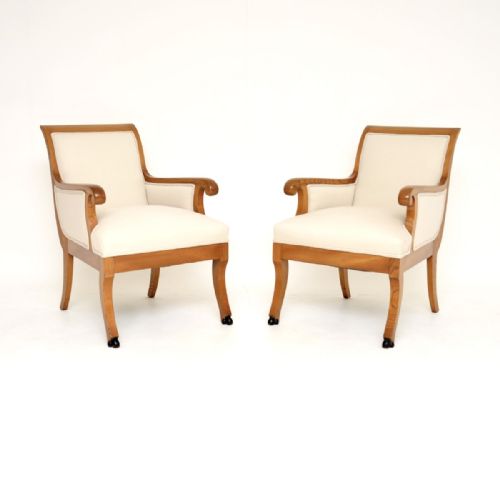
When people search for vintage elm furniture, they find pieces spanning the eighteenth century through to the mid twentieth century, rooted in both English country traditions and international vernacular workshops. The selection here is dominated by seating, including Windsor chairs, stools, benches and armchairs alongside chests of drawers, coffee tables and side cabinets.
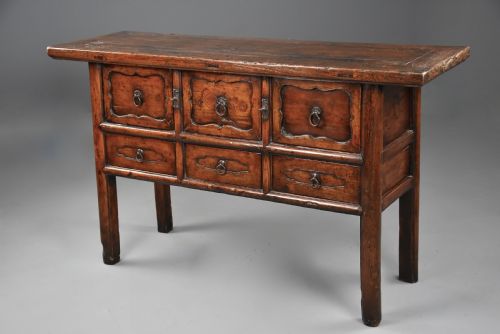
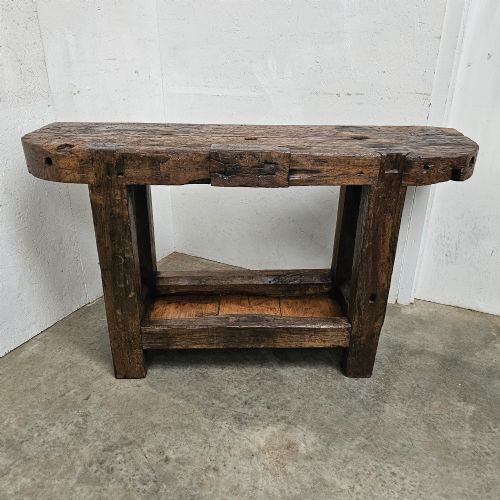
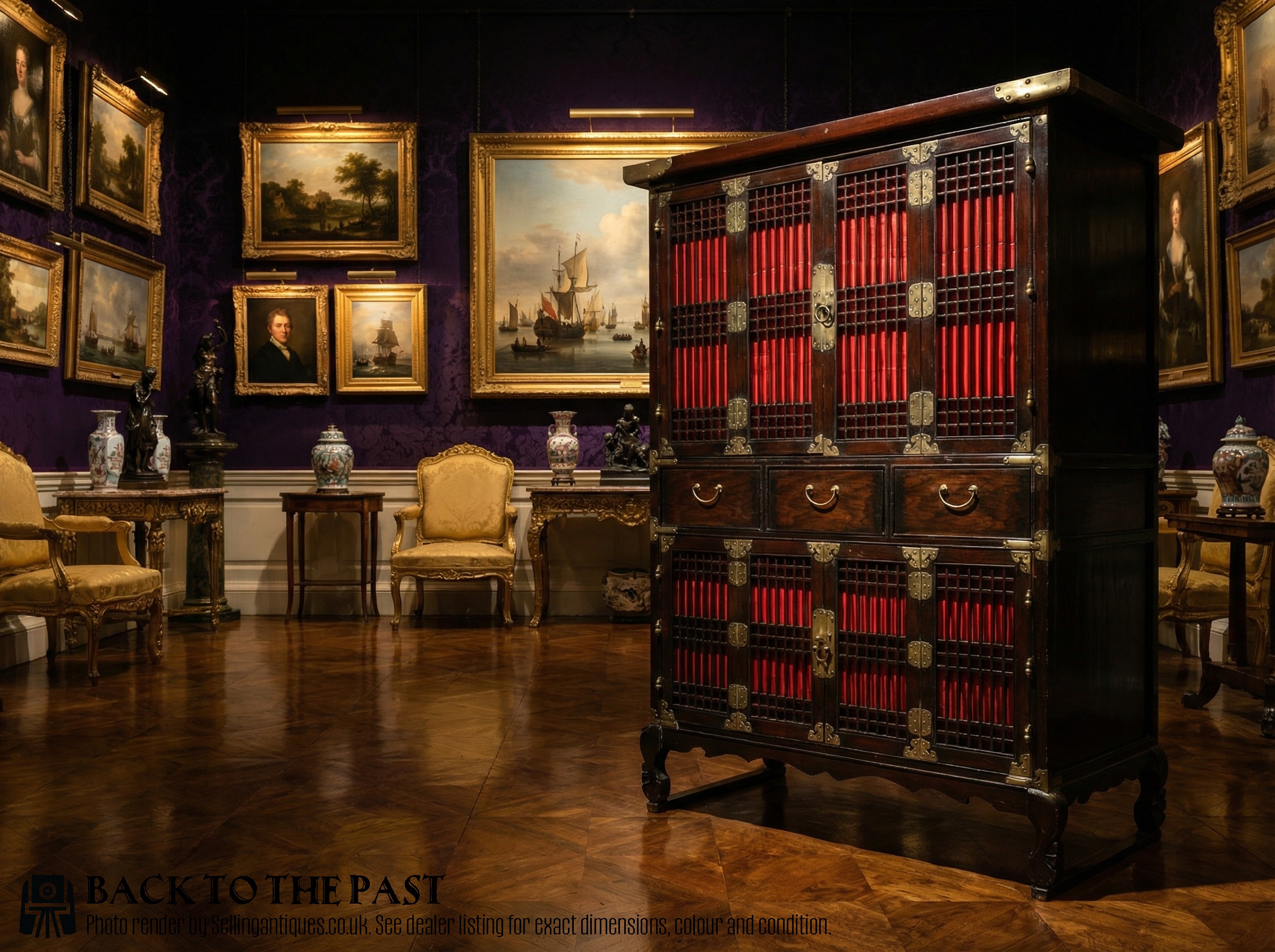
Makers utilised elm for its toughness and interlocking grain, often combining it with beech, ash or oak in utilitarian forms such as kitchen chairs, dairy stools and workbenches. Alongside English country vernacular items, the listings contain Scandinavian console tables, French provincial chopping blocks and Asian cabinets.
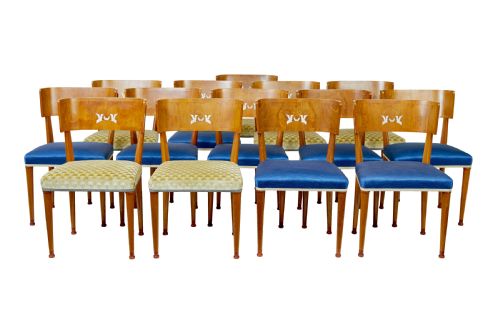
Buyers meet regional variations ranging from Thames Valley stick back chairs to Chinese tansu chests and Swedish art deco klismos chairs. The common thread is the timber itself, prized for its distinctive figuring and resilience in everyday service.
Materials and construction
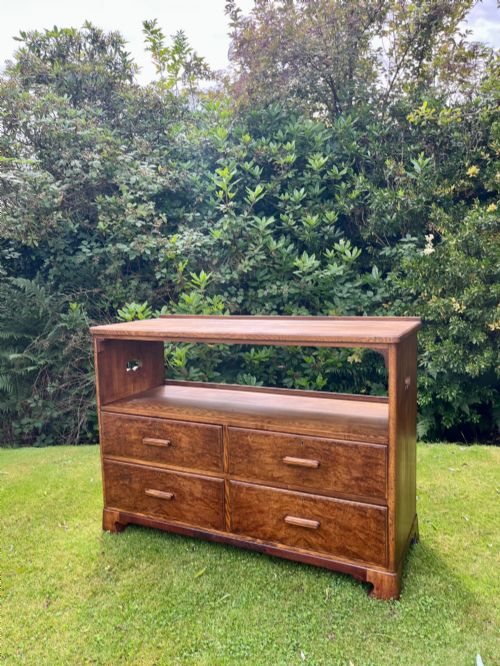
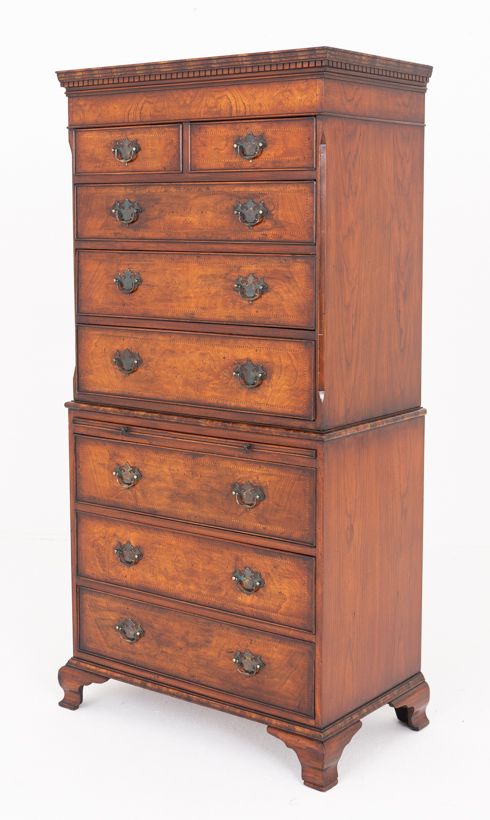
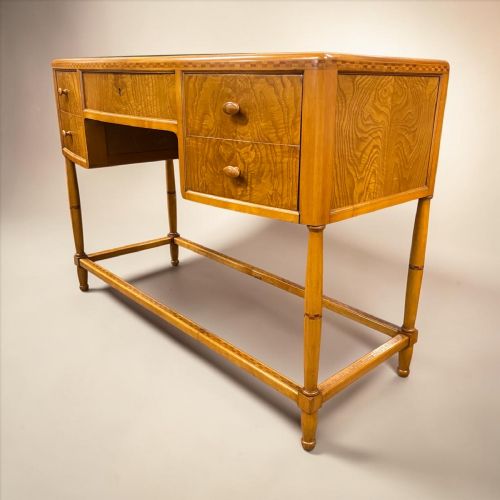
Elm timber forms the primary surface of these pieces, selected for seats and table tops because the irregular grain resists splitting under heavy pressure. Cabinet makers utilised burr elm and elm veneers on drawer fronts and cabinets to create rich, swirling patterns.
Constructors paired elm with complementary timbers like beech, ash and oak, using beech for turned spindle legs and ash for resilient bow backs on Windsor chairs. Brass handles, hinges and escutcheons appeared on chests of drawers and cabinets, while some utilitarian items retained original painted surfaces.
Listings span periods from the eighteenth century to the mid twentieth century, featuring elm alongside beech, ash, oak and brass.
Judging quality in elm pieces
Quality rests in the harmony of the mixed timbers and the integrity of the original construction rather than uniform perfection. Pieces retaining an honest patina and undisturbed surface show better character than those stripped down or heavily refinished.
Joinery techniques separate standard workshop output from finer craftsmanship, seen in the clean wedge-tenon joints of Windsor seats and the careful selection of figured burr elm on cabinet doors. Structural survival through decades of heavy use indicates superior initial timber selection.
Whytock and Reid·Heals Of London
The Vintage Elm Furniture Glossary
- Elm
- A durable domestic hardwood known for its interlocking grain that makes splitting difficult. This quality suited it for chair seats and heavy workbenches.
- Windsor chair
- A chair built with a solid wooden seat into which the legs and back spindles are directly inserted. Regional variations include hoop backs and comb backs.
- Burr elm
- A growth distortion on the tree that produces highly figured, swirling wood grain patterns. Cabinet makers used veneers of this wood for decorative drawer fronts.
- Vernacular
- Everyday utilitarian objects made by local craftsmen for practical use rather than following high style court fashions. English country furniture falls into this category.
- Patina
- The surface sheen and softening of colour developed by wood through decades of handling, light exposure and polishing. A good patina shows age truthfully.
Vintage Elm Furniture: Frequently Asked Questions
How do I clean vintage elm?
Dust surfaces regularly with a dry lint-free cloth to prevent grit accumulation in the grain. Apply a traditional beeswax sparingly to nourish the timber and maintain its natural sheen.
Avoid modern silicone polishes and keep items away from direct heat sources and strong sunlight. Sudden temperature shifts can cause timber to dry out and split.
Are these chairs comfortable for daily use?
Windsor and country chairs were shaped by makers to fit the human body through sculpted wooden seats and supportive bowed backs. Many people add loose cushions for extended sitting.
Solid construction allows these chairs to handle daily dining and working use reliably. Their sturdy joints and robust timbers are built for active environments.
How do I date an elm Windsor chair?
Examine the turning of the legs and spindles, the method used to join the seat to the back, and the wear patterns around the footrests. Earlier pieces often show more tapered spindles and distinct adze marks on the underside of the seat.
Comparing timber combinations, such as ash bows with elm seats, helps narrow down the regional workshop origin and period. Subtle changes in vernacular design evolved slowly across rural communities.
Can I mix different wood tones together?
Elm naturally pairs well with oak, beech, ash and fruitwoods due to its warm, earthy tones and varied grain patterns. Mixing regional country pieces creates an organic room setting rather than a uniform suite.
Focus on matching the scale and utilitarian character of the pieces rather than trying to match the exact timber colour. Natural ageing gives each item a distinct personality that bridges different styles.