
Elm Wood Furniture
Elm wood furniture brings tactile warmth and rugged character into a room through dense, interlocking grains and honest country forms.
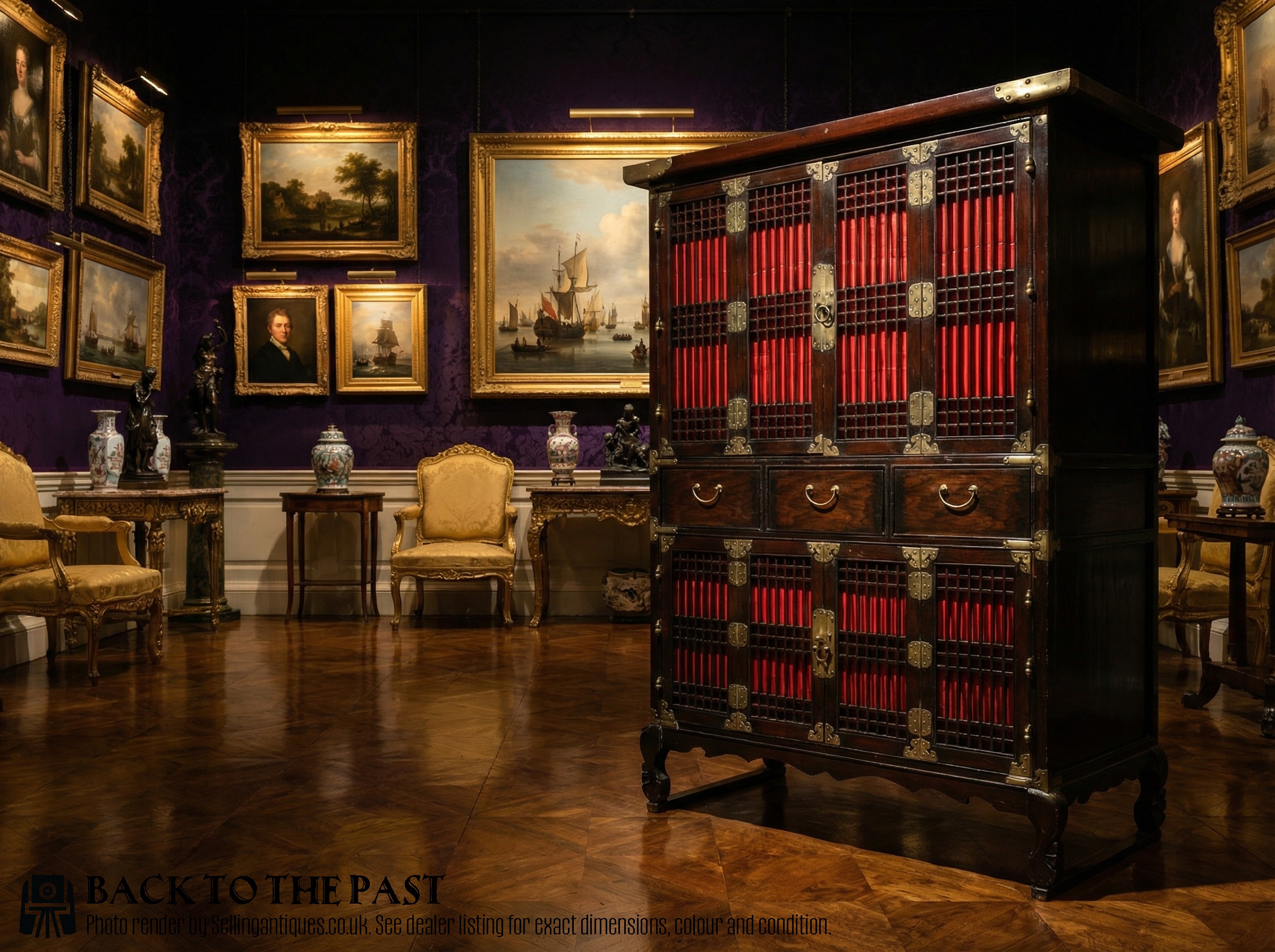
Elm Wood Furniture
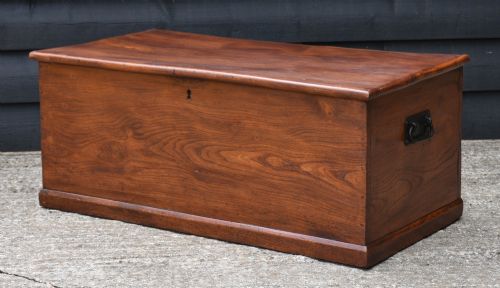
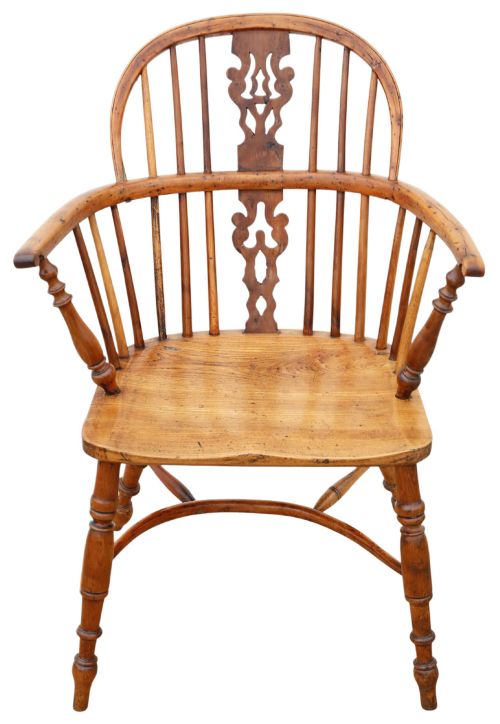
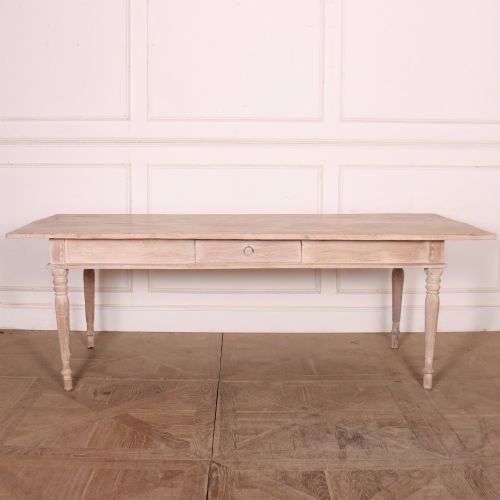
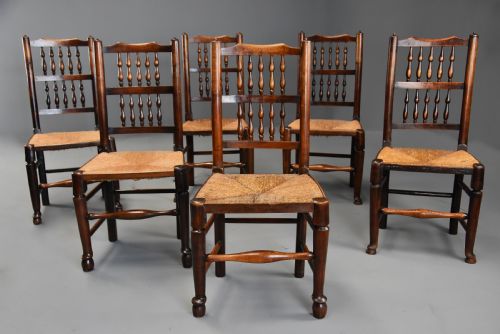
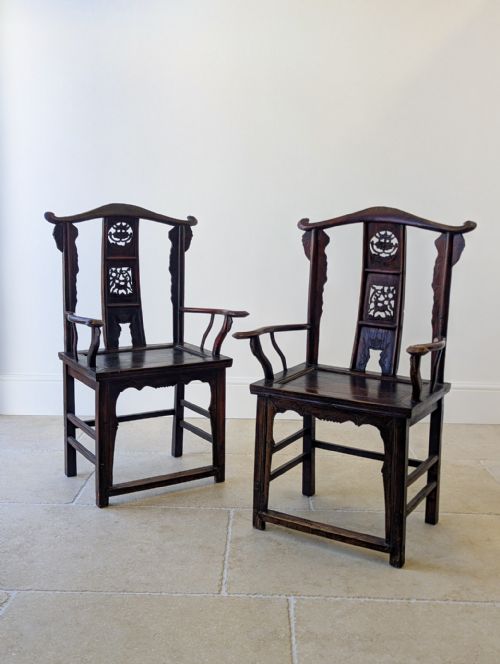
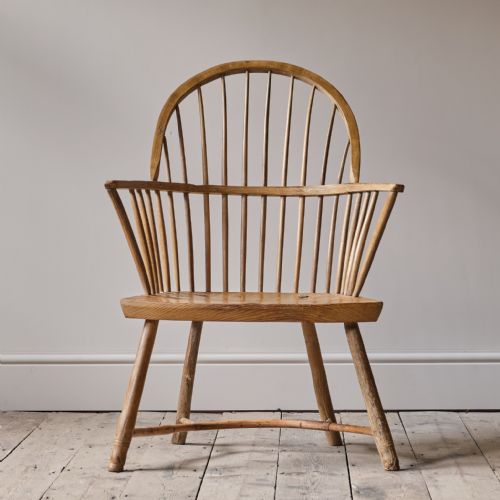
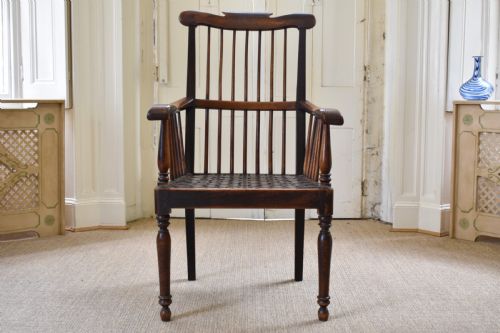
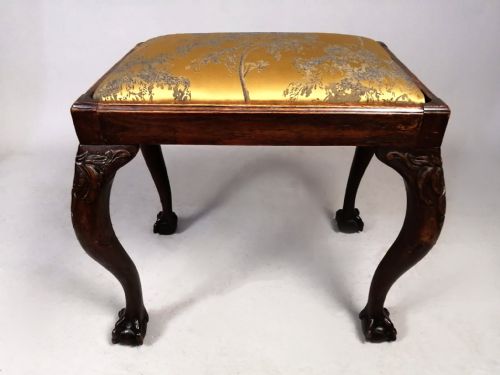
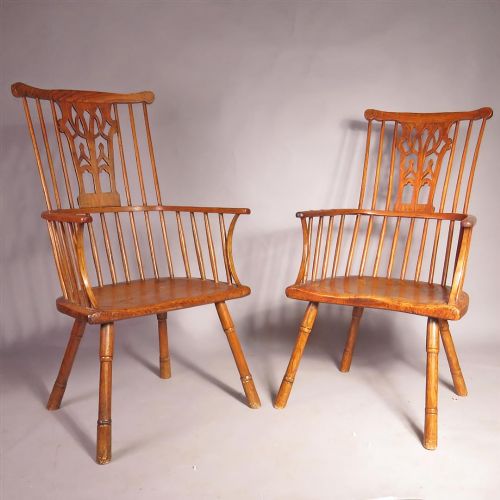
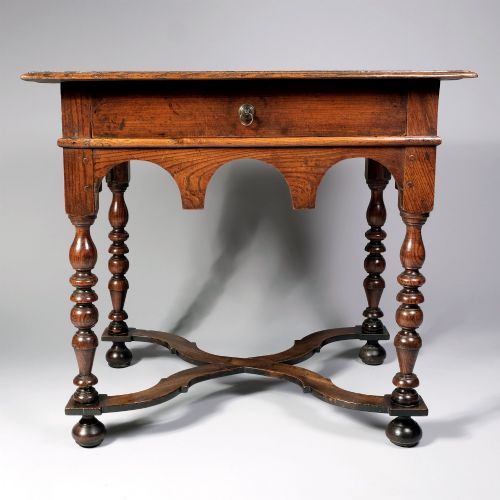
The most common examples on this page are vernacular seating pieces, such as hoop-back and comb-back armchairs, alongside sturdy farmhouse tables and blanket boxes. These items reflect traditional domestic and rural requirements rather than formal court aesthetics.
Origins stretch from English rural workshops to French provincial studios and Asian cabinetry traditions, incorporating regional timbers like ash, beech, and yew alongside primary elm planks.
Materials and Construction
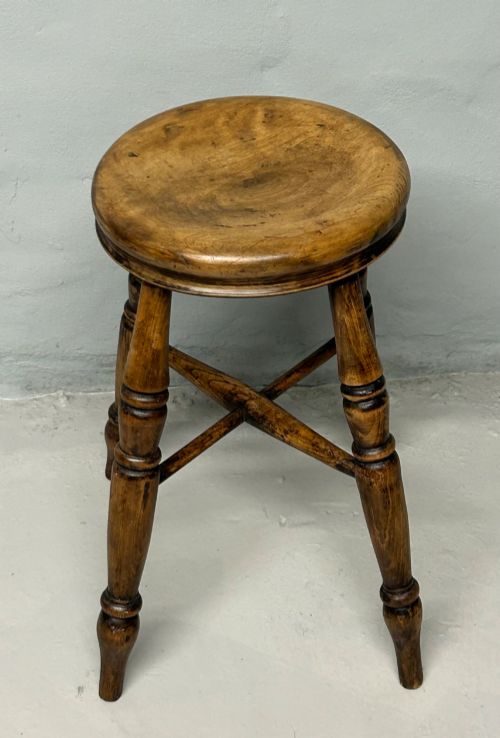
Elm timber is notoriously difficult to split due to its interlocking grain, making it exceptionally tough and durable for high-stress applications like chair seats and workbenches. Makers often paired solid elm tops and seats with turned ash, beech, or fruitwood legs and spindles.
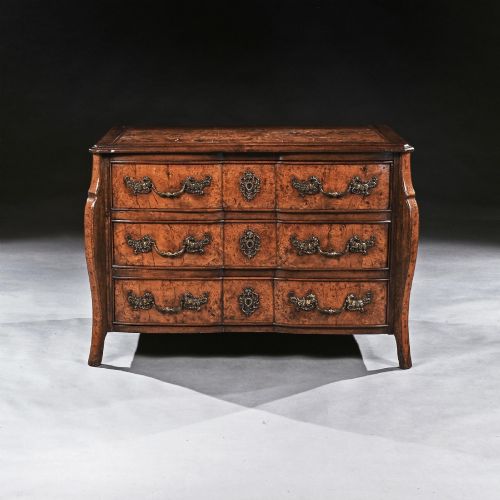
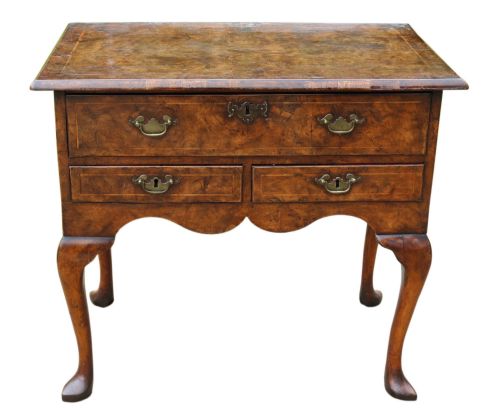
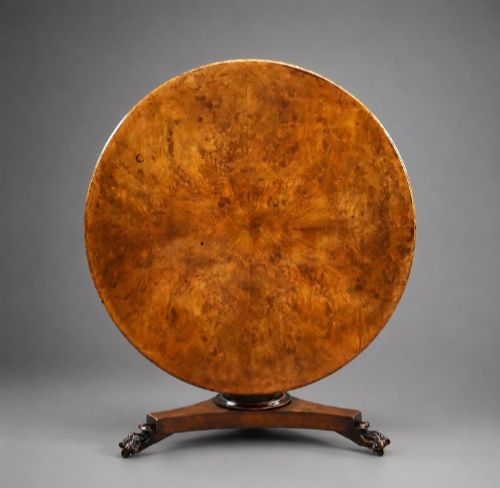
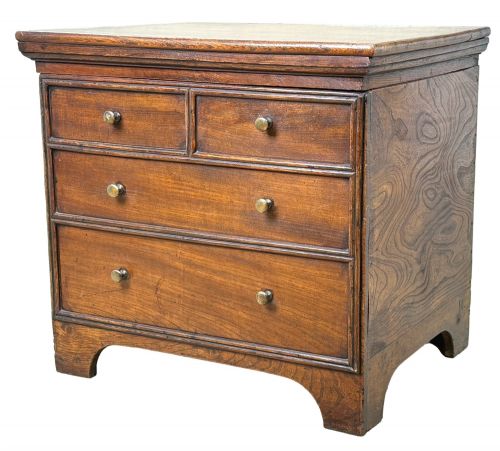
Secondary materials such as brass handles, iron braces, and rush seating appear frequently across chests of drawers and country chairs. Burr elm and figured elm veneers were selected for formal cabinet fronts to display rich, swirling natural patterns.
The listings combine 18th Century, 19th Century, and Georgian periods with materials including brass, iron, and yew.
Assessing Quality
Quality in these pieces rests on timber selection, structural integrity, and surface preservation. Desirable examples feature striking grain figures, such as burr or figured patterns, combined with honest patination built through decades of use.
Superior items maintain original timber components without excessive structural replacement. Refined joinery in formal Georgian pieces contrasts with the robust, pegged construction of primitive provincial workbenches and country seating.
The Elm Wood Furniture Glossary
- Burr elm
- A growth deformity on the elm tree that produces highly figured, swirling wood grain prized for decorative veneer.
- Windsor chair
- A traditional seating form featuring a solid wooden seat into which legs and back spindles are directly inserted.
- Comb-back
- A Windsor chair variation where the vertical spindles extend through a low headboard resembling the teeth of a comb.
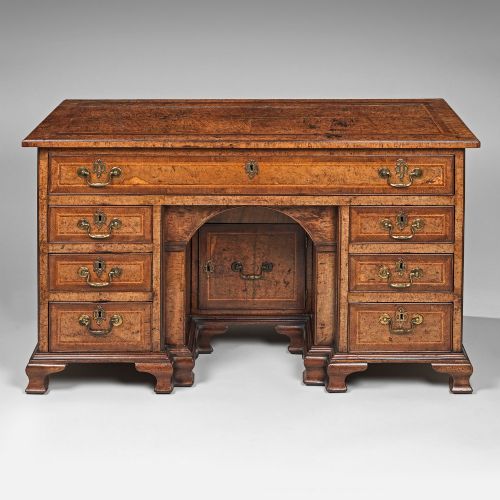
- Kneehole desk
- A compact writing table featuring pedestals of drawers on either side of a central recess for the sitter's legs.
- Cricket table
- A small, lightweight three-legged table with pegged joints designed for uneven cottage floors.
Elm Wood Furniture: Frequently Asked Questions
How do I care for antique elm furniture?
Keep wooden pieces away from direct heat sources and sudden humidity shifts to prevent the dense grain from splitting.
Apply a traditional beeswax polish occasionally to nourish the timber and maintain a soft, protective surface sheen.
Why is elm used so often for chair seats?
Elm possesses a twisted, interlocking cellular structure that resists splitting when nails or legs are driven directly into the wood.
This extreme toughness allowed makers to carve thick Windsor chair seats from a single solid plank without structural failure.
How can I tell a Georgian elm chair from a Victorian copy?
Examine the undercarriage and tool marks for signs of hand-shaping, pit-sawing, and authentic wear patterns built over centuries.
Georgian examples typically display simpler, more organic construction methods and older patination compared to later reproductions.
What is the difference between country elm and formal elm furniture?
Country pieces focus on utilitarian strength using local woods like ash, beech, and fruitwood alongside solid elm.
Formal pieces utilise sophisticated cabinet-making techniques, incorporating burr elm veneers and brass hardware for refined domestic settings.