


Vintage Elephant Table
A vintage elephant table brings a distinct colonial or oriental carved form into a room, offering both a sturdy surface and rich surface detail.
Vintage Elephant Table
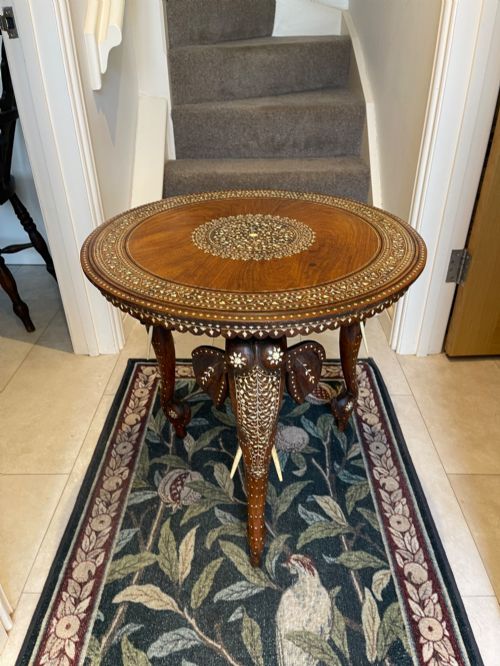
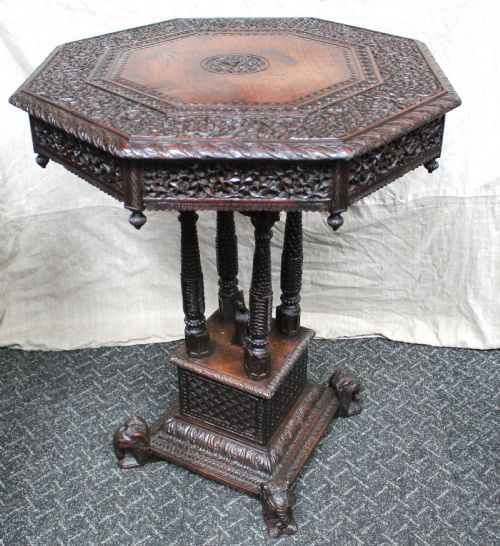
A vintage elephant table is typically a low occasional, side, or coffee table featuring carved wooden elephant motifs, heads, or legs. You will most frequently encounter Anglo-Indian and Burmese examples dating from the late nineteenth century to the early decades of the twentieth century.
The form spans compact tripod tables, solid rosewood or teak side tables, and larger centre tables supported by figural elements. Makers utilised regional styles including Hoshiarpur inlay and intricate carving traditions from India and Burma.
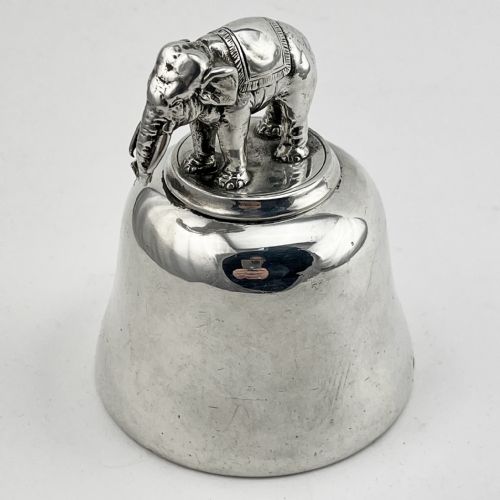
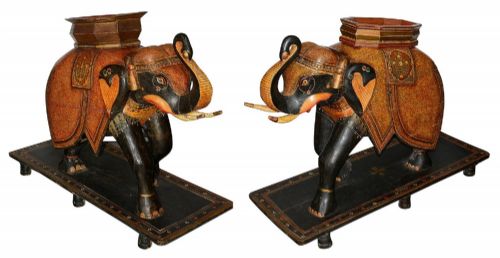
While the phrase usually denotes a small occasional table, the search results also encompass related carved seating, sculptures, and occasional stands incorporating the same distinct zoomorphic design.
How they were made
Artisans carved these pieces from dense tropical timbers including teak, rosewood, and hardwood, often selecting woods capable of holding sharp, deep relief details. The structure typically combines solid timber tops with complex undercarriages formed of interconnected animal figures.
Decoration frequently incorporates contrasting materials, such as bone inlay, brass, or lacquer work applied to the wooden surfaces. Hoshiarpur examples demonstrate specialised geometric inlay techniques set directly into the teak framework.
Listings for this phrase feature pieces in teak, rosewood, and hardwood, spanning the Victorian period through the nineteen-twenties.
What varies in quality
Quality rests primarily in the depth, crispness, and anatomical accuracy of the carving on the elephant heads, tusks, and legs. Superior pieces display fluid, confident lines and expressive detailing rather than flat, mechanical tool marks.
The choice of material and the complexity of subsidiary decoration, such as intricate bone inlay or well-fitted tripod joints, separate standard utility pieces from exceptional workshop output.
The Vintage Elephant Table Glossary
- Anglo-Indian
- A descriptive term for furniture made in India during the British colonial period, combining traditional local craftsmanship with European forms. These pieces often utilise native hardwoods and dense carving.
- Hoshiarpur
- A town in Punjab known for intricate woodwork, particularly tables and stands featuring micro-mosaic bone or wire inlay set into teak. This technique creates complex geometric patterns across the entire surface.
- Tripod table
- A small freestanding table supported by three legs or a three-part pillar base. In this category, the three supports frequently take the form of elephant legs or trunks.
- Rosewood
- A heavy, durable timber with a dark grain and natural lustre, chosen for high-end occasional furniture. It takes a fine polish and supports deep, crisp carving.
- Bone inlay
- A decorative technique where small pieces of carved bone are recessed into a wooden ground to form geometric or floral patterns. It provides a striking pale contrast against dark teak.
Vintage Elephant Table: Frequently Asked Questions
Where should I place an elephant table?
These pieces function well as side tables beside low seating or as occasional accent tables in a study or hallway. Their compact footprint allows them to fit easily into smaller spaces.
Keep them away from direct heat sources and strong sunlight to protect the aged timber and any delicate bone inlay from drying out.
How do I date an antique elephant table?
Dating relies on examining the timber species, tool marks, and the specific stylistic traditions of the region of origin. Pieces from the late nineteenth century often show hand-carving and traditional joinery methods.
Compare the construction details and inlay patterns with documented examples from Anglo-Indian or Burmese workshops active between eighteen-eighty and nineteen-thirty.
How do I clean carved wooden tables?
Dust the intricate carvings regularly with a soft brush to prevent dirt accumulation in the recesses. Avoid heavy commercial polishes that can build up in the carved details.
Apply a minimal amount of quality beeswax occasionally to nourish the hardwood and maintain a natural finish without darkening the grain excessively.
What is the difference between Indian and Burmese examples?
Indian tables, particularly those from regions like Hoshiarpur, frequently feature extensive bone inlay and geometric surface patterns. Burmese pieces often emphasise deep figural wood carving without the inlaid geometric panels.
Both styles utilise dense tropical hardwoods, but the sculptural execution of the animal forms reflects distinct regional carving traditions.