





Vintage Elephant Statues
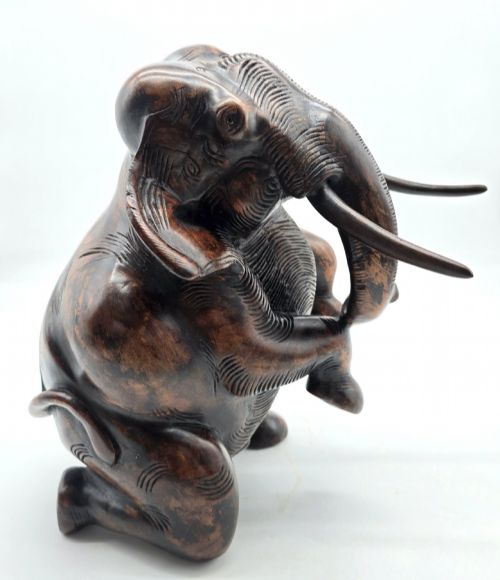
These vintage elephant statues are sculptural representations rendered in materials from bronze to carved ebony, prized by collectors for their varied regional craftsmanship.
Vintage Elephant Statues
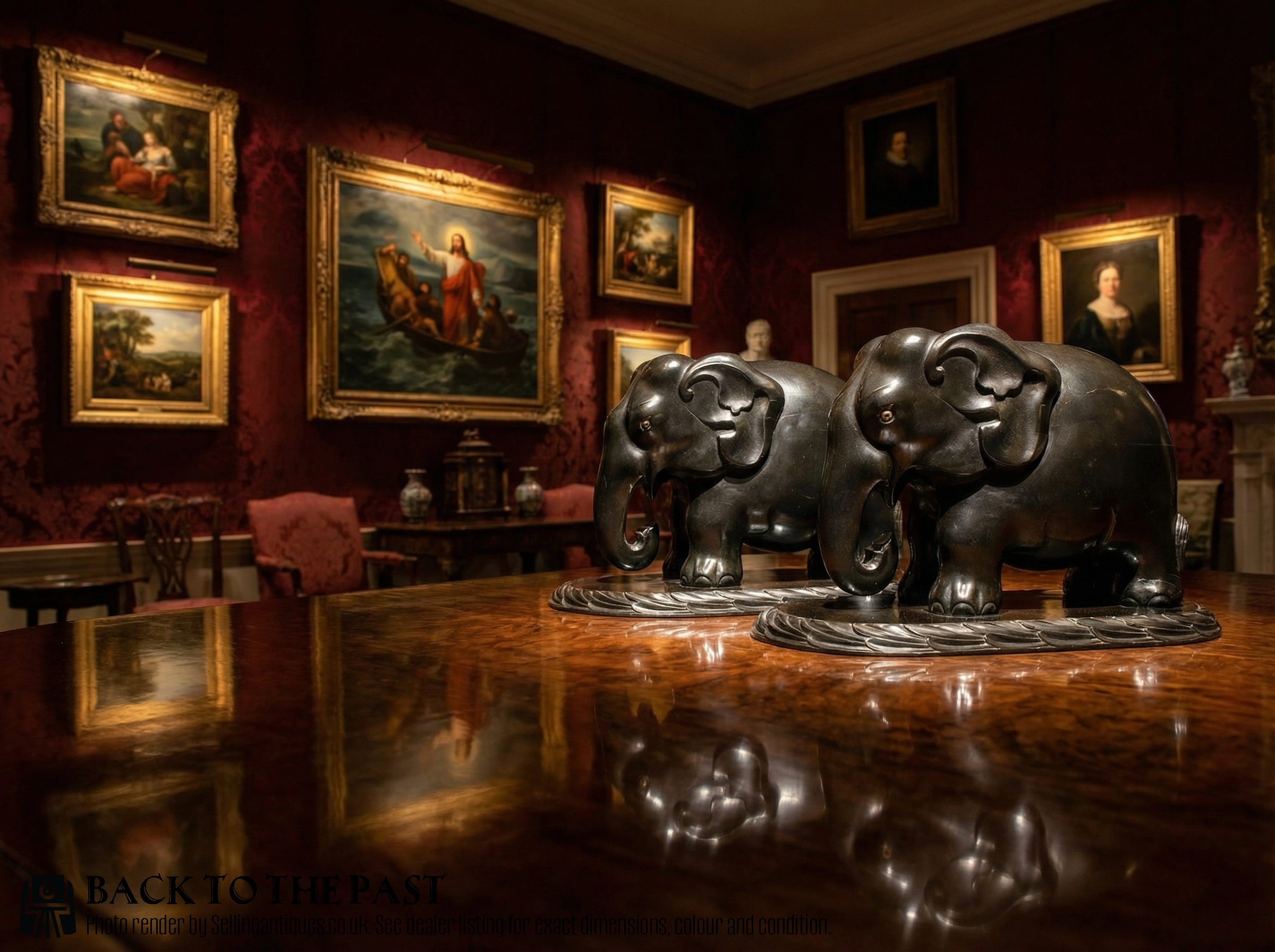
Vintage elephant statues span decorative sculptures, bookends, and inkwells created across multiple continents and traditions. When searching for vintage elephant statues, buyers encounter forms ranging from ceremonial figures to functional bookends.
The pieces on this page originate from diverse cultural contexts including Indian Raj, Chinese Qing, Japanese Meiji, and European workshops. Wooden and bronze examples dominate the selection, reflecting international trade and aesthetic exchange.
How they were made
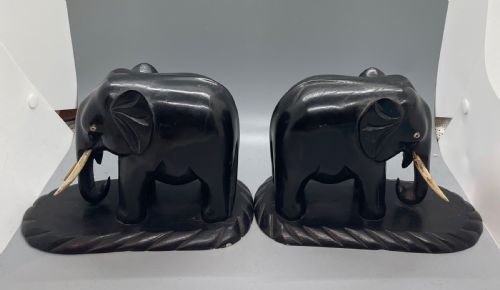
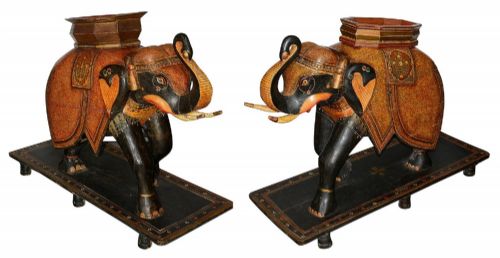
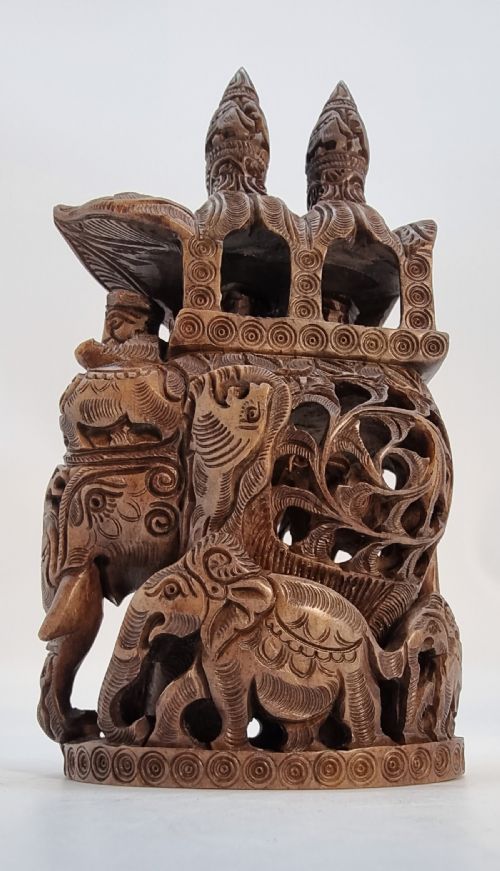
Carved wooden examples utilise dense timbers such as ebony, teak, and hardwood, often shaped by hand into detailed studies. Lacquer and gesso surface treatments frequently appear on specific regional pieces.
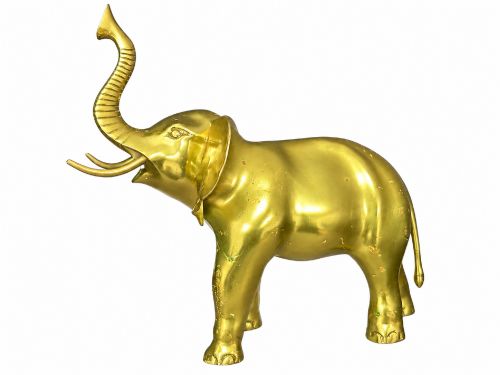
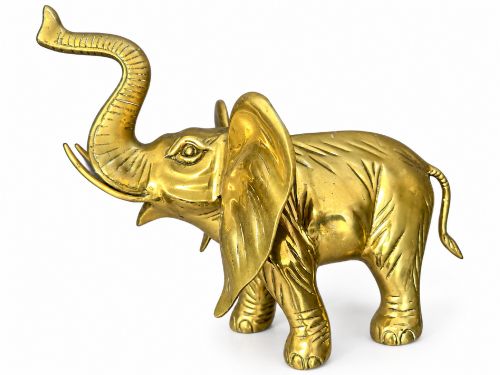
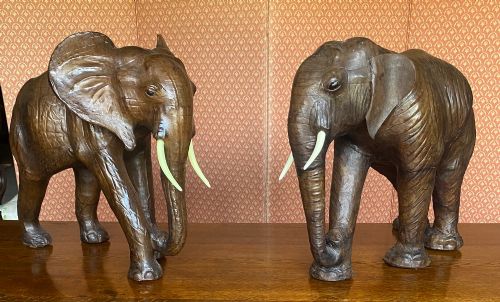
Metal versions employ bronze casting techniques, incorporating fine engraving or patination to define the skin texture and harness details. Leather models utilise structured forms built over supportive cores.
Vintage Elephant Statues Retail Price Guide 2026
Typical asking prices for vintage elephant statues among the pieces listed under this phrase on Sellingantiques today, from the lower quarter to the upper quarter. They describe what is for sale here now, not the wider market.
Design styles represented include Anglo-Indian, Arts and Crafts, Art Deco, Meiji, and Qing Dynasty.
What varies in quality
The precision of anatomical carving and the crispness of surface engraving distinguish superior animal studies from simpler production pieces. Proportions and realistic stance indicate the skill of the original maker.
Material selection dictates foundational quality, with heavy dense hardwoods and substantial bronze castings representing the upper tier of execution. Original surface patinas and intact ceremonial trappings add visual depth.
Carl Thieme Dresden·Ernest Louis Adnin
The Vintage Elephant Statues Glossary
- Raj period
- An era denoting items produced during British rule in India, frequently characterised by carved teak and ebony figures. These pieces often depict ceremonial processions or working animals.
- Meiji Period
- A Japanese era lasting from 1868 to 1912 noted for advanced metalwork and bronze casting. Works from this time demonstrate exceptional metallurgical control.
- Arts and Crafts
- A design movement valuing manual skill and traditional materials over mass production. Leather models from this tradition show distinct stitched construction.
- Gesso
- A plaster mix applied to a surface as a base for painting or gilding. This material provides a smooth ground for decorative lacquer work.
Vintage Elephant Statues: Frequently Asked Questions
How do I identify a Raj period elephant?
Raj period pieces typically feature dense hardwoods like ebony or teak, often depicting ceremonial attire or working caparisons.
Examine the carving style and regional motifs to confirm Indian origins from the late nineteenth or early twentieth century.
Where should I place bronze elephant bookends?
Bronze bookends require sturdy shelving due to their considerable weight, which easily supports heavy rows of volumes. Place them in stable, dry environments to preserve the metal patina.
Keep them away from direct heat sources to protect any underlying wooden or leather elements.
What is the difference between ebony and teak figures?
Ebony creates very dark, heavy carvings with a tight grain that takes a high polish. Teak offers a warmer brown tone with visible natural grain patterns.
Both timbers were favoured in colonial workshops for their durability.
How should I clean a carved wooden elephant?
Dust the surface regularly with a soft, dry lint-free cloth to prevent particle buildup in the carved recesses. Avoid using commercial liquid polishes that can damage historic lacquered or waxed finishes.
Consult a professional conservator if the wood shows signs of drying or cracking.