


Vintage Elephant Side Table
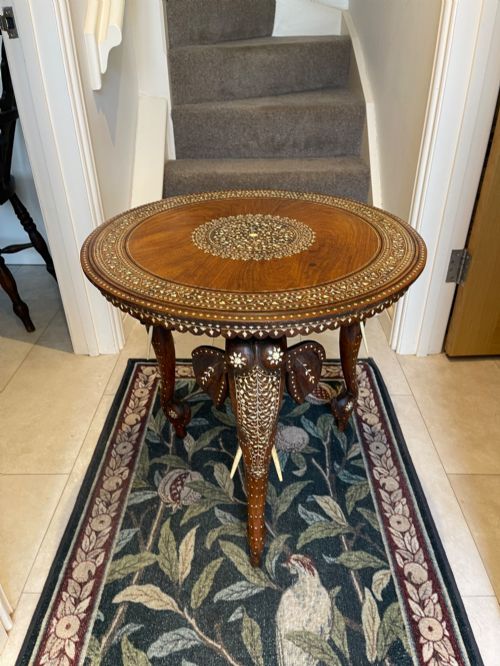
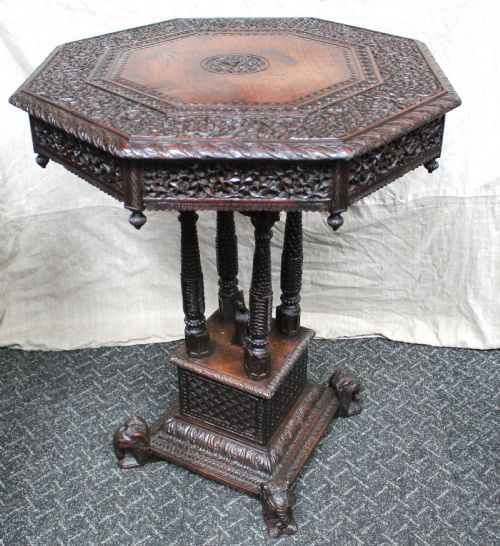
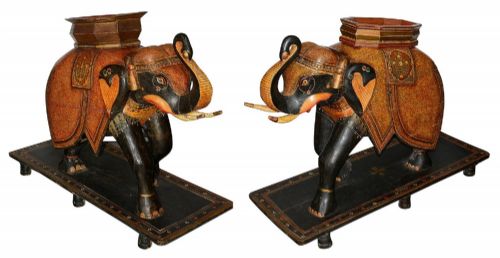
These vintage elephant side table examples combine sculptural animal forms with practical surfaces, bringing colonial and folk craftsmanship into domestic rooms.
Vintage Elephant Side Table
A vintage elephant side table takes the form of occasional furniture, coffee tables, and plant stands supported by carved animal figures or tusks. The pieces appearing in this selection draw primarily from Anglo-Indian, Anglo-Burmese, and Asian Folk Art traditions.
Most examples originate from the late nineteenth and early twentieth centuries, spanning the Victorian and Art Deco periods. Makers utilised regional timbers to shape sturdy platforms suited to domestic use.
Forms range from small tripod tables to larger centre tables and nested coffee table sets. The structural integration of elephant heads and legs defines the visual character of the category.
Materials and construction methods
Carpenters worked with dense tropical timbers including teak, rosewood, and hardwood to support intricate chisel work. These resilient woods allowed artisans to carve deep relief patterns across the aprons and tabletop surfaces.
Current listings span the Victorian era through the Art Deco period, utilising teak, rosewood, bone inlay, and carved hardwood.
Assessing craftsmanship and execution
The selection of materials creates a clear distinction across the range, with solid rosewood or intricate bone inlay representing superior execution compared to plain hardwood. Sound joinery and stable weight distribution determine the functional integrity of each table.
The Vintage Elephant Side Table Glossary
- Anglo-Indian
- Descriptive term for furniture made in India during the British period, combining local craftsmanship with British room forms. These pieces often feature dense foliate carving.
- Hoshiarpur
- A Punjabi city celebrated for intricate wood carving and bone inlay work. Items from this tradition employ geometric patterns across teak surfaces.
- Gesso
- A plaster mixture applied to wood surfaces as a base for painting or gilding. This material accepts fine detail work.
- Tripod table
- A small freestanding table supported by three legs. In this category, the three supports frequently take the form of elephant bodies or tusks.
- Occasional table
- A small, movable table designed for light domestic use rather than heavy dining. These pieces fit easily beside seating.
Vintage Elephant Side Table: Frequently Asked Questions
How are these tables cleaned?
Dust surfaces regularly with a dry, soft cloth to prevent buildup within the carved recesses. Avoid liquid polishes that might damage exposed bone or pigment.
Condition the timber occasionally with appropriate wax to maintain the moisture and sheen of the wood.
Where should I place this table?
Position the piece away from direct sunlight and heat sources to prevent the wood from splitting. Stable indoor environments protect delicate bone inlay and lacquer finishes.
Ensure the table rests on a level floor so the carved animal legs bear weight evenly.
How do I identify the period?
Examine the timber species, carving style, and construction methods to gauge the manufacturing era. Victorian examples often display deep floral relief in teak or rosewood.
Art Deco variations introduce cleaner geometric lines alongside animal motifs, pointing towards the twentieth century.
Can these tables hold heavy items?
Most occasional tables and plant stands suit lamps, books, or decorative objects rather than heavy loads. The structural stability depends on the soundness of the leg joints and the density of the wood.
Larger centre tables offer greater weight capacity due to more substantial frames.