

Vintage Drinks Bar
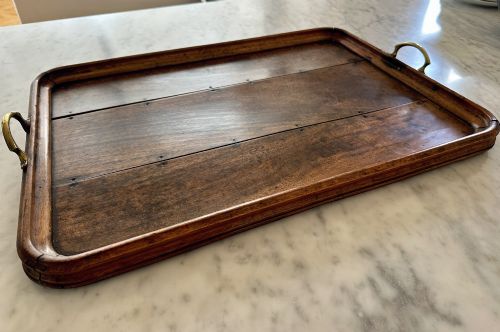
A vintage drinks bar brings period hospitality into a room through walnut cabinets, silver plate, and wheeled serving trolleys.
Vintage Drinks Bar
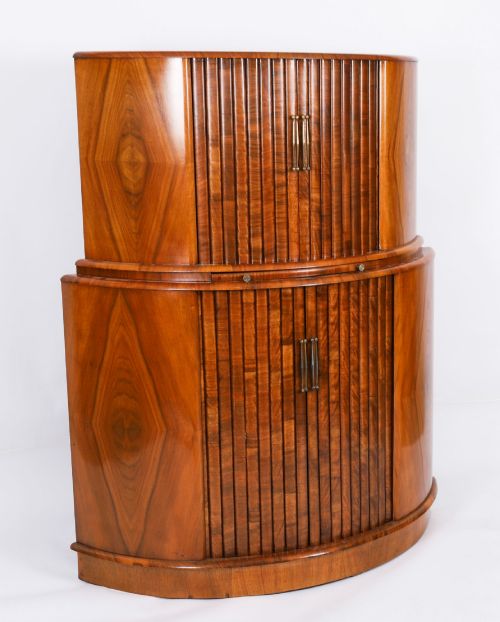
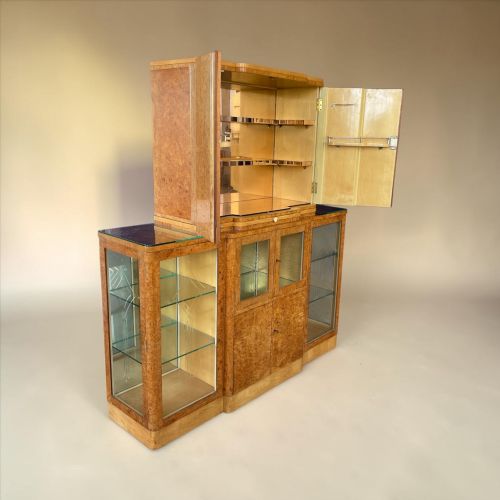
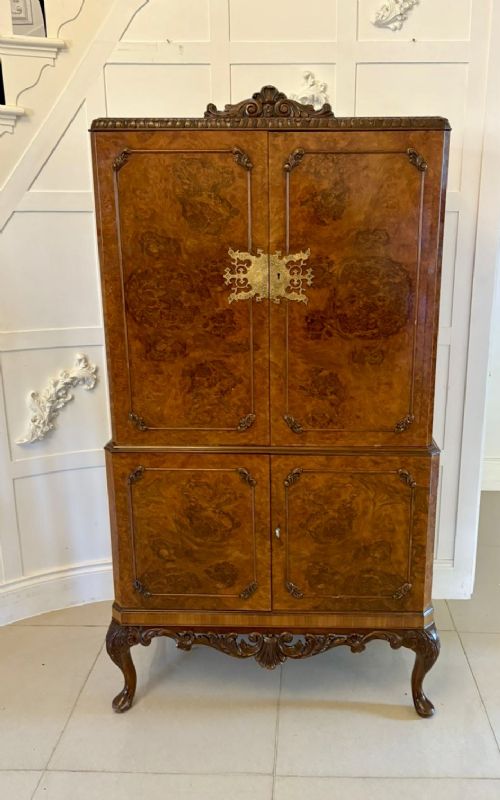
A vintage drinks bar encompasses cocktail cabinets, drinks trolleys, tea trolleys, and serving trays spanning from the Victorian period through the nineteen-sixties. Buyers seeking this phrase primarily encounter dedicated drinks and cocktail cabinets alongside mobile serving carts.
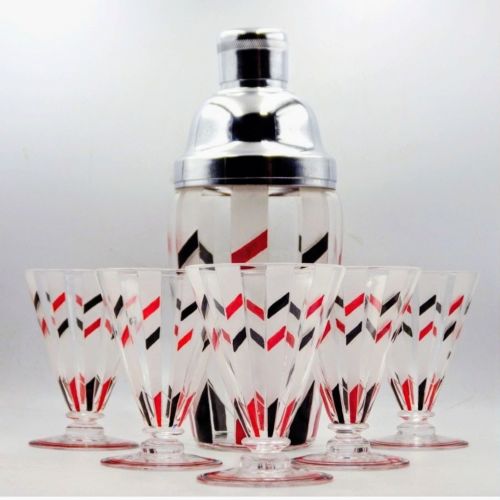
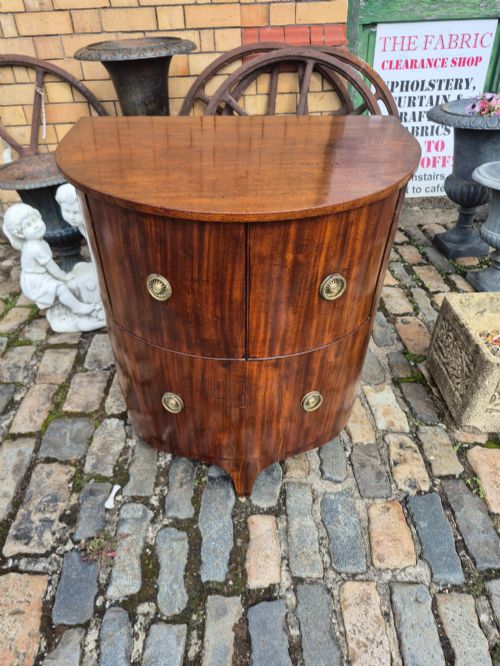
The selection ranges from early twentieth-century oak and mahogany pieces to nineteen-thirties burr walnut designs and mid-century items. Forms vary from serpentine-fronted cabinets to tiered trolleys and novelty barware sets.
How they were made
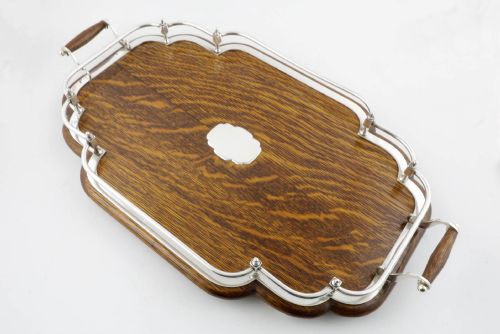
Construction relies heavily on traditional cabinet timbers including walnut, burr walnut, mahogany, and oak, often finished with distinctive veneers. Metalwork components utilise brass, silver plate, gilt metal, and cast-iron elements.
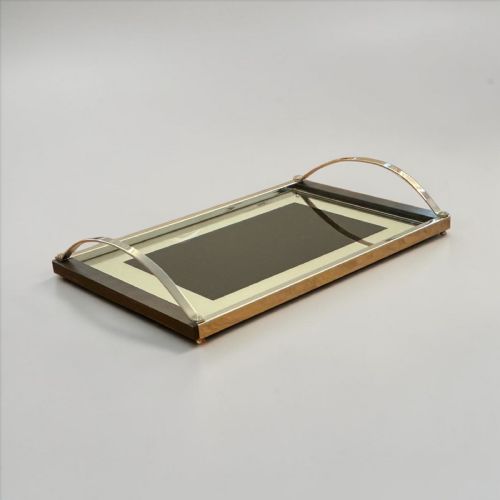
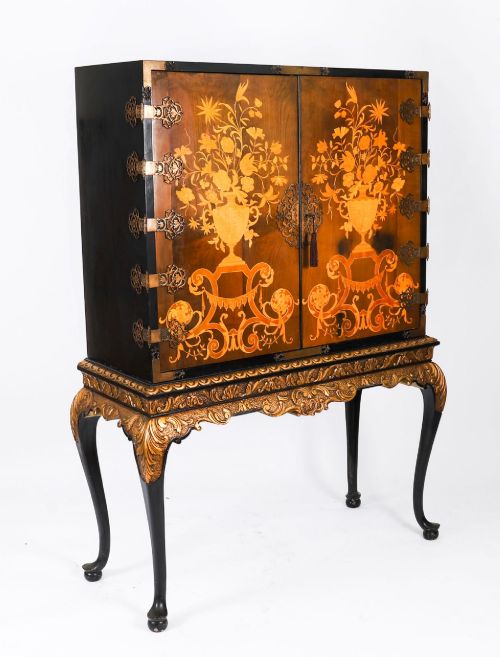
Details incorporate mirrored glass panels, satinwood inlay, parchment inlays, and silver-plated fittings. Many items combine wood framing with glass shelving or mirrored serving surfaces.
Vintage Drinks Bar Retail Price Guide 2026
Typical asking prices for vintage drinks bar among the pieces listed under this phrase on Sellingantiques today, from the lower quarter to the upper quarter. They describe what is for sale here now, not the wider market.
The selection includes pieces from the Victorian era up to the nineteen-sixties, constructed in walnut, mahogany, oak, and brass.
What varies in quality
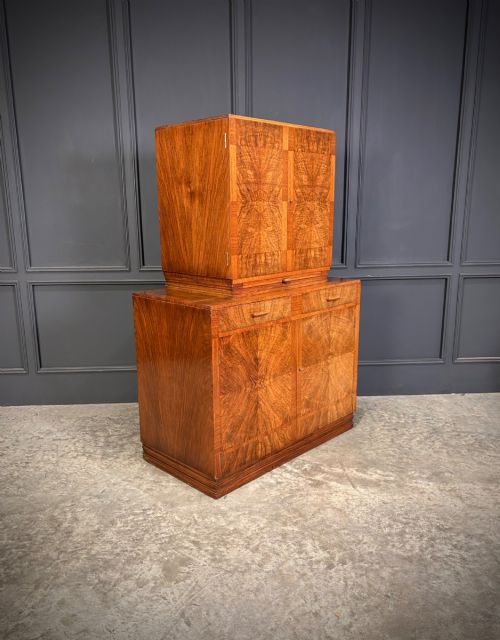
Quality rests upon timber selection and veneer figuration, where striking burr walnut or bird's-eye maple elevates a piece above standard plain woods. Cabinetry distinction also shows in fitted internal compartments, mirrored backings, and secure joinery.
Hardware and metal components differentiate levels of manufacture, distinguishing solid silver-plated fittings and cast metal elements from simpler plated work. The integration of functional mechanics, such as metamorphic trolley actions or secure tantalus frames, marks finer execution.
Epstein·Maurice Jallot·Betjemann·Marcellin Auzolle
The Vintage Drinks Bar Glossary
- Tantalus
- A locking wooden frame holding decanters that displays the contents while preventing unauthorised access. This mechanism typically secures the stoppers beneath a fitted handle.
- Cocktail cabinet
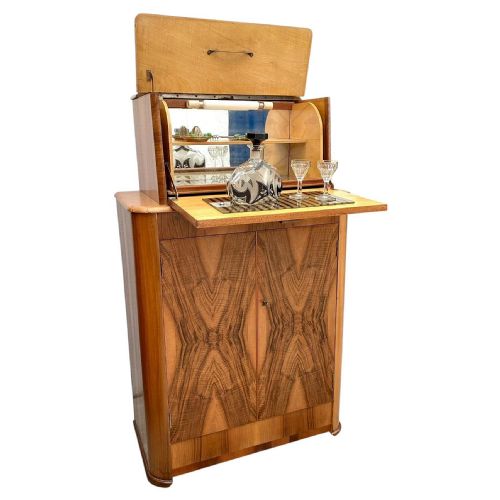
- A specialised piece of furniture designed to store bottles, glassware, and mixing equipment behind doors. These units often feature drop-down mixing flaps and mirrored interiors.
- Tea trolley
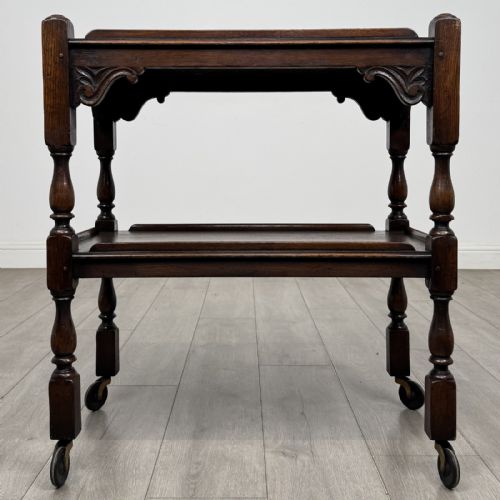
- A mobile serving table featuring two or three tiers for transporting refreshments. These practical items run on castors and date from Edwardian and later periods.
- Silver plate
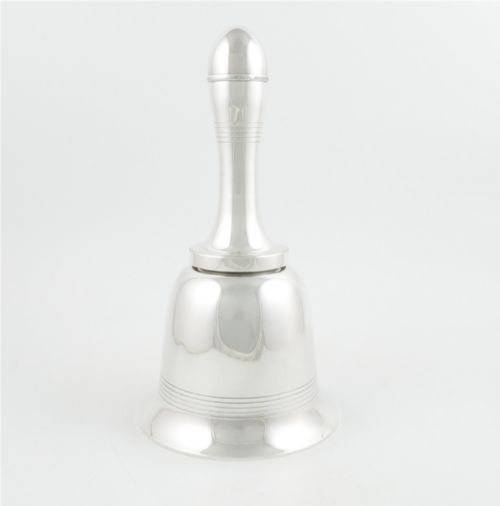
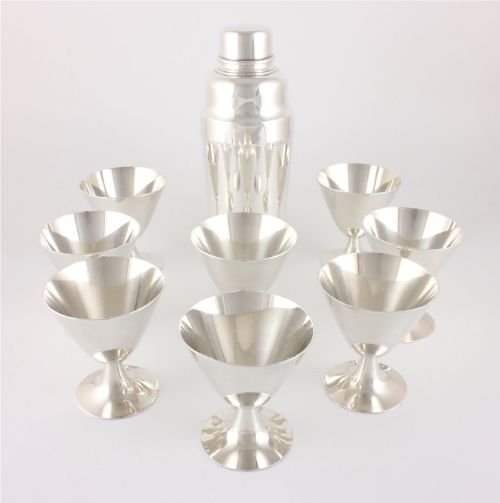
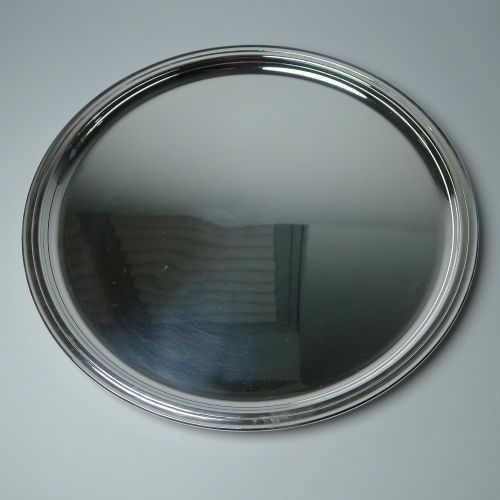
- A layer of silver fused to a base metal such as copper or nickel brass. This technique provides the appearance of solid silver for trays, shakers, and barware accessories.
- Secessionist
- A stylistic movement associated with early twentieth-century design away from historic revivalism. Pieces from this tradition favour clean geometric lines and simplified forms.
Vintage Drinks Bar: Frequently Asked Questions
What fits inside a cocktail cabinet?
These cabinets accommodate upright liquor bottles, glassware sets, and bar accessories on internal shelves or door racks. Drop-down flaps provide a surface for pouring drinks.
Fittings often include mirrored backs and specialised holders for cocktail sticks and shakers.
How do I identify Art Deco pieces?
Art Deco items show geometric shapes, symmetrical layouts, and characteristic veneers like burr walnut or bird's-eye maple. Chrome, silver plating, and mirrored glass frequently appear.
These designs date predominantly from the nineteen-twenties and nineteen-thirties.
Were trolleys used for tea or drinks?
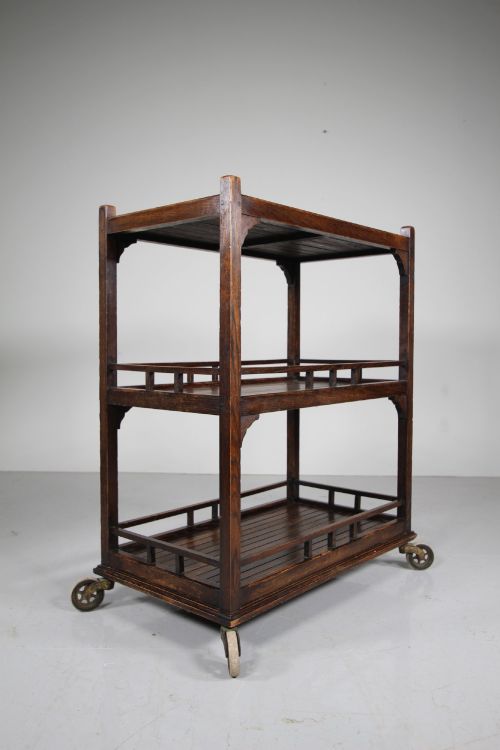
Tiered trolleys served multiple domestic functions, including afternoon tea service and portable drinks preparation. The presence of gallery rails kept glassware secure during movement.
Some examples feature metamorphic designs that expand the top surface.
What is a tantalus dry bar?
A tantalus houses decanters within a locked timber frame, often accompanied by compartments for games or cards. This form originated in the nineteenth century.
Units typically sit on tables or serve as portable hospitality sets.