
Vintage Dressing Desk
A vintage dressing desk combines the surface of a writing table with the mirror and storage needed for the morning routine.
Vintage Dressing Desk
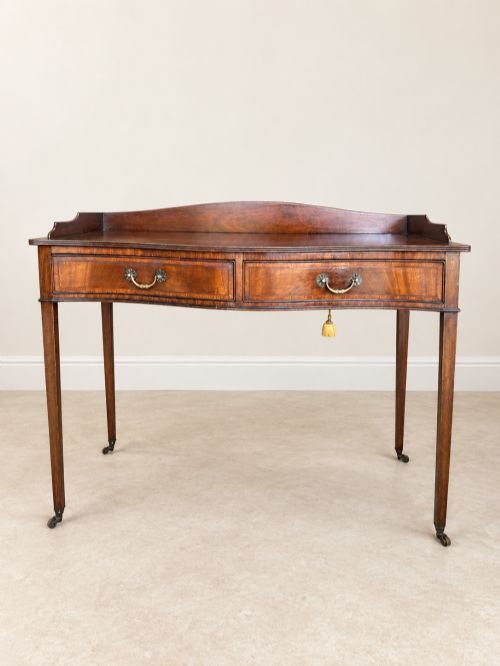
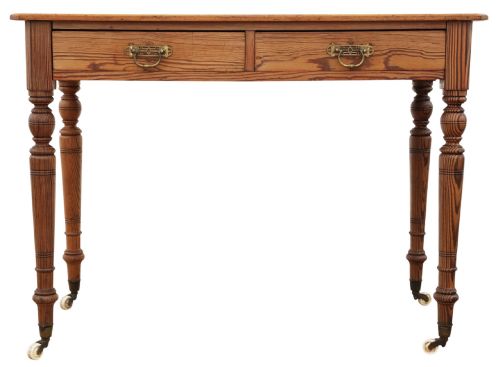
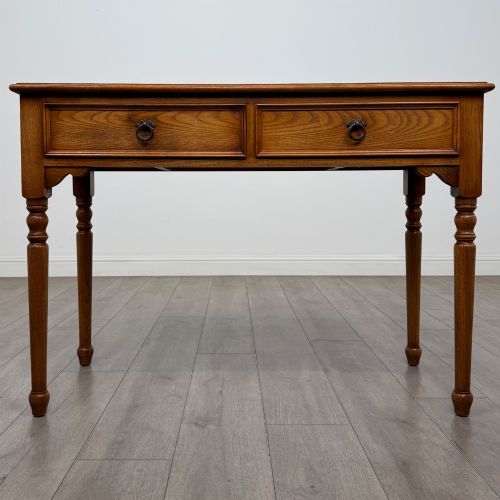
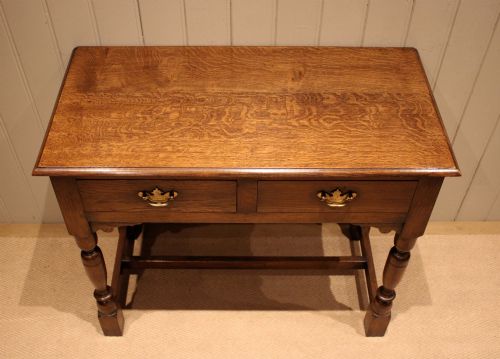
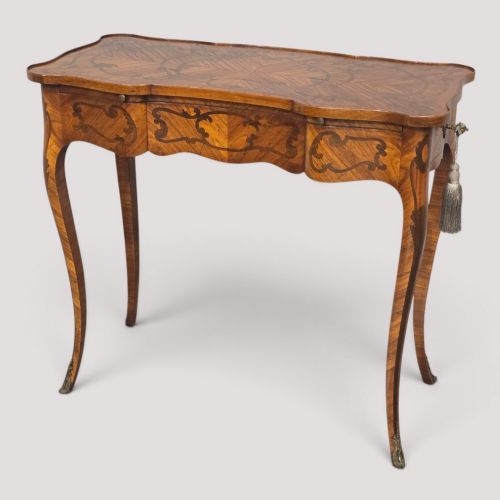
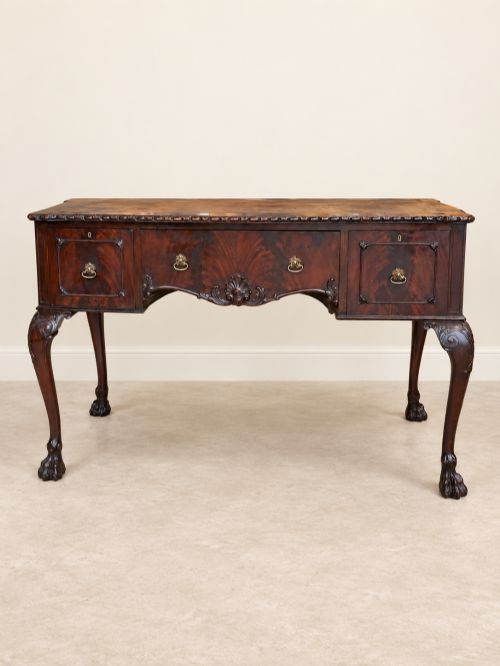
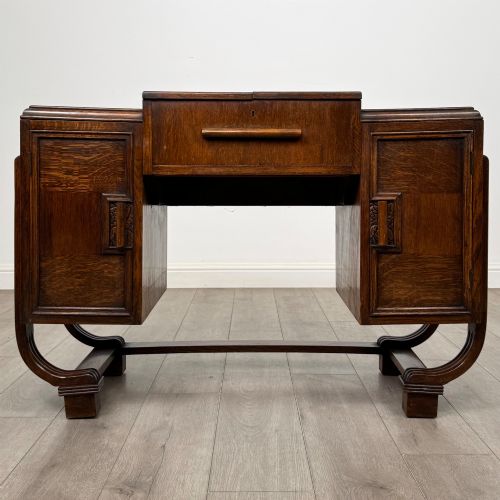
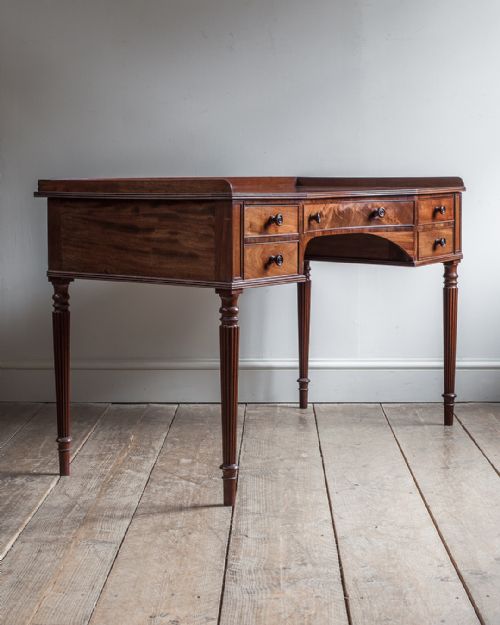
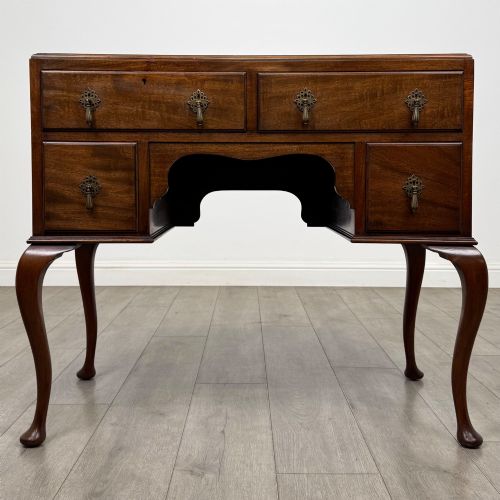
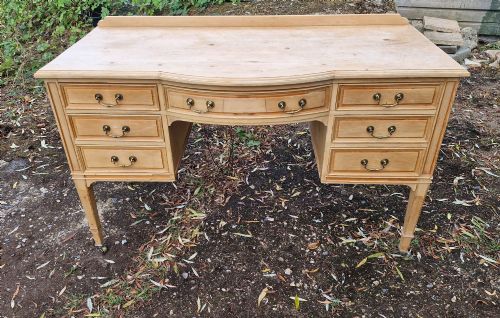
When you search for a vintage dressing desk, you encounter pieces that bridge the gap between bedroom vanity and study table. The selection spans periods from the eighteenth century through to the Art Deco movement of the 1930s. Mahogany and walnut examples dominate the earlier decades, alongside oak and pitch pine.
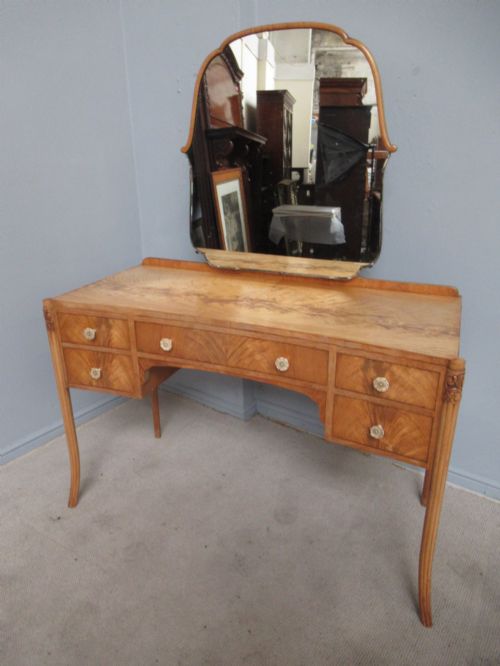
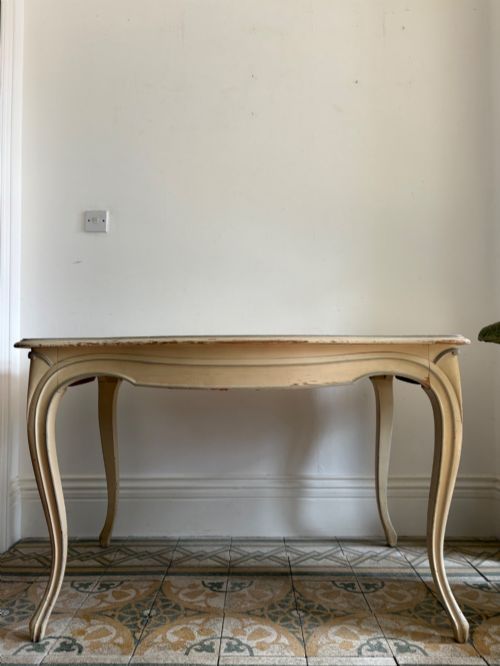
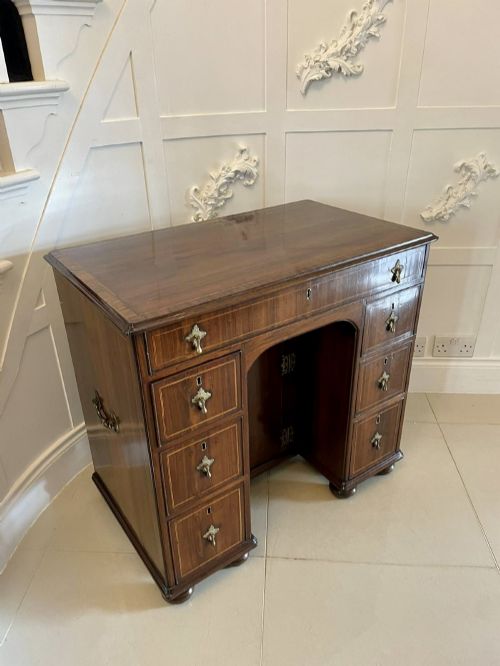
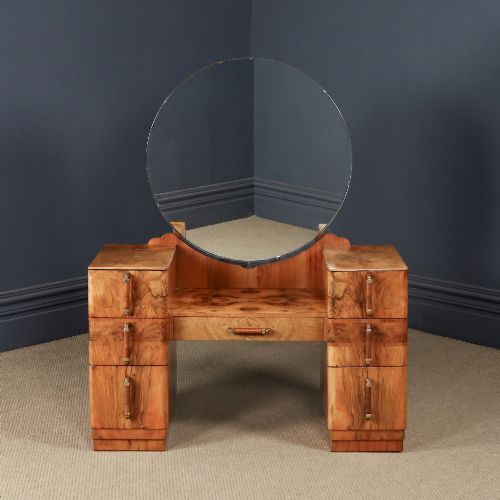
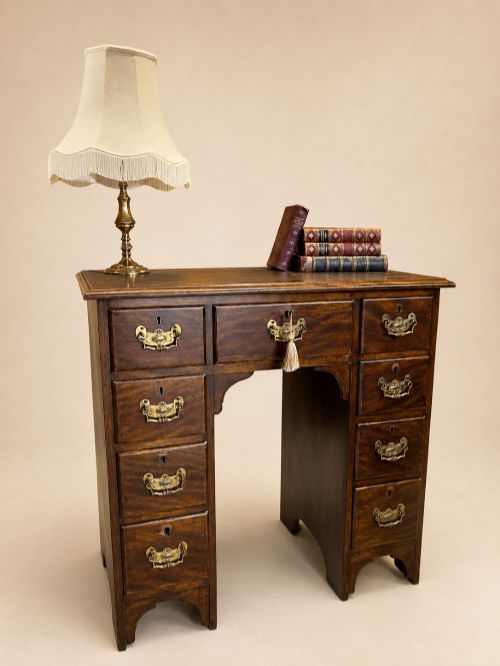
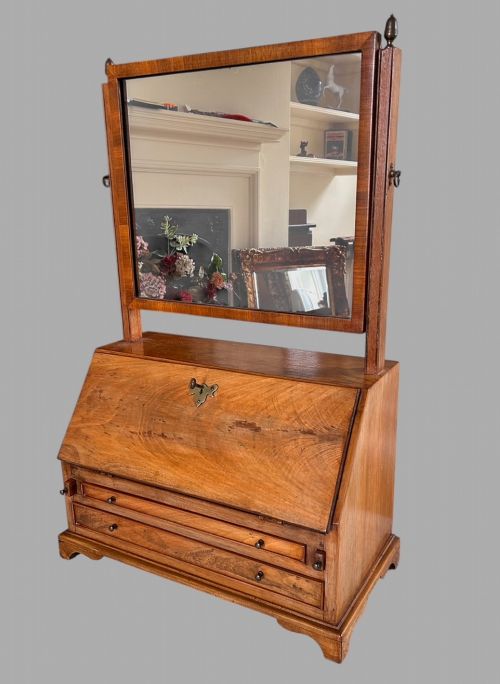
You will find writing tables and kneehole desks performing double duty, as well as dedicated dressing tables fitted with mirrors. Styles range from simple Edwardian and Victorian forms to French marquetry and striking twentieth-century burr walnut designs. Many items incorporate drawers for storage while maintaining compact proportions suitable for domestic spaces.
Materials and construction
Cabinet makers utilised a variety of solid timbers and figured veneers, choosing mahogany, walnut, oak, and maple for their grain and durability. Surfaces often feature brass handles and sometimes inset leather or suede writing pads. Marquetry inlay, carved details, and glass elements appear on specific stylistic examples.
Construction methods rely on traditional drawer joinery and sturdy framing to support mirrors and everyday use. Pieces from the Art Deco period utilise figured and burr walnut veneers combined with geometric forms, whilst earlier items show fine timber selection in solid planks and panels.
Materials recorded across the desks include brass, mahogany, walnut, oak, glass, burr walnut, leather, and fabric.
Grading quality
Quality rests upon the selection of timber figures, such as burr walnut or birdseye maple, and the crispness of any carved ornamentation. Superior pieces demonstrate balanced proportions and thoughtful integration of mirrors and drawers.
The integrity of the construction, the retention of original brass hardware, and the finish of the timber distinguish finer examples from simpler utility pieces. Attention to detail in the veneer work and secondary woods indicates the standing of the workshop.
The Vintage Dressing Desk Glossary
- Kneehole desk
- A desk or dressing table featuring a central recess for the legs, flanked by pedestals of drawers. This form allows the user to sit comfortably close.
- Lowboy
- A small seventeenth or eighteenth-century table with one or more drawers, often used as a dressing table or side table. They typically stand on slender cabriole or straight legs.
- Marquetry
- Decorative patterns formed by the insertion of small pieces of wood, veneer, or shell into a veneered surface. It creates elaborate pictorial or geometric designs.
- Pedestal
- A supporting column or structure beneath a desk, or in this context, a bank of drawers supporting the top surface on either side.
- Washstand
- A piece of furniture designed to hold a basin and jug for washing, frequently converted or grouped alongside dressing tables in bedroom settings.
Vintage Dressing Desk: Frequently Asked Questions
How do I use a vintage dressing desk today?
These pieces function well as compact bedroom vanities or as writing tables in a home office.
The surface provides ample room for a laptop or stationery while the drawers keep everyday items tidy.
What is the difference between a desk and a dressing table?
A traditional desk focuses on a flat writing surface with knee clearance and drawer storage.
A dressing table typically incorporates mirrors, sometimes in triple configurations, designed for grooming.
How do I identify Art Deco pieces?
Art Deco dressing desks from the 1930s often feature striking burr walnut or birdseye maple veneers.
Their silhouettes are geometric and streamlined, sometimes showcasing skyscraper or curved pedestal forms.
Are these pieces suitable for small rooms?
Many Edwardian and nineteenth-century examples are built with modest proportions that fit easily into tighter spaces.
Kneehole configurations and side tables offer surface area without dominating a room.