



Vintage Dog Print Paper
These vintage dog print paper pieces bring character to a room, offering historic studies of hounds and sporting dogs.
Vintage Dog Print Paper
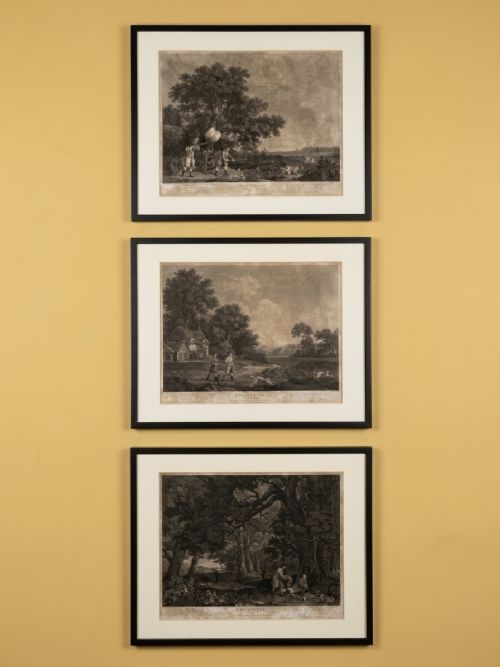
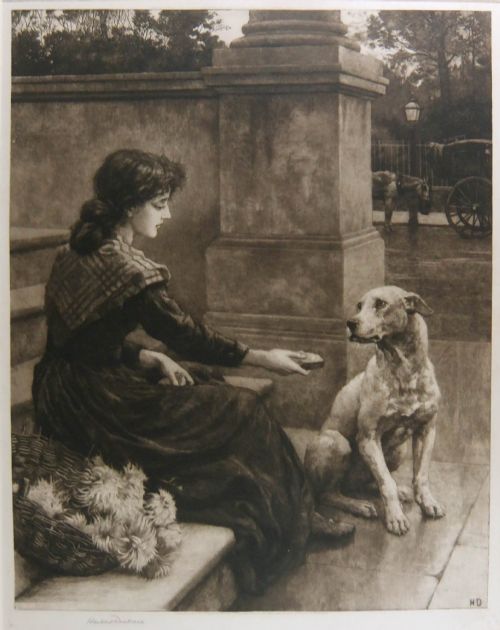
Vintage dog print paper works as framed artwork, etchings and wall art that capture canine subjects across various eras. These pieces range from Victorian engravings to Edwardian and early twentieth century works, reflecting changing tastes in animal portraiture.
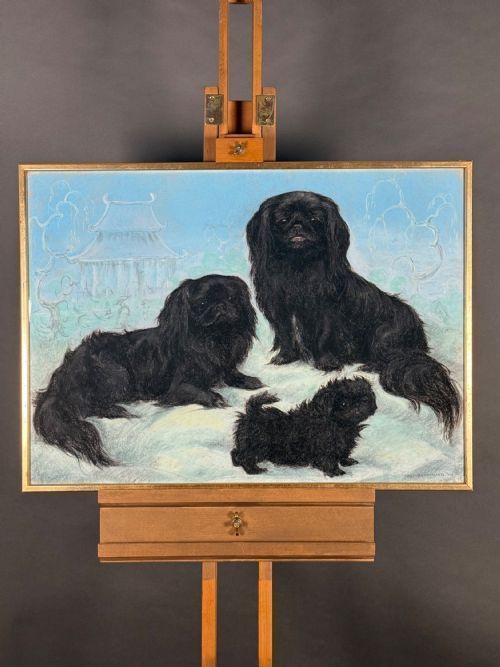
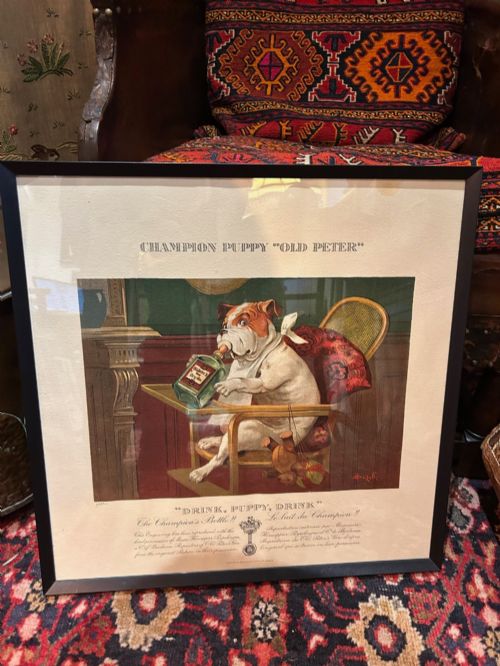
Buyers frequently encounter works by specific printmakers alongside anonymous studies of Pekingese dogs and bulldogs. English country house aesthetics and early twentieth century realism dominate the visual offerings.
How they were made
Makers utilised paper and ink to produce etchings, drypoints and engravings, often capturing fine line work through traditional press techniques. Pastels on paper provide softer, coloured studies of dog subjects.
Framed pieces incorporate wood, glass and giltwood surrounds to protect the paper works. These materials support the preservation of delicate prints and drawings from the nineteenth and twentieth centuries.
Vintage Dog Print Paper Retail Price Guide 2026
Typical asking prices for vintage dog print paper among the pieces listed under this phrase on Sellingantiques today, from the lower quarter to the upper quarter. They describe what is for sale here now, not the wider market.
What varies in quality
The distinction between standard prints and superior works rests on the clarity of the plate mark and the crispness of the ink upon the paper. Signed impressions by established makers carry greater artistic weight than unsigned examples.
The preservation of the paper support and the quality of the framing materials influence the overall character of the piece. Clean margins and well maintained pastel or ink work elevate the visual presence of the artwork.
Herbert Dicksee·Marcellin Auzolle·Blockey
The Vintage Dog Print Paper Glossary
- Drypoint
- A printmaking process where an image is scratched directly onto a metal plate with a sharp needle, producing soft, velvety lines. This technique creates rich burrs that hold ink during printing.
- Etching
- A method where acid bites lines into a metal plate covered with an acid resistant ground. The resulting plate prints fine, detailed images on paper.
- Giltwood
- Wood decorated with gold leaf or gold paint, commonly used for framing fine art prints. It provides a bright, reflective border to historical works.
- Engraving
- A technique involving the direct cutting of lines into a hard plate using a burin. This produces precise, clean lines well suited for detailed animal subjects.
Vintage Dog Print Paper: Frequently Asked Questions
What periods do these pieces cover?
The inventory includes items from the nineteenth century through to the 1960s, spanning Victorian, Edwardian and Art Deco movements.
Works reflect the artistic styles of their respective decades, from early twentieth century realism to French advertising print design.
How should I hang framed paper art?
Framed paper art requires positioning away from direct sunlight to prevent fading of the ink, pastel and paper support. Glass and wood frames should be hung securely using appropriate wall fixings.
Maintaining stable room temperature protects the paper from moisture damage and warping over time.
What is the difference between an etching and an engraving?
An etching uses acid to bite lines into the metal plate, whereas an engraving relies entirely on manual cutting with a sharp tool called a burin.
Etchings often display softer, more painterly lines, while engravings tend to show precise, sharp definition.
Are these works original prints?
Many items listed are original etchings, drypoints and engravings produced during the active period of the artist or printmaker. These differ from modern photographic reproductions by showing the physical impressions of the printing plate.
Signatures and plate marks help identify original works from later copies.