

Vintage Dog Painting
When you handle a vintage dog painting, you hold a piece of social history that captures the precise bond between humans and their canine companions across the centuries.
Vintage Dog Painting
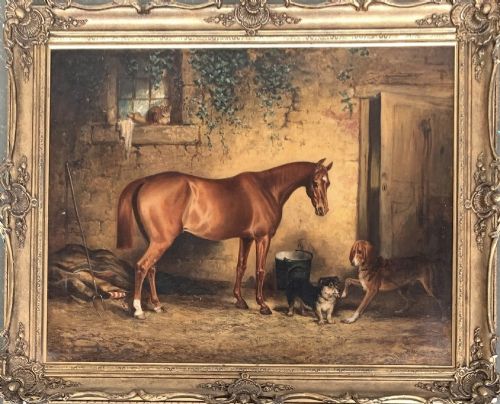
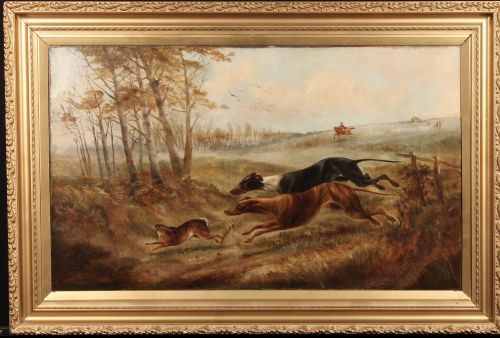
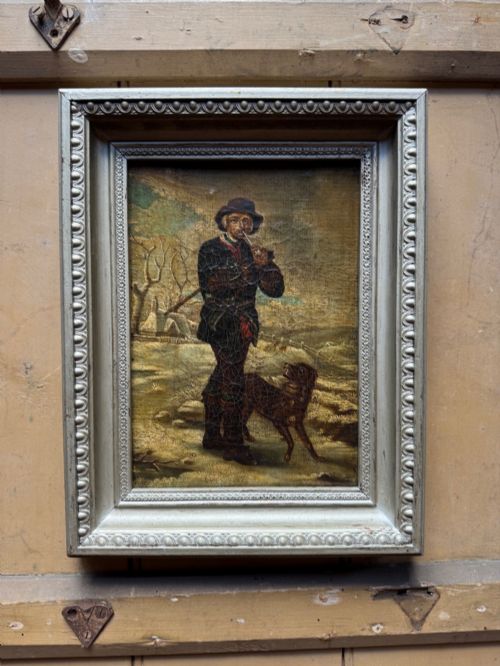
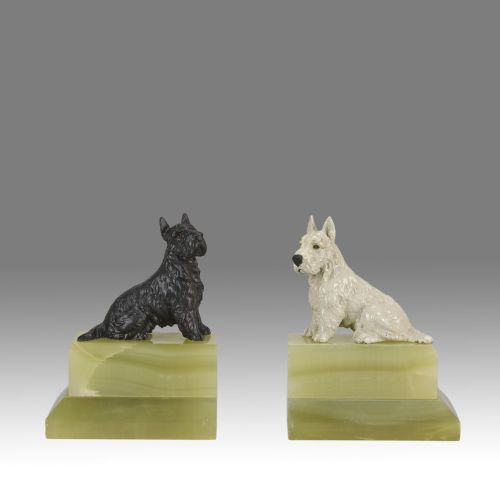
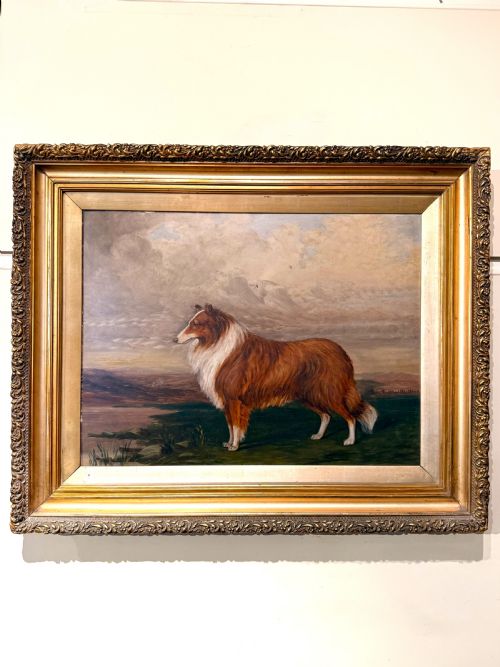
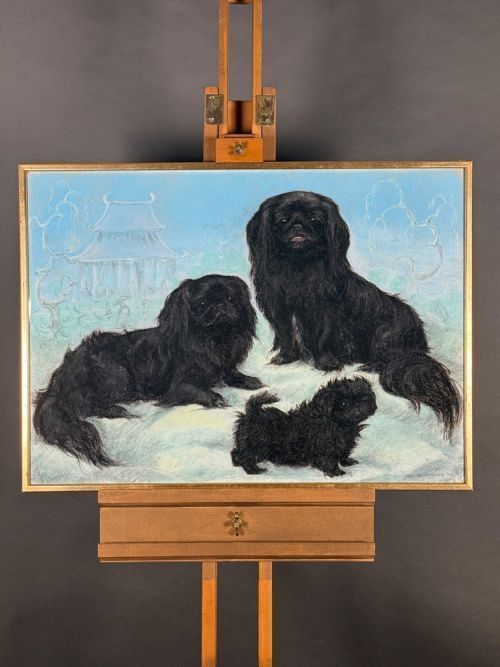
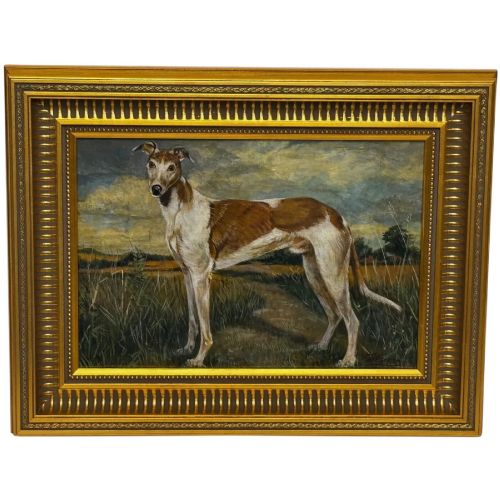
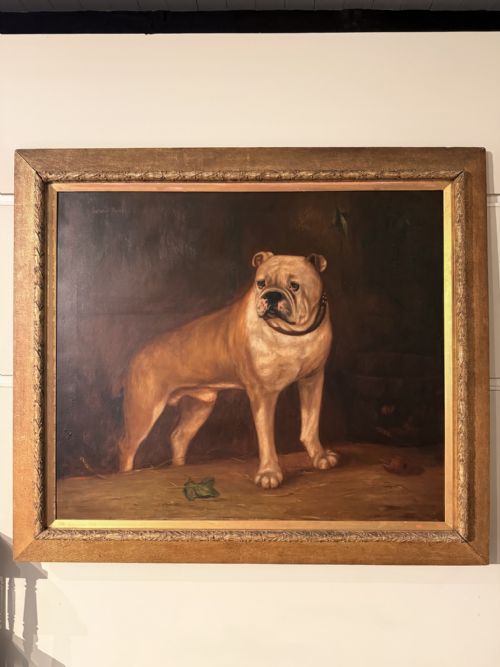
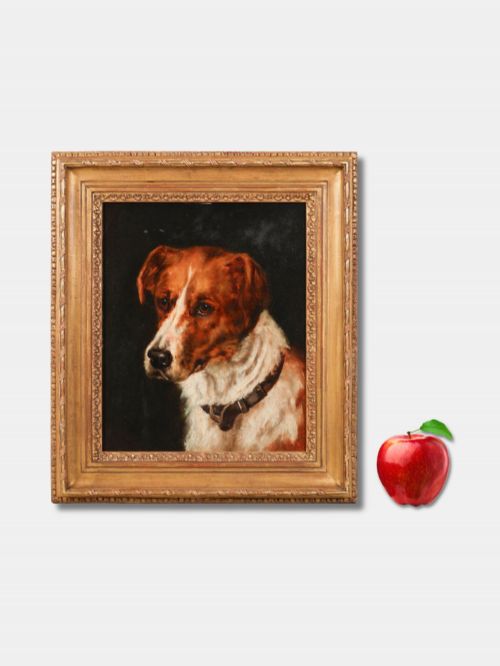
A vintage dog painting encompasses framed canvases, board studies and watercolours depicting hounds, terriers, gun dogs and household pets. You will most frequently encounter nineteenth-century and early twentieth-century oil paintings set within traditional gilt or wooden frames.
The subjects range from solitary working dogs and prized hunting packs in open landscapes to domestic portraits of individual pets. These works originate from British and European schools, reflecting both formal sporting art traditions and intimate domestic observations.
How they were made
Artists built these works primarily using oil paint applied to stretched canvas or wooden boards, often sealing the finished pieces beneath protective layers of glass. Many examples rely on precise brushwork to render the sheen of a coat and the particular alertness of an animal's posture.
Support materials include pine panels, card and heavyweight paper for pastel or watercolour studies. Frames frequently combine carved wood with gold leaf details that suit the formal interior tastes of the Victorian and Edwardian eras.
Early artists occasionally had to bribe restless hounds with treats just to keep them still for long enough to sketch an ear.
What varies in quality
Anatomy and expression divide standard decorative works from master portraits, as skilled painters captured the skeletal structure and intelligent gaze of specific breeds with complete conviction. The handling of light across a dog's coat and the depth of the background landscape dictate the overall artistic success of a canvas.
The integrity of the original canvas, the stability of the pigment layers and the preservation of the framing elements all contribute to the enduring character of each piece. Works bearing clear signatures or established provenance carry greater weight among collectors.
Henry Barraud·George Armfield·John Emms·John Frederick Herring Senior·William Barraud·Sir Edwin Landseer
The Vintage Dog Painting Glossary
- Sporting art
- Depictions of rural pursuits, hunting fields and working animals. This genre forms a major cornerstone of nineteenth-century canine portraiture.
- Oil on board
- A painting executed on a rigid wooden or composition panel rather than stretched fabric. This method was frequently utilised for smaller outdoor sketches.
- Provenance
- The documented history of ownership surrounding a work of art. Clear records help verify the attribution and age of an antique painting.
- Gilt frame
- A wooden housing coated with a thin layer of gold leaf or metallic paint. These ornate surrounds were designed to complement the tones of the artwork within.
Vintage Dog Painting: Frequently Asked Questions
How do I date an antique dog painting?
Examinations of the canvas type, stretcher frames, and pigment composition provide reliable clues to the age of a painting. Stylistic indicators within the background landscape and the fashion of any human figures also help narrow down the decade.
Makers' marks or handwritten inscriptions on the reverse of the board or stretcher often reveal the exact year of creation. Comparing the brush technique to known works by documented artists offers further chronological certainty.
Where should I hang a dog portrait?
These works suit traditional reception rooms, studies, and hallways where wooden furniture and neutral wall colours complement the earthy tones of the palette. Placing them at eye level allows the viewer to appreciate the fine brushwork in the animal's coat.
Direct sunlight should be avoided to prevent the fading of oil pigments and watercolour washes over time. Stable indoor humidity levels protect both the wooden stretchers and the canvas support from warping.
What is the difference between oil and watercolour dog paintings?
Oil paintings utilise slow-drying pigments suspended in medium that yield rich textures and deep colour saturation on canvas or board. Watercolour works employ water-soluble pigments on paper, offering a lighter and more translucent finish.
Watercolour and pastel pieces require protective glazing beneath glass to shield the delicate paper surface from airborne dust and moisture. Oil works remain more durable but still benefit from occasional professional cleaning to remove accumulated surface grime.