
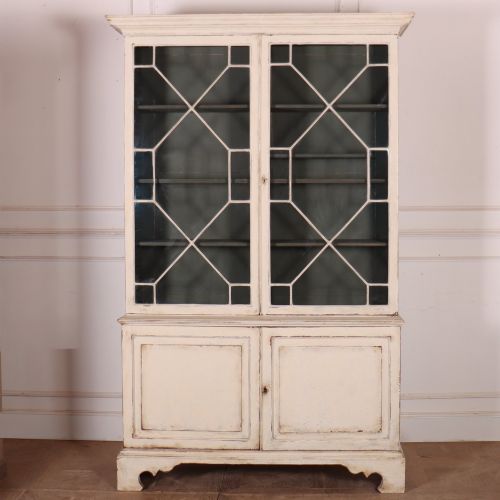
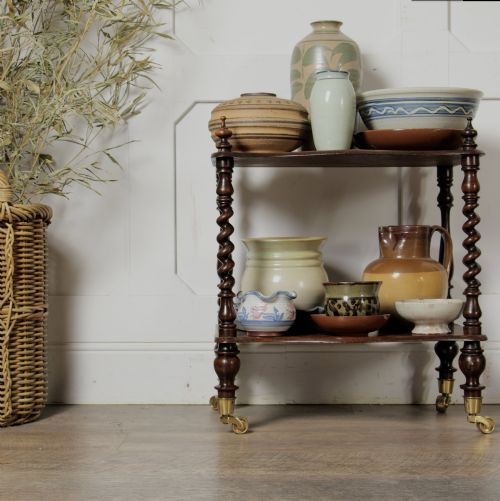


Vintage Display Stand
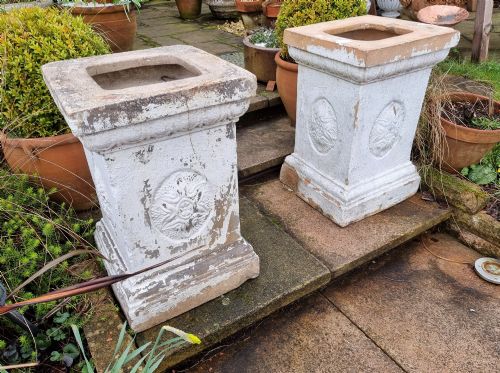
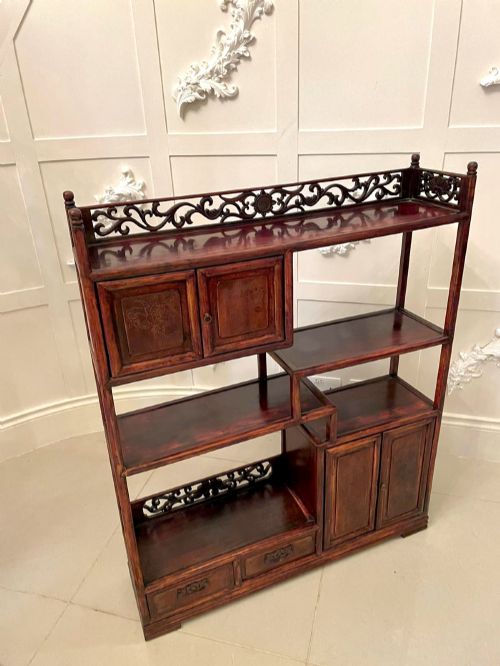
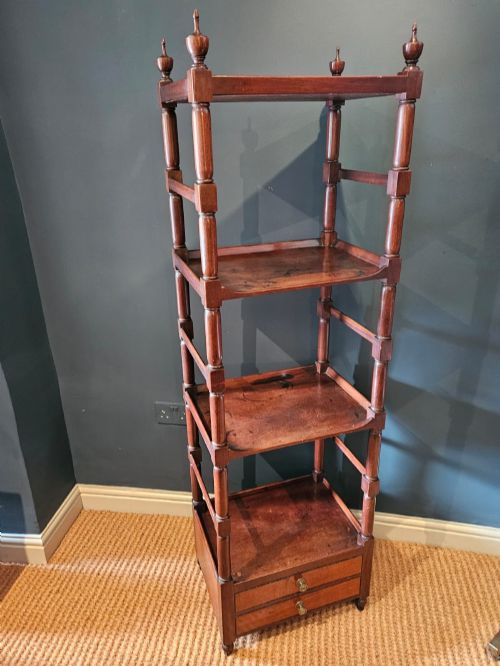
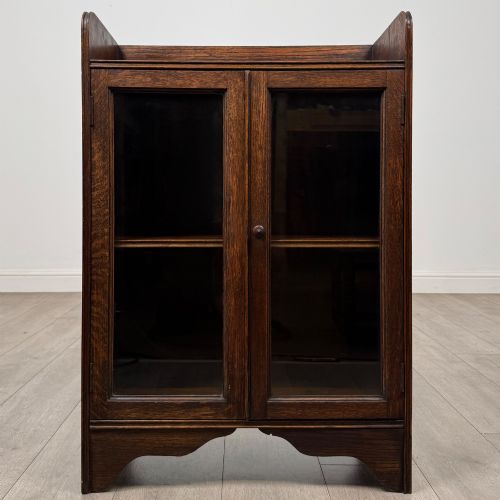
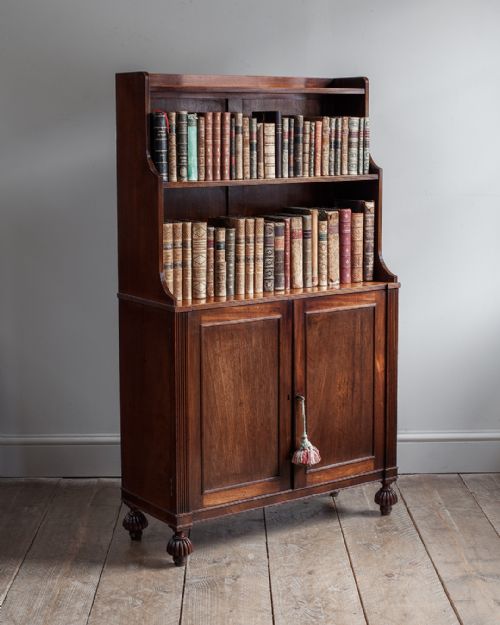
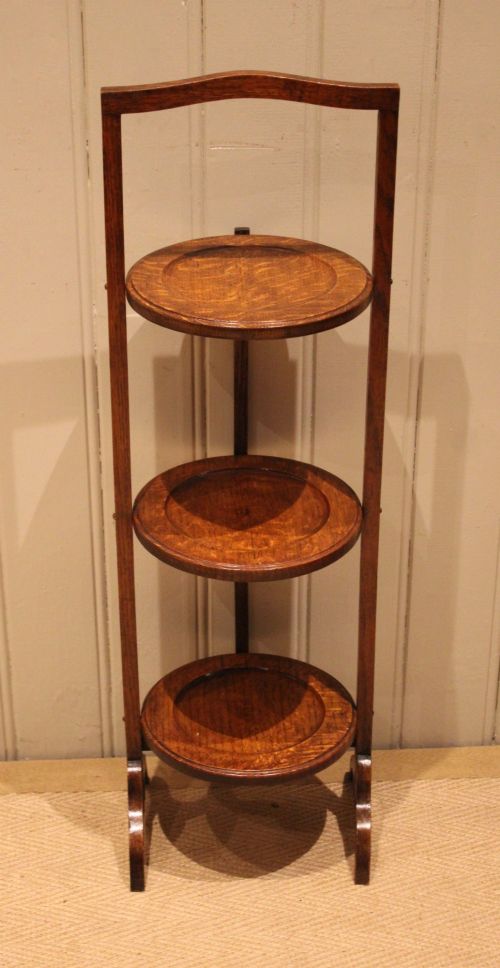
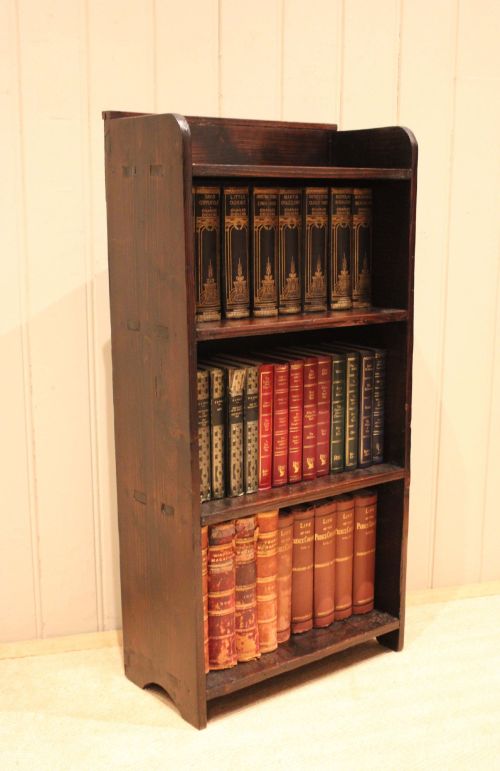
These vintage display stand pieces offer elevated surfaces for objects and merchandise, spanning cabinets, plant stands, and hat blocks.
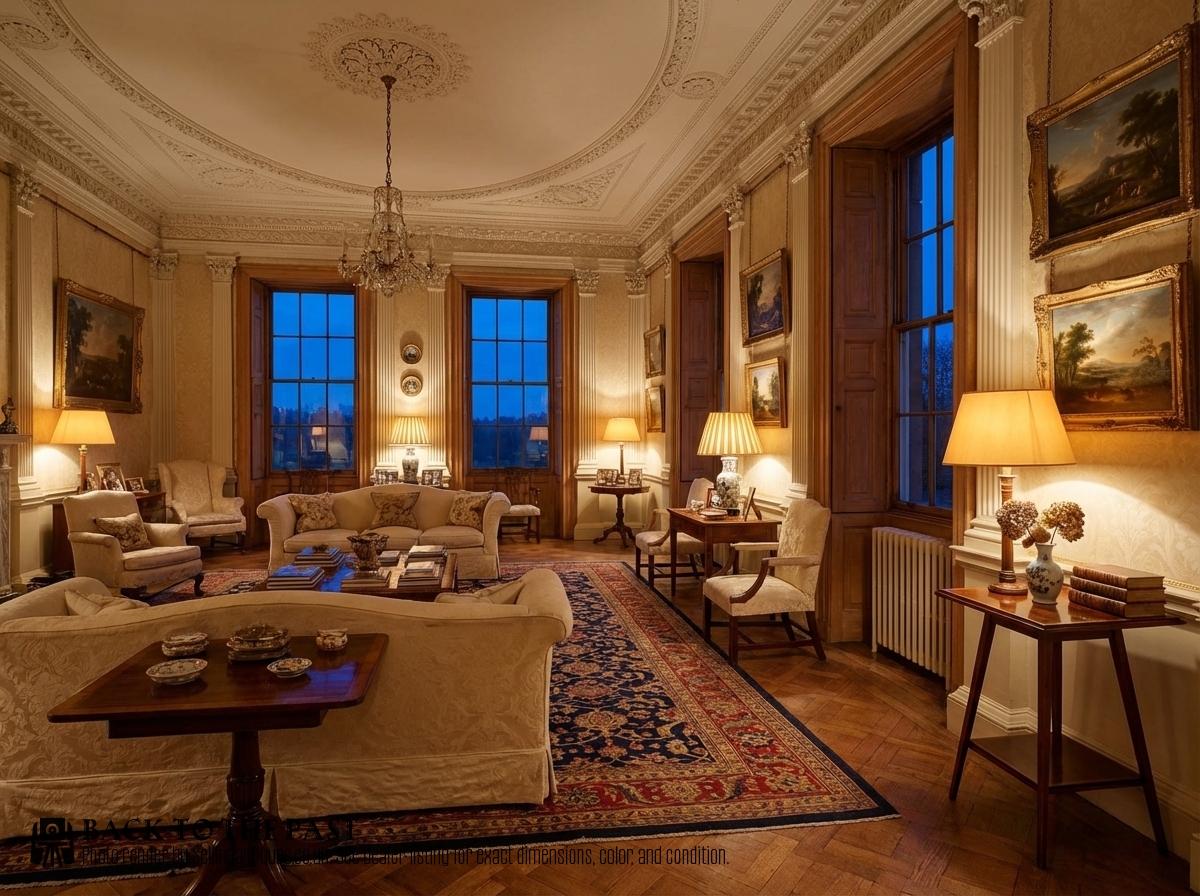
Vintage Display Stand
A vintage display stand encompasses diverse utilitarian forms designed to elevate and exhibit objects, from plant pedestals and cake tiers to retail hat blocks and tall bookcases. Buyers encounter structures originating across the Victorian, Edwardian, and twentieth-century periods, constructed in varied regional workshops.
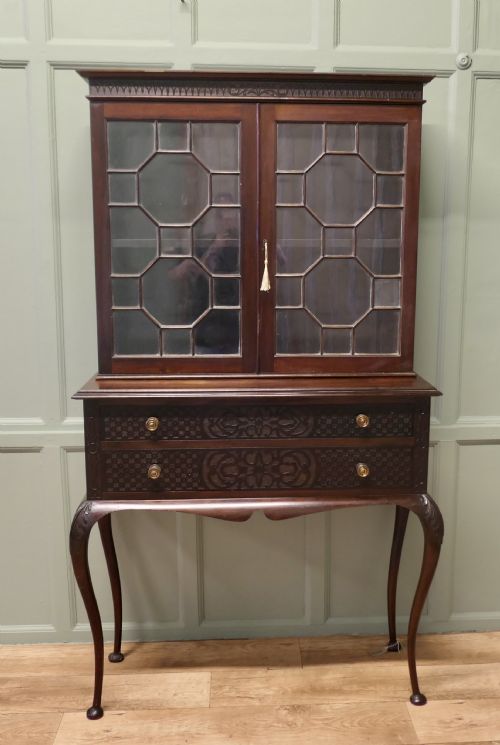
The selection frequently includes mahogany display cabinets, oak bookcases, occasional tables, and turned wooden plinths. French shop displays and marble-topped plant pedestals also appear regularly among the offerings.
These items served functional roles in domestic interiors and commercial shops, holding everything from porcelain wares to millinery. Their forms reflect the specific display requirements of past decades.
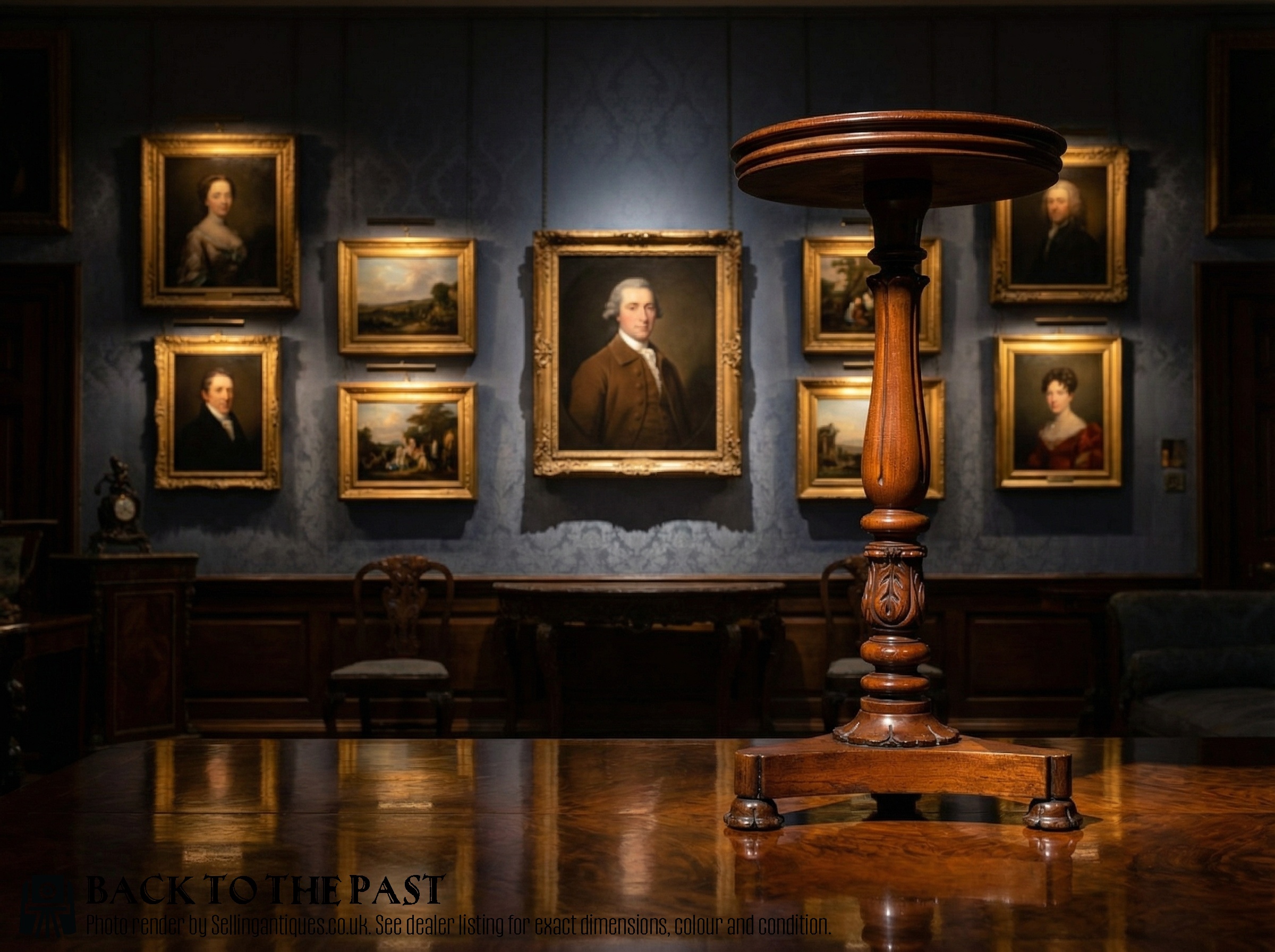
Materials and construction methods
Timbers dominate the construction, with solid oak, figured mahogany, walnut, and satinwood providing sturdy frames for shelving and pedestals. Joinery methods utilise traditional techniques suited to each period, ensuring structural stability for vertical display columns and cabinets.
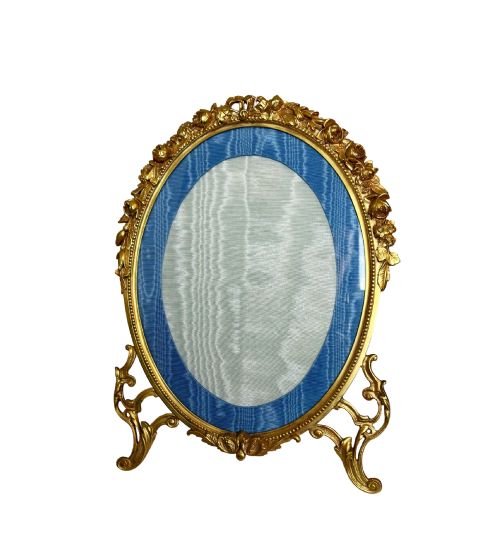
Secondary materials such as polished brass fittings, cast bronze accents, and inset marble tops add contrasting texture and weight to wooden frameworks. Surface treatments range from clear polish on open bookcases to painted finishes and gilt leaf detailing on decorative frames and pedestals.
Vintage Display Stand Retail Price Guide 2026
Typical asking prices for vintage display stand among the pieces listed under this phrase on Sellingantiques today, from the lower quarter to the upper quarter. They describe what is for sale here now, not the wider market.
Object forms include open bookcases, hat block stands, plant pedestals, corner cabinets, and tiered etageres.
Factors of quality
The calibre of timber selection and joinery defines the upper tier of these pieces, where finely figured mahogany or burr walnut veneers are applied with precision. Heavier gauge brass hardware and intact, original glass panels distinguish superior cabinets and stands from simpler utilitarian examples.
Proportion and carving detail separate standard workshop items from exceptional commissions. Clean turning on barley twist columns and balanced structural integrity indicate higher manufacturing standards.
The Vintage Display Stand Glossary
- Whatnot
- A set of open shelves supported by slender pillars, traditionally used for displaying ornaments or books.
- Vitrine
- A glass-fronted cabinet designed specifically for displaying fine porcelain, curiosities, or small collections.
- Etagere
- A piece of furniture consisting of a number of open shelves for displaying small objects.
- Marotte
- A painted wooden or papier-mâché head used historically by milliners to shape and display hats.
- Astral glazed
- A term describing cabinet doors with delicate wooden framework dividing the glass panes into geometric patterns.
Vintage Display Stand: Frequently Asked Questions
Where should I place a display stand?
These pieces suit corners, hallways, or living rooms where vertical space allows objects to be viewed clearly without obstructing movement. Tall bookcases and cabinets anchor larger walls, while plant stands fit narrower intervals.
Ensure the floor is level, particularly with marble-topped pedestals or tall vitrines, to maintain stability and protect delicate items placed upon them.
How do I clean wooden stands?
Dust timber surfaces regularly with a soft, dry cloth to prevent the accumulation of grit in carved details and joints. Avoid silicone-based sprays, opting instead for traditional beeswax applied sparingly to nourish the grain.
Keep glass panels clean using standard glass cleaner sprayed onto a cloth rather than directly onto the cabinet, protecting surrounding wood.
Can these stands hold heavy items?
Solid oak and mahogany bookcases or heavy plinths handle substantial weight, provided shelves are supported securely. Check the internal fixings of older shelving units before loading them with large volumes.
Plant stands and occasional tables vary in load capacity based on their leg thickness and overall construction, so heavier sculptures require sturdy oak or marble-topped bases.
How do I date a display cabinet?
Examine the timber species, joinery methods, and hardware style to determine the likely era of manufacture. Victorian and Edwardian pieces often feature distinctive turnings, specific brass handles, and construction markers hidden beneath shelves.
Comparing the overall design vocabulary, such as Arts and Crafts simplicity or French Rococo carving, helps narrow the production period.