

Vintage Dining Sideboard
A vintage dining sideboard anchors the dining room, providing essential storage and serving space while displaying classic cabinetmaking traditions.
Vintage Dining Sideboard
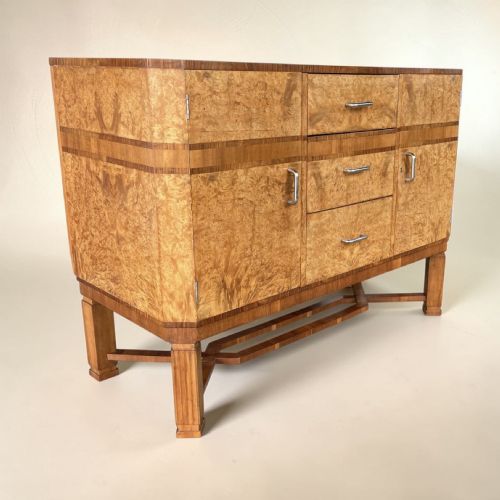
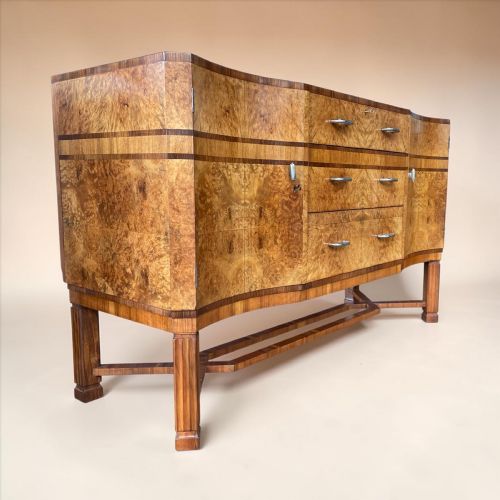
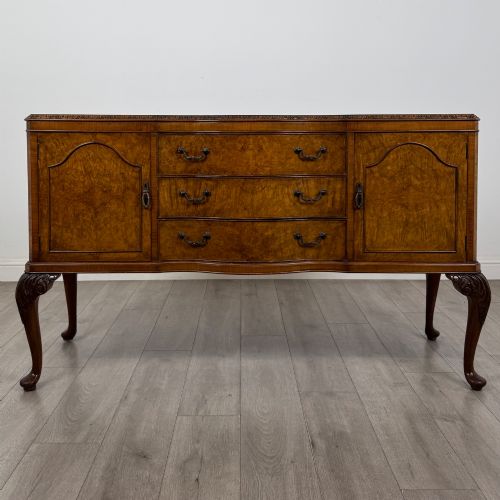
A vintage dining sideboard encompasses servers, chiffoniers, and pedestal units built to serve the dining room across multiple periods. The selection spans straightforward Edwardian and Victorian oak and mahogany pieces alongside decorative Art Deco designs from the nineteen thirties.
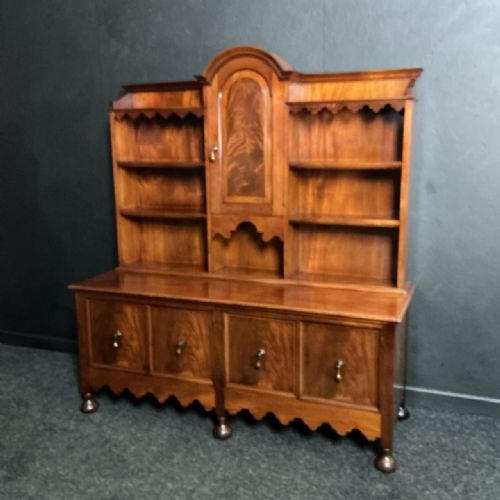
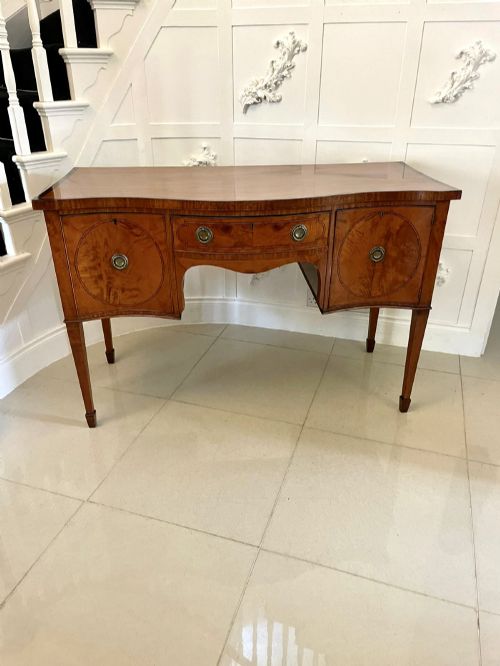
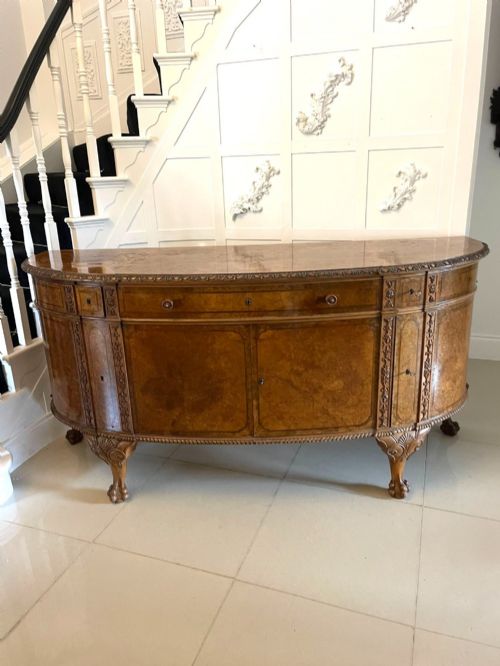
Buyers encounter forms ranging from compact bow-front cupboards to large breakfront servers and dressers. These items incorporate historical revivals such as Jacobean, Sheraton, and Queen Anne styles alongside clean modernist lines.
Materials and Construction
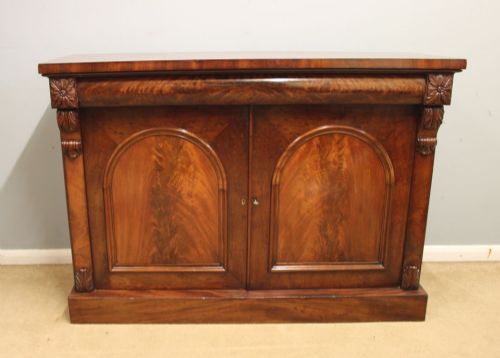
Cabinetmakers relied on solid timbers and decorative veneers to construct these heavy dining pieces. Mahogany and oak form the structural core of most examples, while burr walnut, satinwood, and sycamore provide figured surface patterns.
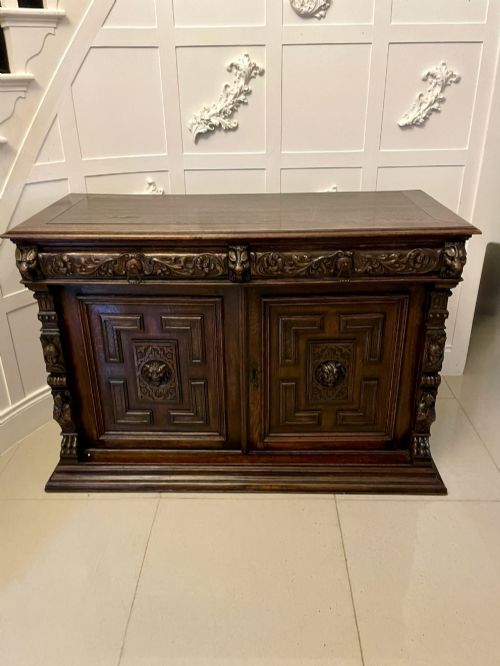
Detailing involves carved woodwork, brass hardware, inlay work, and occasionally marble tops or grill fronts. Joinery techniques connect heavy frames to large drawers and cupboards designed to hold tableware.
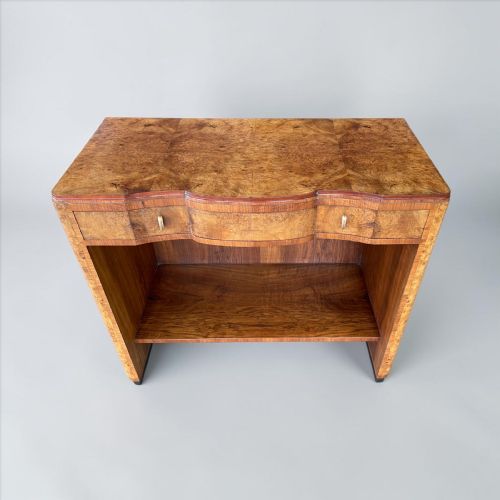
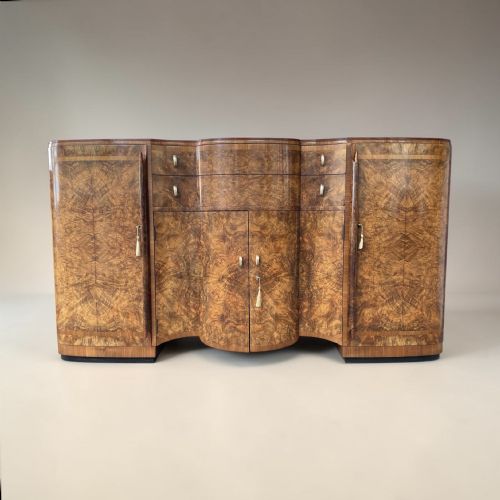
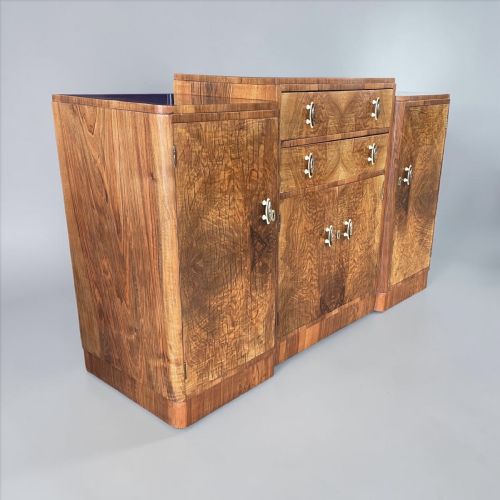
The listings feature dining sideboards spanning the Victorian, Edwardian, and Art Deco periods, constructed in mahogany, oak, burr walnut, and satinwood.
Evaluating Standards
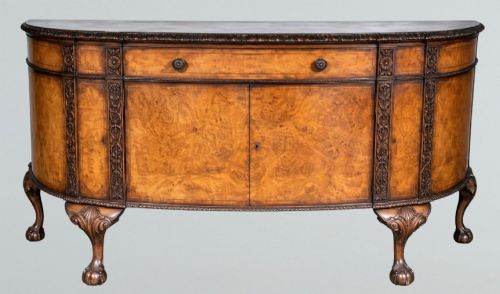
Quality rests upon the selection of timber and the precision of the cabinetwork. Pieces featuring figured burr walnut veneers or detailed hand-carving represent higher tiers of craftsmanship than plain utility builds.
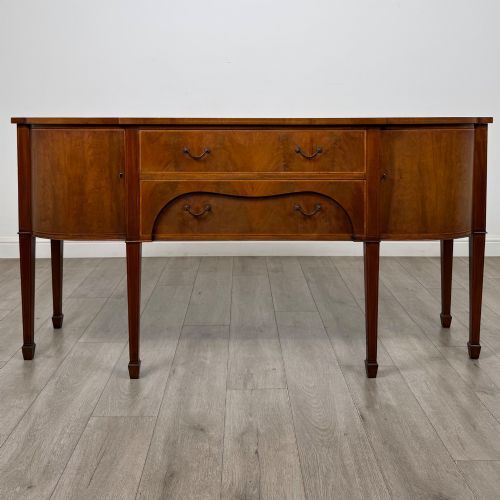
Proportion and decorative restraint dictate the visual success of a piece. Well-executed serpentine and bow fronts require advanced woodworking skill compared to flat surfaces.
Maurice Adams·Gomme·Hille
The Vintage Dining Sideboard Glossary
- Bow Front
- A convex curved cabinet front that projects outward in a smooth arc. This shape gained popularity during the Georgian and Regency periods and returned in later revivals.
- Serpentine
- A front configuration featuring a convex central section flanked by concave curves, or the reverse. It requires careful carpentry to shape timber accurately.
- Chiffonier
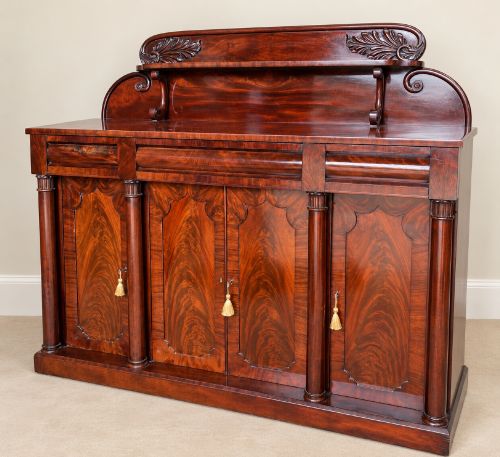
- A compact sideboard or low cupboard equipped with drawers and shelves. These pieces frequently include mirrored upper backs.
- Pedestal Sideboard
- A form comprising two separate pedestals connected by a central serving board or table. These heavy dining items date primarily to the Regency era.
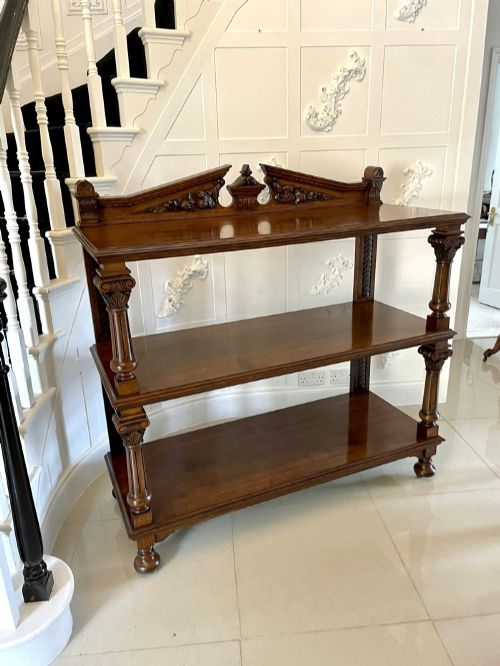
- Dumbwaiter
- A tiered serving stand fitted with revolving or stationary shelves. These pieces stood beside the dining table to hold dishes without requiring servants.
Vintage Dining Sideboard: Frequently Asked Questions
What is a vintage dining sideboard?
A vintage dining sideboard is a large storage and serving furniture piece designed specifically for dining rooms. These cabinets hold cutlery, linen, and serving dishes while providing a surface for food presentation.
Examples span from nineteenth-century mahogany servers to nineteen-thirties modernist walnut cabinets. Each piece reflects the dominant decorative style and timber preferences of its era.
How do I style a sideboard in a modern dining room?
Pairing a heavy oak or burr walnut sideboard with contemporary surroundings creates a striking contrast. Use the top surface to display ceramics, lamps, or glassware while keeping tableware stored inside.
Consider the scale of the room when selecting a bow-front or breakfront cabinet. Ensure adequate clearance around the piece for serving guests during meals.
How do I distinguish Edwardian sideboards from Victorian ones?
Victorian sideboards typically feature darker timbers, heavy carved ornamentation, and often mirrored panel backs. These pieces emphasise solid construction and traditional revival motifs.
Edwardian items often display lighter golden oak or mahogany finishes with simpler lines, sometimes incorporating barley twist supports. The overall aesthetic feels lighter and less ornate than nineteenth-century work.
What is the difference between a sideboard and a chiffonier?
A sideboard is generally a long, substantial cabinet designed primarily for dining room service and large-scale storage. It incorporates multiple cupboards and long drawers.
A chiffonier is a more compact version of a sideboard or low cupboard. It often includes a superstructure with small shelves or a mirror attached to the back.