


Vintage Dining Bench
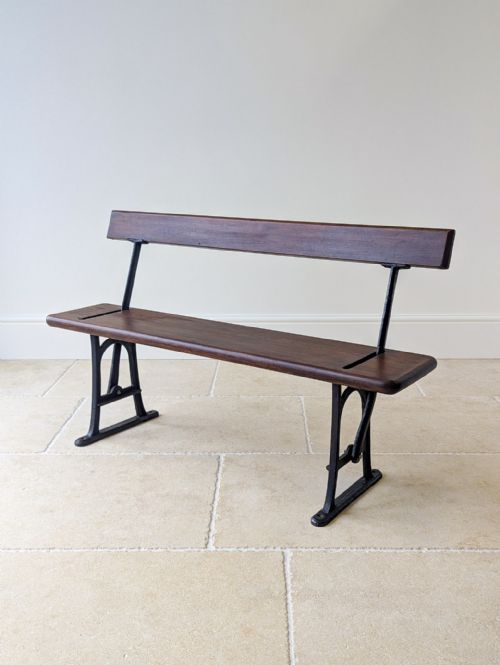
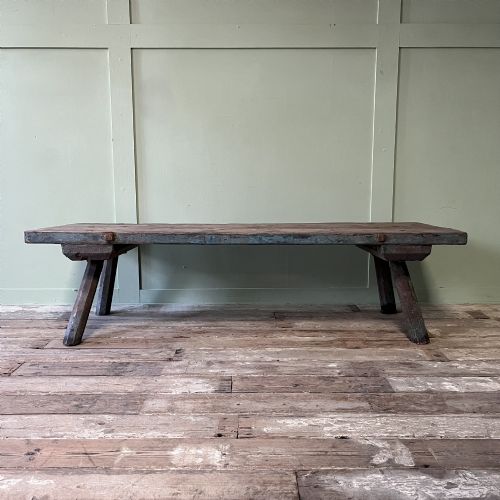
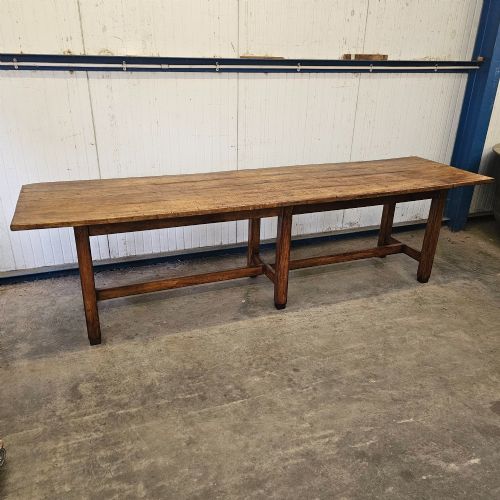
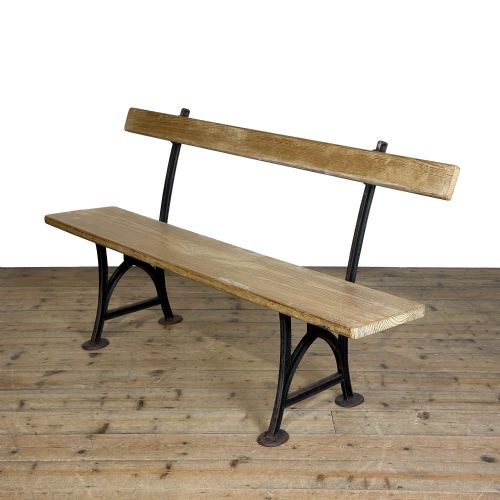
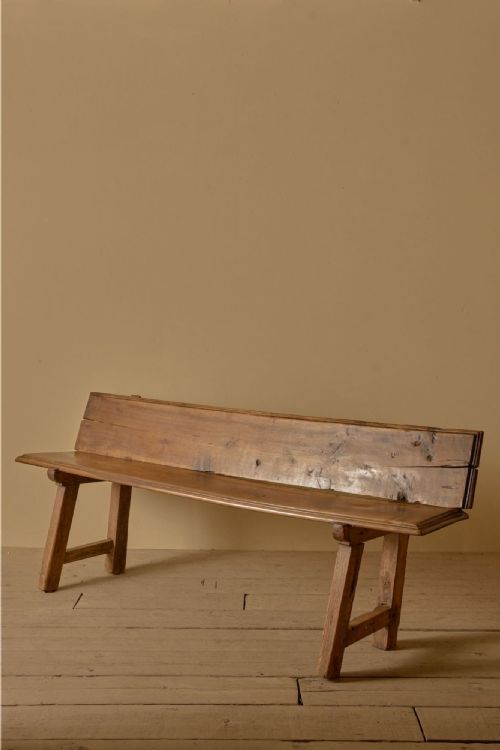
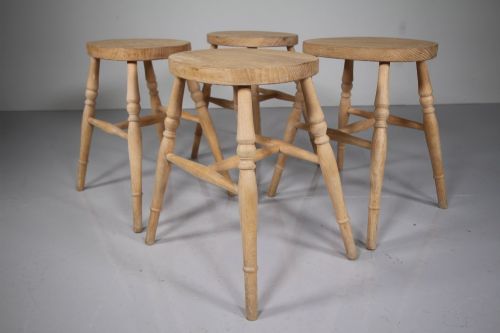
These vintage dining bench examples bring sturdy utility and rustic charm to a room, ranging from simple pine forms to heavy oak refectory styles.
Vintage Dining Bench
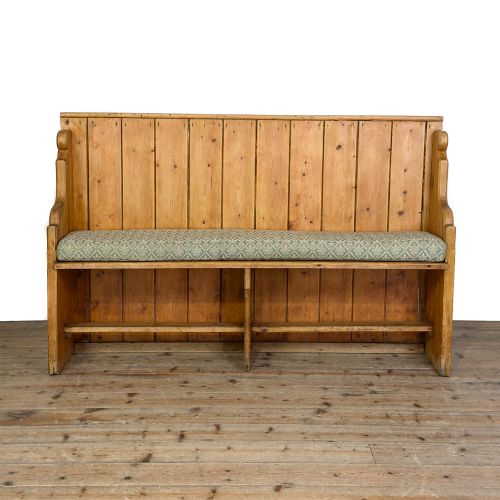
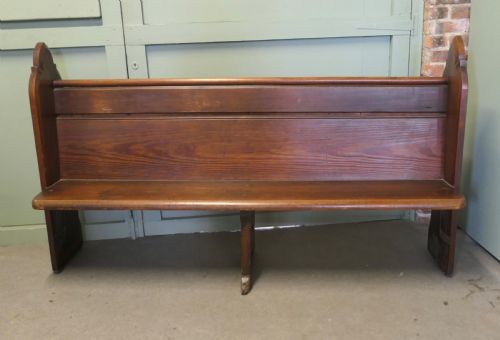
A vintage dining bench provides communal seating around a table, drawing on historical forms such as church pews, chapel benches, and refectory seating. When searching for a vintage dining bench, buyers encounter long timber boards designed for practical dining rather than solitary lounging.
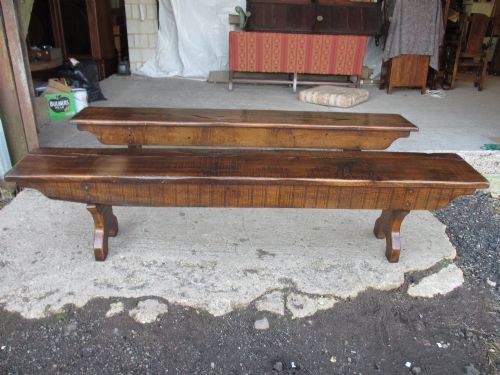
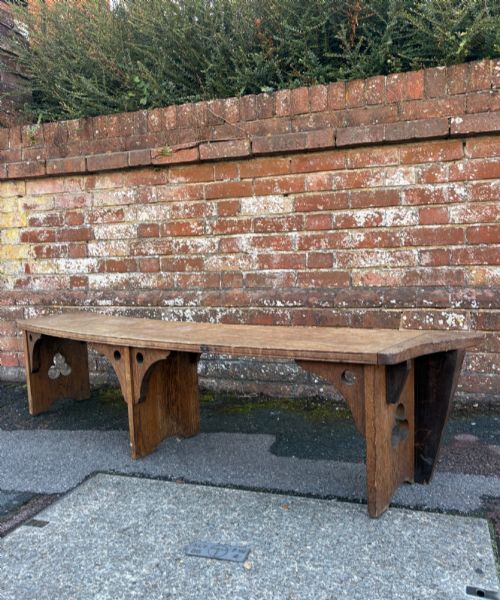
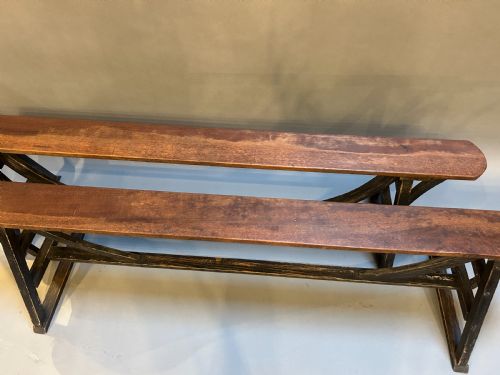
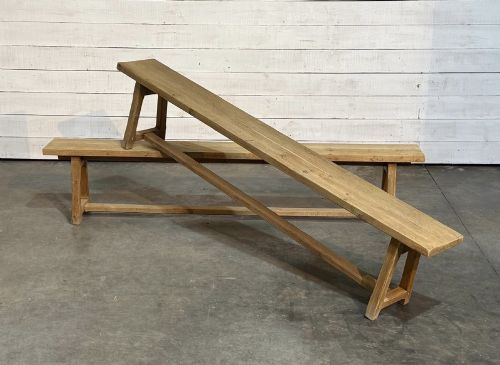
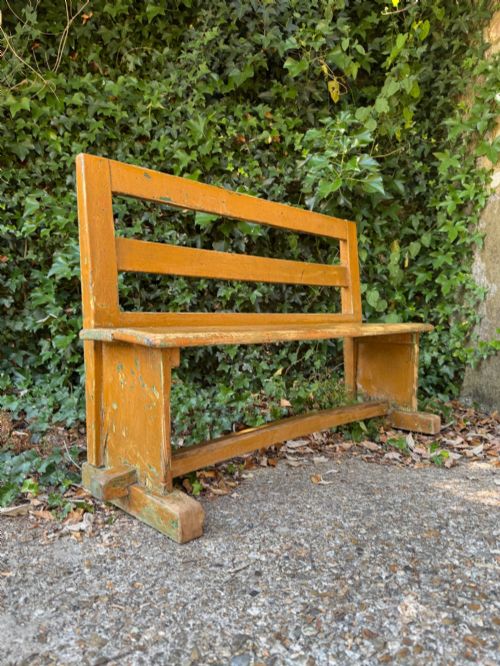
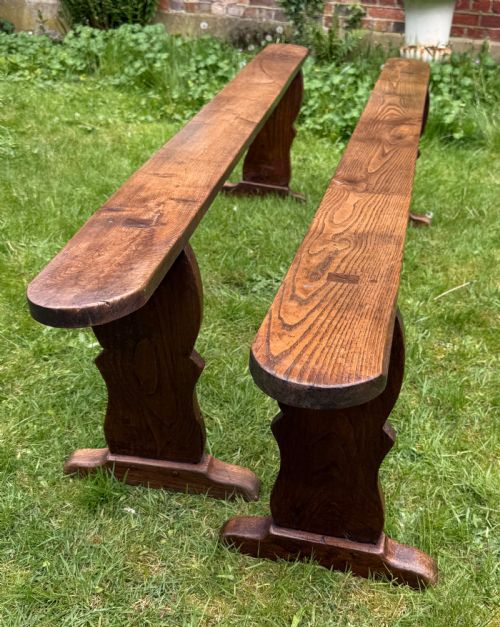
The pieces on this page span the nineteenth and early twentieth centuries, encompassing Victorian and Edwardian periods alongside continental European country styles. Examples include pairs of French fruitwood and cherry benches, pine school benches, and sturdy oak trestle forms.
Plain plank tops and trestle ends predominate, though certain examples incorporate upholstered elements like leather and velvet trim on banquettes. Lengths vary significantly, accommodating compact spaces or long tavern tables alike.
Materials and construction
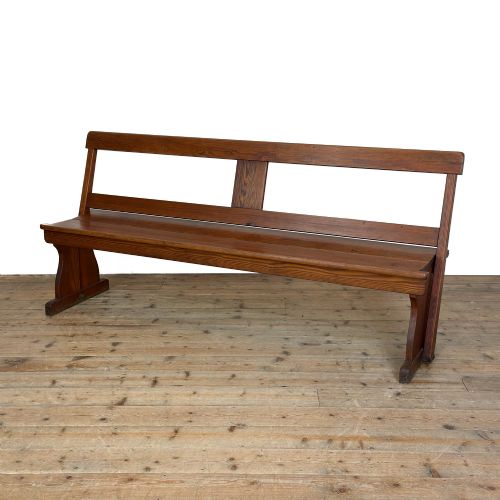
Construction relies heavily on domestic hardwoods and softwoods like pine, oak, elm, cherry, and sycamore, often shaped into thick planks and solid supports. Joinery is direct and functional, utilising pegged joints, shaped trestle ends, and sturdy aprons to withstand heavy use.
Surfaces show the marks of age and toolwork, sometimes featuring painted finishes in green or other colours alongside polished or scrubbed timber. Leather, fabric, and velvet trim appear on specific upholstered banquette variants from the turn of the twentieth century.
Vintage Dining Bench Retail Price Guide 2026
Typical asking prices for vintage dining bench among the pieces listed under this phrase on Sellingantiques today, from the lower quarter to the upper quarter. They describe what is for sale here now, not the wider market.
Several benches retain the distinct ink splatters and carved initials left behind by generations of school children and tavern patrons.
Qualities of distinction
The distinction between standard utility seating and finer examples lies in the integrity of the timber and the harmony of the proportions. Dense, aged woods like cherry, walnut, and quarter-sawn oak display superior grain and patination developed over decades of use.
The Vintage Dining Bench Glossary
- Trestle ends
- Upright supports fitted beneath a bench top, often shaped or panelled for stability. They distribute weight evenly along the length of the timber.
- Refectory bench
- A long, narrow seating form traditionally paired with a communal dining table. These pieces derive their proportions from monastic dining halls.
- Church pew
- A fixed or movable bench with a high back, enclosed sides, or simple plank seating. Pine and oak variants frequently originate from ecclesiastical settings.
- Banquette
- An upholstered bench seat designed to sit against a wall. These typically feature leather or fabric upholstery and padding.
- Patina
- The surface sheen and colour acquired by wood through age, handling, and wear. It serves as a visual indicator of authenticity.
Vintage Dining Bench: Frequently Asked Questions
How do I choose the right length?
Measure your dining table and allow space for the bench to slide underneath or sit comfortably alongside. Lengths vary from compact formats to boards exceeding two metres.
Consider whether you want the bench to match the exact length of the table or leave clearance at each end for easy access.
Are these benches suitable for daily dining?
Most of these forms were built for functional use in schools, taverns, and homes, making them robust enough for everyday seating. Solid timber construction ensures they handle regular weight without losing stability.
Pairing a hard wooden bench with loose cushions provides extra comfort during longer meals.
How do I care for antique wood?
Maintain the timber by dusting regularly with a dry cloth and avoiding excessive moisture or direct heat sources. Natural waxes help nourish older pine, oak, and fruitwoods without sealing the grain permanently.
Treating the surface gently preserves the original patina built up over generations.
How can I tell the period?
Dating relies on tool marks, timber species, and construction techniques characteristic of the nineteenth and early twentieth centuries. Victorian and Edwardian examples often display specific stylistic cues like shaped trestles or Arts and Crafts influences.
Examining the underside and joints reveals how the boards were sawn and assembled.