



Vintage Diamond Lapel Pin
A vintage diamond lapel pin brings together fine stones and intricate metalwork from past decades, offering a distinct focal point for modern tailoring.

Vintage Diamond Lapel Pin
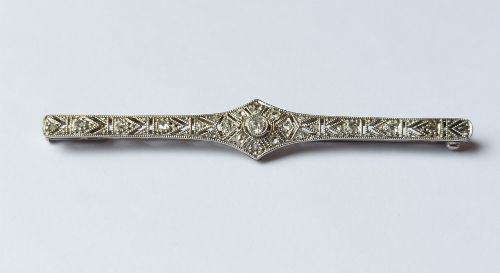
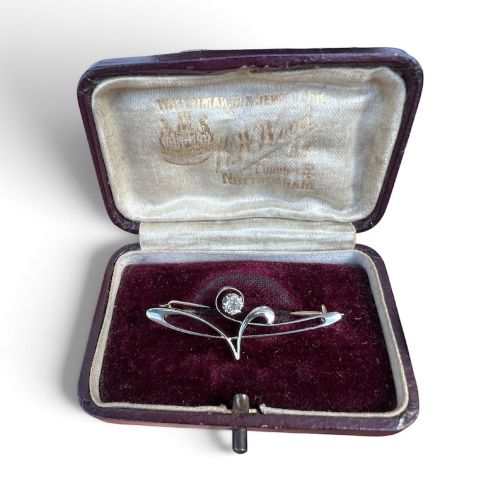
A vintage diamond lapel pin typically manifests as a bar brooch, stick pin, or sculptural dress ornament designed to fasten securely to a jacket lapel. These pieces span periods from the Victorian and Edwardian eras through the Art Deco movement and into mid-century modern design.
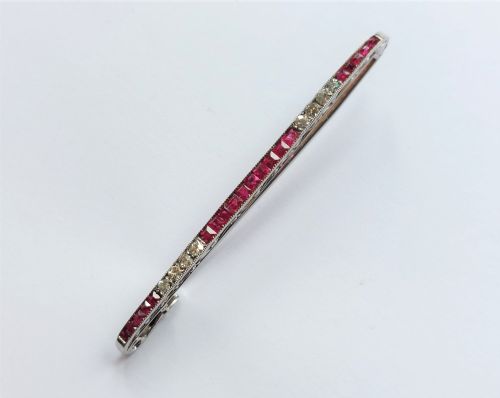
Makers utilised various precious metals, including platinum, yellow gold, white gold, and silver, often pairing diamonds with coloured stones such as rubies, sapphires, and emeralds. Forms frequently draw inspiration from nature, taking the shape of birds, insects, crescents, and floral motifs alongside geometric Art Deco layouts.
Materials and construction
Goldsmiths and platinum-smiths employed traditional hand-fabrication techniques, often combining a durable white metal upper setting like platinum or silver with a warmer gold backing to secure the stones. Stones were predominantly hand-cut, featuring rose-cut or old mine-cut diamonds that possess softer facets than modern brilliant cuts.
Enamelling techniques such as plique-à-jour also appear alongside delicate millegrain edges, where tiny beads of metal decorate the settings. Pins were engineered with secure catches or long stems intended to pass cleanly through heavy woven fabrics without causing damage.
Vintage Diamond Lapel Pin Retail Price Guide 2026
Typical asking prices for vintage diamond lapel pin among the pieces listed under this phrase on Sellingantiques today, from the lower quarter to the upper quarter. They describe what is for sale here now, not the wider market.
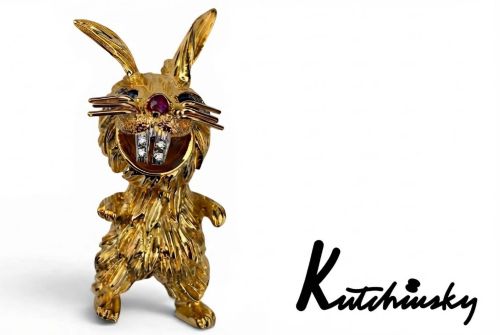
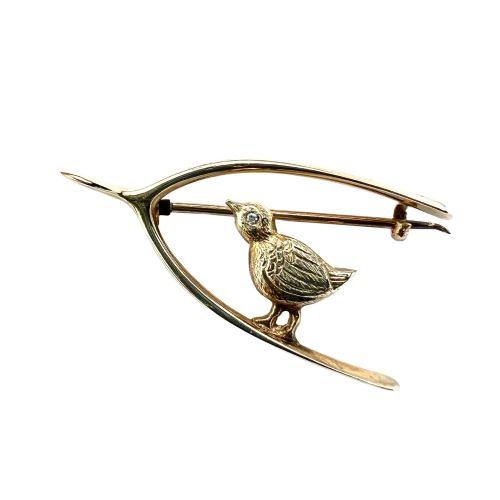
Animals large and small take metal form here, with tiny diamond-eyed owls, ducks, chicks, rabbits, and butterflies keeping watch on lapels.
Factors of quality and execution
The distinction between standard and superior pieces rests on the precision of the metalwork and the integration of the stones. Master jewellers achieved harmonious proportions where the weight of the gems matches the gauge of the gold or platinum structure, ensuring the pin sits upright and balanced when worn.
Quality also shows in the originality of the design and the stone selection, whether through matched colour saturations in multi-gem pieces or the finesse of hand-carved animal and plant forms. Well-preserved millegrain work and intact original clasps or safety chains indicate superior preservation and craftsmanship.
Kutchinsky·Ben Rosenfeld·Cartier Paris
The Vintage Diamond Lapel Pin Glossary
- Bar brooch
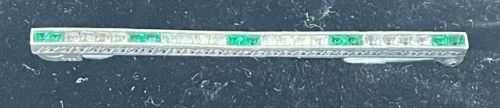
- A narrow horizontal pin featuring central gemstone embellishments. This form was especially popular during the Edwardian and Art Deco periods.
- Old-cut diamond
- A diamond cut by hand before the standardisation of modern brilliant cutting in the mid-twentieth century. These stones typically exhibit smaller tables and higher crowns.
- Millegrain
- A decorative technique involving a line of tiny metal beads along the edges of a setting. It provides a soft, textured border to platinum and gold mounts.
- Plique-à-jour
- An enamelling technique where the enamel has no backing, resembling stained glass. It allows light to pass through the transparent or translucent coloured areas.
- Stick pin
- A long pin with a decorative head designed to be pushed vertically through a tie, lapel, or scarf. The sharp end is usually secured with a small removable cap.
Vintage Diamond Lapel Pin: Frequently Asked Questions
How should I wear a vintage diamond lapel pin?
These pieces fasten easily through the buttonhole or the fabric of a heavier jacket lapel. Using a backing cap or securing the safety catch ensures the pin remains stable throughout the day.
For formal wear, a single bar brooch or stick pin adds subtle sparkle to wool or velvet tailoring without pulling the cloth.
Were these pins originally made for men or women?
Many historical pins were versatile accessories worn by both genders on cravats, lapels, waistcoats, and hats. Victorian and Edwardian stick pins and fob pieces often served practical fastening roles before transitioning into purely decorative dress items.
Mid-century designs similarly crossed boundaries, functioning as modern suit accessories or dress clips depending on the wearer's preference.
How do I identify an Edwardian pin from an Art Deco one?
Edwardian pieces generally feature lighter, organic motifs like floral garlands, bows, and animal figures set in platinum and yellow gold with millegrain detailing. They project a delicate, lace-like aesthetic.
Art Deco pins shift towards geometric symmetry, sharp lines, and stylised motifs, frequently utilising platinum paired directly with white gold and onyx accents.
What is the difference between old-cut and modern diamonds?
Old-cut diamonds were shaped by hand under candlelight or early gaslight, resulting in deeper pavilions and smaller tables. This gives them a softer, warmer scintillation compared to machine-cut modern stones.
Such stones match the age and character of Victorian and Edwardian settings authentically.