
Vintage Desk Timepiece
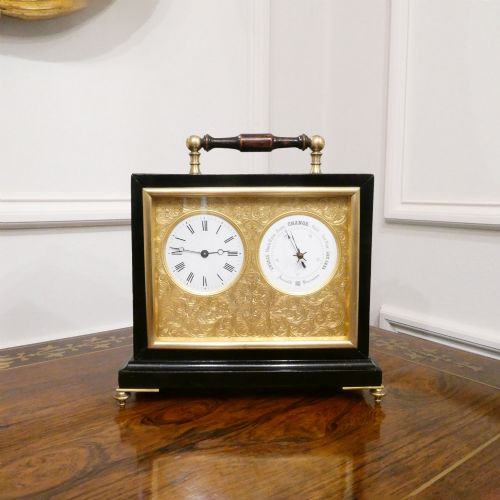
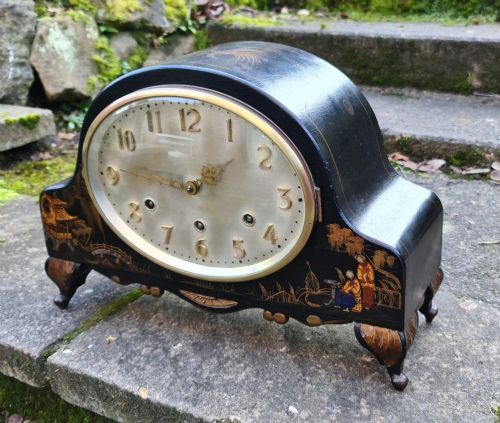
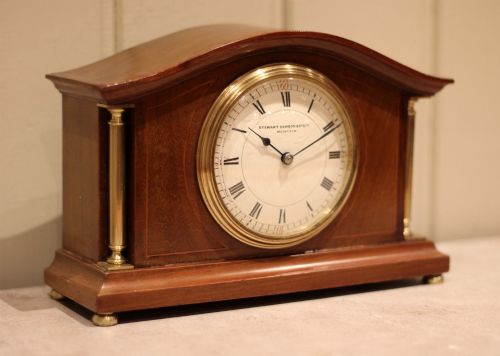
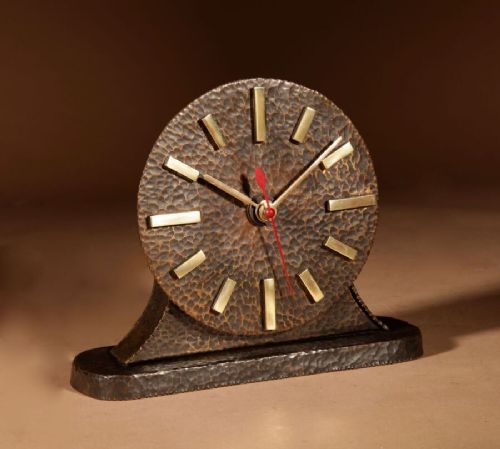
A vintage desk timepiece sits neatly on a writing table or shelf, combining practical timekeeping with the solid craftsmanship of past decades.
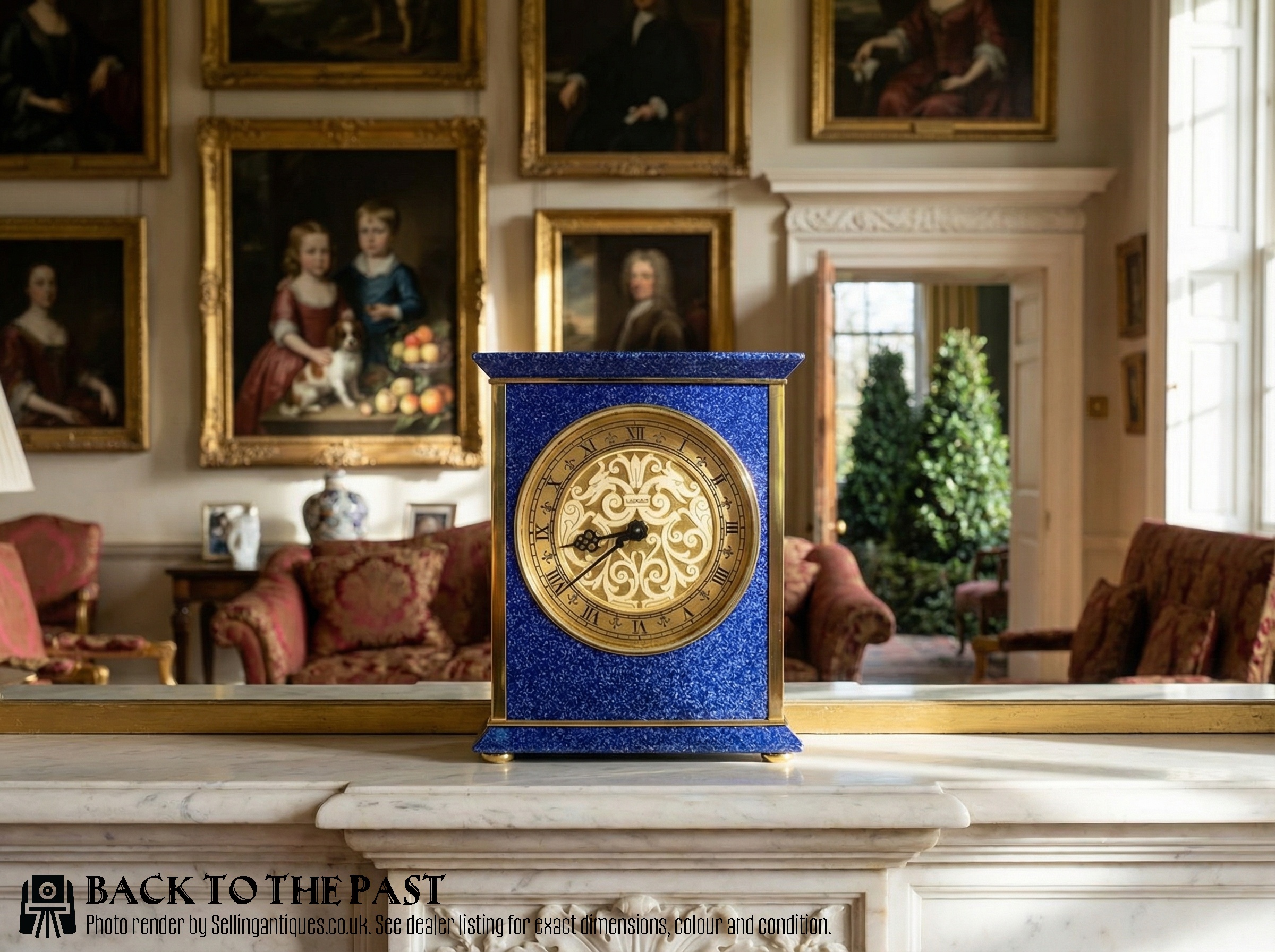
Vintage Desk Timepiece
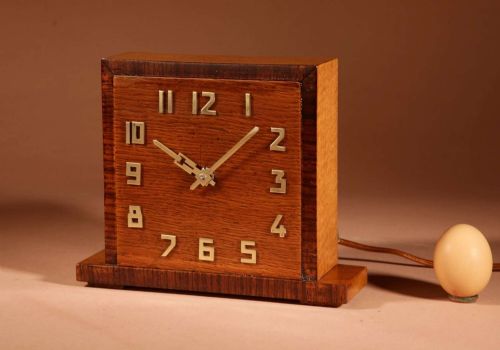
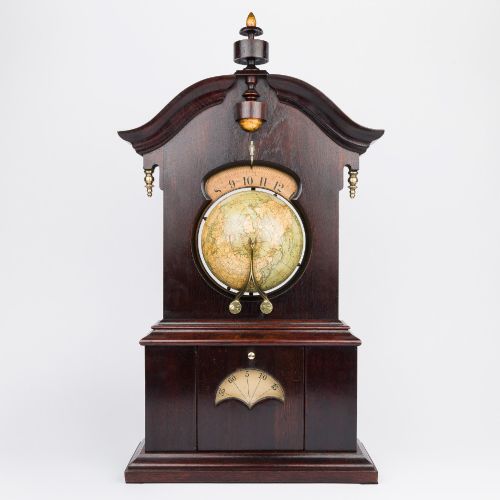
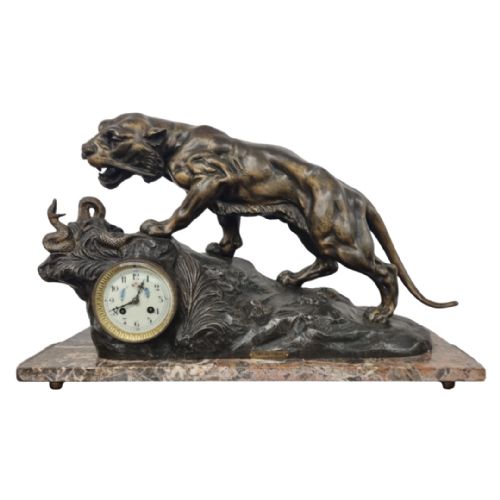
A vintage desk timepiece encompasses small clocks designed for table or desktop use, drawing from periods ranging from the Victorian era through the Edwardian years and into the 1930s Art Deco movement.
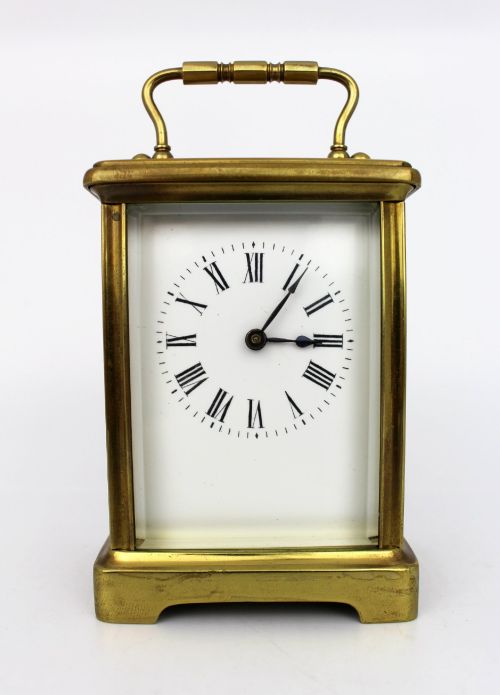
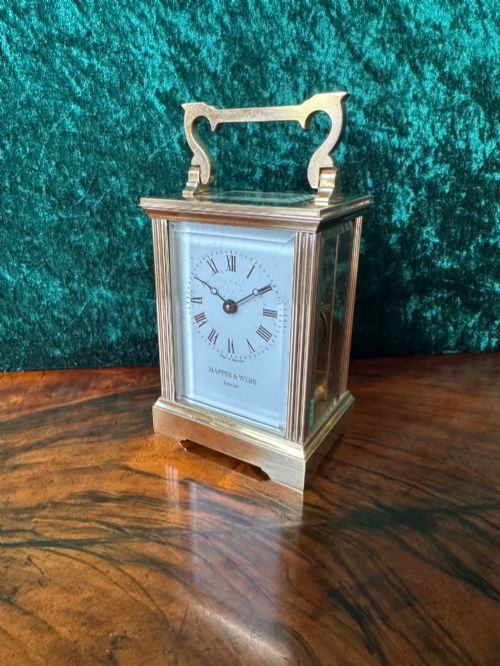
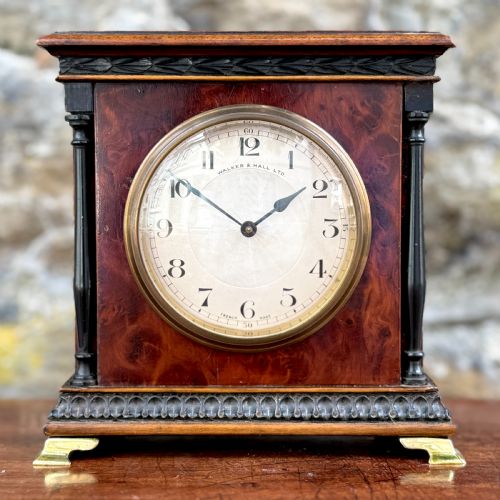
Carriage clocks in brass cases and mantel clocks in mahogany or oak appear frequently among these listings, alongside specialised pieces like pocket watches mounted for desk travel and early electrical designs.
Origins span English workshops, French foundries, and Swiss movements, reflecting the diverse manufacturing centres that supplied these portable timekeepers to offices and homes.
Materials and construction
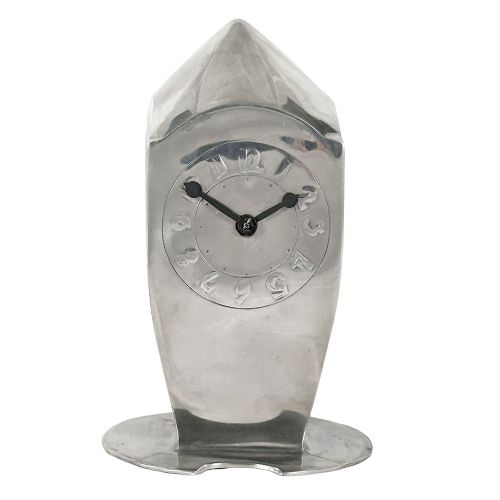
Metals form the backbone of these pieces, utilising cast brass, patinated bronze, hammered pewter, and gleaming chrome alongside traditional timber cases in mahogany, oak, and rosewood.
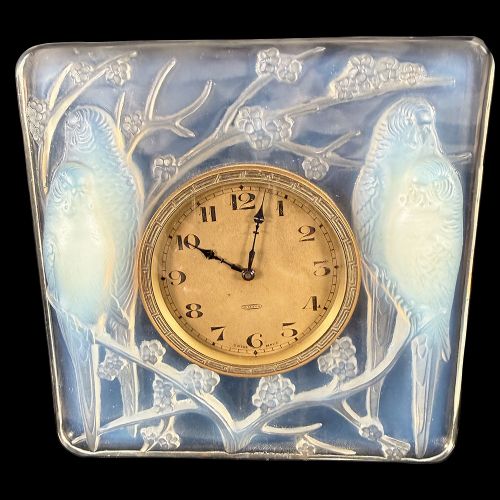
Glass panels protect delicate dials and movements in carriage styles, while specialised items incorporate porcelain mounts, opalescent pressed glass, Bakelite bases, and intricate enamel work.
Movements rely on mechanical wind-up mechanisms, Swiss escapements, or early electrical systems housed securely within architectural or figural casings.
Vintage Desk Timepiece Retail Price Guide 2026
Typical asking prices for vintage desk timepiece among the pieces listed under this phrase on Sellingantiques today, from the lower quarter to the upper quarter. They describe what is for sale here now, not the wider market.
Materials across these listings span heavy brass, cast pewter, mahogany, oak, Bakelite, and opalescent glass.
Judging the work
Distinction at the higher end rests on the crispness of casting and engraving in brass and ormolu cases, where fine detail remains sharp rather than softened by wear or secondary polishing.
Material selection divides standard production from superior examples, seen in the choice of solid hardwoods, hallmarked silver mounts, or signed Swiss and English movements.
Integrity of the dial, whether painted enamel, metal, or glass, and the presence of original matching travel cases or keys mark the difference between average items and well-preserved survivals.
Henri Jacot·Mappin and Webb·Walker and Hall·R Lalique·Archibald Knox for Liberty & Co·Jaz·Smiths Clockmakers·Mauthe·Richard Winter of Chieveley·Pickford of London·Friedrich Adler for Osiris·Maurice & Marcel Moulin Favre-Bulle
The Vintage Desk Timepiece Glossary
- Carriage clock
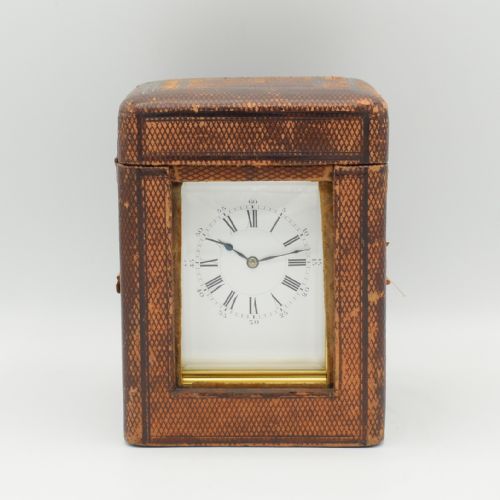
- A portable spring-driven clock with a rectangular brass case and glazed panels, originally designed for officers and travellers during the nineteenth century.
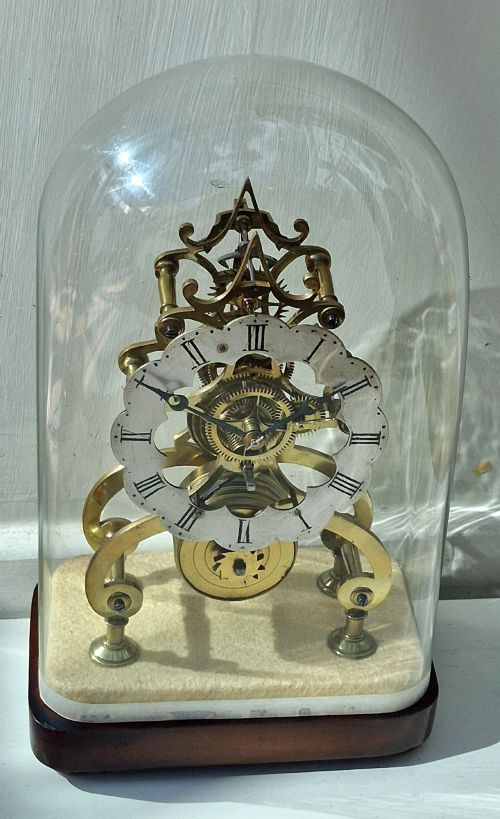
- Skeleton clock
- A timepiece with an open framework designed to expose the intricate gear train and movement to full view.
- Ormolu
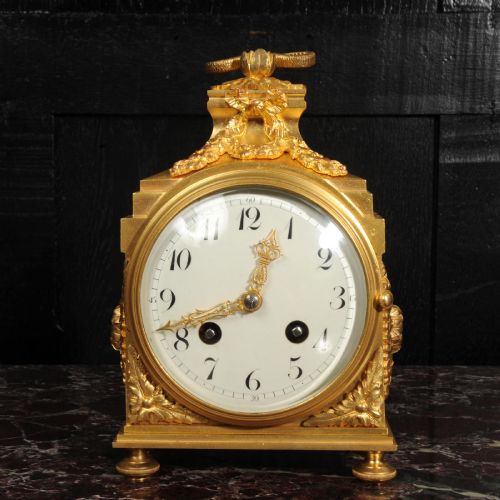
- Gilded bronze or brass created through a mercury gilding process or modern electroplating, frequently utilised on French decorative clock cases.
- Bakelite
- An early synthetic thermosetting plastic popular in the Art Deco period for clock bases and casings due to its smooth finish and rich colour range.
- Pewter
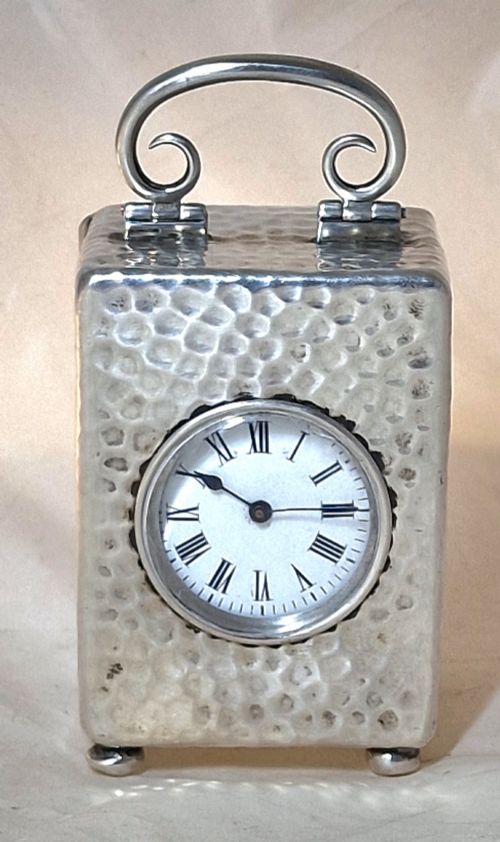
- A malleable metal alloy containing tin, used extensively during the Arts and Crafts movement for hammered clock cases with distinct surface textures.
Vintage Desk Timepiece: Frequently Asked Questions
How do I wind a mechanical desk clock?
Mechanical timepieces require a matching key or a built-in butterfly key to gently tension the mainspring until resistance is met. Overwinding can damage the internal mechanism, so care must be taken to stop as soon as the spring holds firm.
Most traditional 8-day movements need attention once a week, while 30-hour versions require daily winding to maintain accurate timekeeping.
What is the difference between a timepiece and a clock?
In horological terms, a timepiece is a device that tells the time of day but lacks any striking mechanism or chime. A clock traditionally includes bells, gongs, or chimes to sound the passing hours.
Desk timepieces were built primarily for quiet studies and offices where striking bells might prove disruptive.
How should I clean a brass carriage clock case?
Brass cases benefit from gentle dusting with a soft, dry microfibre cloth to remove surface grime without disturbing the aged patina. Aggressive commercial metal polishes can strip fine lacquering or wear down delicate corner mouldings.
If the glass panels require cleaning, apply a small amount of glass cleaner to a cloth rather than spraying directly onto the clock body.
Where were carriage clocks originally used?
Nineteenth-century travellers utilised carriage clocks within horse-drawn carriages and railway compartments to keep precise schedules on long journeys. Sturdy brass frames and protective travel cases shielded the delicate gear trains from constant motion and vibration.
As travel became easier, these portable clocks transitioned onto stationary desks and mantelpieces.