
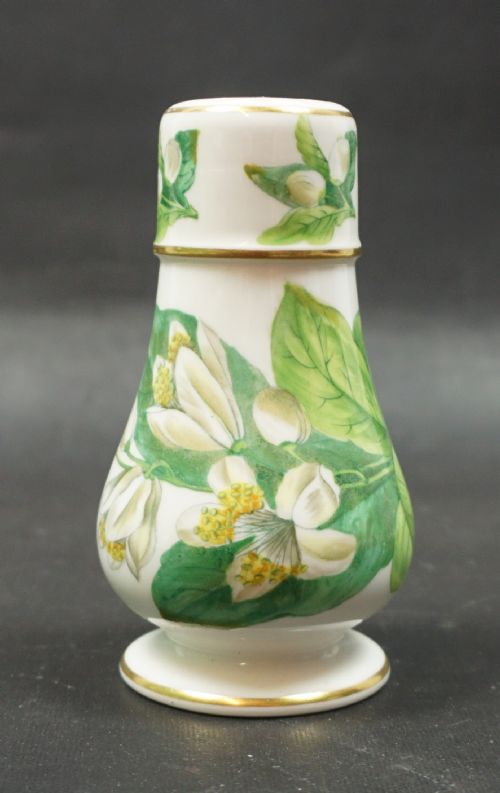


Vintage Desk Ink Pot
A vintage desk ink pot sits ready to hold your pen's ink, combining practical nineteenth and twentieth century design with lasting charm.
Vintage Desk Ink Pot
A vintage desk ink pot serves as a functional desktop container for liquid ink, designed during periods spanning the Victorian, Edwardian, and Art Deco eras. These pieces appear in forms ranging from simple glass inserts to elaborate desk sets featuring brass bases and silver mounts.
The selection here draws on nineteenth and twentieth century manufacturing, offering items such as capstan inkwells, stoneware novelties, and porcelain vessels. Buyers frequently encounter glass and sterling silver combinations alongside decorative marble and bronze examples.
Originating from English, Continental, and Chinese traditions, these desk accessories reflect the writing habits of scholars and households alike. They function both as standalone inkwells and as components of larger inkstands with original bottles.
Materials and construction
Maker construction relies on heavy materials including cut glass, crystal, and stoneware to contain liquid without leaking, paired with protective metal collars. Silver, brass, and gilt bronze provide structural support and decorative lids for the glass reservoirs.
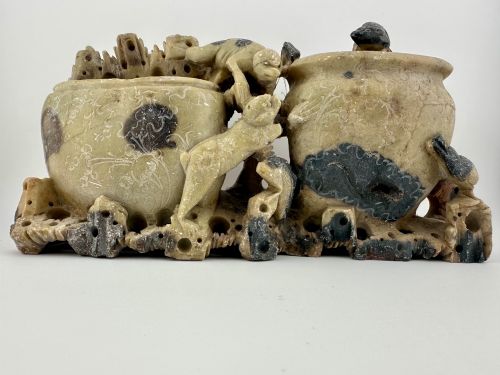
Decorative techniques incorporate guilloche enamel, hand-painted porcelain, and carved soapstone, alongside intricate silver hallmarking. Artisans shaped these components using traditional metal casting, glass cutting, and ceramic firing methods characteristic of their respective periods.
Materials span heavy cut glass, sterling silver, carved soapstone, and Staffordshire earthenware across nineteenth and twentieth-century designs.
Distinguishing quality factors
Quality rests upon the weight of the materials used and the precision of the metal mounts, where heavier silver and thick cut glass denote superior craft. The presence of original matching glass inserts and clear hallmarks elevates an example above altered or replacement assemblies.
Artistic execution dictates value, separating standard utility pieces from works displaying distinct Art Nouveau styling, fine porcelain painting, or detailed novelty carving. The integrity of delicate elements like guilloche enamel and hinged lids further distinguishes finer specimens.
Tiffany and Co·Maurice Dufrene·Kralik or Loetz·Meissen
The Vintage Desk Ink Pot Glossary
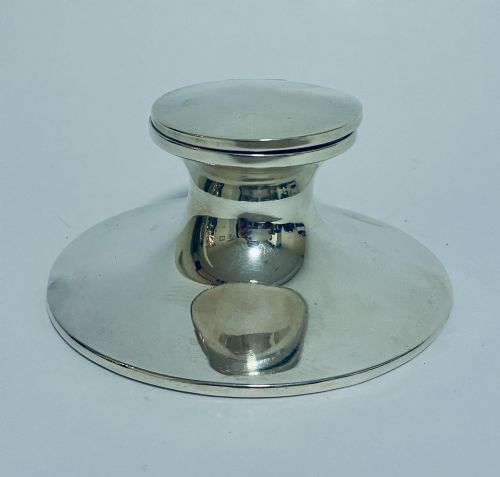
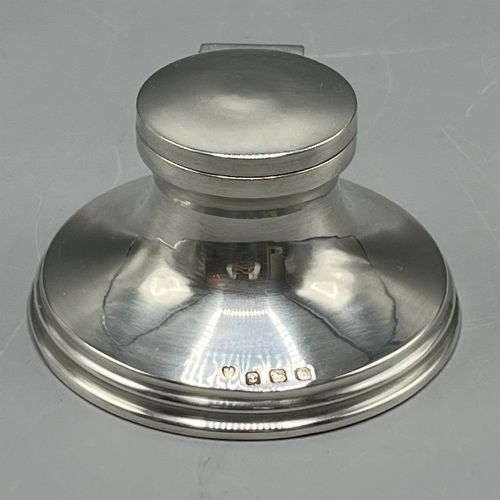
- Capstan inkwell
- A desk ink pot shaped like a ship's capstan, featuring a wide base that tapers towards the top. This shape provides stability on a moving ship or a busy desk.
- Pounce pot
- A small perforated shaker used to sprinkle resin powder over paper before writing. This prepared the rough paper surface to prevent ink from feathering.
- Inkstand
- A fitted tray or stand holding one or more ink pots alongside pen rests and sometimes a pounce pot or bell. These coordinated desk sets kept writing materials organised.
- Guilloche enamel
- A decorative technique where enamel is applied over engine-turned metalwork. The repeating geometric patterns beneath the translucent coloured glass create depth.
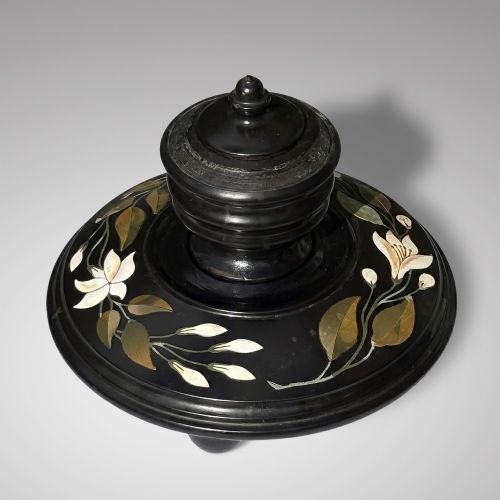
- Ashford marble
- A Derbyshire limestone inlaid with mineral fossils and other stones to create floral patterns. It appears frequently on nineteenth-century desk stands and ornaments.
Vintage Desk Ink Pot: Frequently Asked Questions
How do I date a silver inkwell?
Silver inkwells carry city assay marks, date letters, and maker's marks stamped directly onto the metal mount or lid. Consulting a British hallmark guide reveals the exact year of testing.
Style also offers clues, as clean geometric lines point to the nineteen-thirties, while flowing plant motifs suggest the turn of the twentieth century.
What is a pounce pot?
A pounce pot held fine powder made from sanded cuttlefish bone or sand, which writers dusted over parchment before applying ink. This dried the surface and stopped the ink from spreading.
These small shakers frequently appear alongside ink pots on nineteenth-century desk stands.
Can I use these ink pots for writing?
Glass and ceramic ink pots remain fully functional for holding modern fountain pen ink if the interior shows no cracks. You should check that any hinged lid seals properly against the collar.
Silver-mounted glass wells require gentle cleaning to protect the historic metal and any paper liners inside the base.
Why do some inkwells have two pots?
Double inkwells allowed writers to keep black and red ink ready for bookkeeping and editing. They also accommodated different writing fluids or shared desks in offices and libraries.
These larger desk accessories often incorporate pen trays and stamp boxes into a single base.