


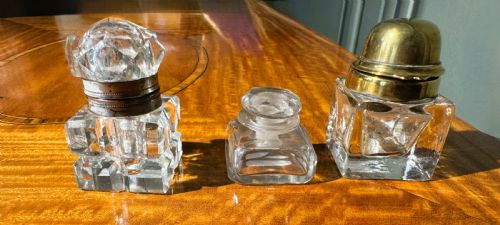


Edwardian Desk Inkwell
An edwardian desk inkwell brings tactile ceremony to correspondence, grounding a writing table in solid silver, glass or warm oak.
Edwardian Desk Inkwell
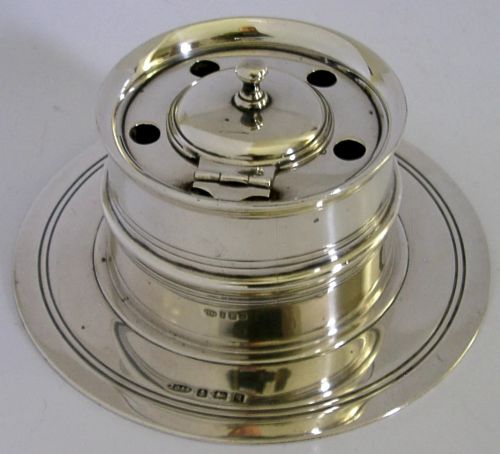
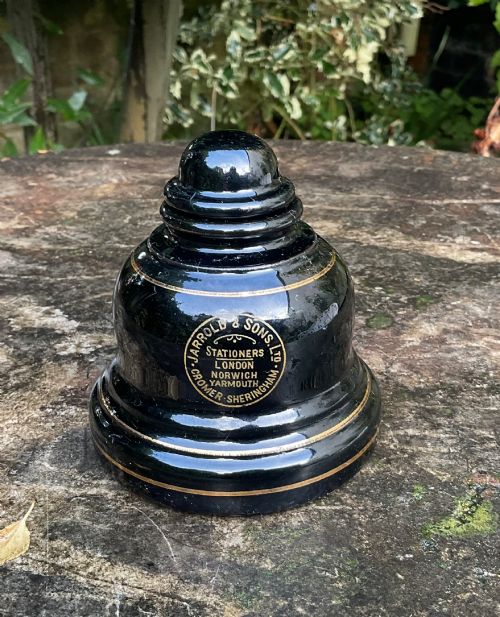
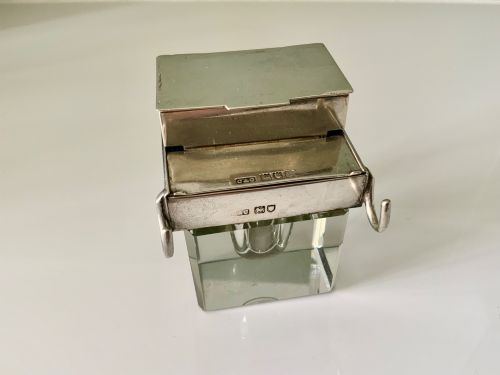
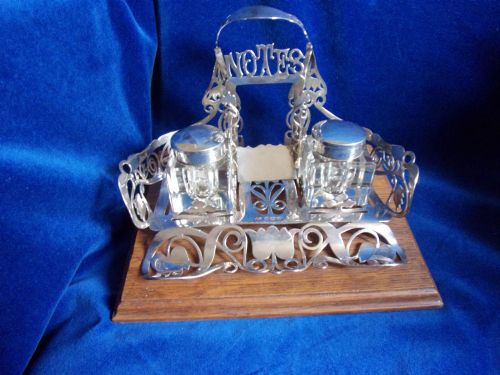
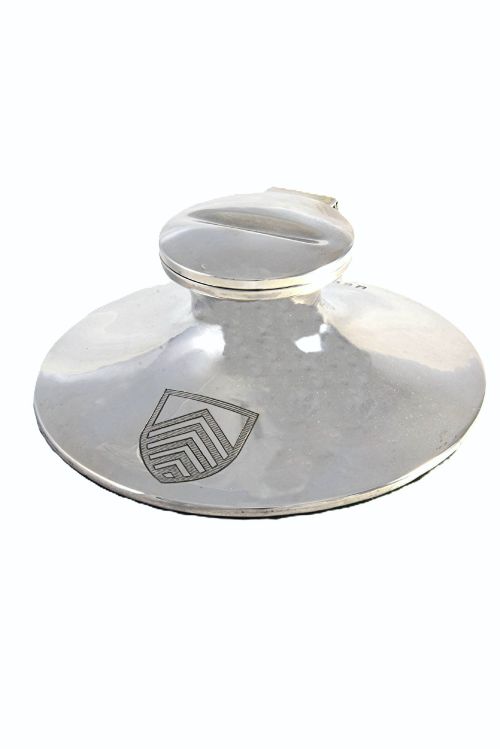
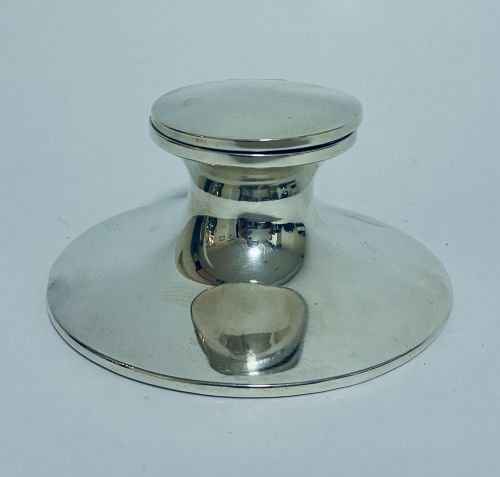
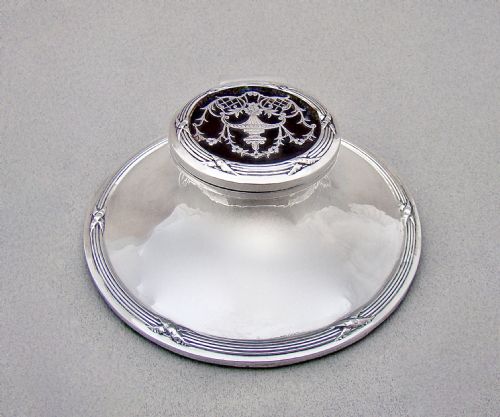
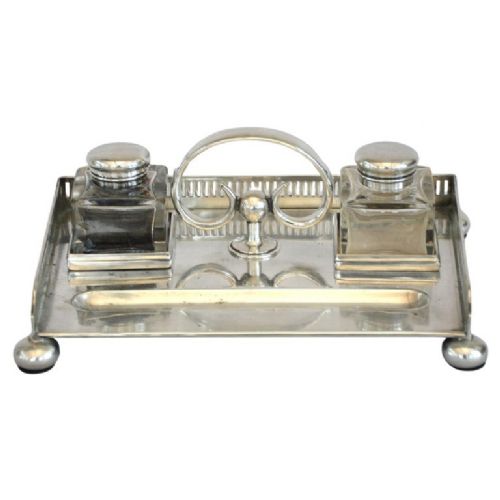
When searching for an edwardian desk inkwell, one encounters everything from simple glass wells with sterling silver mounts to broad capstan shapes and double inkstands fitted with pen trays. Many pieces date from the Edwardian decades and the late Victorian period, though earlier nineteenth-century examples and occasional 1920s pieces appear.
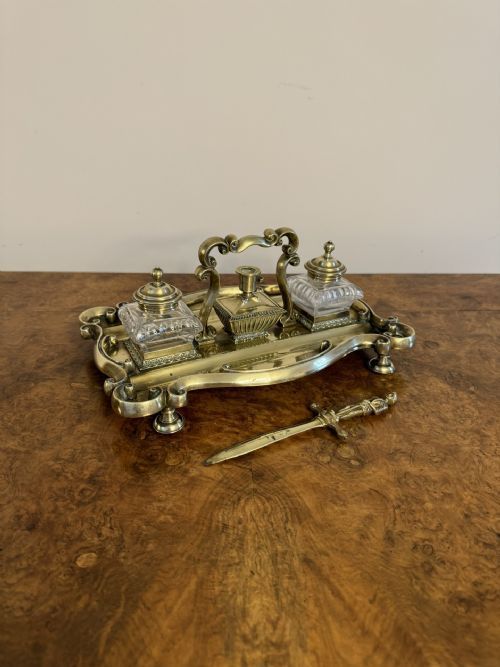
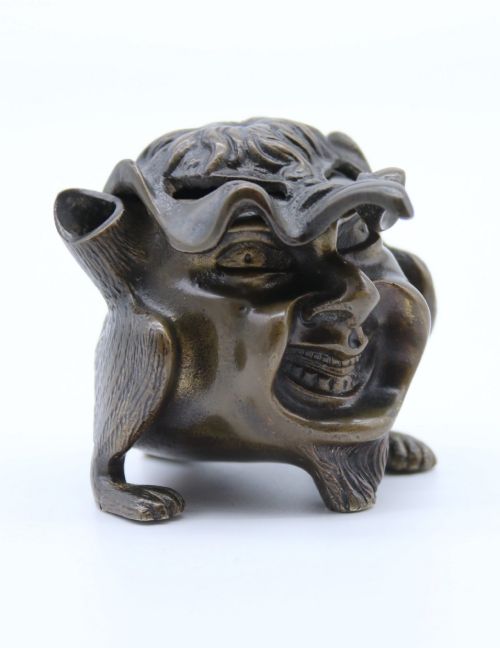
The assortment spans utilitarian desk tidies in oak or brass alongside elaborate novelty silver pieces, French bronze grotesque creatures, and horn or hoof desk accessories.
Double inkstands and larger desk sets incorporate matching cut glass pots or porcelain inserts, while standalone capstan models rely on weight and proportion for their desk presence.
Materials and Technique
Makers shaped heavy sterling silver and silver plate into sweeping capstan profiles and hinged collars, often combining them with cut glass, tortoiseshell, or guilloche enamel medallions.
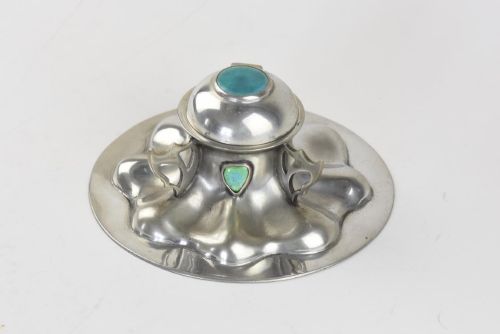
Brass, copper, and polished pewter provide the foundation for Arts and Crafts and Art Nouveau desk stands, sometimes accented with Ruskin cabochons, onyx, or lapis lazuli.
Timber versions utilise solid oak or rosewood, housing fitted drawers, brass galleries, and ceramic ink pots with matching lids.
Edwardian Desk Inkwell Retail Price Guide 2026
Typical asking prices for edwardian desk inkwell among the pieces listed under this phrase on Sellingantiques today, from the lower quarter to the upper quarter. They describe what is for sale here now, not the wider market.
Desk accessories occasionally took unusual zoological forms, including taxidermy hooves and bronze grotesque creatures.
Assessing the Workmanship
Quality rests in the substantial weight of the silver or bronze and the crispness of cast decorative details like floral chasing or organic Art Nouveau whiplash lines.
The integration of materials dictates distinction, visible in the precision fit of silver collars onto heavy cut glass pots and the retention of original glass inserts and liners.
Makers such as William Hutton or Henry Matthews signal high standards through fully legible hallmarking and robust structural joinery in desk stands and companion drawers.
William Hutton·Henry Matthews·Walker And Hall·Tiffany And Co
The Edwardian Desk Inkwell Glossary
- Capstan inkwell
- A desk inkwell shaped like a ship's capstan, widening toward a stable base. This profile allows a wide footprint to prevent tipping on a busy desk.
- Inkstand
- A tray or stand holding one or more inkwells, often incorporating pen rests and stationery compartments. These larger desk accessories centralise writing implements.
- Guilloche enamel
- Decorative metalwork covered with translucent enamel over an engine-turned geometric pattern. It adds colour and reflective depth to silver lids and mounts.
- Ruskin cabochon
- A polished, unfaceted ceramic stone produced by the Ruskin pottery. These colourful ceramic inserts characterise Arts and Crafts metalwork.
- Standish
- A traditional desk stand or inkstand containing ink pots, sanders for drying ink, and pen trays. This portable writing equipment dates back centuries.
Edwardian Desk Inkwell: Frequently Asked Questions
What is a capstan inkwell?
A capstan inkwell is a desk accessory modelled after the nautical device used for hauling anchors, featuring a broad base that tapers inward toward the top. This wide footprint provides stability when dipping a pen.
Most examples in silver or plate date from the Edwardian period, combining a heavy weighted bottom with a hinged lid.
How do I distinguish Edwardian from Victorian inkstands?
Victorian desk stands often display heavier, more ornate cast brass or solid silver ornamentation with dense floral motifs. Edwardian examples tend toward lighter proportions, cleaner lines, and influences from the Arts and Crafts and Art Nouveau movements.
Hallmarks and date letters on silver mounts offer the most reliable confirmation of manufacture.
Are glass liners original?
Original glass or ceramic liners fit snugly within the metal collars and match the intended depth of the inkwell. Replacements often sit loosely or differ slightly in clarity and thickness.
Finding an inkwell with its original glass insert preserves the integrity of the piece.
How were these inkwells used?
These pieces sat upon writing tables and desks in homes and offices to hold liquid ink for dip pens. Desk stands frequently included integrated pen trays, stamp boxes, or small drawers for nibs.
They served as both functional daily tools and ornamental desk furniture.