
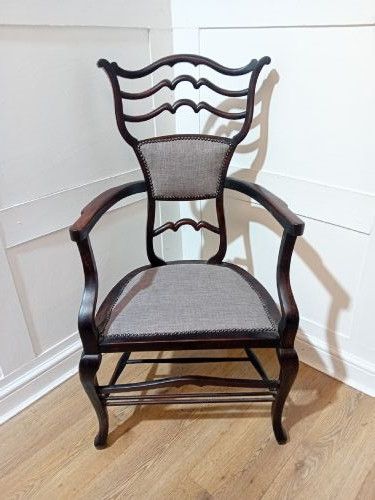


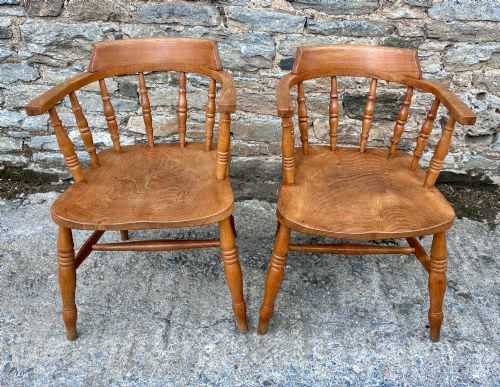
Vintage Desk Armchair
These vintage desk armchairs span practical office seating and library chairs, offering sturdy support and classic period timber construction for daily work.
Vintage Desk Armchair
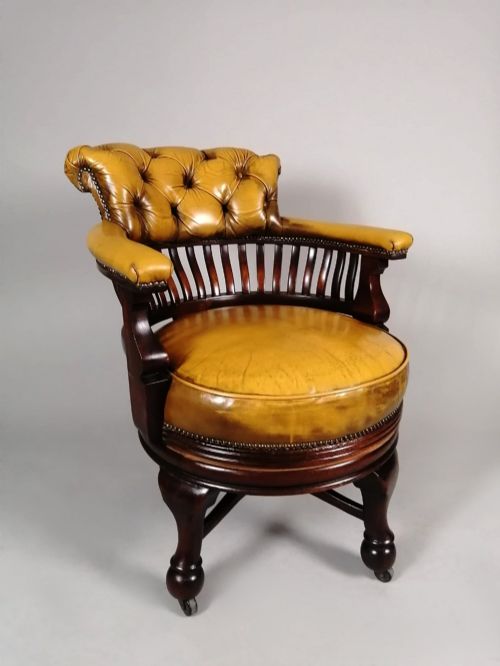
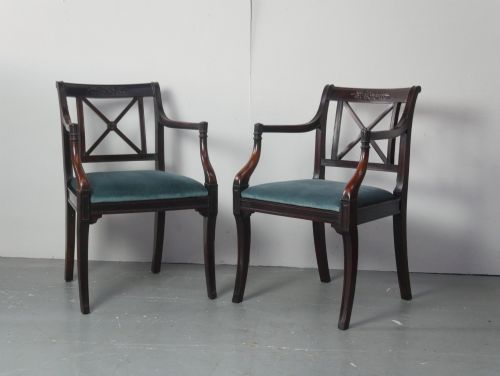
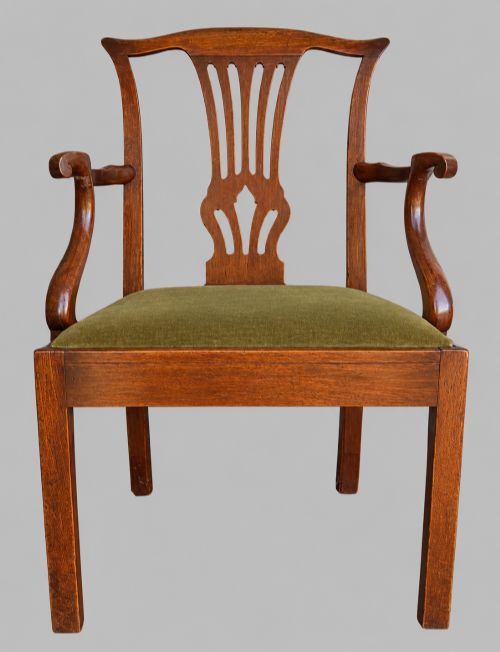
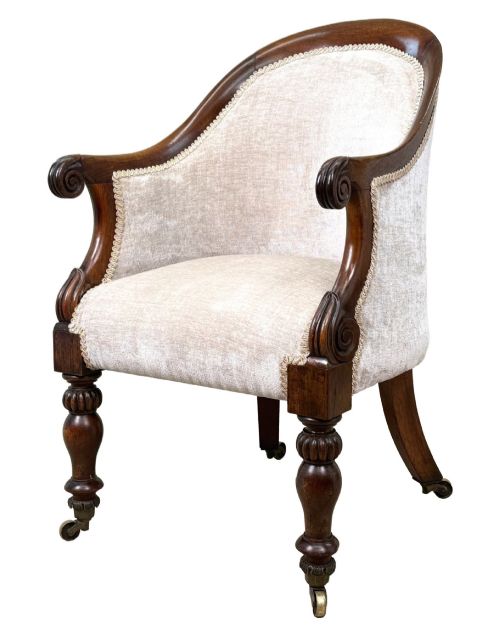
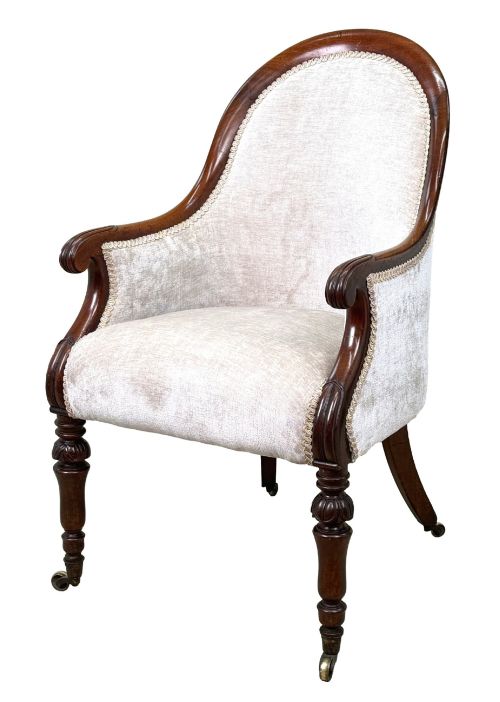
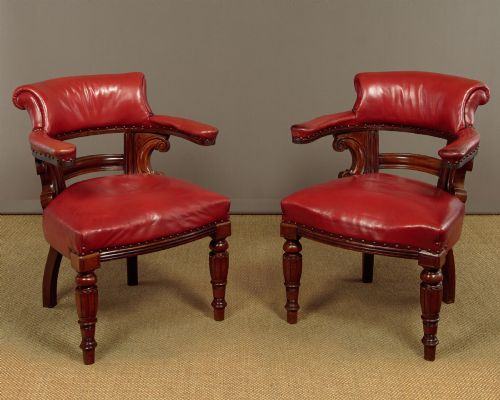
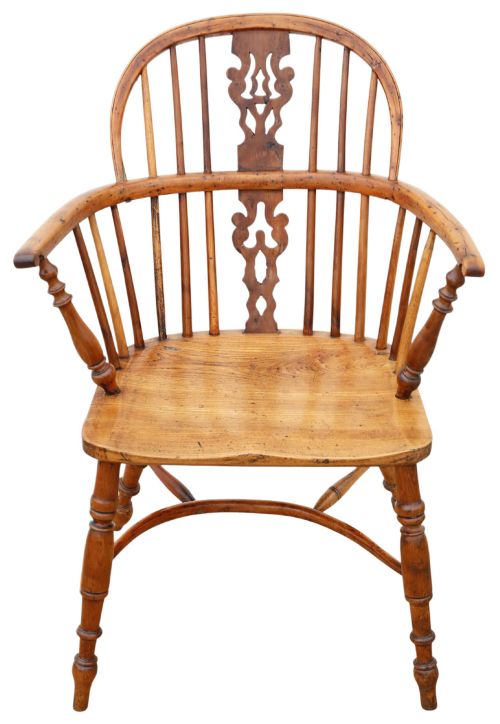
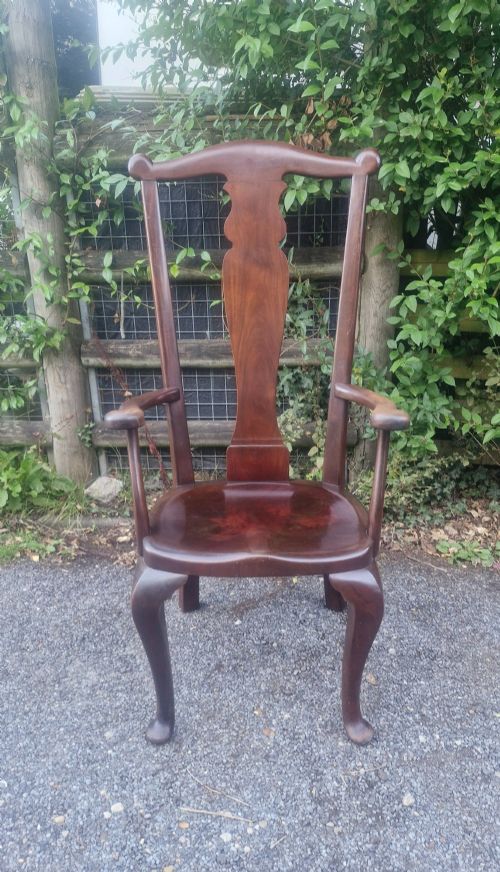
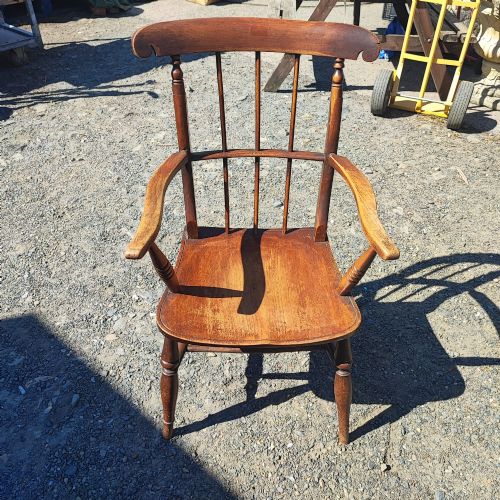
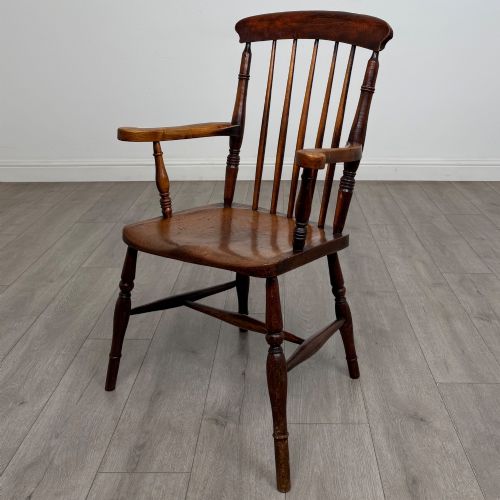
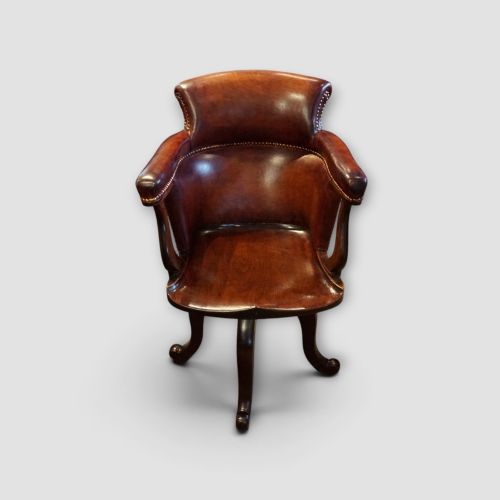
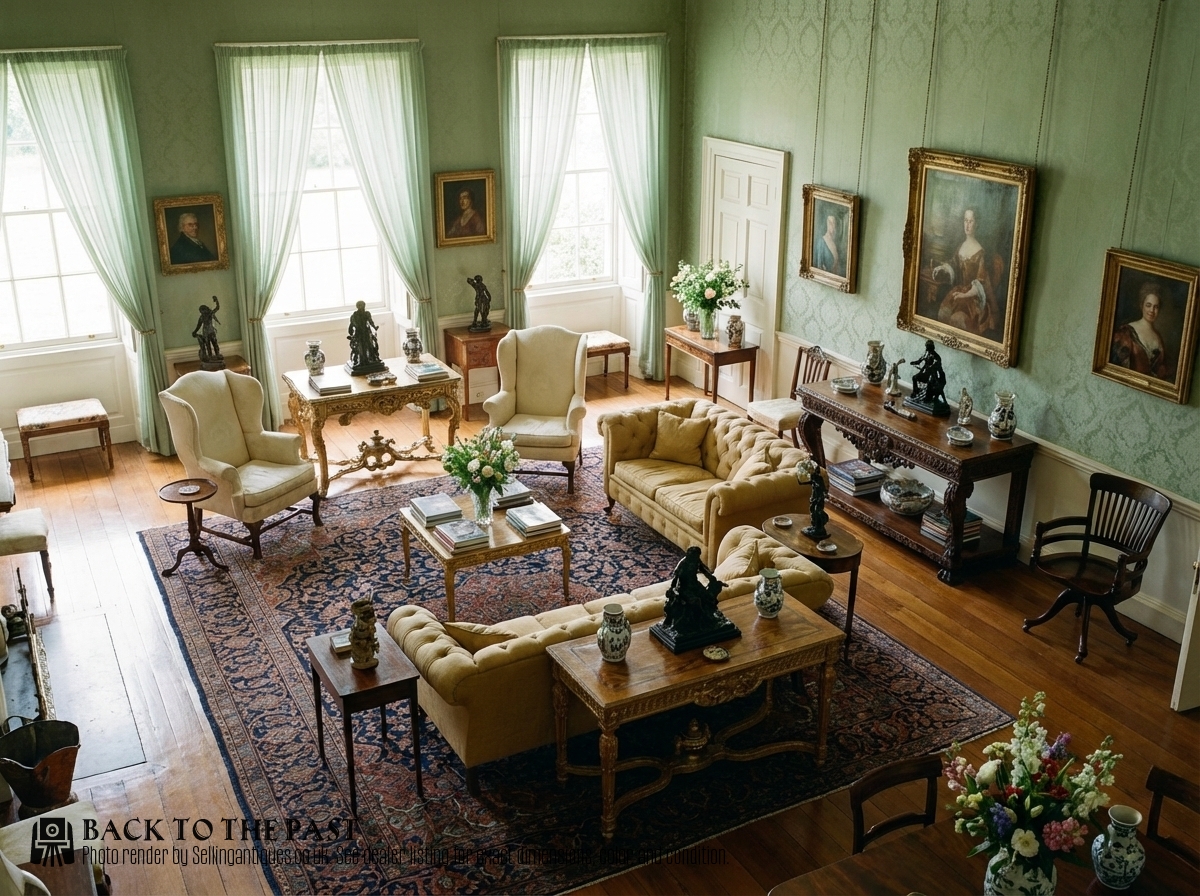
A vintage desk armchair bridges the gap between domestic comfort and functional workspace utility, appearing across diverse periods from the nineteenth century through the early decades of the twentieth. Buyers encounter forms ranging from revolving office chairs with timber frames to solid elm Windsor captains chairs and mahogany library armchairs upholstered in leather.
Makers historical and regional adapted these seating forms for writing, reading, and administrative tasks, resulting in varied back heights and swivel mechanisms. The examples present enduring craftsmanship suited to daily professional use.
Materials and construction
Cabinetmakers utilised hardwoods such as mahogany, oak, walnut, and rosewood for structural frames, frequently combining them with supple leather upholstery for writing surfaces and seat pads. Country workshops favoured native timbers like elm, ash, and beech, employing steam bending and traditional joinery for Windsor and captain chair forms.
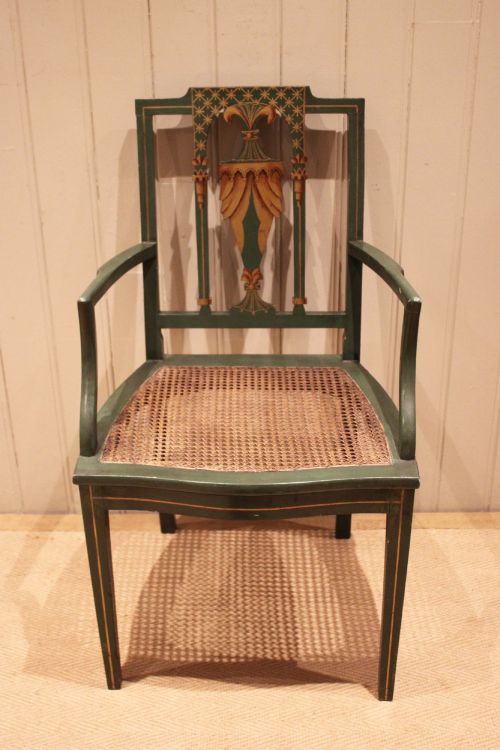
Metal components appear selectively in swivel desk mechanisms and brass castors, while cane seating panels offer lightweight alternative textures in specific Edwardian and later pieces. Surface treatments rely on polished timber finishes that highlight the natural grain of the wood.
Vintage Desk Armchair Retail Price Guide 2026
Typical asking prices for vintage desk armchair among the pieces listed under this phrase on Sellingantiques today, from the lower quarter to the upper quarter. They describe what is for sale here now, not the wider market.
Materials recorded across the inventory include mahogany, leather, elm, brass, oak, fabric, beech, ash, rosewood, walnut, and birch.
Judging construction and finish
The distinction between standard examples and top tier pieces rests on timber selection, structural rigidity, and the preservation of original mechanisms. Superior mahogany and oak frames exhibit tight joinery, balanced proportions, and careful hand finishing.
Leather upholstery quality and the integrity of swivel actions or bentwood framing significantly influence the overall standard. Examples retaining patinated original surfaces outrank those with heavy modern alterations.
J Spencer·Alfred Allen of Birmingham
The Vintage Desk Armchair Glossary
- Windsor chair
- A wooden chair built with a solid sculpted seat into which the legs and back spindles are raked and wedged. This form relies on traditional timber framing without heavy upholstery.
- Carver
- An armchair designed to match a set of dining chairs, typically positioned at the head of a table. These pieces share stylistic traits with their smaller side chair counterparts.
- Tub chair
- An armchair featuring a continuous curved back and armrest rail enclosing the sitter. The enclosed shape provides supportive enclosure during reading or writing.
- Bentwood
- Wood softened by steam and bent into curved structural forms. This technique creates lightweight and resilient frames particularly visible in early twentieth century designs.
- Revolving chair
- A seat mounted on a central spindle or pivot mechanism allowing rotation. These forms facilitate movement in office and library environments.
Vintage Desk Armchair: Frequently Asked Questions
How do I identify a Victorian desk chair?
Victorian examples frequently utilise golden mahogany, oak, or walnut, often featuring revolving swivel mechanisms or leather upholstery.
Look for robust timber frames combined with deep buttoning or turned spindle supports typical of the nineteenth century.
Were these chairs used only for offices?
While many served in professional offices and studies, others functioned as library armchairs, morning room seats, or dining carvers.
Domestic spaces utilised these supportive armchairs for reading, writing, and general relaxation.
What woods are most common?
Mahogany and oak dominate formal library and office chairs, offering dark or golden grain patterns.
Country vernacular pieces typically employ elm, ash, and beech for sturdy regional construction.
How do I care for leather seats?
Maintain leather upholstery by keeping it away from direct sunlight and applying appropriate conditioning balms periodically.
Avoid excessive moisture and dust the surface regularly with a soft dry cloth.