




Vintage Defence Walking Stick
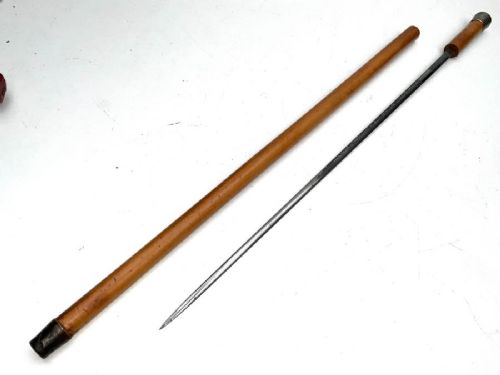
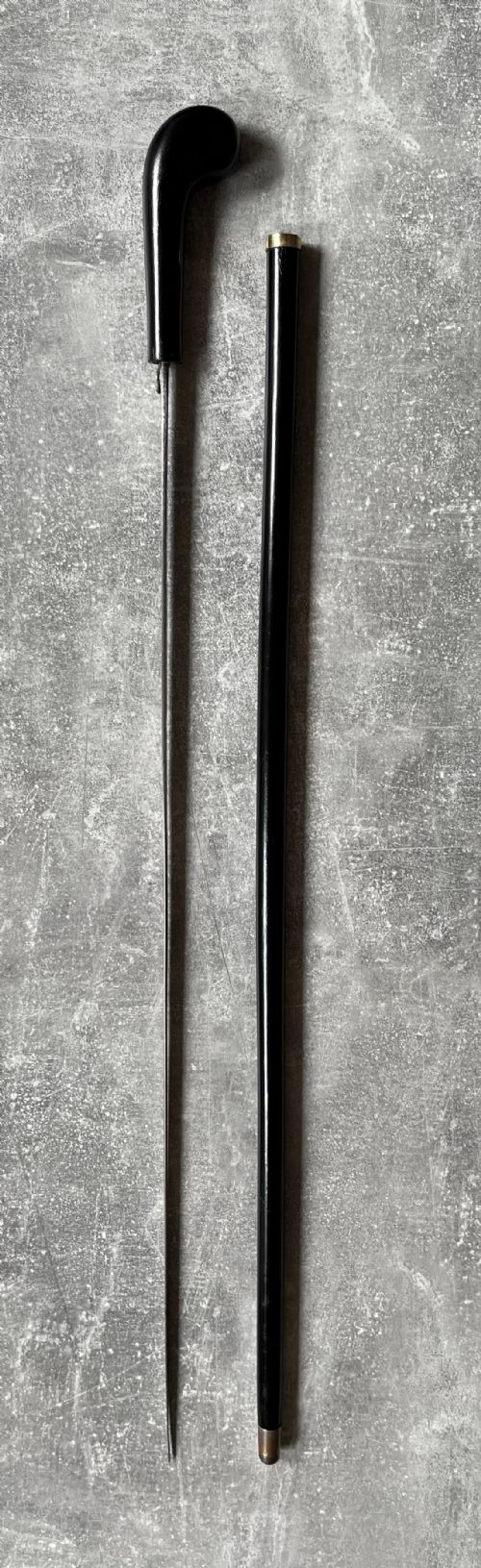
These vintage defence walking stick examples are concealed blade canes from the Victorian and Edwardian eras, combining daily support with hidden protection.
Vintage Defence Walking Stick
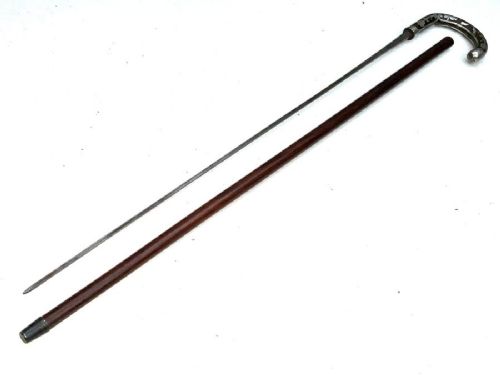
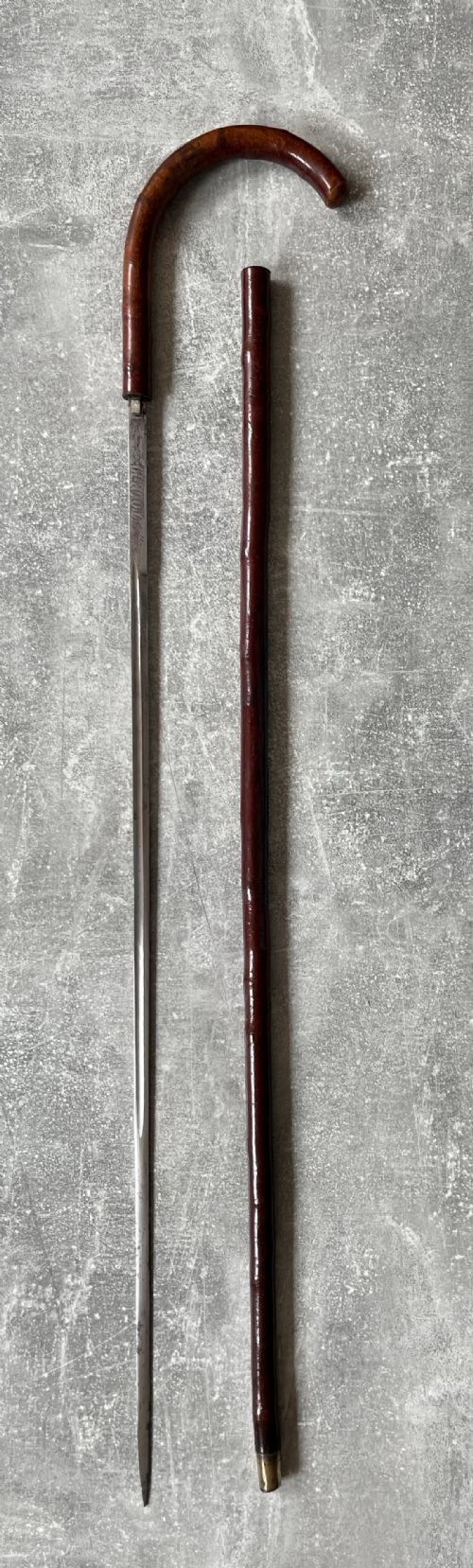
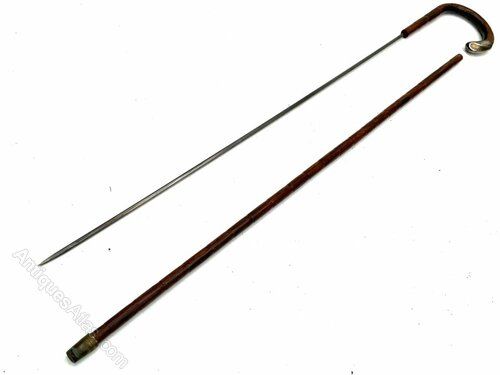
A vintage defence walking stick takes the form of a gentleman's walking cane housing a concealed steel blade within the shaft. These pieces emerge primarily from the Victorian and Edwardian periods, stretching from the 1870s through to the 1930s.
The most common versions on this page utilise materials such as partridge wood, malacca, ebonised wood, and bamboo for the outer shaft. Handles vary widely, ranging from simple crook grips to silver horses heads, horn, bone, and antler.
Materials and construction
The outer shafts utilise natural woods and canes like partridge wood, malacca, bamboo, chestnut, and Irish blackthorn, often paired with silver collars or mounts. Some sticks feature horn, bone, or antler handles attached to the main body.
Internal blades are forged from steel, frequently incorporating Toledo or Wilkinson blades designed to slide securely into the wooden housing. Metal components and silver mounts provide structural reinforcement to the handle joints.
Listings feature defensive canes spanning the Victorian and Edwardian eras, utilising steel blades housed in woods like partridge wood, malacca, and ebonised timber.
Assessing quality in defence canes
Quality separates ordinary utility pieces from finer examples through the selection of handle materials, such as solid silver mounts or carved bone and horn knops. The integration between the wooden shaft and the handle determines how cleanly the piece conceals its internal blade.
Blade construction also dictates the grade of the piece, with named maker blades like Toledo or Wilkinson representing superior manufacturing standards. The choice of dense woods like partridge wood or malacca rather than standard pine or basic timber indicates a higher tier of production.
Brigg·Wilkinson
The Vintage Defence Walking Stick Glossary
- Sword stick
- A walking cane containing a concealed metal blade within its wooden shaft. This design allowed gentlemen to carry covert protection during the Victorian and Edwardian eras.
- Toledo blade
- A steel blade originating from Toledo, Spain, known for its historic sword-making tradition. These blades appear in several nineteenth and twentieth-century defence sticks.
- Malacca
- A type of rattan cane featuring distinctive rings or nodes along the stem. It is valued for its flexibility and strength in walking stick construction.
- Partridge wood
- A dense, heavily mottled timber utilised for walking stick shafts. Its distinctive speckled grain makes it easily identifiable among nineteenth-century canes.
- Silver collar
- A metal band encircling the join between the handle and the shaft. These mounts often bear hallmarks indicating the year and location of manufacture.
Vintage Defence Walking Stick: Frequently Asked Questions
What is a vintage defence walking stick?
A vintage defence walking stick is a gentleman's walking cane fitted with a concealed steel blade inside the wooden shaft. These pieces date primarily from the late nineteenth and early twentieth centuries.
They combine the appearance of a standard walking aid with hidden protection, utilising materials like malacca, partridge wood, and silver mounts.
How do you reveal the blade?
The blade is typically housed securely inside the wooden body of the cane and is revealed by pulling the handle straight out from the shaft. A snug fit ensures the blade remains firmly in place during normal walking use.
Many examples rely on a friction fit or a slight twist-and-pull mechanism to release the handle from the collar.
How are different periods identified?
Periods are identified through a combination of style markers, material choices, and occasional silver hallmarks on the collars. Victorian and Edwardian examples often feature distinct handle carvings and specific wood types.
Items stamped with specific makers or assay office dates provide clear chronological markers for dating the piece.
How do you care for these sticks?
Care involves keeping the wooden shaft and metal components clean and dry to prevent degradation of the natural materials. Regular light conditioning of woods like malacca or partridge wood preserves the finish.
The internal steel blade should be kept clean and lightly oiled to maintain the metalwork over time.