

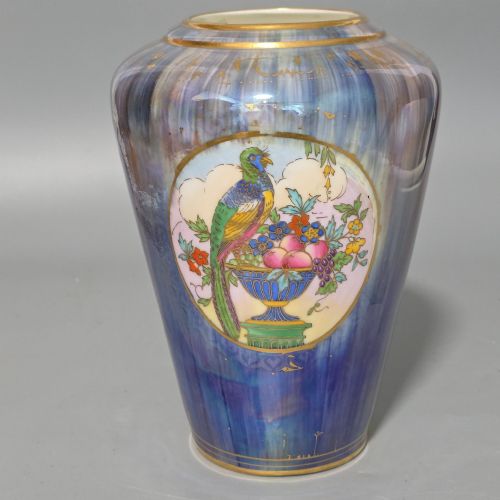


Vintage Decorative Porcelain Urn
These vintage decorative porcelain urn pieces bring historic European and Asian craftsmanship into a room.
Vintage Decorative Porcelain Urn
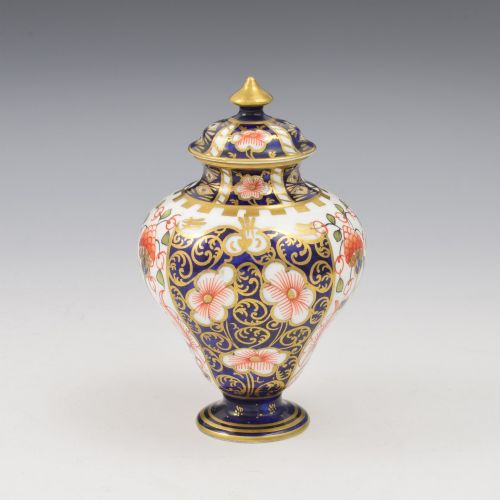
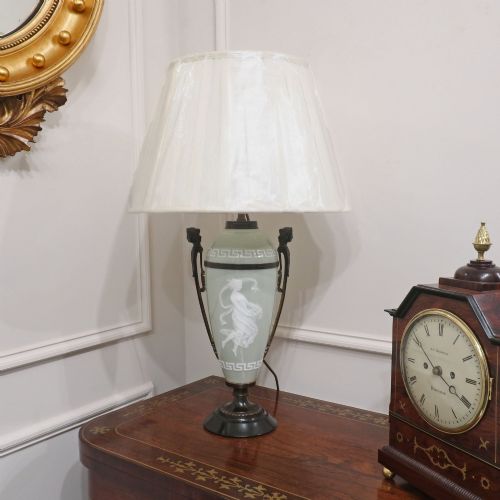
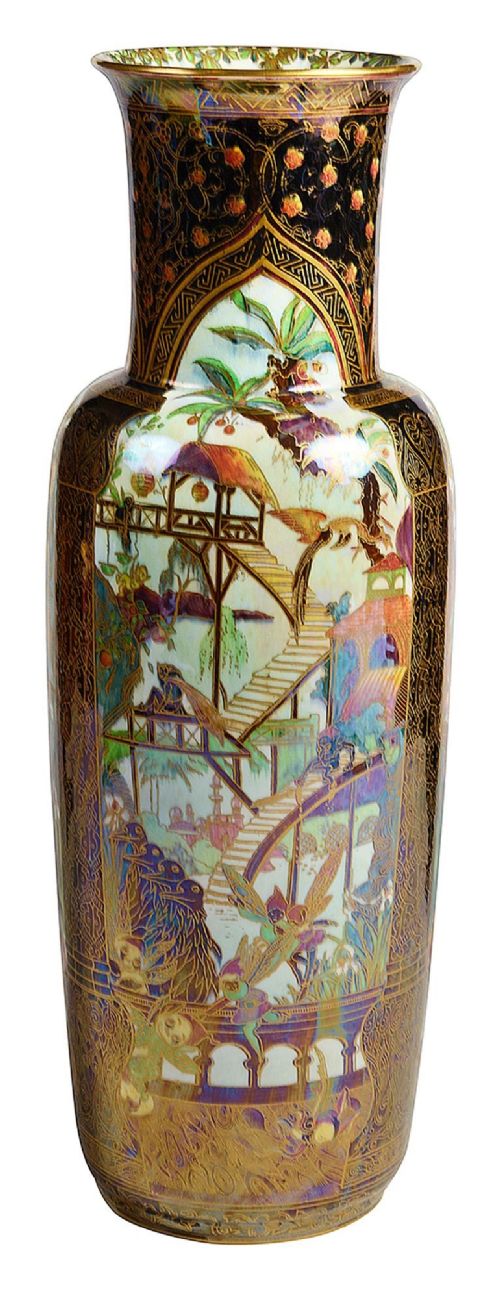
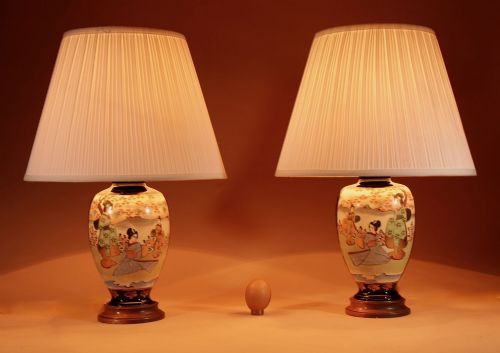
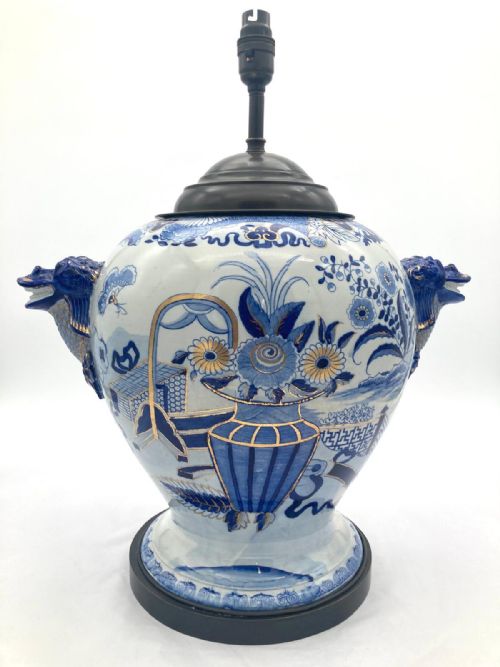
A vintage decorative porcelain urn serves as an ornamental centrepiece, often taking the form of a lidded jar, handled vessel or converted table lamp. When searching for this phrase, collectors encounter pieces spanning the nineteenth century through the mid-twentieth century, including Japanese Satsuma and Imari wares alongside English and French productions.
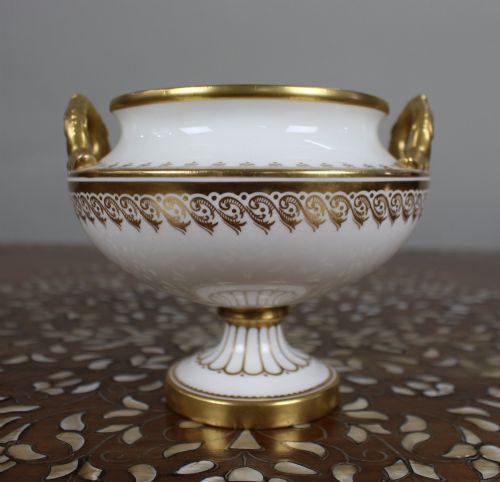
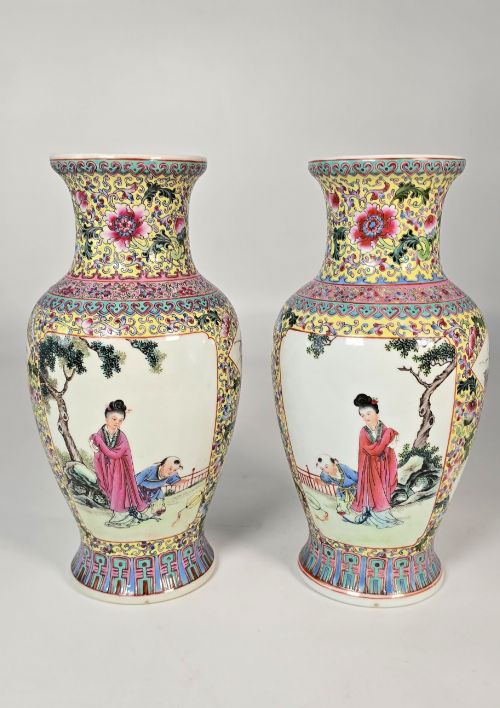
The selections on this page highlight forms such as twin-handled vessels, ginger jars and pot pourri containers. Many examples reflect specific historical styles including Victorian, Edwardian, Art Deco and Meiji period aesthetics.
Materials and construction
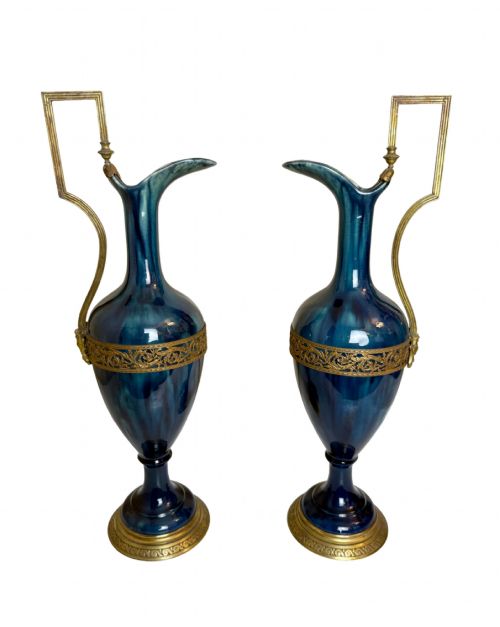
Makers utilised ceramic bodies including porcelain, ironstone and earthenware, shaping them into vases, ewers and urns. These surfaces often received detailed hand-painted decoration using enamel pigments and glaze.
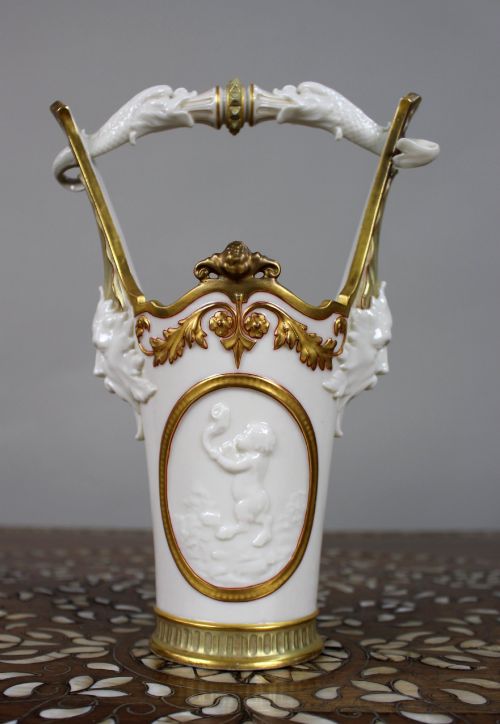
Gilt, gold leaf and gilt bronze trim frequently accent the forms, particularly on European neoclassical and Victorian pieces. Kiln-fired glazes and lustre finishes complete the construction of both English and Asian examples.
Listings feature 19th-century and 20th-century periods, spanning materials from earthenware and porcelain to gold leaf and enamel.
Factors of quality
The standard of hand-painted detail defines the upper tier of these vessels, particularly where artists sign the work or execute complex figurative and landscape scenes. Precision in gilding and the crispness of moulded or turned ceramic forms distinguish finer examples from standard production.
The preservation of original covers, matching pairs or complete garnitures significantly elevates the standing of an urn. Additionally, the subtlety of the glaze work and the structural integrity of added bronze mounts indicate higher atelier standards.
Royal Worcester·Royal Crown Derby·Samuel Alcock and Co·Masons Ironstone·Ernst Wahliss
The Vintage Decorative Porcelain Urn Glossary
- Imari
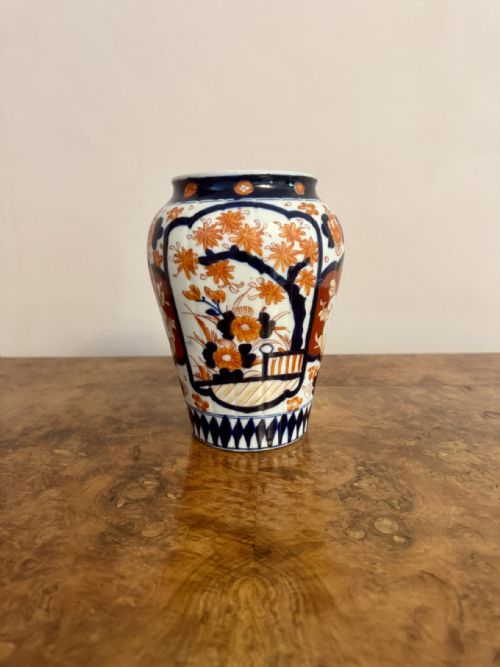
- A style of Japanese porcelain decorated in underglaze blue and overglaze red, gold and other colours. This palette originated in Arita and heavily influenced European factories.
- Satsuma
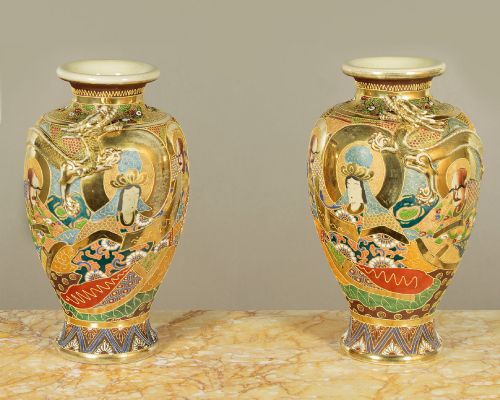
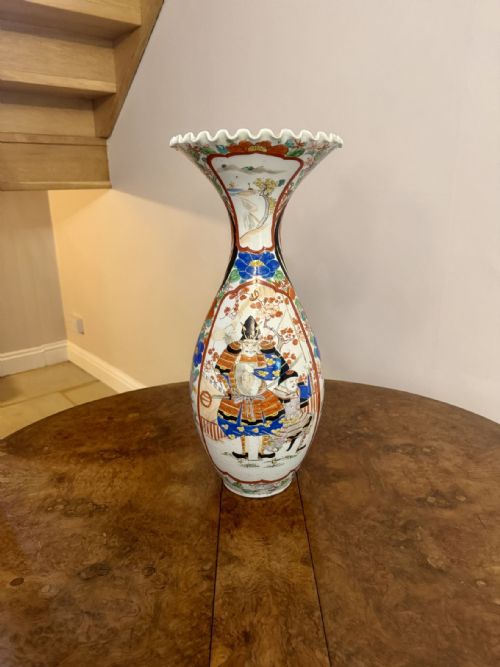
- A type of earthenware originating from the Satsuma province in Japan, characterised by an ivory crackle-glaze and elaborate polychrome enamel painting. It remains highly prized by collectors of nineteenth-century decorative arts.
- Garniture
- A set of three or more matching vases or urns designed to be displayed together on a mantelpiece or sideboard. These matched groups often feature a central vessel flanked by two smaller companions.
- Pot pourri
- A vase or jar featuring a pierced or perforated cover designed to diffuse dried scented flowers into a room. Such containers often display intricate painted fruit or floral motifs.
- Pate sur pate
- A ceramic decorating technique where a design is built up in successive layers of liquid white clay on a coloured body before firing. This creates a low-relief cameo effect on the finished surface.
Vintage Decorative Porcelain Urn: Frequently Asked Questions
How were porcelain urns used?
These vessels functioned primarily as interior ornaments for mantels, sideboards and entrance halls during the nineteenth and twentieth centuries. Some variants held dried scented botanicals or served as lighting fixtures through later conversions.
Larger pairs and garnitures anchored formal room displays, reflecting the wealth and aesthetic tastes of their owners. Their substantial presence made them focal points in Victorian and Edwardian domestic interiors.
How do I date an antique urn?
Dating relies heavily on factory backstamps, ceramic bodies, and stylistic markers tied to specific periods like the Victorian era or the Meiji period. Examining the application of the glaze and the type of gilding helps narrow down the production decade.
Painted signatures and registry marks also offer reliable clues to a piece's chronological origin. Comparing the decorative motifs against known historical design movements confirms the timeframe.
Where were Satsuma urns made?
Satsuma wares originated in the Satsuma province of Kyushu, Japan, though production later expanded to major urban centres like Kyoto and Tokyo for export markets. These pieces combined traditional Japanese forms with rich gilding tailored for Western buyers.
Master artists working in these regional workshops signed their miniature and large-scale vases with distinctive family or studio seals. The distinctive crackle-glaze remains a hallmark of this regional tradition.
Can I use an antique urn as a lamp?
Many historical urns and vases have been converted into table lamps over the decades to suit modern domestic lighting needs. This adaptation often preserves the original ceramic body while integrating electrical wiring through the base or top.
Such conversions allow fragile or decorative vessels to find a functional place in contemporary rooms. Collectors often weigh the reversibility of these alterations when assessing a piece.