

Vintage Decorative Earthenware
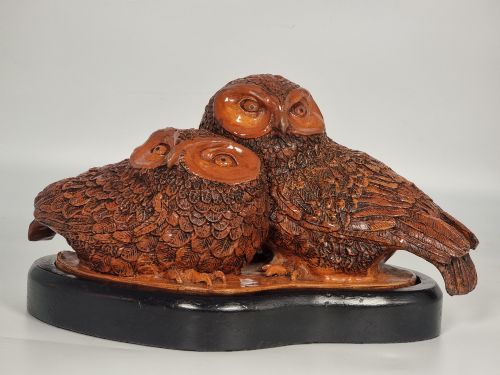
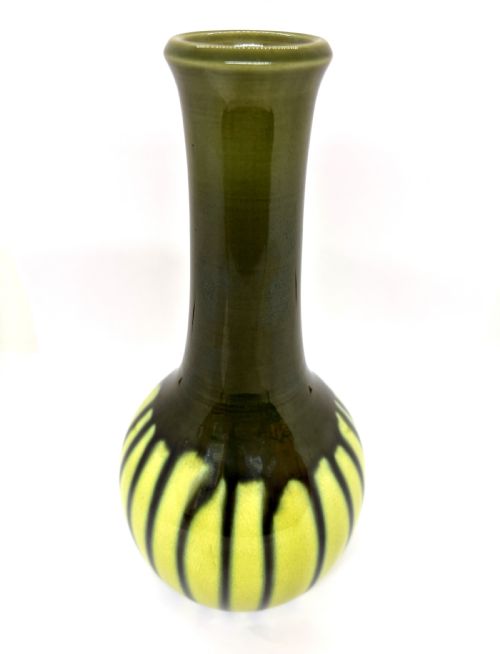
Vintage decorative earthenware spans centuries of pottery traditions, offering collectors vibrant chargers, painted jugs, and sculptural planters that bring rich historic character into the home.
Vintage Decorative Earthenware
Vintage decorative earthenware encompasses a diverse array of ceramic objects produced across the nineteenth and twentieth centuries, alongside earlier examples. Collectors seeking vintage decorative earthenware frequently encounter chargers, plates, and vases adorned with hand-painted patterns or transferware scenes.
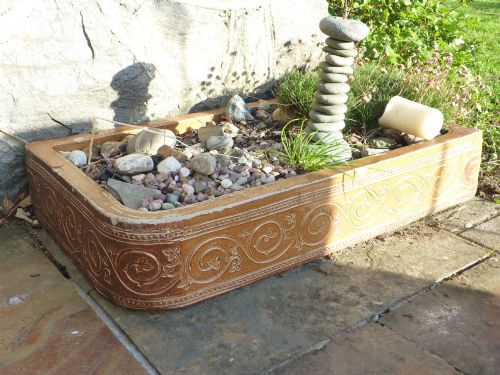
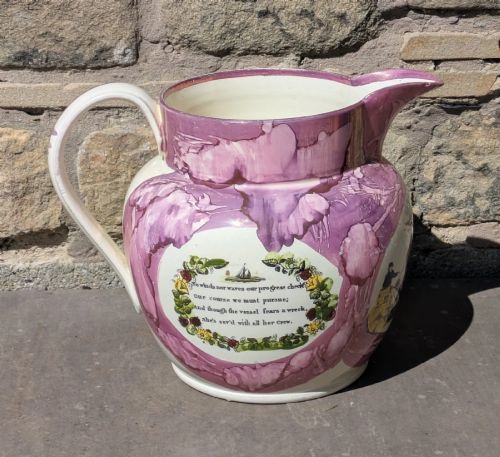
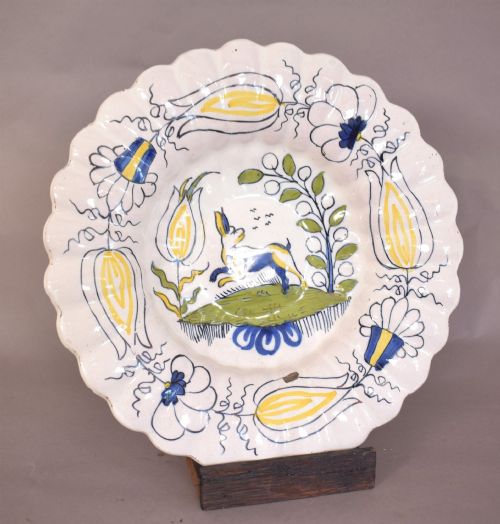
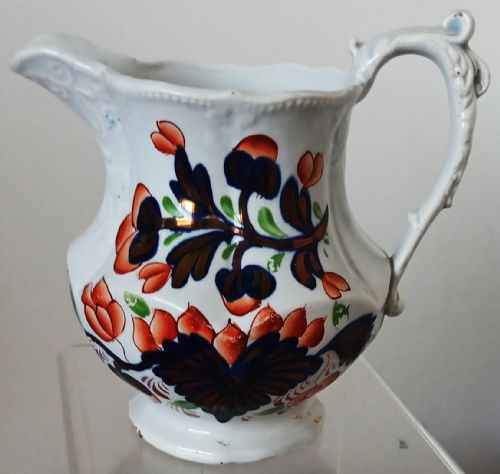
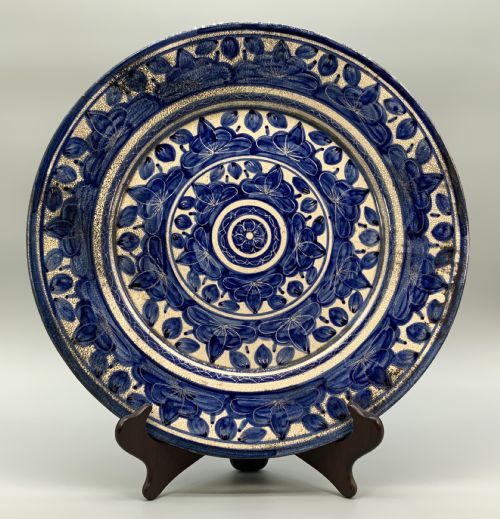
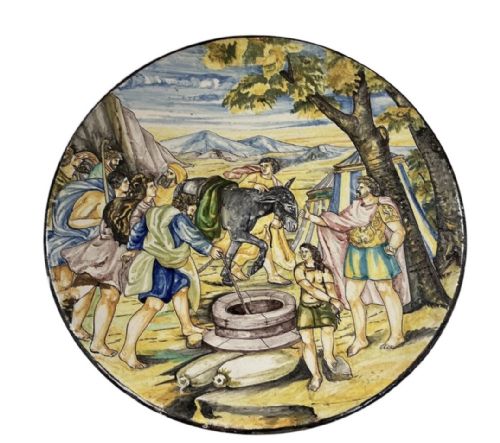
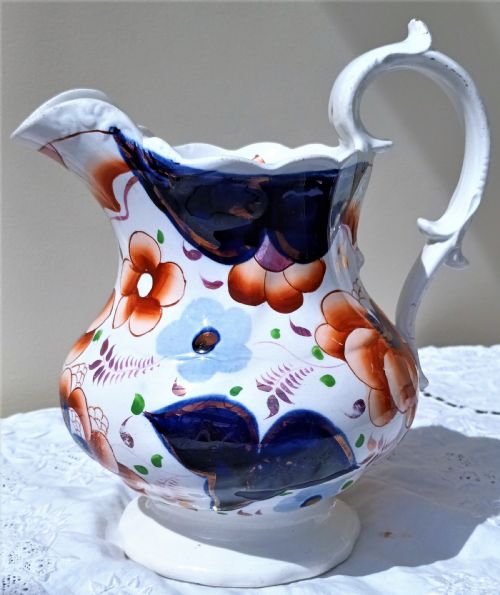
The selection ranges from large French ceramic vases and majolica planters to Dutch Delft chargers and Scottish commemorative dishes. English pitchers, jugs, and Staffordshire mantle clocks further broaden the scope of available decorative pottery.
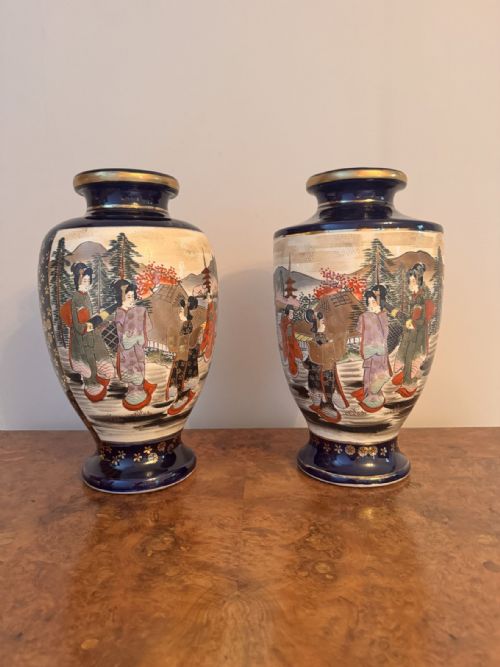
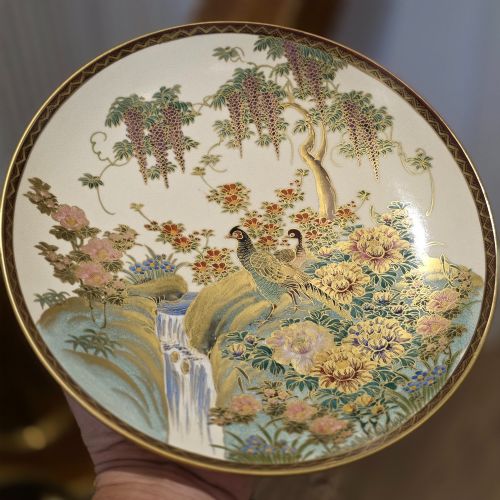
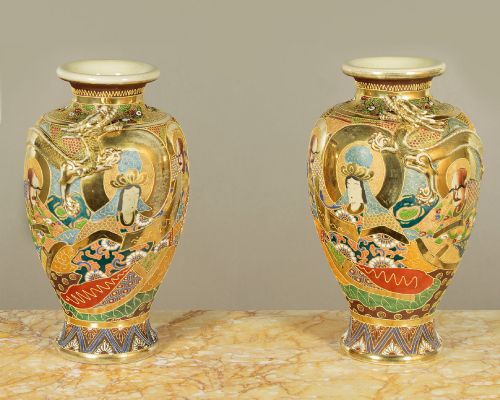
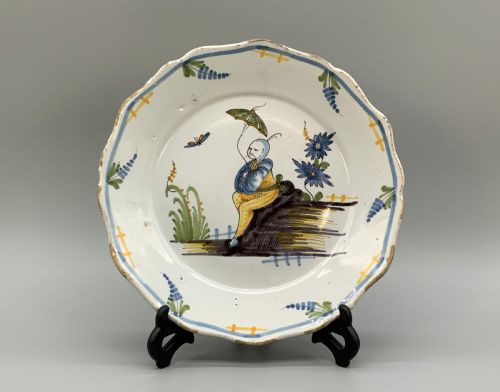
Continental faience and Japanese Satsuma wares also populate this category, bringing distinct regional styles and glazes into the broader tradition of decorative earthenware and ceramics.
Materials and Technique
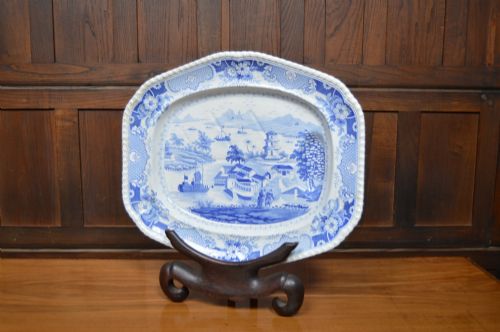
Potters shaped these pieces from earthenware, terracotta, and ceramic bodies, frequently applying tin glazes, salt glazes, or enamel finishes. Surface decoration often involved hand painting, blue and white transfer printing, or the addition of gold leaf highlights.
Firing techniques varied from traditional kiln methods to specialised earthenware and faience processes that allowed intricate polychrome designs, manganese details, and lustre effects to adhere permanently to the clay body.
Blue and white transferware and tin-glazed chargers represent prominent decorative forms within the available selection.
Assessing Quality
Quality in these ceramics rests upon the crispness of the hand-painted or transfer-printed details and the depth of the glaze. Master painters achieved finer lines and more harmonious palettes on pieces commissioned from established potteries.
The weight, structural stability of the earthenware body, and preservation of delicate enamels or gold leaf separate standard production items from exceptional works produced by renowned makers and master ceramists.
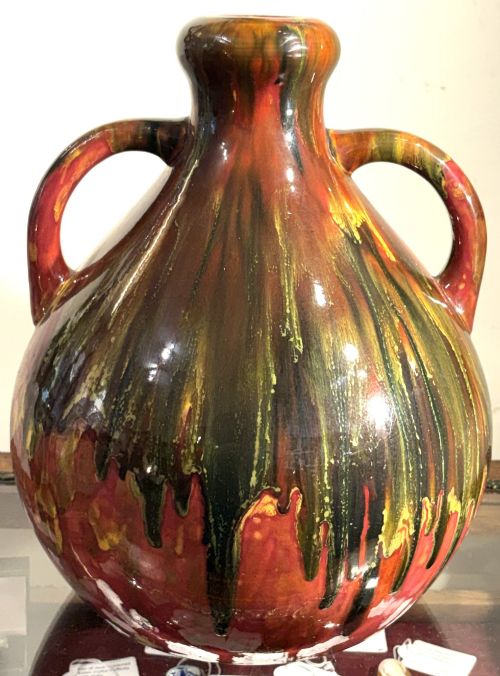
Burmantoft's Pottery·Doulton Lambeth·Moorcroft Art Pottery·Maling
The Vintage Decorative Earthenware Glossary
- Earthenware
- Porous pottery fired at lower temperatures than stoneware or porcelain. It requires a glaze to become impermeable to liquids.
- Charger
- A large decorative plate or dish intended for display on a wall or sideboard rather than for dining use.
- Transferware
- Pottery decorated by applying a printed design from an engraved copper plate onto the ceramic surface via tissue paper.
- Majolica
- Heavy earthenware coated with an opaque tin-lead glaze and painted with brightly coloured metallic oxide designs.
- Faience
- European tin-glazed earthenware, particularly associated with French, Dutch, and Italian traditions from various centuries.
Vintage Decorative Earthenware: Frequently Asked Questions
What is vintage decorative earthenware?
Vintage decorative earthenware refers to ceramic and pottery items created primarily for display, encompassing plates, bowls, vases, and figures from past centuries.
These pieces showcase diverse regional techniques, including tin-glazing, transfer printing, and hand-painted artistry applied to earthenware bodies.
How were old chargers displayed?
Large chargers made of earthenware were traditionally hung on walls or stood on sideboards to showcase intricate painted scenes and blue and white designs.
Their substantial size made them ideal focal points in period rooms and dining spaces.
How do I care for antique pottery?
Antique earthenware requires gentle dusting with a soft dry cloth and should be kept away from direct sunlight to protect delicate enamels and glazes.
Because the underlying clay can be porous, these items are best kept dry and handled carefully by their bases.
How can I tell different periods apart?
Periods are identified through a combination of stylistic clues, glaze types, maker marks, and the specific manufacturing techniques visible on the piece.
Victorian, Art Deco, and earlier centuries each employed distinct colour palettes, motifs, and potting methods that define their era.