
Vintage Dark Wood Table
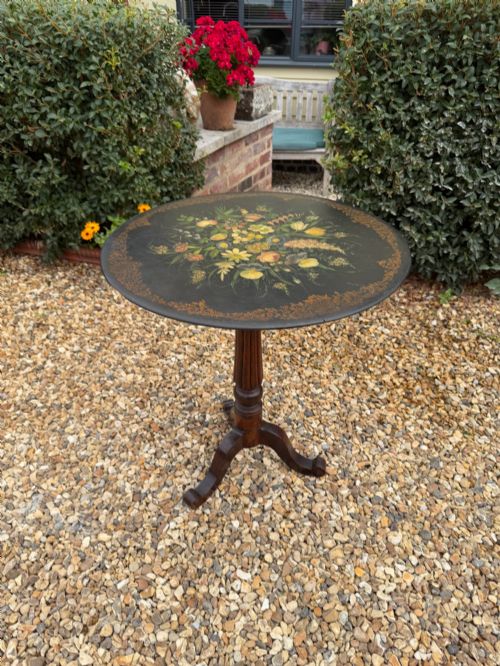
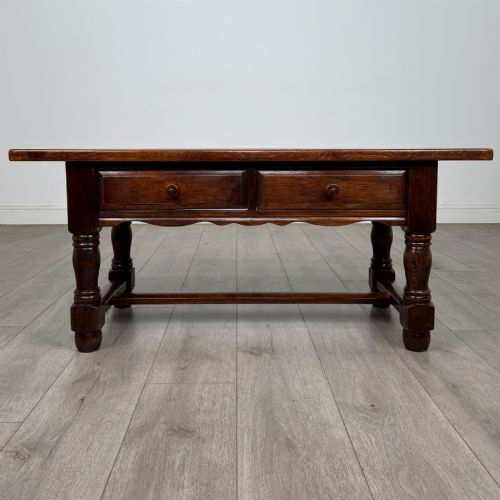
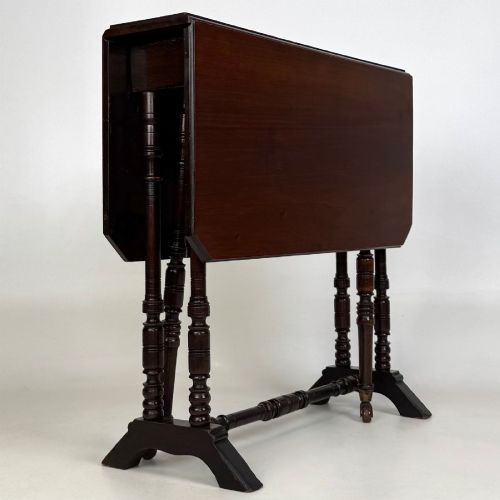
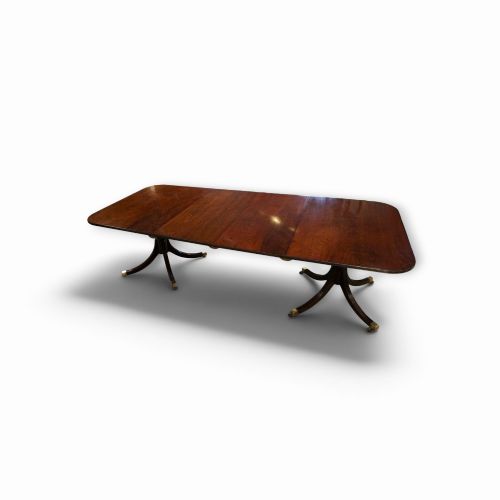
A vintage dark wood table brings rich warmth and solid character to a room, offering enduring utility in mahogany, oak, or rosewood.
Vintage Dark Wood Table
A vintage dark wood table encompasses a wide variety of forms designed for practical daily use across several centuries. Buyers searching this phrase encounter everything from grand dining surfaces to compact wine stands and nests.
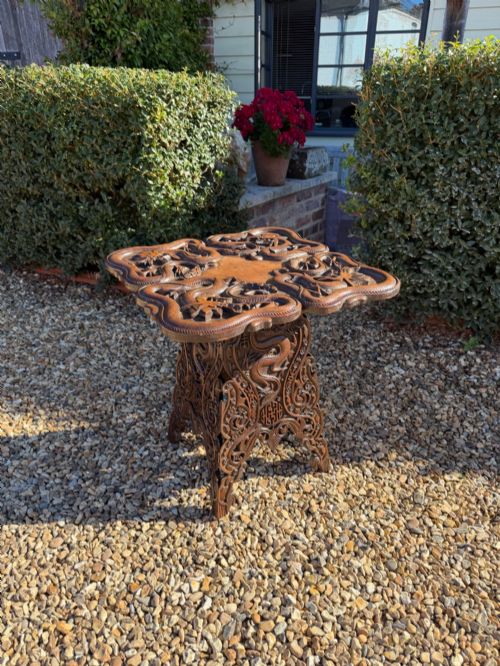
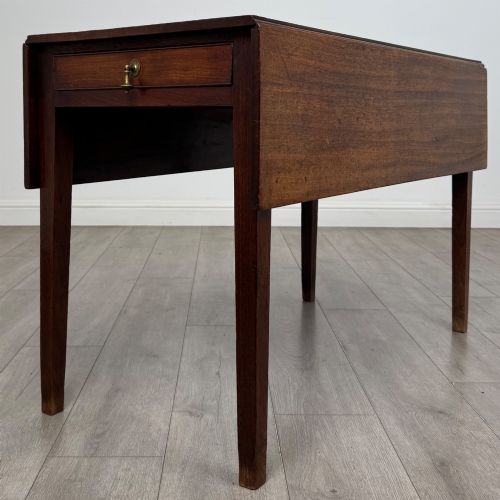
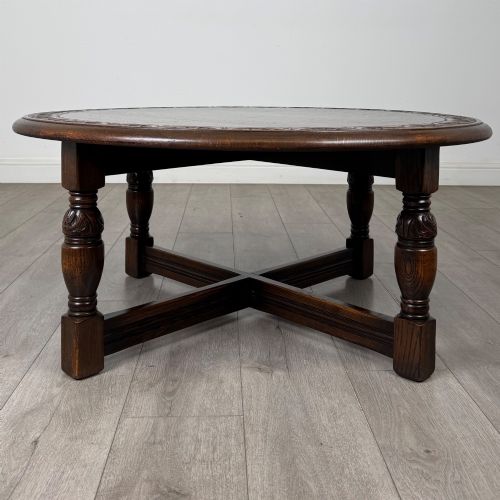
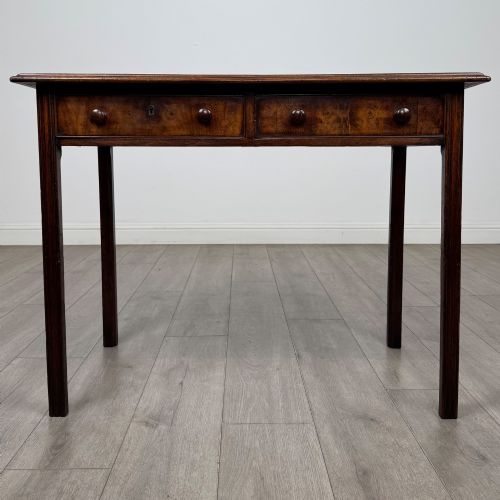
The pieces appearing here span the Georgian, Victorian, and Edwardian eras, alongside early twentieth-century examples. Mahogany and oak dominate the selection, appearing in forms such as side tables, desks, and occasional tables.
Dining tables and nests of tables provide functional utility, while specialised pieces like dumb waiters and folding campaign tables reflect historical domestic habits. Most examples date from the nineteenth and early twentieth centuries.
Materials and construction
Cabinet makers relied primarily on dense timbers such as mahogany, oak, and rosewood, often enhanced with brass fittings, glass, or leather inserts. These heavy woods provided the structural integrity required for frequently used furniture.
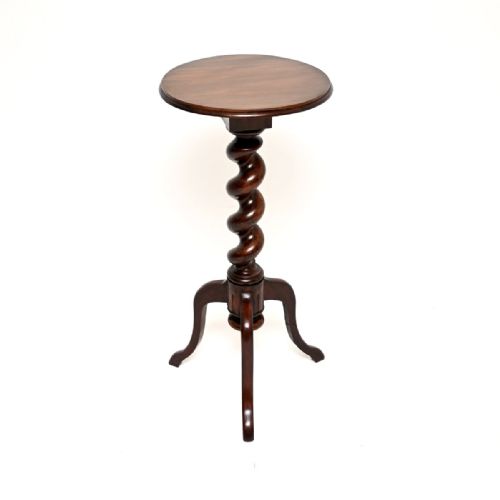
Construction techniques varied from traditional joinery in Georgian pieces to folding mechanisms in campaign pieces and turned elements like barley twists in Victorian stands. Inlaid details and carved motifs added decorative refinement to standard forms.
Listings feature woods including mahogany, oak, rosewood, and hardwood, spanning the Georgian, Victorian, and Edwardian periods.
Distinguishing quality
Quality rests in the selection of timber grain, the precision of the joinery, and the integrity of any inlaid or carved decoration. Superior examples display careful timber matching and robust structural framing that withstands decades of use.
Simpler utilitarian items contrast with finely proportioned pieces produced by established makers or workshops, where attention is evident in hardware choices and secondary woods.
Trollope & sons·Brockbanks & Atkins
The Vintage Dark Wood Table Glossary
- Mahogany
- A durable, reddish-brown tropical hardwood favoured for fine cabinet making throughout the Georgian and Victorian periods. Its stable nature allowed for intricate carving and smooth polished finishes.
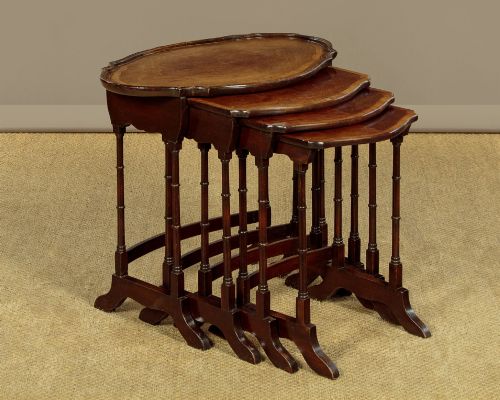
- Nest of tables
- A set of graduated tables designed to fit neatly beneath one another when not in use. They gained particular popularity during the Edwardian era for entertaining.
- Campaign style
- Portable furniture made for travel, typically featuring recessed brass handles and folding legs. Beech and other hardwoods were utilised for strength on the move.
- Dumb waiter
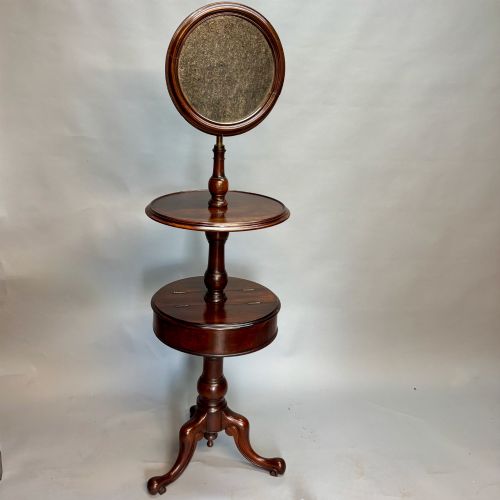
- A tiered serving table used in dining rooms to hold dishes without requiring constant attendance by servants. Georgian examples often feature revolving circular tiers on a central pillar.
- Barley twist
- A turned wooden column resembling a twisted rope, commonly found on Victorian stands and tables. This decorative woodworking technique added texture and vertical interest to furniture legs.
Vintage Dark Wood Table: Frequently Asked Questions
What periods do these tables come from?
The pieces span multiple eras, including Georgian, Victorian, Edwardian, and early twentieth-century decades like the 1920s and 1930s. Construction styles and timber treatments reflect the prevailing design preferences of each specific era.
Earlier examples from the Georgian period emphasise classical proportions, while Victorian and Edwardian items often introduce heavier turned elements or practical multi-tier configurations.
How do I identify a campaign table?
Campaign tables are characterised by portable, knock-down, or folding designs originally intended for military officers on the move. They typically incorporate brass corners, recessed handles, and folding frames.
Timbers like beech and mahogany were chosen for resilience, allowing the furniture to be packed compactly without sustaining damage during transit.
Where were side tables placed in a home?
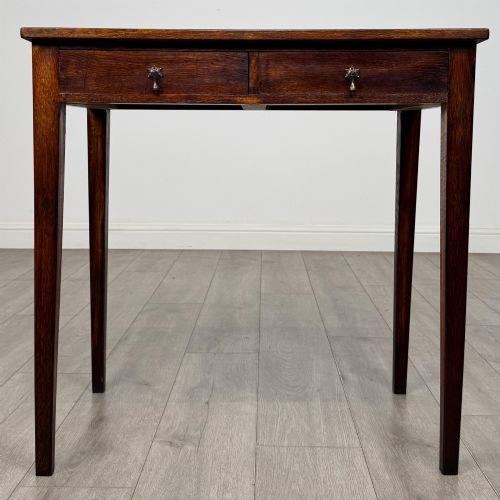
Side tables served flexible functions in hallways, reception rooms, and parlours, holding lamps, decorative objects, or writing materials. Their compact footprints made them easy to tuck against walls or beside seating.
Over time, variations like the lowboy or occasional table adapted these surfaces for specific domestic tasks in different rooms.
What is a nest of tables used for?
A nest of tables provides multiple surfaces that deploy outward when guests require extra space for drinks or books. When not in use, the smaller tables slide underneath the largest one to save floor space.
Edwardian makers refined these sets into matched groupings, often incorporating inlaid wood or Quartetto arrangements of four tables.