

Vintage Curio Display Cabinet
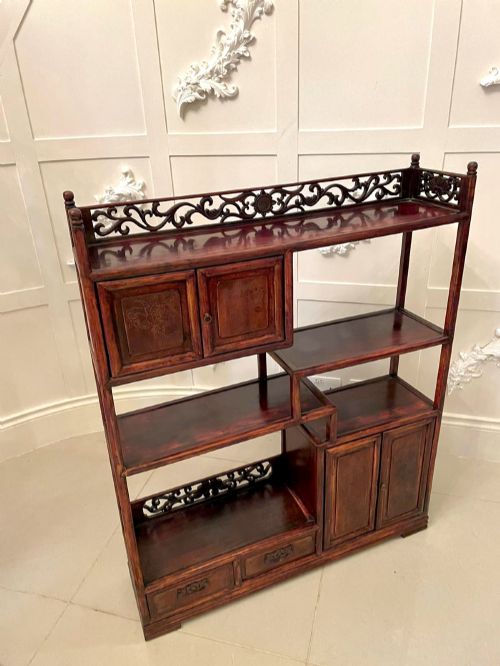
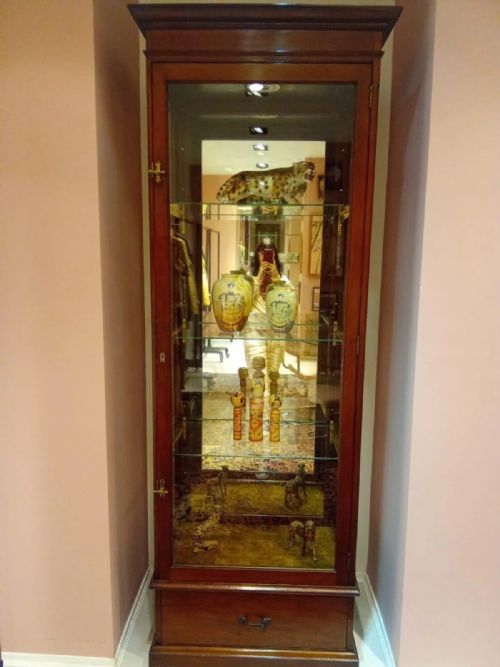
A vintage curio display cabinet holds small treasures behind glass, bringing order and visibility to collections from Victorian and Edwardian parlours.
Vintage Curio Display Cabinet
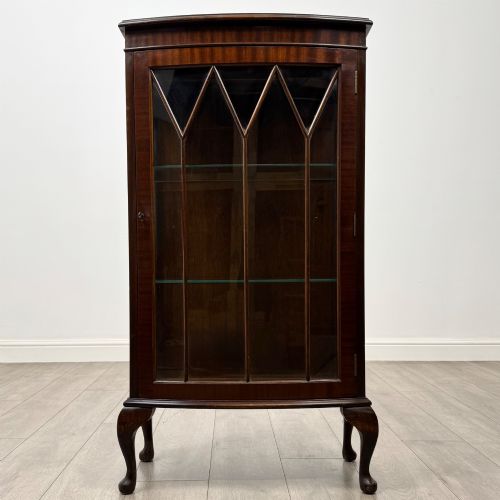
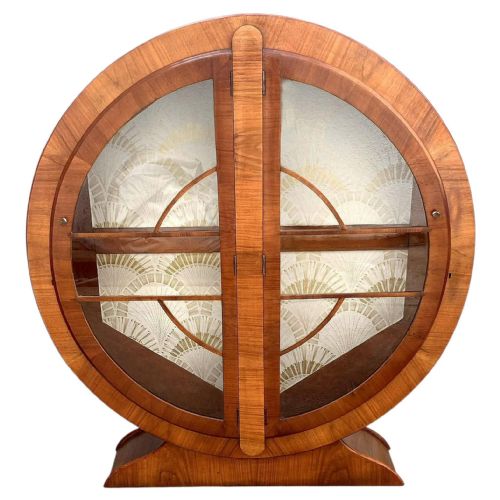
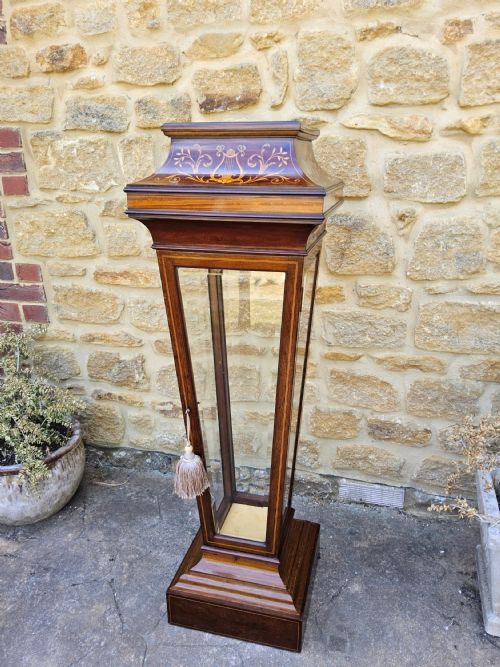
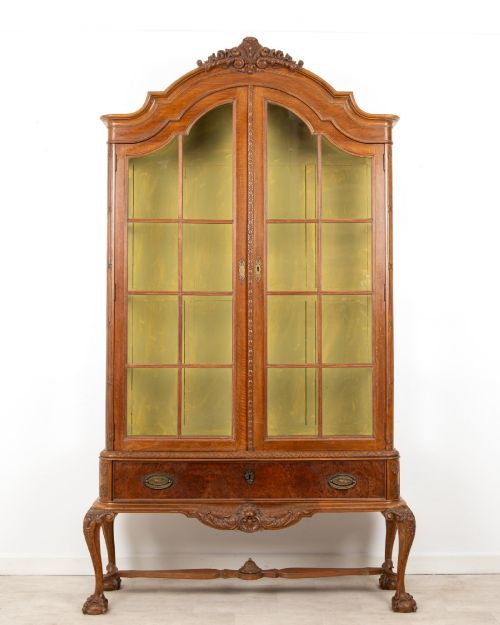
A vintage curio display cabinet encompasses standing vitrines, wall-mounted units, and low table forms designed to showcase precious items. Buyers find pieces ranging from late nineteenth-century Victorian designs to 1930s Art Deco circular models.
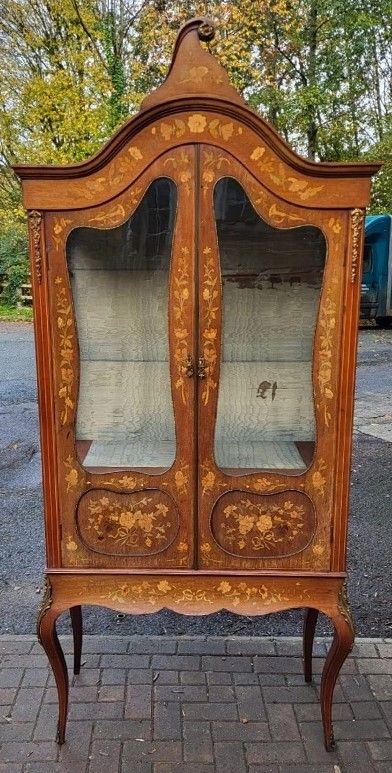
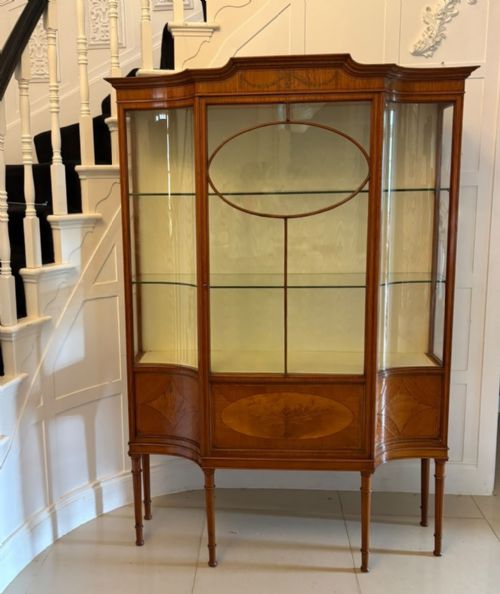
Edwardian mahogany examples form the core of what appears here, often inlaid with satinwood or floral marquetry. These cabinets share space with French-inspired styles and Chinese Qing interpretations.
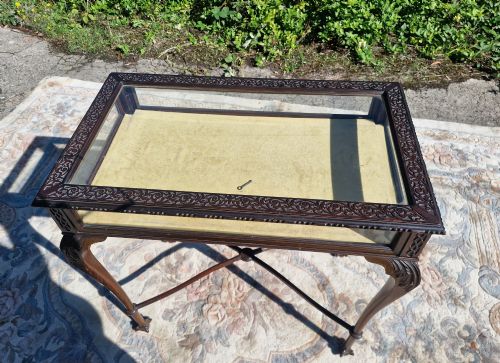
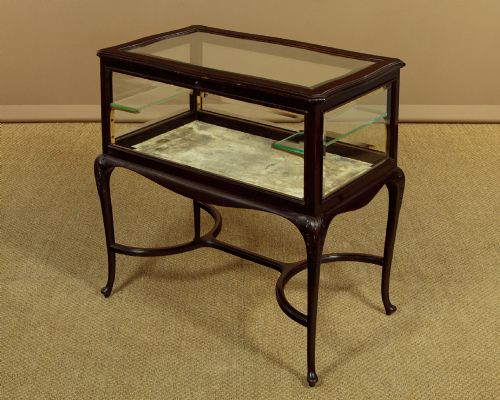
The format shifts from tall pedestal bookcases to tabletop display cases and bijouterie tables with glazed tops. Each variation serves the fundamental purpose of framing objects while protecting them from dust.
Materials and construction methods
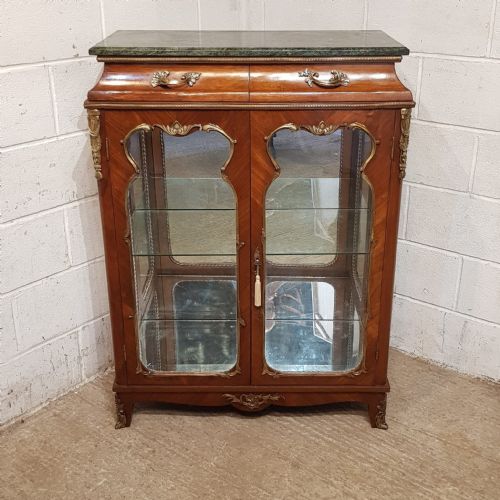
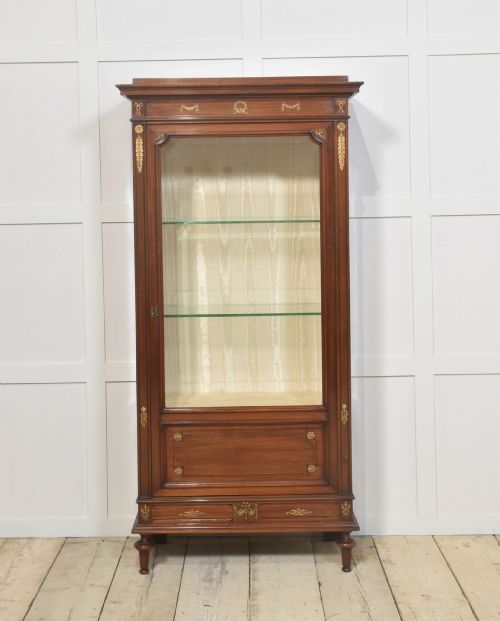
Makers built these cabinets using dense hardwoods such as mahogany, walnut, and satinwood, frequently applying detailed marquetry or fruitwood inlay. Structural support often relied on brass mounts and gilt metal accents.
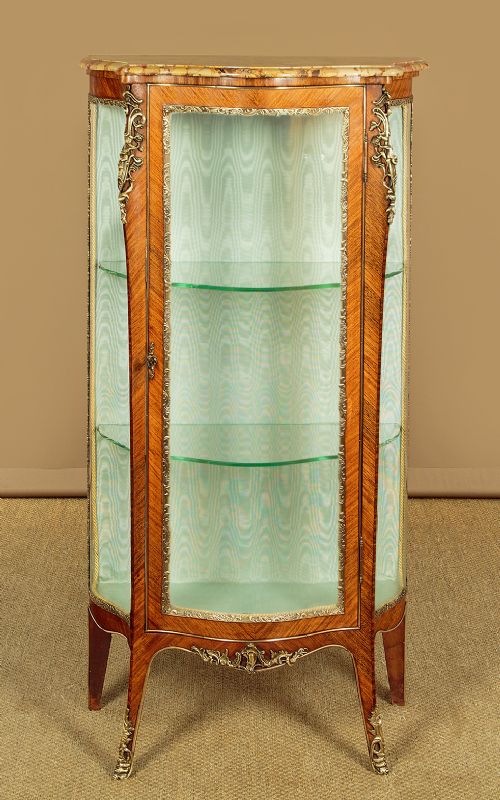
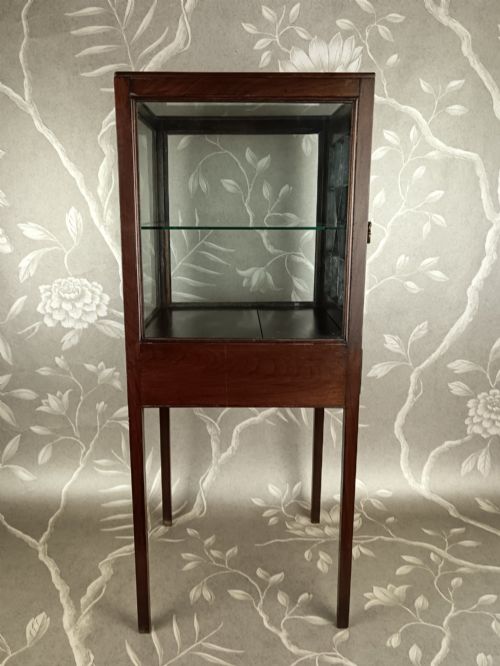
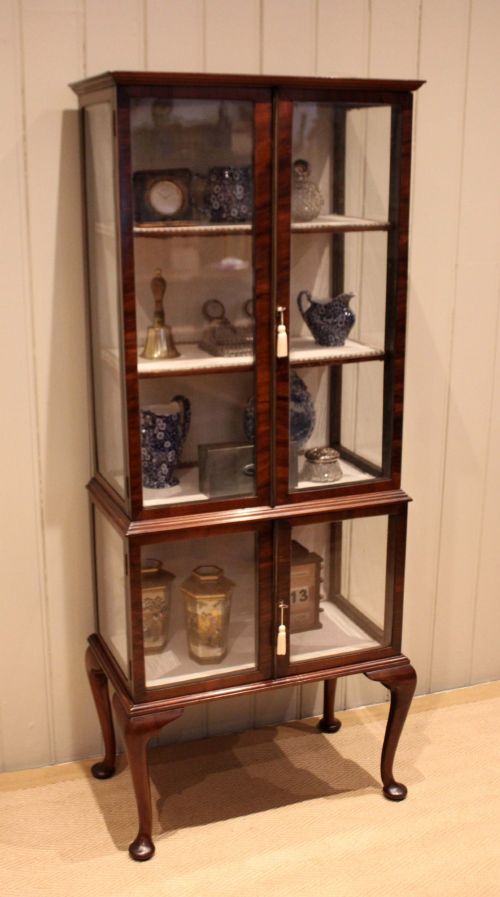
Glass panels define the visible sides and doors, housed within timber frames alongside adjustable glass shelves. Interiors frequently line with fabric or velvet to provide a contrasting background for displayed items.
The listings span from the late nineteenth century through to the 1930s, featuring mahogany, walnut, satinwood, and brass.
Distinctions in construction and design
Quality rests in the precision of the timber joinery, the choice of figured veneer, and the crispness of carved or inlaid details. Superior cabinets integrate curved glass, serpentine fronts, and substantial brass hardware seamlessly.
The refinement of the internal lining and the balance of proportions distinguish standard production pieces from fine cabinetwork. Attention to secondary timbers and the integrity of the original glass elevate certain examples above others.
Rurka
The Vintage Curio Display Cabinet Glossary
- Vitrine
- A glass-fronted cabinet designed for displaying fine porcelain, curios, and small objects. These pieces often feature glazed sides to maximise light penetration.
- Bijouterie table
- A glass-topped table constructed specifically for displaying jewellery, medals, and small trinkets. They frequently include hinged lids for interior access.
- Marquetry
- Decorative woodwork where pieces of veneer form intricate patterns and pictures. Craftsmen apply these thin wood slices to the primary carcass.
- Satinwood
- A lustrous, yellow-toned timber utilised for fine inlays and decorative stringing on mahogany furniture. It creates strong visual contrast against darker woods.
Vintage Curio Display Cabinet: Frequently Asked Questions
What is a bijouterie table?
A bijouterie table is a low display case with a glazed top designed for viewing small personal items. They stand on legs and offer tabletop surface display.
These pieces emerged strongly during the Edwardian period for housing collections of medals, coins, and small ornaments within easy reach.
How do I date a display cabinet?
Dating relies on identifying stylistic markers, timber choices, and construction techniques associated with periods like Victorian, Edwardian, or Art Deco. Edwardian pieces often show mahogany with satinwood inlay.
Later 1930s examples shift towards circular walnut forms and streamlined Art Deco geometry without traditional floral marquetry.
Are shelves usually adjustable?
Many shop display cabinets and larger vitrines feature adjustable glass shelves to accommodate objects of varying heights. Fixed wooden shelves appear more frequently in older enclosed bookcases.
Checking the interior supports reveals whether the shelf height can be altered to suit specific collections.
Where should I place a wall cabinet?
Wall cabinets require secure wall fixings capable of supporting the combined weight of the timber frame and glass panels. Placing them away from direct sunlight protects both the cabinet wood and the displayed items.
They suit smaller rooms where floor space remains at a premium while still offering eye-level display capability.