

Vintage Crystal Wine Glasses
Vintage crystal wine glasses bring weight and brilliance to the table, spanning Georgian, Victorian, and Edwardian periods.
Vintage Crystal Wine Glasses
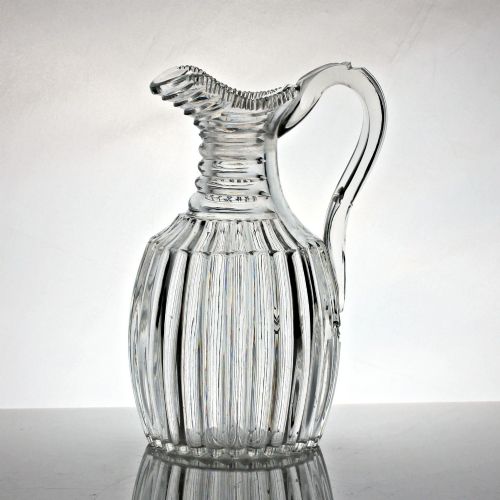
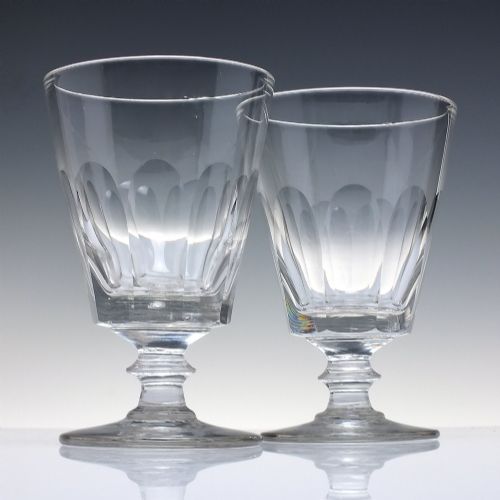
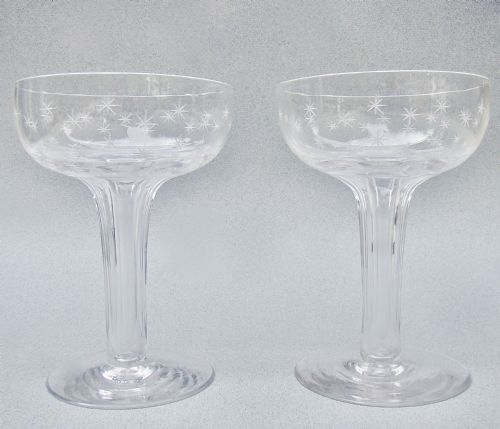
Vintage crystal wine glasses encompass drinking vessels from the eighteenth century through the Edwardian era, alongside related forms like rummers, claret jugs, and decanters. Buyers searching for vintage crystal wine glasses encounter stemware featuring faceted stems, hollow stems, and star-etched bowls.
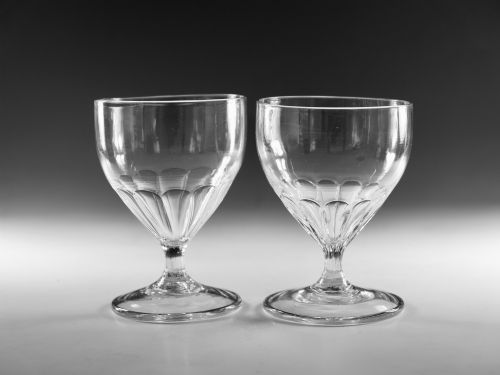
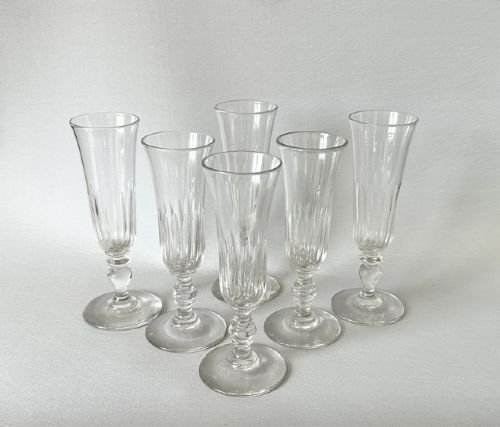
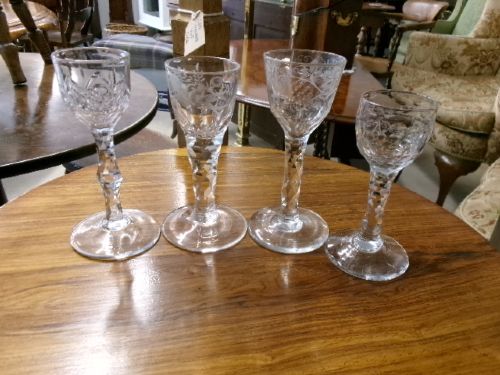
The selection includes English, French, and Bohemian pieces, ranging from Georgian opaque twist stems to Victorian hollow stem champagne glasses and Edwardian cut glass designs. Sets vary from single rummers to harlequin sets and matched groups.
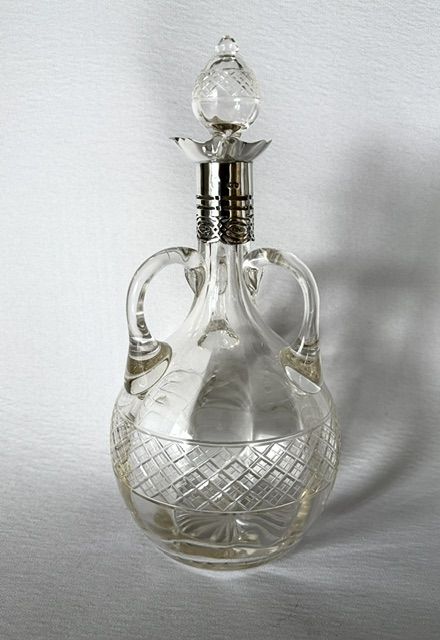
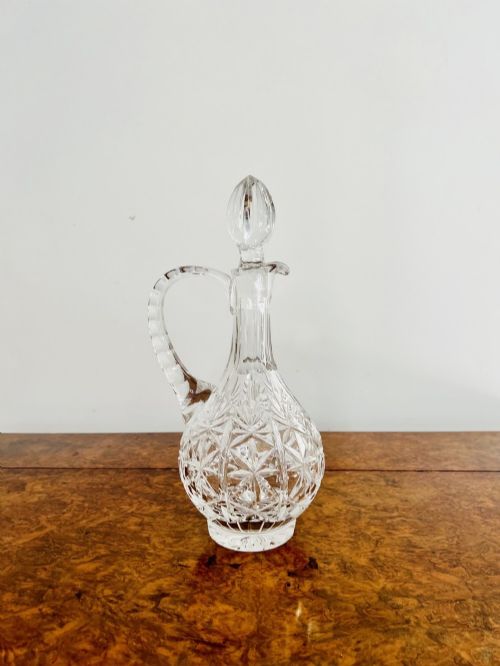
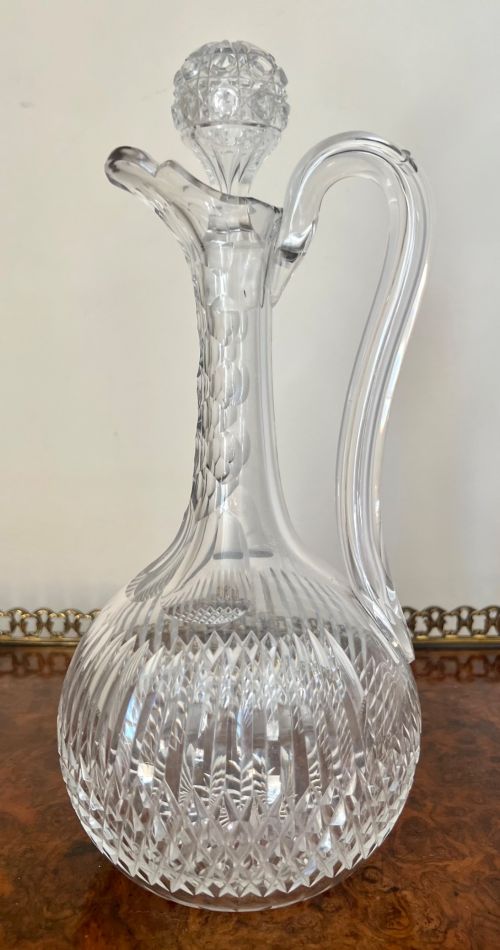
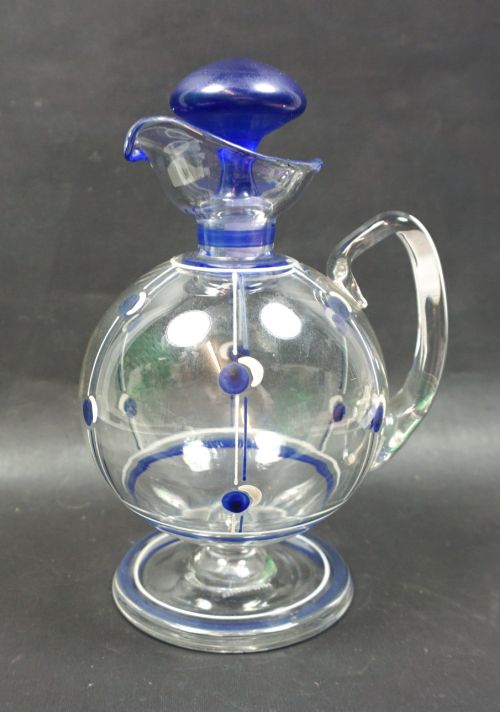
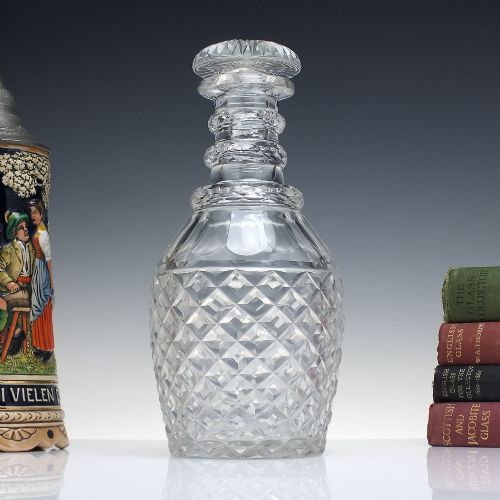
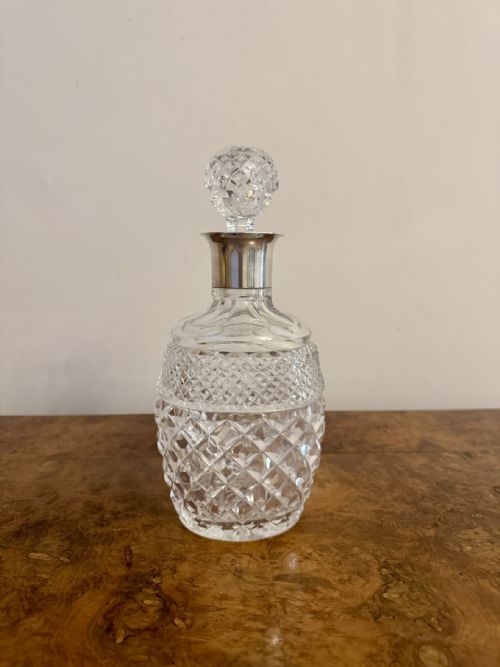
Vessels also include decanters and wine jugs mounted in silver plate, featuring pillar and prism cuts, cranberry overlays, and blue enamel decoration.
How they were made
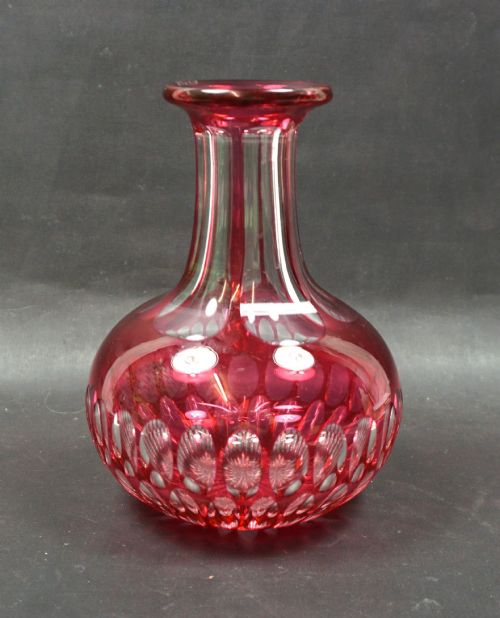
Pieces are formed from lead glass, clear glass, and cut crystal, shaped through blowing and moulding into bell shapes, ogee bowls, and wide foot bases. Coloured examples utilise cranberry or green glass over crystal.
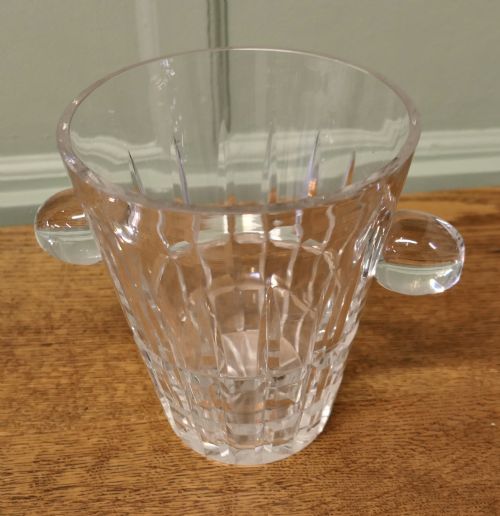
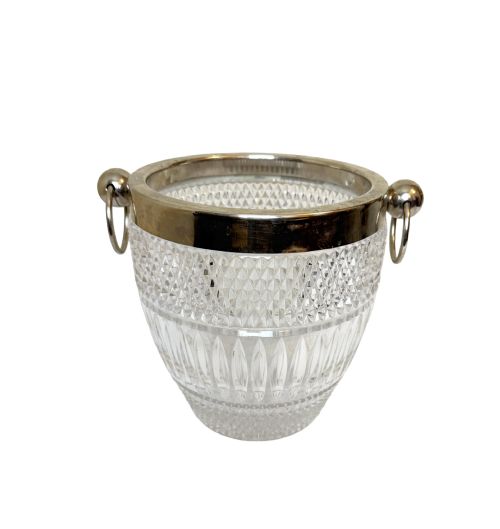
Decoration relies on hand cutting, pillar and prism cuts, and star-etching, alongside floral enamel decoration and gilding. Certain vessels incorporate silver plate and silver collars fitted to the glass bodies.
The inventory spans the 18th Century, Victorian, Edwardian, and Art Deco periods, utilising lead crystal, silver plate, and enamel.
What varies in quality
The distinction between tiers rests on the crispness of the facet cutting, the clarity of the lead crystal, and the balance of the stem and bowl. Hand-cut details and depth of engraving show the hand of the maker more clearly than moulded work.
Completeness of sets and matching elements determine desirability, alongside the integration of silver-plated mounts and enamel work. Heavier lead glass weight and pristine rims elevate individual glasses and decanters.
Baccarat·Theresienthal
The Vintage Crystal Wine Glasses Glossary
- Rummer
- A heavy drinking glass with a short stem, popular in the Georgian and Victorian periods for wine and ale.
- Opaque twist
- A stem form containing white or coloured enamel glass threads twisted inside clear glass, common in eighteenth-century English wine glasses.
- Ogee bowl
- An S-curve profile resembling an ogee arch, found on mid-eighteenth-century drinking glasses.
- Hock glass
- A tall wine glass, traditionally used for German white wine, often featuring coloured crystal overlays or enamel decoration.
- Prism cut
- Linear geometric facet cutting on glass surfaces that refracts light into sharp prismatic bands.
Vintage Crystal Wine Glasses: Frequently Asked Questions
How do I identify Georgian wine glasses?
Georgian wine glasses exhibit characteristic stem formations like opaque twists, air twists, or faceted cuts supporting simple or ogee-shaped bowls.
They often rest on wider foot bases and display the slightly irregular weight and bubbling typical of early lead glass production.
What is the difference between crystal and glass?
Crystal contains lead oxide, which increases the weight, refractive index, and clarity compared to standard container glass.
This lead content allows artisans to execute deep, sharp facet cuts that sparkle when exposed to light.
How should I clean antique crystal?
Wash antique crystal by hand in warm water using mild detergent, avoiding sudden temperature changes that can crack old glass.
Dry them immediately with a lint-free cloth to maintain the brilliance of the cut facets.
Are Victorian wine glasses always patterned?
Victorian glasses frequently feature elaborate star-etching, hobnail cutting, or coloured overlays, reflecting the period's preference for ornate decoration.
Plain stems do appear, but heavy cutting and hollow stem formations remain more common in the evidence.