




Vintage Country Pursuits
These vintage country pursuits bring the field and moor straight into the room through sterling silver figures, oil paintings and carved timber.
Vintage Country Pursuits
Vintage country pursuits encompass sporting art, silver animal figures and wooden decoys originating from the nineteenth and twentieth centuries. These objects reflect traditional field sports such as hunting, shooting, coursing and fishing across British and European contexts.
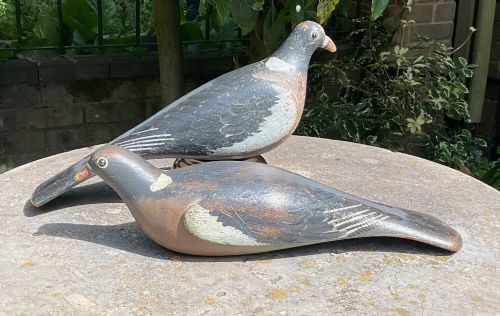
The pieces on this page lean heavily towards silver wildlife models, framed oil paintings of hounds and hunters, and carved wooden pigeons. Buyers most frequently encounter Edwardian sporting items and mid-century interpretations of these traditional outdoor themes.
Materials and construction
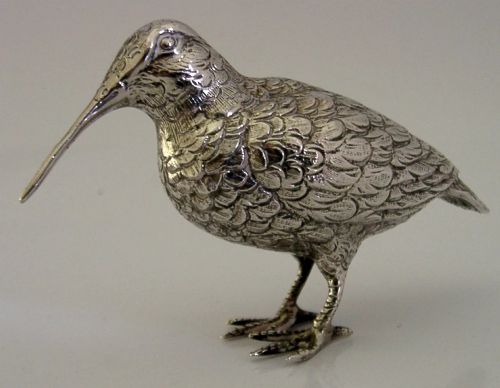
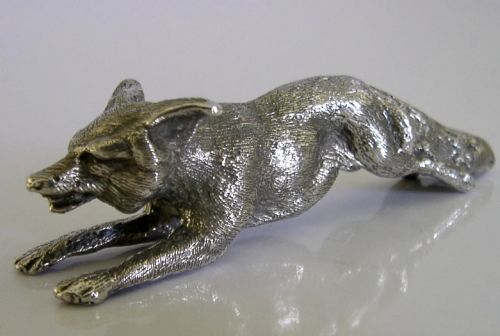
The material palette relies heavily on sterling silver, cast bronze, oil paint on canvas or wood, and seasoned timber such as oak and ebony. Metals are cast and occasionally cold-painted, whilst animal figures in silver capture fine feather and fur detail through careful chasing.
Paintings utilise traditional oil and watercolour techniques on canvas, board or paper, whilst wooden items like decoy pigeons and gun cases demonstrate traditional carpentry and leatherwork joined with brass hardware.
A cast silver woodcock waits patiently on your desk, reminding everyone that even paperwork is a field sport.
Markers of quality
Quality rests upon the naturalism of the carving or casting, particularly in how accurately an animal's anatomy and movement are rendered by the maker. Heavy silver castings and signed oil paintings demonstrate superior workshop standards compared to mass-produced tourist souvenirs.
Condition plays a central role, especially for leather gun cases and paper illustrations where original patination, clear signatures and intact wooden surfaces determine desirability among collectors.
Franz Bergman·John Charles Tunnard·Guillaume Urban Régamey·Arthur E Gonne
The Vintage Country Pursuits Glossary
- Cold-painted bronze
- A method of painting bronze sculptures with naturalistic polychrome colours that were dried without high heat. This technique is especially associated with Austrian foundries producing animal figures.
- Decoy
- A carved or moulded representation of a bird or animal used historically to attract wildlife. Wooden examples display working tool marks and original painted surfaces.
- Sterling silver
- An alloy consisting of ninety-two point five percent silver by mass, widely utilised for small animal figures and desk accessories. British pieces carry standard hallmarks denoting purity and origin.
- Coursing
- The pursuit of hares or other game by greyhounds or lurchers using sight rather than scent. This field sport frequently appears in nineteenth-century watercolours and oils.
- Sporting art
- Artwork depicting field sports, game animals, hounds and equestrian subjects. These works range from detailed oil paintings to magazine illustrations.
Vintage Country Pursuits: Frequently Asked Questions
What defines a vintage country pursuits collection?
A collection typically centres on visual and decorative items celebrating field sports, wildlife and rural traditions. This includes silver animal models, oil paintings of hunts, and carved wooden decoys.
Items span the nineteenth and twentieth centuries, reflecting changing artistic interpretations of British and European rural life.
How were silver animal figures used?
Silver figures of foxes, birds and hounds served primarily as decorative ornaments for mantelpieces, sideboards and executive desks. Some functioned as desk accessories, including letter openers mounted with silver game birds.
Larger silver pieces acted as table centrepieces or presentation trophies within hunting and shooting communities.
How do I care for antique leather gun cases?
Leather gun cases require stable humidity and protection from direct sunlight to prevent the hide from drying out and cracking. Occasional gentle cleaning with appropriate leather dressings helps maintain flexibility.
Internal fitted compartments and brass locks should be kept clean and dry to preserve the original structural integrity of the case.
How can I tell the age of these items?
Age is determined by hallmarks on silver objects, artist signatures on paintings, and construction methods used in wooden items and leather cases. Stylistic markers such as Edwardian casting techniques also provide clear dating clues.
Archival references, maker marks and accompanying documentation further confirm the period of manufacture.