
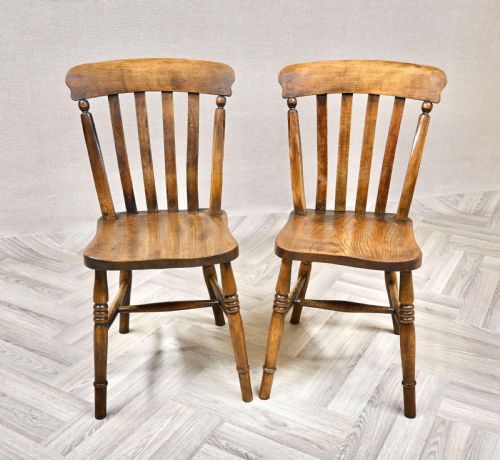
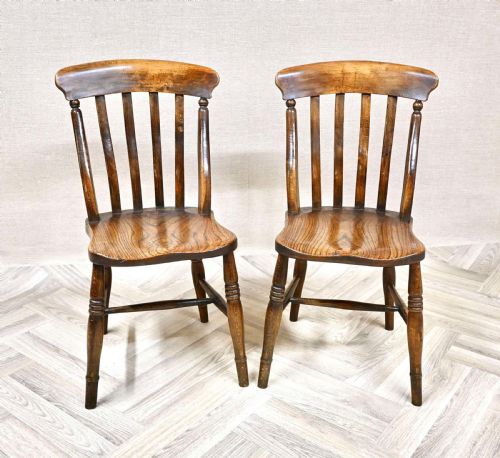
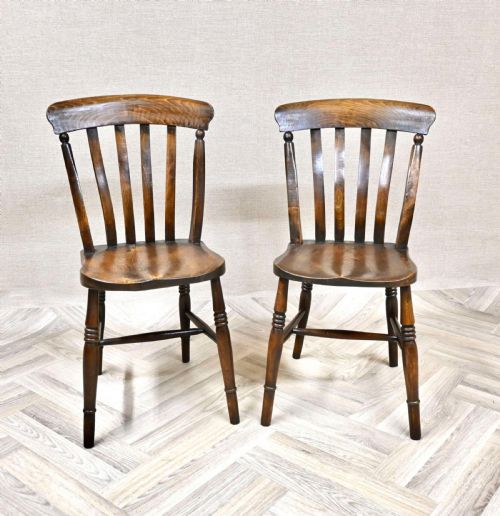
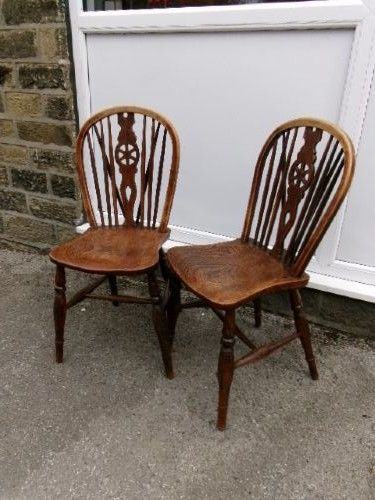
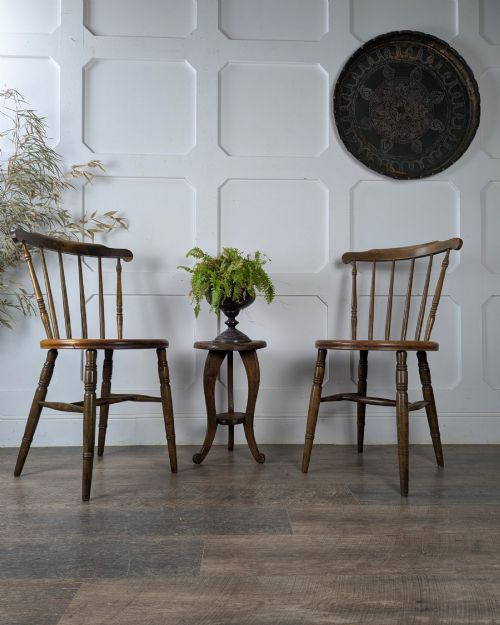
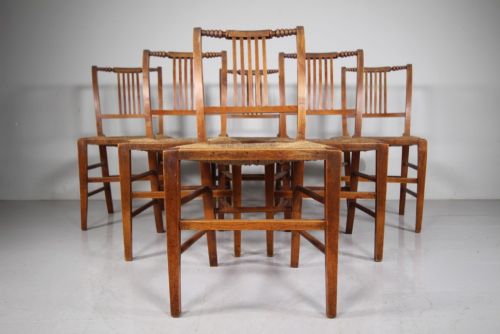
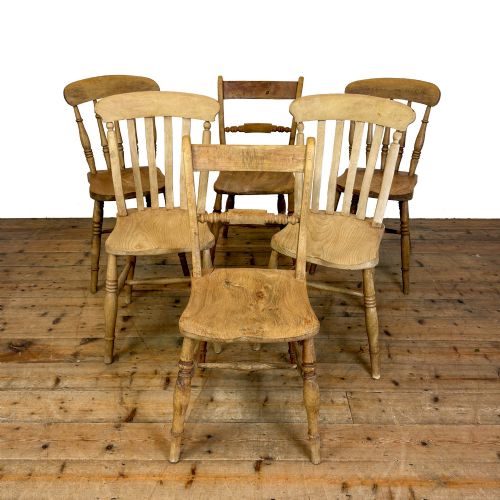
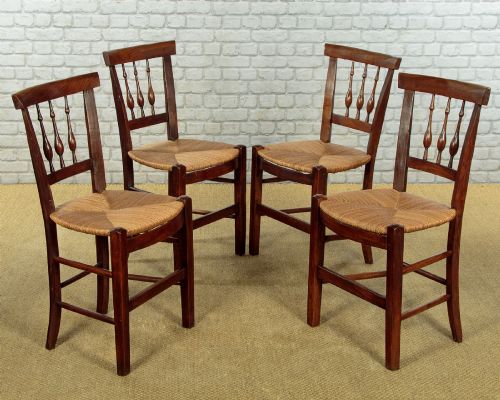
Vintage Country Kitchen Seating
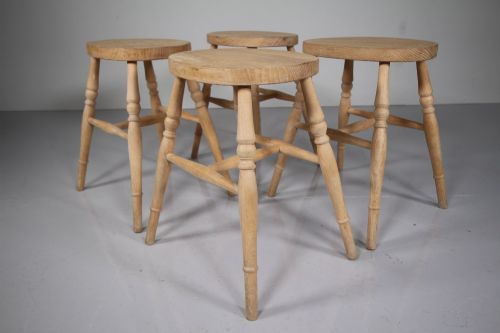
Vintage country kitchen seating brings together sturdy chairs, benches and stools built for daily use in farmhouses across the nineteenth and early twentieth centuries.
Vintage Country Kitchen Seating
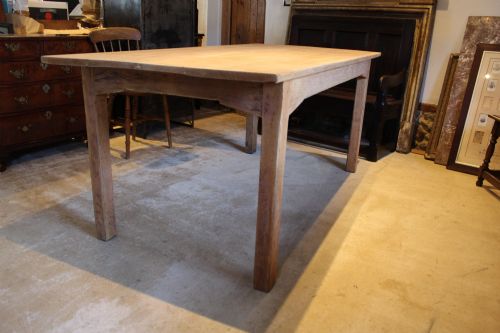
Vintage country kitchen seating covers the utilitarian chairs, benches, stools and dining tables gathered under phrases like vintage country kitchen seating. These pieces emerge primarily from the nineteenth century, the Victorian era and the early decades of the twentieth century, reflecting domestic life in rural settings.
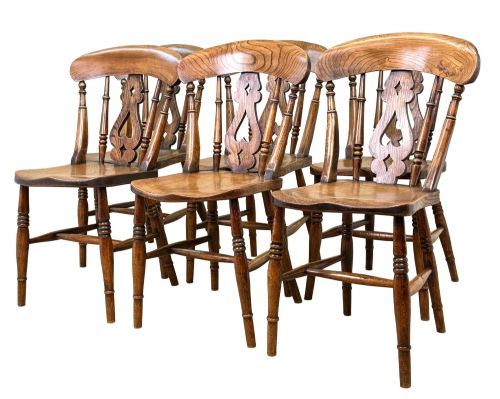
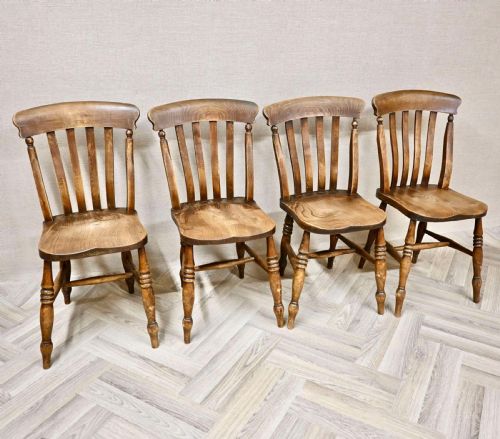
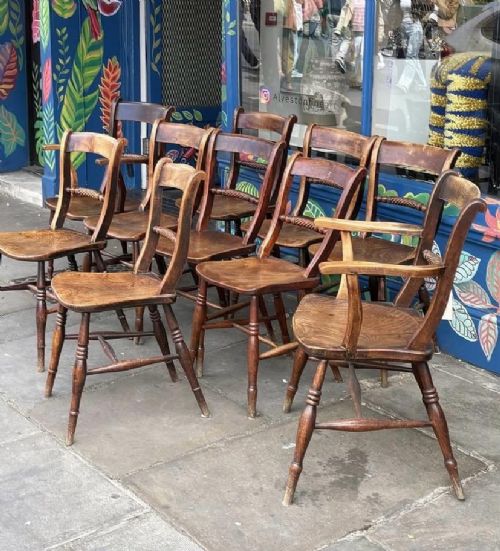
Sets frequently appear as harlequin groups or matched multiples ranging from pairs up to sets of ten or twelve chairs. Woods and rushes dominate the construction, pointing directly to practical domestic utility rather than formal parlour display.
Materials and construction methods
Carpenters and chairmakers utilised native hardwoods like elm, beech, oak, ash, yew and cherrywood to build robust frames that could withstand heavy daily use. Elm frequently provided stable, tough seats while beech and ash formed flexible bentwood bows and spindles.
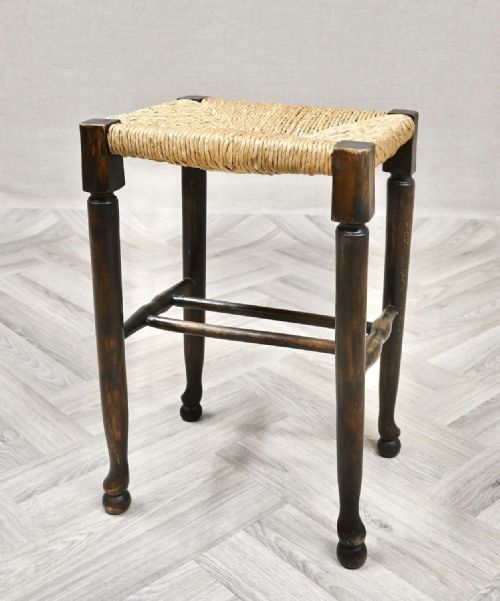
Traditional joinery methods combined wedged tenons, double stretchers and steam-bent components to secure high stress joints. Rush seating was woven tightly onto frames to create resilient pads, while other designs relied on solid wooden plank seats.
Listings feature seating constructed from elm, beech, oak, ash, pine and rush across the nineteenth and early twentieth centuries.
Judging quality and integrity
Quality rests in the original structural integrity of the timber and the retention of authentic surface patination. Examples displaying honest wear, matching grain patterns and minimal structural replacement command greater attention from discerning buyers.
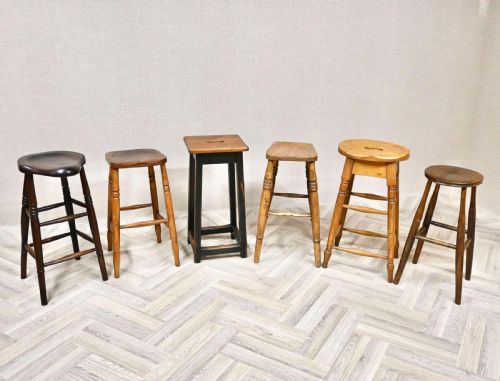
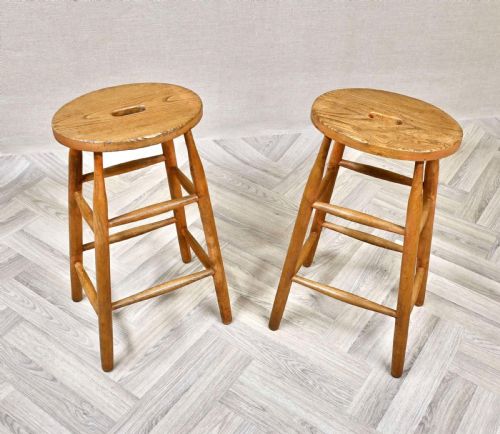
The finesse of turned spindles, the comfort sculpted into solid elm saddle seats and the tightness of historical joints separate everyday utility items from finer vernacular examples. Harlequin sets succeed when proportions and ages align harmoniously across the group.
The Vintage Country Kitchen Seating Glossary
- Windsor chair
- A chair built with a solid wooden seat into which the back and legs are wedged directly. These typically combine multiple timber species such as elm seats with ash or beech spindles.
- Lath back
- A Windsor chair variation featuring a flat, horizontal wooden splat or lath down the centre of the backrest. This design offers robust support for daily kitchen use.
- Harlequin set
- A collection of dining chairs that share a general style, period or material while varying slightly in individual detail. Such sets were often assembled over time rather than purchased as a single factory batch.
- Rush seat
- A seating surface woven from dried marsh rushes twisted into cords. This traditional technique provides a resilient and flexible platform.
- Double stretcher
- An underframe featuring two parallel horizontal rails connecting the legs for extra rigidity. This reinforcement is common on hardworking vernacular seating.
Vintage Country Kitchen Seating: Frequently Asked Questions
How do I care for vintage wooden kitchen chairs?
Keep wooden seating away from direct heat sources and sudden temperature shifts to prevent timber shrinkage and cracking. Apply natural beeswax periodically to nourish the surface and maintain a soft sheen without sealing the pores.
Check leg joints and stretchers occasionally for movement. Address minor looseness early with professional glue consolidation rather than relying on modern synthetic adhesives.
Can I mix different styles around a kitchen table?
Mixing different styles creates an authentic harlequin arrangement that reflects how rural households naturally accumulated furniture over generations. Pairing Windsor chairs with ladder backs works well if the overall scale and seat heights remain compatible.
Keep a common thread such as wood tone, period or general vernacular aesthetic to anchor the group. Matching armchairs placed at the table ends can also ground a mixed set of side chairs.
Are rush seats strong enough for daily dining?
Traditional rush seats are surprisingly durable and support daily dining use comfortably when kept dry and clean. The twisted marsh grass yields slightly to weight while retaining its underlying tension.
Avoid placing rush seated chairs in damp environments where the natural fibres can rot. Protect the weave from sharp objects or heavy localized pressure.