
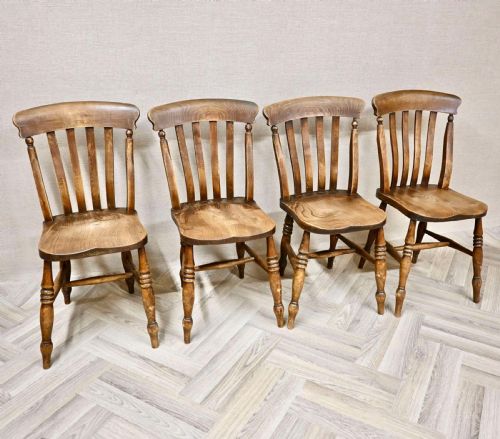
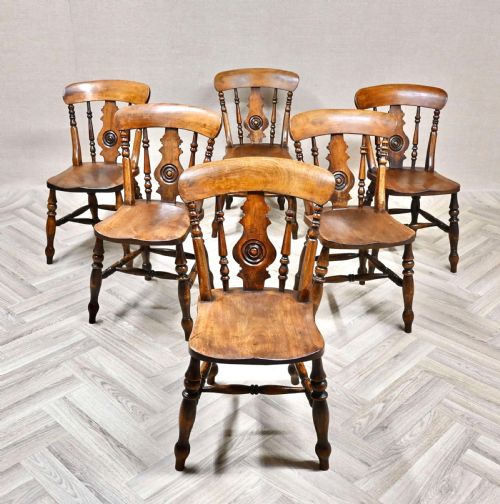
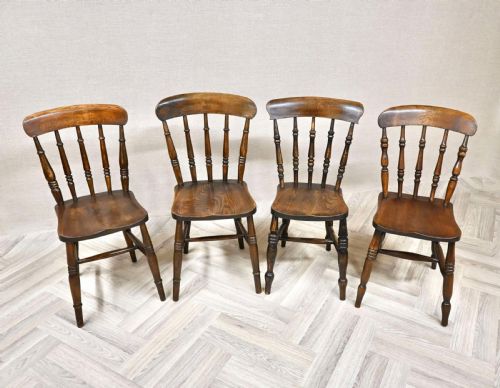
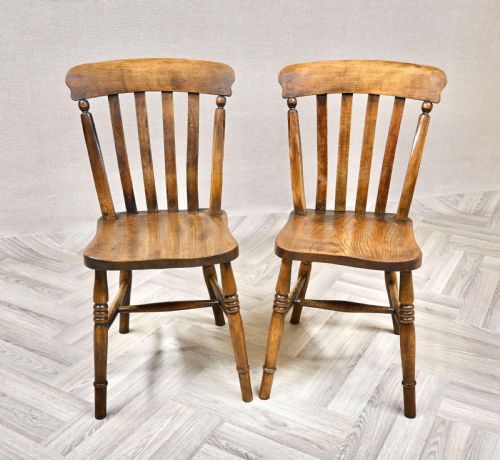
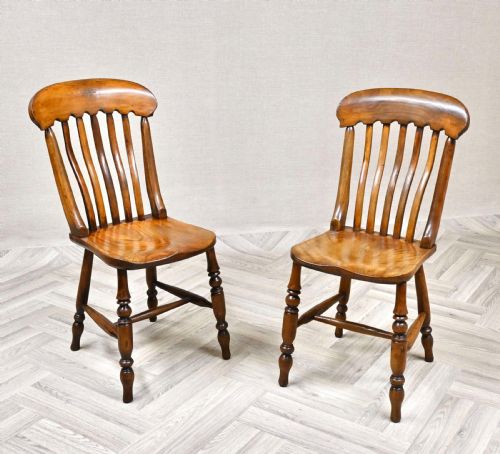
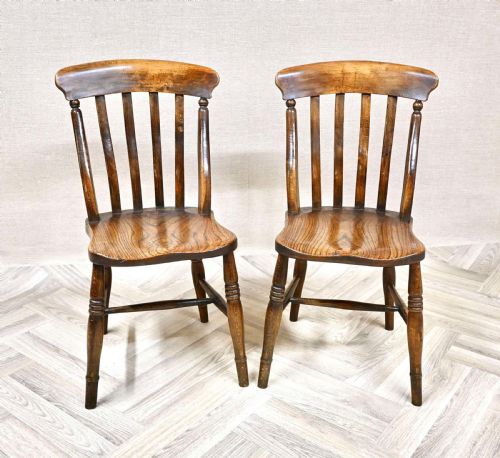
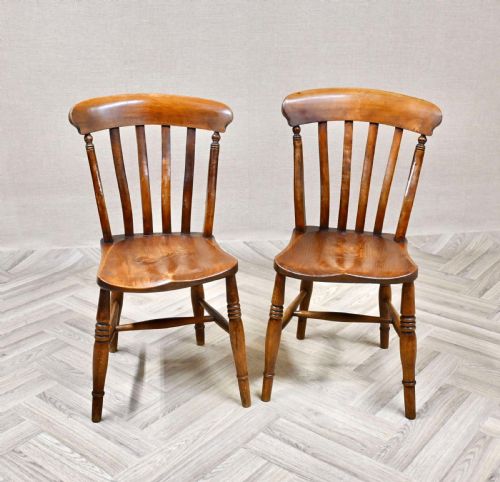
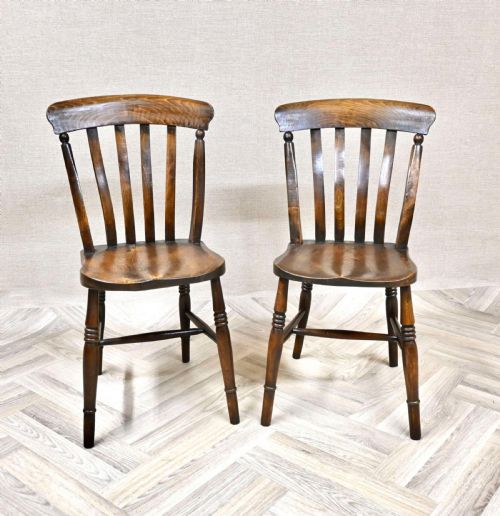
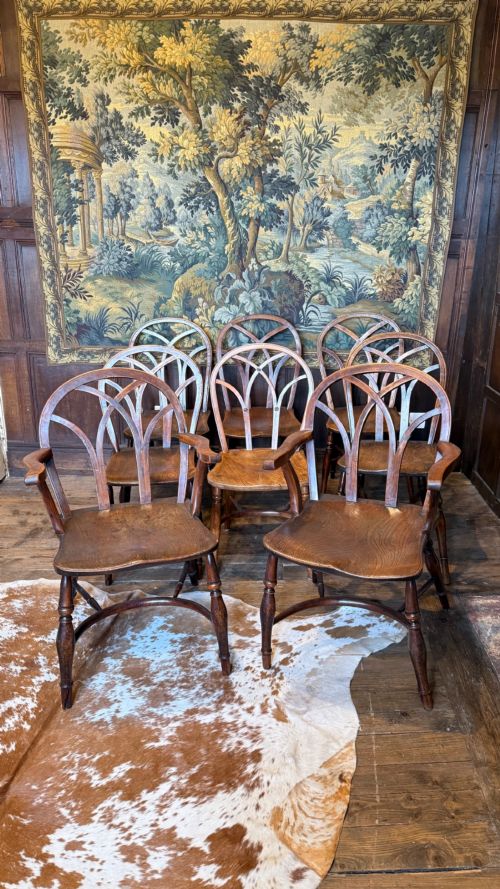
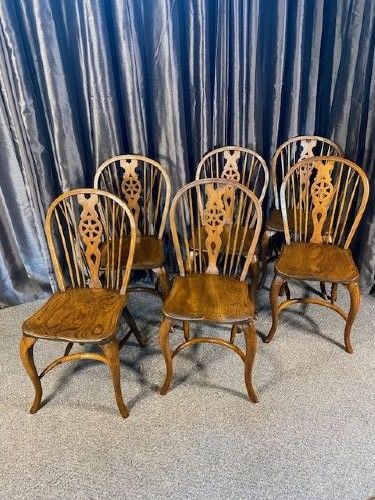
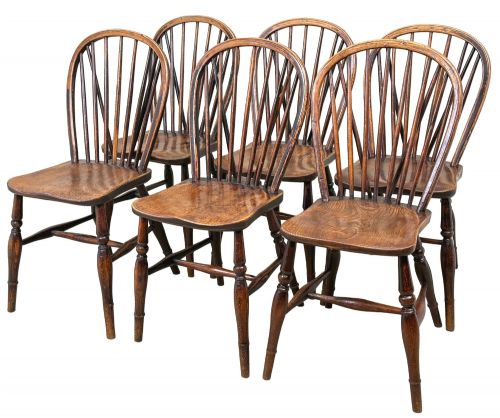
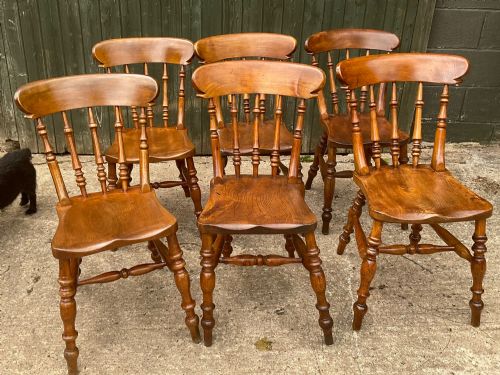
Elm Windsor Side Chairs
These elm windsor side chairs are robust vernacular seating pieces offering enduring character and practical utility for modern dining spaces.
Elm Windsor Side Chairs
Elm windsor side chairs are traditional seating options primarily encountered in nineteenth century and Victorian kitchen, farmhouse, and dining configurations. These functional pieces combine sturdy turned legs with sculpted wooden seats designed for everyday domestic use.
Construction Materials and Techniques
Maker traditions rely on combining timbers, most frequently pairing an elm seat with ash, beech, oak, fruitwood, or yew for the spindles, legs, and bentwood bows. Elm is chosen for the seat because its interlocking grain resists splitting when bored and shaped.
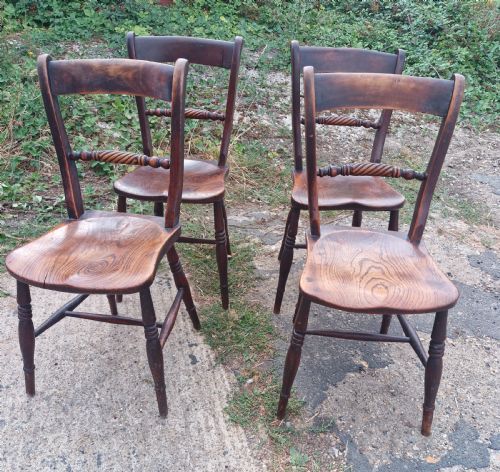
Joinery techniques involve wedging legs and spindles directly into drilled seats and employing steam bending methods to shape the continuous back rails. This construction produces rigid, resilient frames without relying on extensive metal fasteners.
Many nineteenth century kitchen chairs retain traces of old paint and scuffs from decades of family suppers and busy cottage life.
Factors Distinguishing Quality
Quality differences emerge through the selection of timber contrasts, particularly in multi-wood construction where grain patterns on the elm seat and ash framing are pronounced. Superior examples display balanced proportions, finely turned spindles, and deeply sculpted saddle seats.
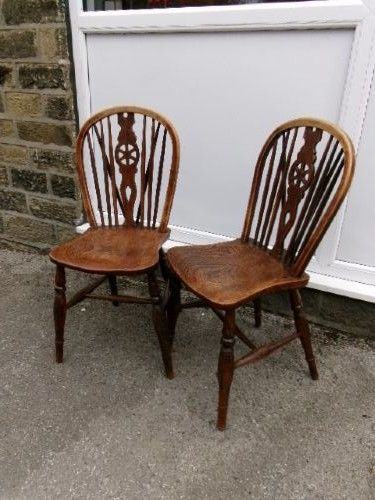
The integrity of the original joints and the consistency within matched sets elevate certain groups above standard utility seating. Subtle details in the piercing of splats, such as wheel or lyre motifs, further separate standard regional pieces from finer workshop productions.
Worksop
The Elm Windsor Side Chairs Glossary
- Windsor chair
- A chair built with a solid wooden seat into which the legs and back spindles are raked directly. This construction method creates a durable frame where individual components share the load.
- Lathback
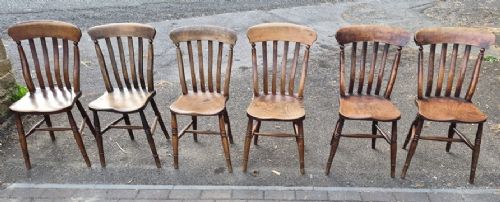
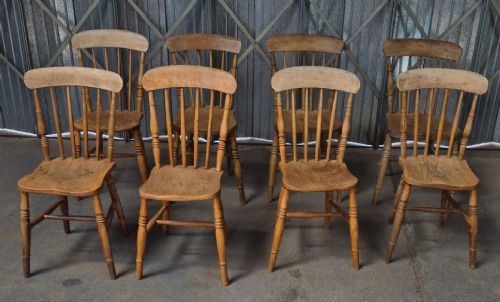
- A chair back featuring vertical wooden slats, or laths, tenoned into a bentwood bow. This style provides solid support while maintaining a lighter profile than solid splat backs.
- Wheelback
- A design incorporating a pierced wooden splat carved in the shape of a cartwheel. It is a common decorative feature found on nineteenth century dining and kitchen chairs.
- Comb back
- A Windsor chair style where the top bow resembles the teeth of a comb, often extended with small arm supports. This form appeared during the eighteenth century.
- Penny seat
- A seat base showing a circular depression shaped by an adze or scorp, resembling a large coin. This shaping enhances the ergonomic comfort of the wooden seat.
Elm Windsor Side Chairs: Frequently Asked Questions
How do I care for antique elm furniture?
Maintain elm furniture by keeping it away from direct heat sources and sudden humidity changes to prevent the timber from splitting. Regular dusting with a dry cloth and occasional application of appropriate wax preserves the finish.
Avoid using harsh chemical polishes that can degrade the historic surface over time. Gentle handling ensures the original joints remain secure.
How are chair periods identified?
Periods are identified by examining the turning style of the legs, the shape of the back bow, and the method of construction. Earlier eighteenth century pieces often feature comb backs and mixed timbers like fruitwood, while Victorian examples frequently include wheelbacks and lathbacks.
Tool marks on the underside of the seat and the type of grain wear also provide clues to the age of the piece.
Can these chairs be used daily?
These chairs are structurally designed for daily domestic use, having served generations in kitchens and dining rooms. Their robust stick construction makes them well suited for modern dining tables.
Checking that the leg joints and back spindles are firmly fixed ensures safe everyday seating.