


Vintage Country Carver
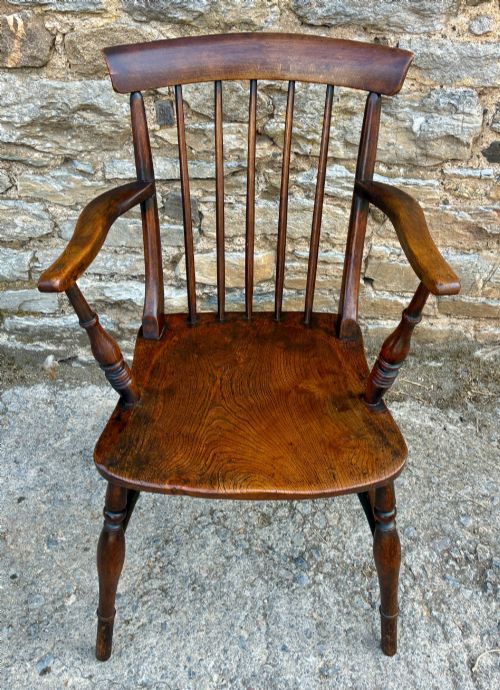
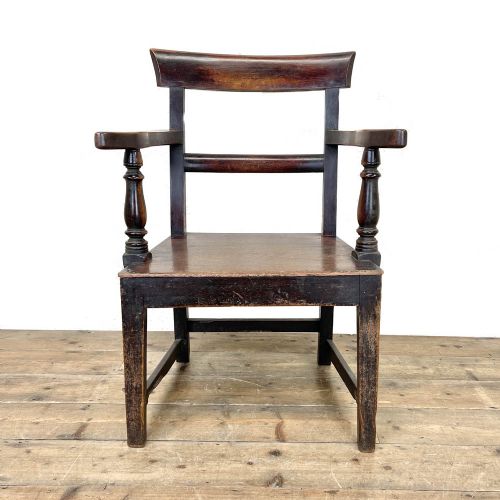
A vintage country carver brings honest timber and local craft straight to the kitchen or hall, offering a sturdy seat built for daily use.
Vintage Country Carver
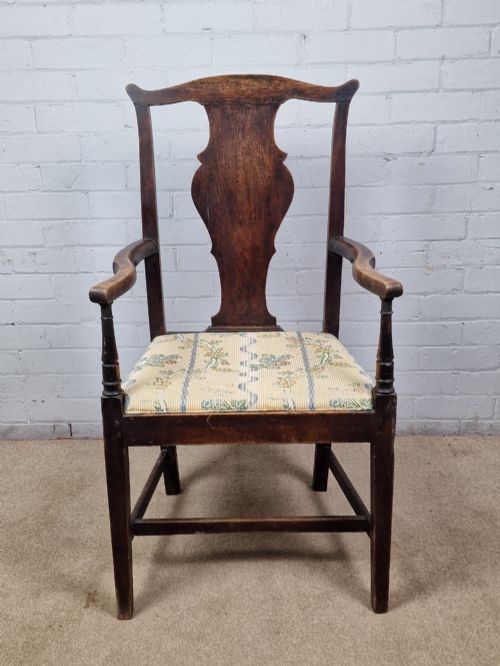
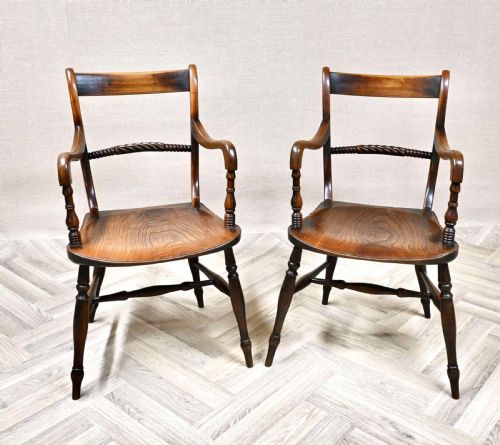
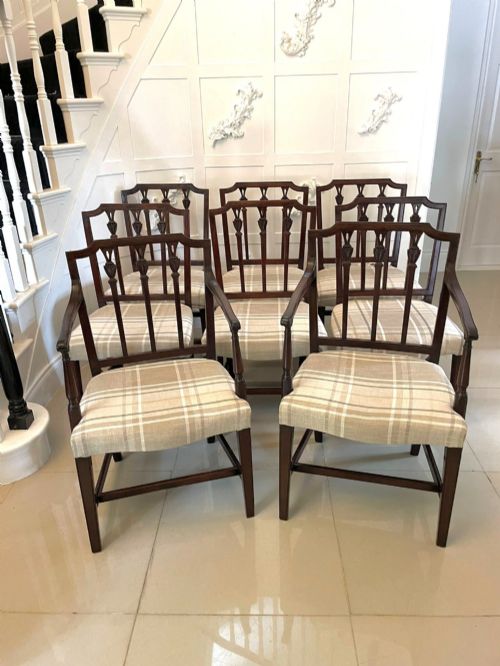
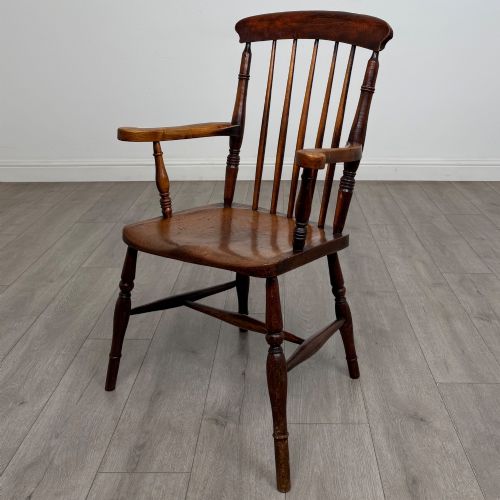
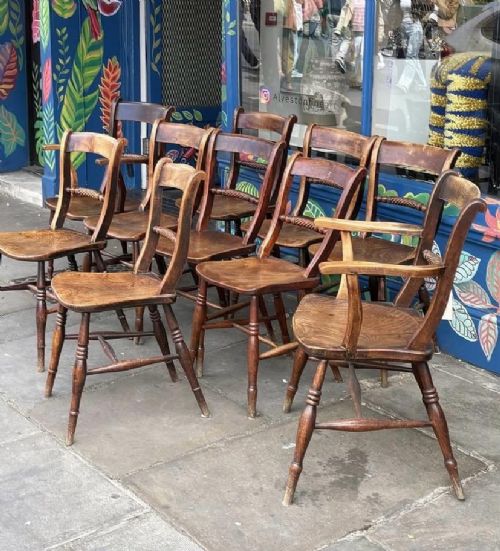
When you search for a vintage country carver, you are looking at sturdy seating rooted in domestic vernacular traditions rather than formal urban workshops. These pieces span centuries of rural joinery, encompassing everything from simple kitchen chairs to robust parlor armchairs.
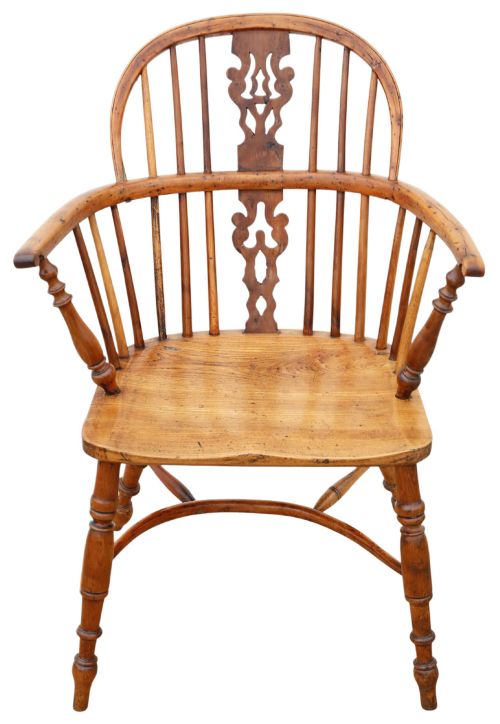
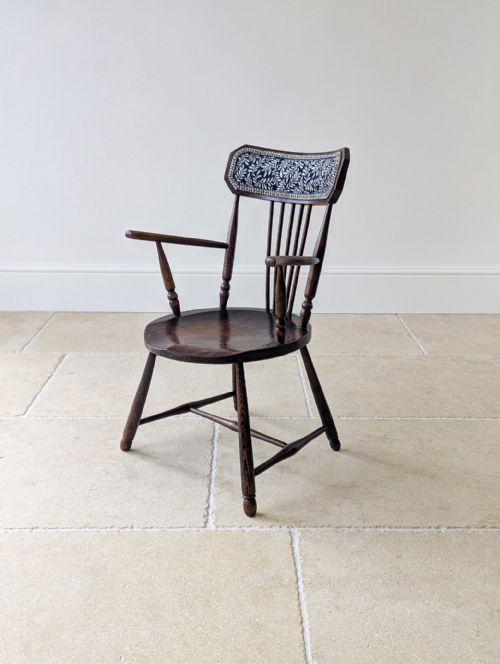
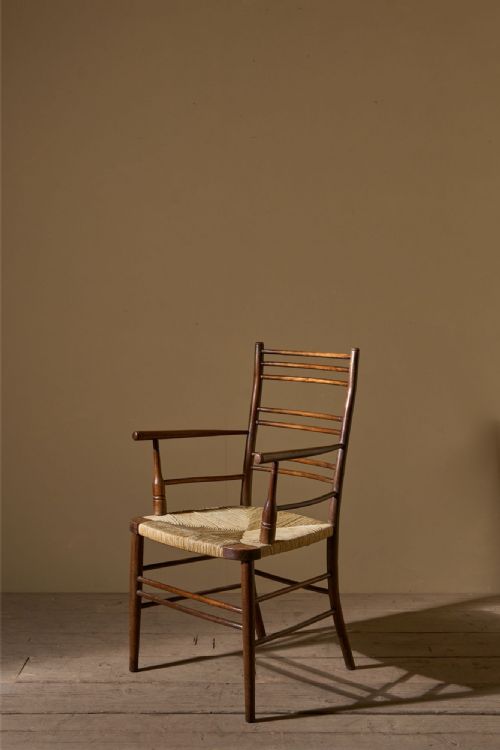
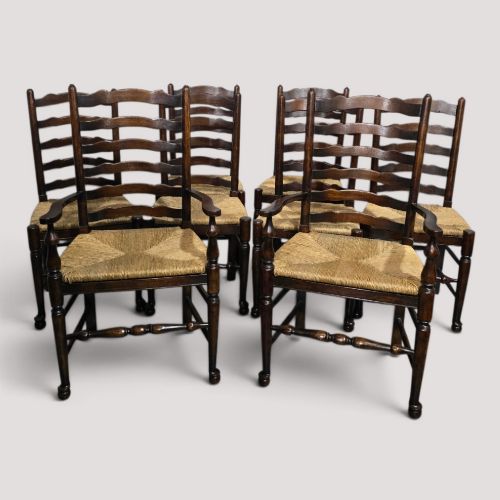
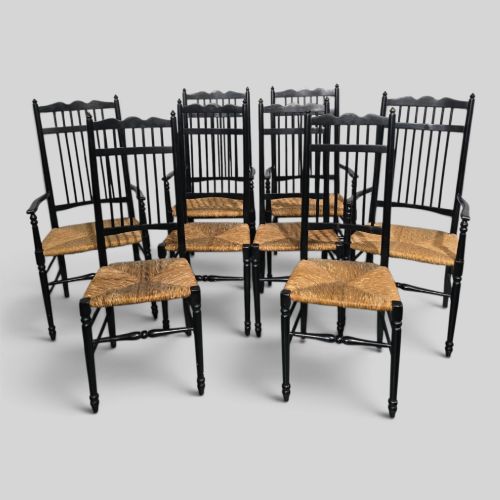
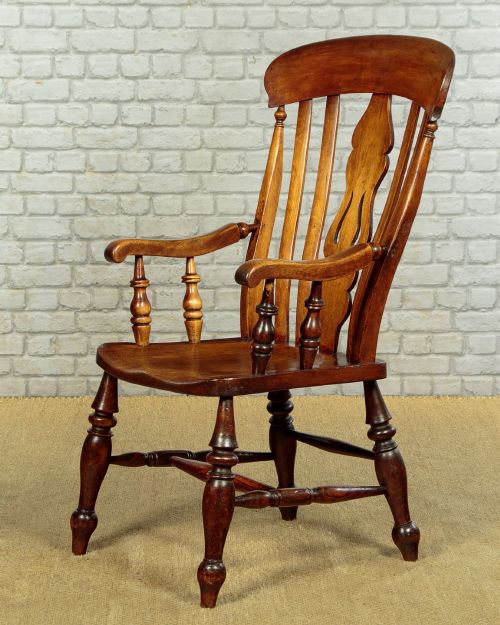
You are most likely to meet Windsor forms on this page, alongside ladder backs and spindle-backed elbow chairs. They come in woods like elm, ash, and beech, reflecting the local timber available to regional makers across the British Isles.
How they were made
Makers relied on solid regional timbers, pairing strong elm seats with bent ash or beech for hoops and spindles. This mixed construction gave each chair resilience under heavy use.
Turned components and pegged joints held the structure together without modern hardware, while rush or solid wood provided straightforward, durable seating surfaces.
The documented periods span the eighteenth, nineteenth, and early twentieth centuries.
What varies in quality
The standard of a carver rests in the thickness of the plank seat and the grace of the steam-bent back rail. Superior examples show careful tapering in the spindles and a balanced, symmetrical hoop.
Wear on the feet and arms tells a story of long domestic service, but the integrity of the wedged joints and the choice of native woods ultimately define the better pieces.
Wheelers of Arncroach
The Vintage Country Carver Glossary
- Windsor
- A chair constructed with a solid wooden seat into which the legs and back spindles are directly bored and wedged. This form relies on a strong central plank for structural stability.
- Vernacular
- Everyday objects made by regional artisans following local traditions rather than strict academic design patterns. These pieces prioritise utility and local materials.
- Hoop back
- A continuous steam-bent piece of wood forming the top rail and arms of a Windsor chair. It provides a smooth, rounded support for the sitter.
- Spindle
- A slender, turned wooden rod used vertically to fill the back of a chair. Spindles distribute weight evenly and offer comfortable support.
Vintage Country Carver: Frequently Asked Questions
What is a country carver?
A country carver is a sturdy wooden armchair with low or high arms, designed for practical use in farmhouses, kitchens, and informal dining rooms.
Unlike formal parlour furniture, these chairs emphasise honest timber construction, turned spindles, and solid plank seats shaped for comfort.
How were Windsor chairs built?
Windsor chairs are built around a thick wooden seat plank that anchors all the structural parts. The legs are inserted directly into the underside, while the back spindles and bow fit into holes bored into the top.
This method creates a rigid frame without relying on conventional box stretchers, though many examples include them for extra bracing.
Where did these chairs originate?
Country chairs emerged from regional woodworking traditions across the British countryside, where local turners and village joiners supplied households. Makers utilised whatever native hardwoods grew nearby.
As a result, chairs from different counties developed distinct characteristics in their turnings, hoop shapes, and wood combinations.
How do I care for solid wood?
Keep wooden carvers away from direct heat sources and sudden temperature shifts to prevent the timber from drying out or splitting. An occasional application of beeswax helps maintain the natural lustre of the old finish.
Avoid harsh modern cleaning sprays, relying instead on a soft, dry cloth to remove dust from the turnings and joints.