
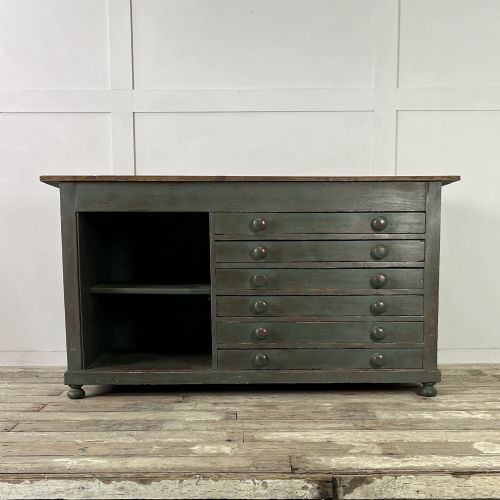


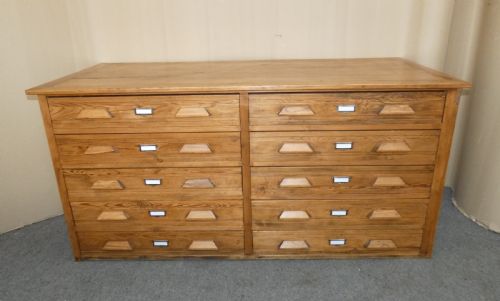
Vintage Counter Cabinet
A vintage counter cabinet brings utilitarian shop storage into domestic rooms, offering glazed display and tidy compartments.
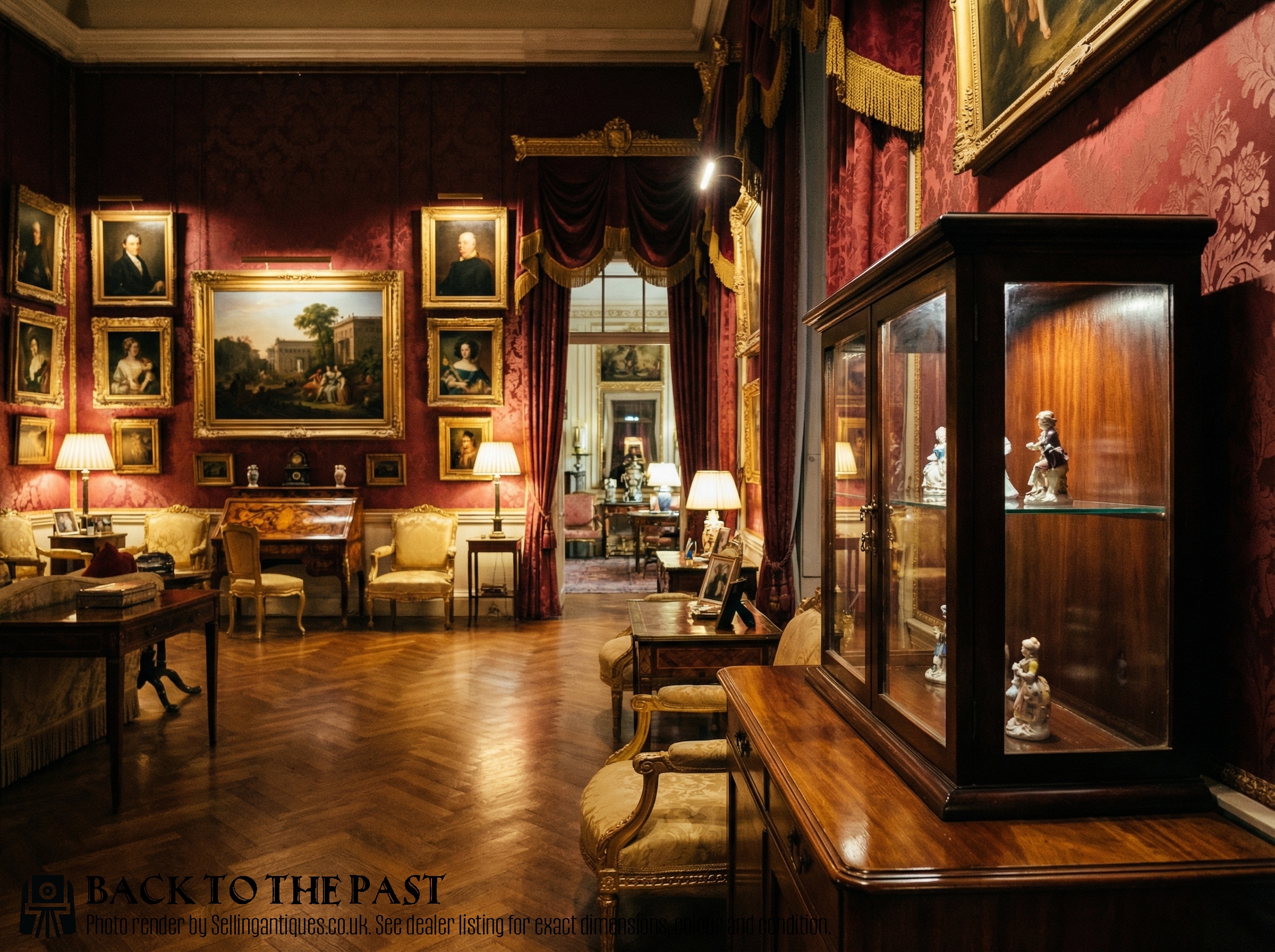
Vintage Counter Cabinet
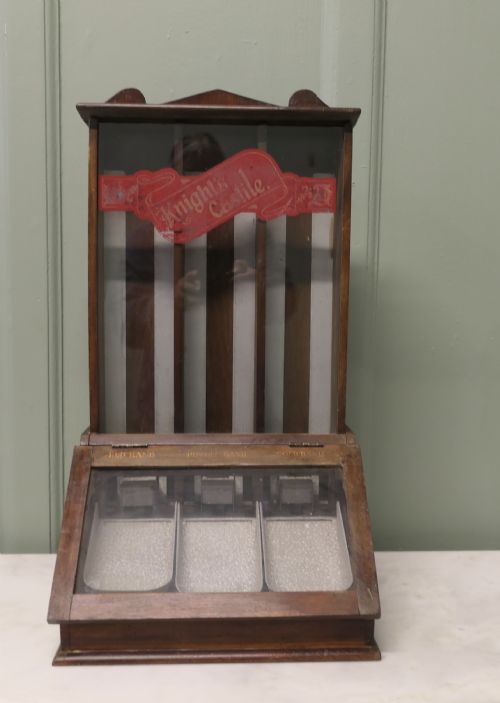
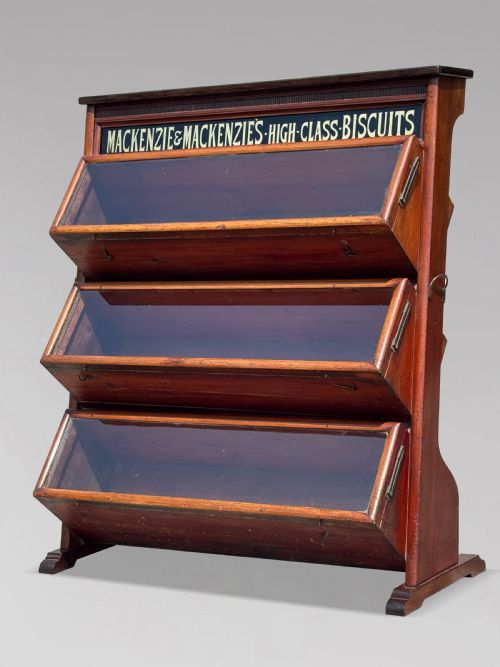
A vintage counter cabinet serves as a retail display unit or small storage case designed to sit upon shop counters or work surfaces. Buyers searching for a vintage counter cabinet most often encounter Edwardian and 1920s oak or mahogany examples with glass panels.
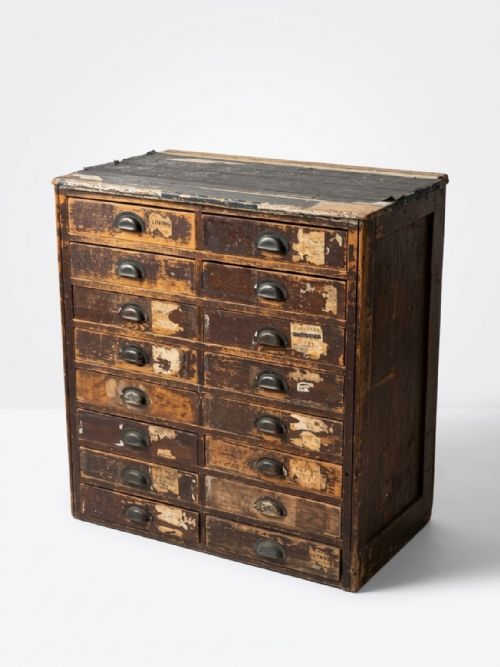
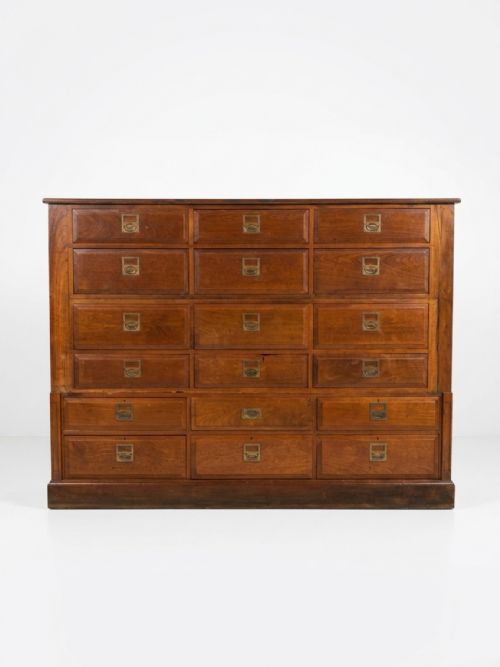
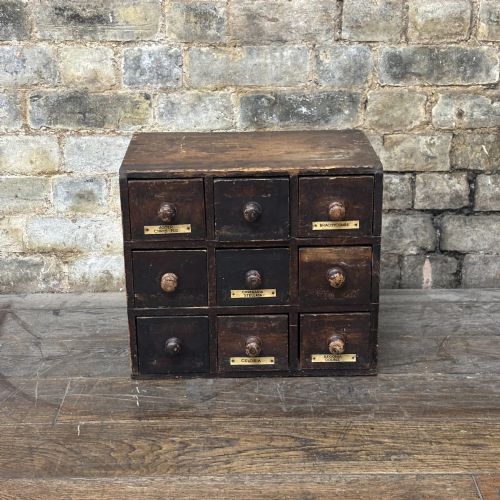
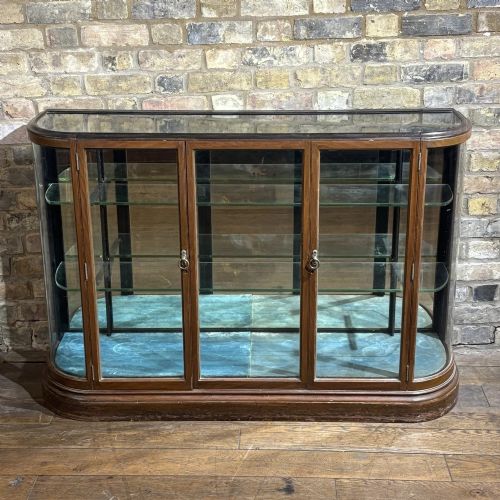
The selection includes low countertop display cases, haberdashery drawer units, and specialised advertising cabinets from chemists and confectioners. These pieces originate from commercial spaces, translating shop fittings into functional home furniture.
Materials and construction
Frames rely upon sturdy timbers like oak, pine, and mahogany, frequently joined to support glass panels and heavy drawer contents. Brass hardware, metal handles, and chrome accents complete the structural fittings of these commercial pieces.
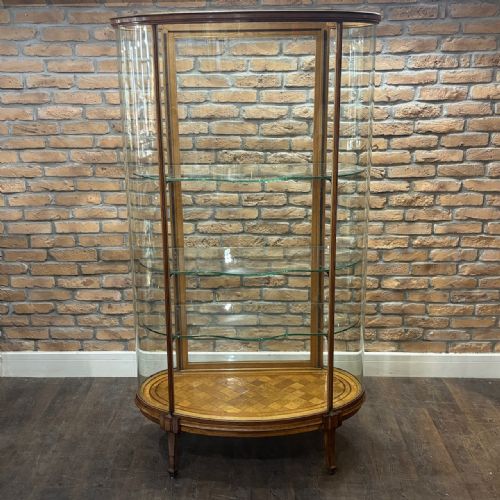
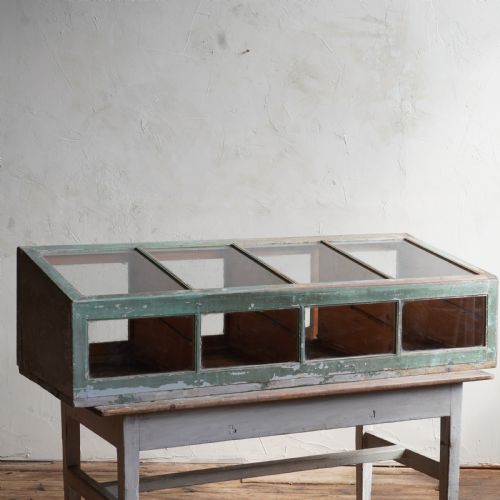
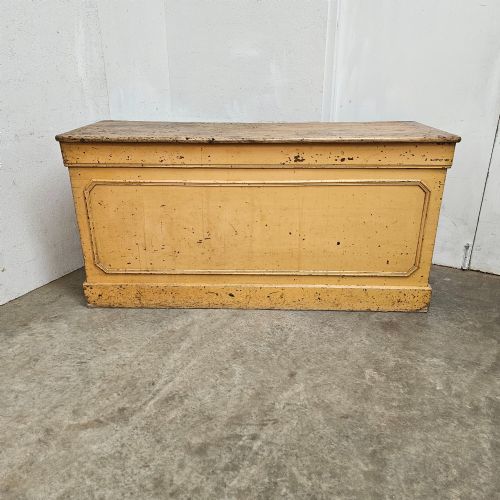
Surfaces exhibit either polished hardwood finishes or layered original paintwork, ranging from distressed whites to vibrant greens. Glazing methods vary from simple tabletop cases to curved bow-end glass fronts.
Listings feature oak, pine, mahogany, and brass across periods spanning the Victorian era through to the Art Deco years of the 1930s.
Assessing quality
Quality rests upon the integrity of the timber framing, the clarity of the original glass, and the smooth operation of drawers or hinged doors. Superior pieces retain their authentic branded lettering, original painted surfaces, and manufacturer stamps.
Plain utilitarian boxes sit at the accessible end, whilst designated maker-marked cabinets with architectural mouldings and mirrored interiors represent the upper tier of the range.
F. Sage & Co·Dudley & Co
The Vintage Counter Cabinet Glossary
- Haberdashery
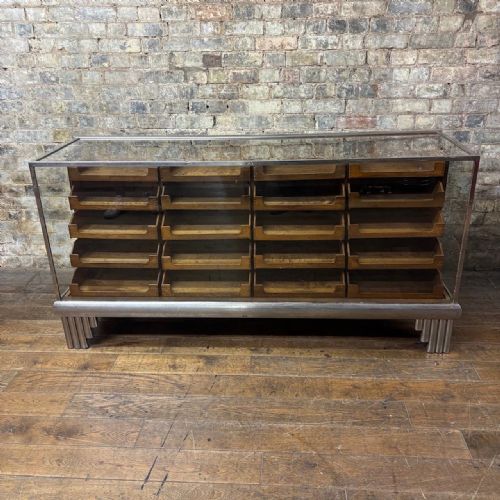
- A cabinet or bank of drawers originally utilised for storing sewing notions, ribbons, and small textiles. These units typically feature numerous shallow drawers with glass fronts or brass label holders.
- Vitrine
- A glass-sided display case designed to showcase delicate objects or retail merchandise. The term describes freestanding or countertop cabinets built primarily for visibility.
- Bow end
- A display counter or cabinet featuring a curved glass front. This technique softens the rectangular geometry and maximises light entry.
- Chemist drawer
- A specialised apothecary or pharmacy storage drawer, often found in multi-drawer shop fittings. They indicate medical or herbal storage origins.
Vintage Counter Cabinet: Frequently Asked Questions
What were counter cabinets used for?
Merchants utilised these cabinets to display confectionery, cottons, medicines, and small wares directly to customers across the shop counter.
Today, they serve comparable display purposes in homes, organising collections while keeping items visible and protected behind glass.
How do I style a counter cabinet at home?
Place a tabletop glass case upon a sideboard or desk to exhibit ceramics, books, or small curiosities safely out of reach.
Drawer units function well in kitchens or studies for sorting stationery, art supplies, or table linens within traditional interiors.
How do I tell Edwardian cabinets from Victorian ones?
Victorian examples tend toward heavier mahogany structures, deep drawer banks, and occasionally more ornate Gothic or classical detailing.
Edwardian pieces often embrace cleaner commercial lines, lighter oak construction, and large expanses of plate glass suited for early twentieth-century retail.
Are painted finishes on these cabinets original?
Many commercial shop fittings received utilitarian coats of paint during their working lives, which later weathered into distressed patinas.
Evidence shows surviving examples with original white, cream, green, or distressed paint finishes applied during the nineteenth and twentieth centuries.