



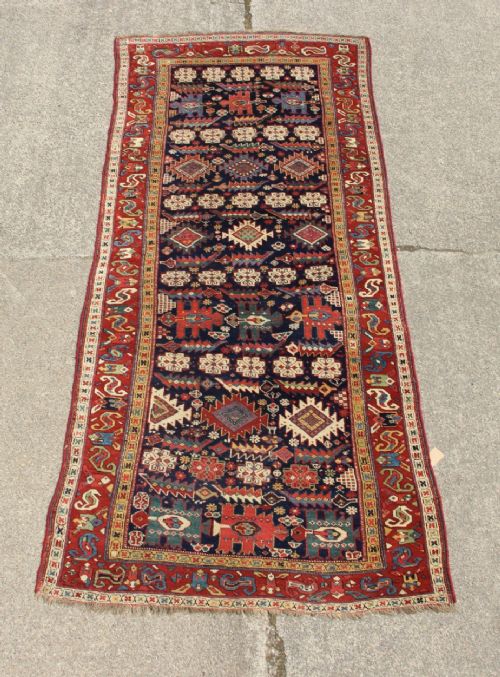
Vintage Corridor Runner
A vintage corridor runner is a long, narrow carpet designed for hallways and landings, bringing warmth and character to high-traffic domestic spaces.
Vintage Corridor Runner
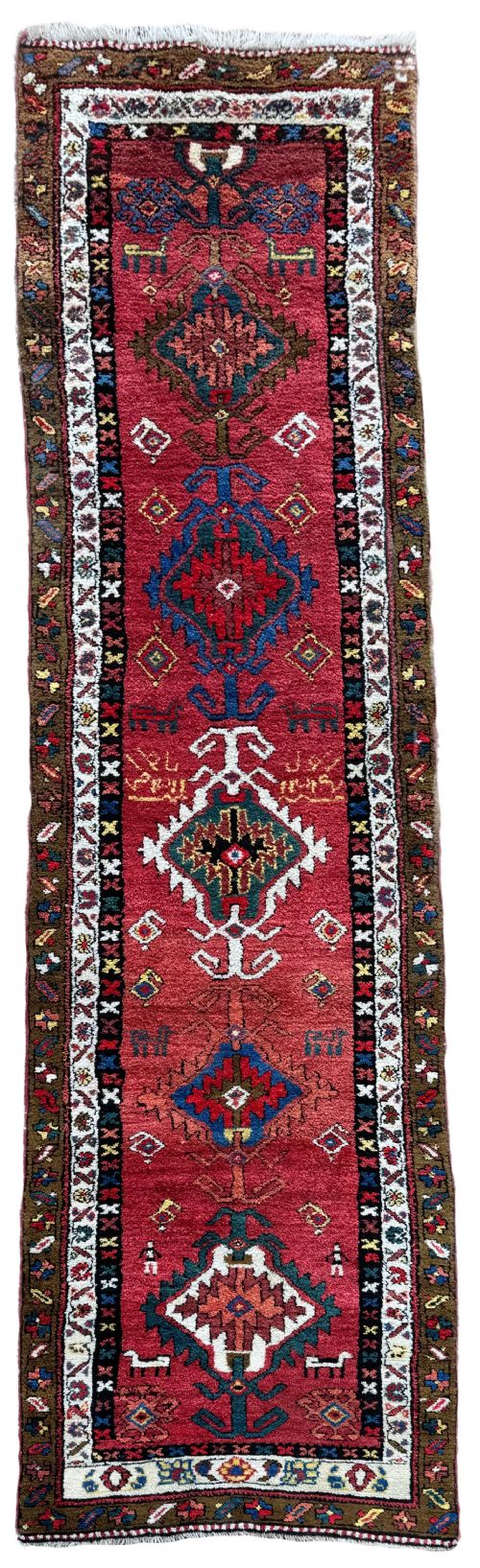
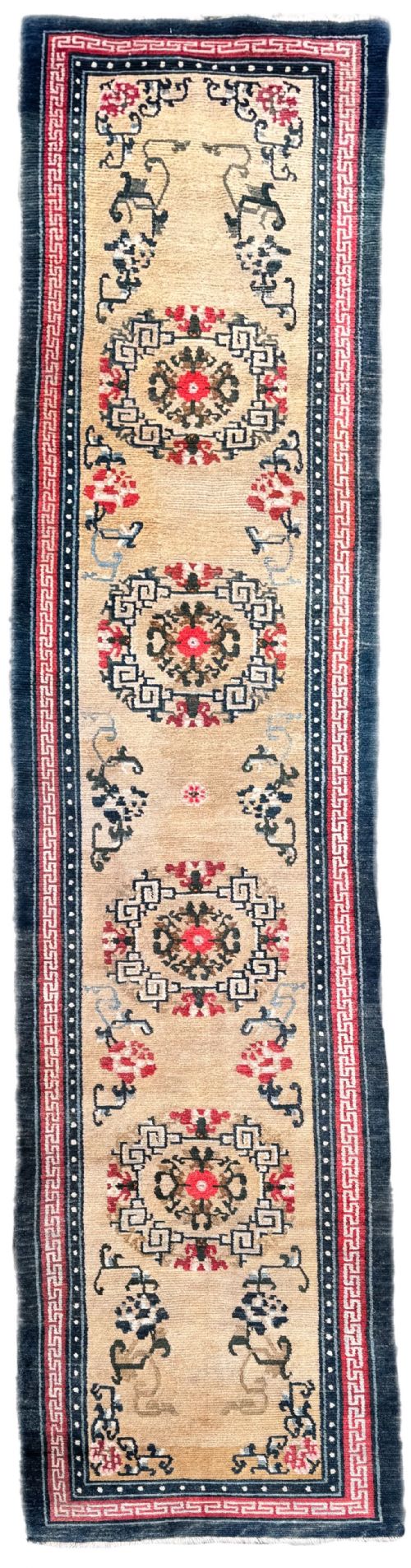
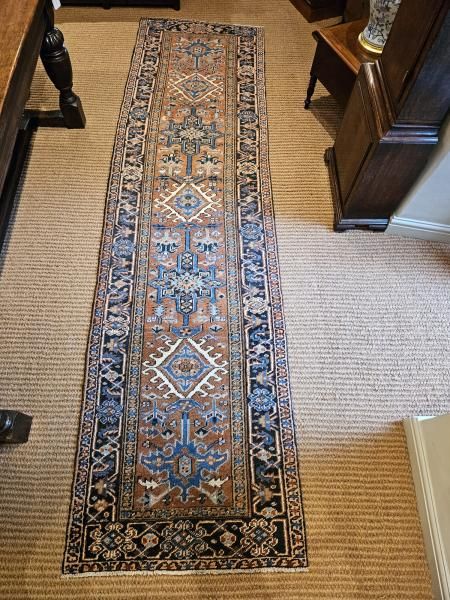
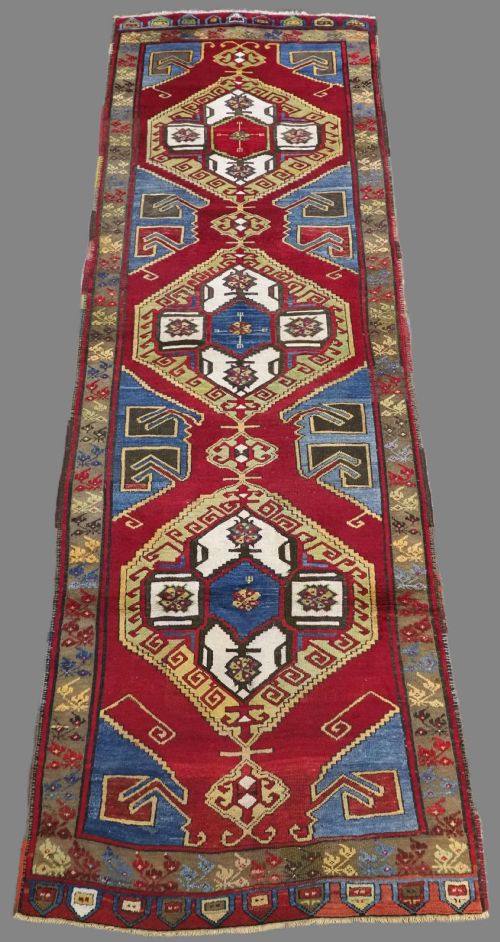
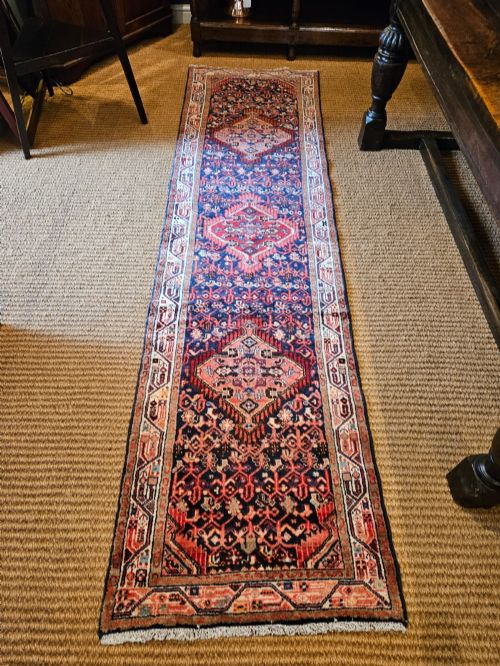
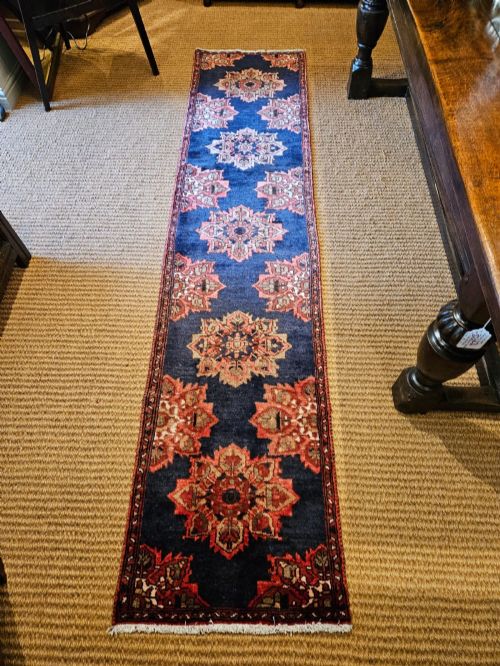
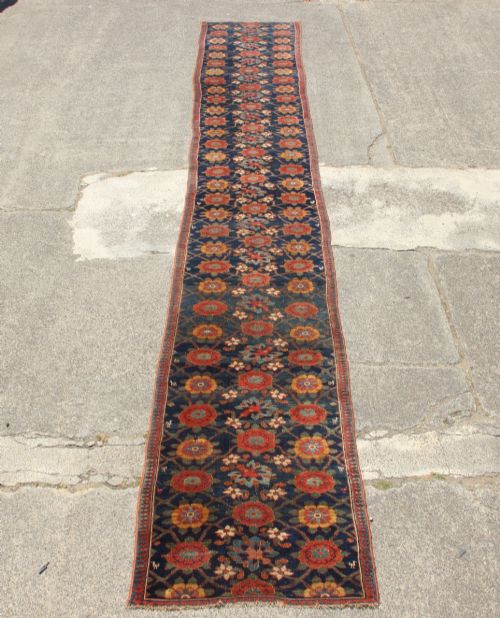
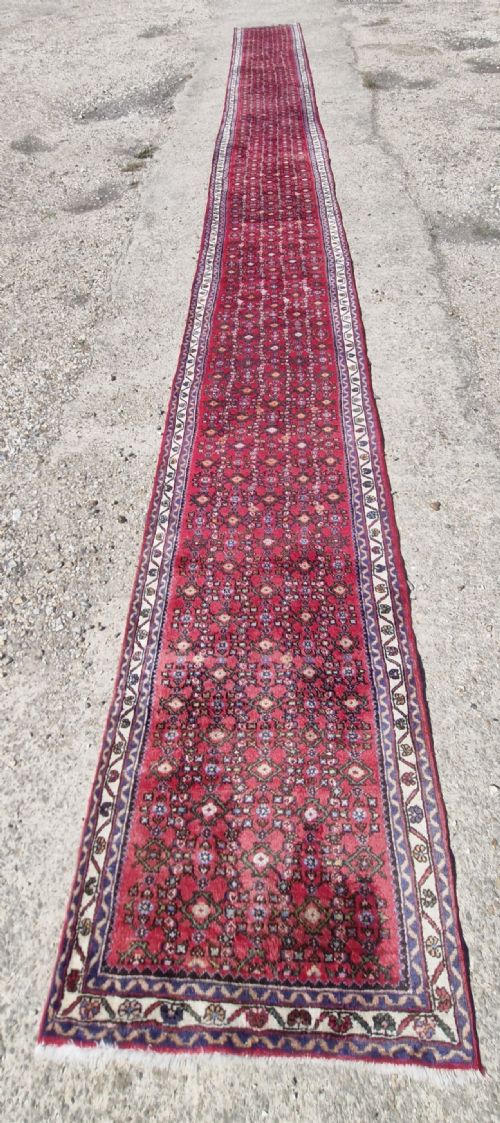
A vintage corridor runner provides a practical floor covering for elongated spaces such as hallways, corridors, and landings. These textiles emerge primarily from nineteenth and early twentieth-century weaving traditions across Persia, the Caucasus, Anatolia, and Tibet.
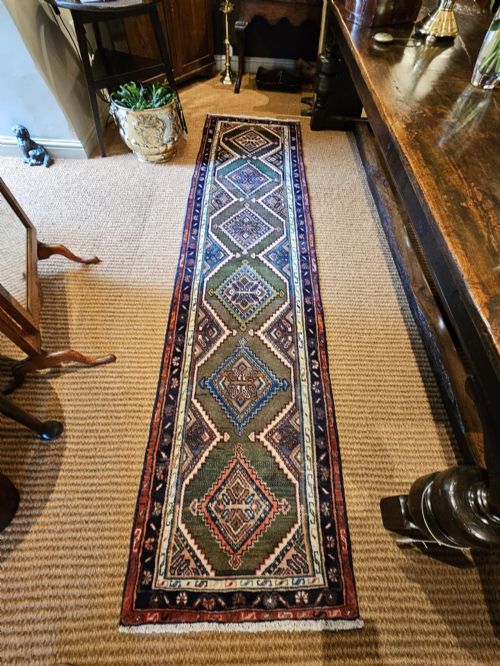
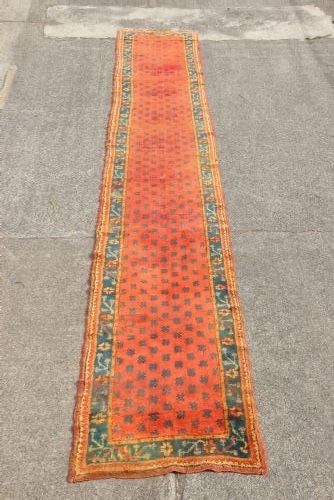
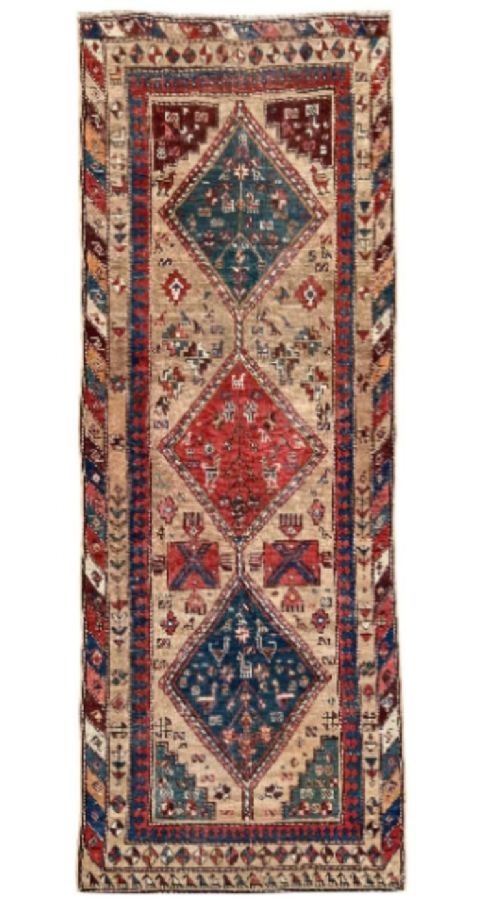
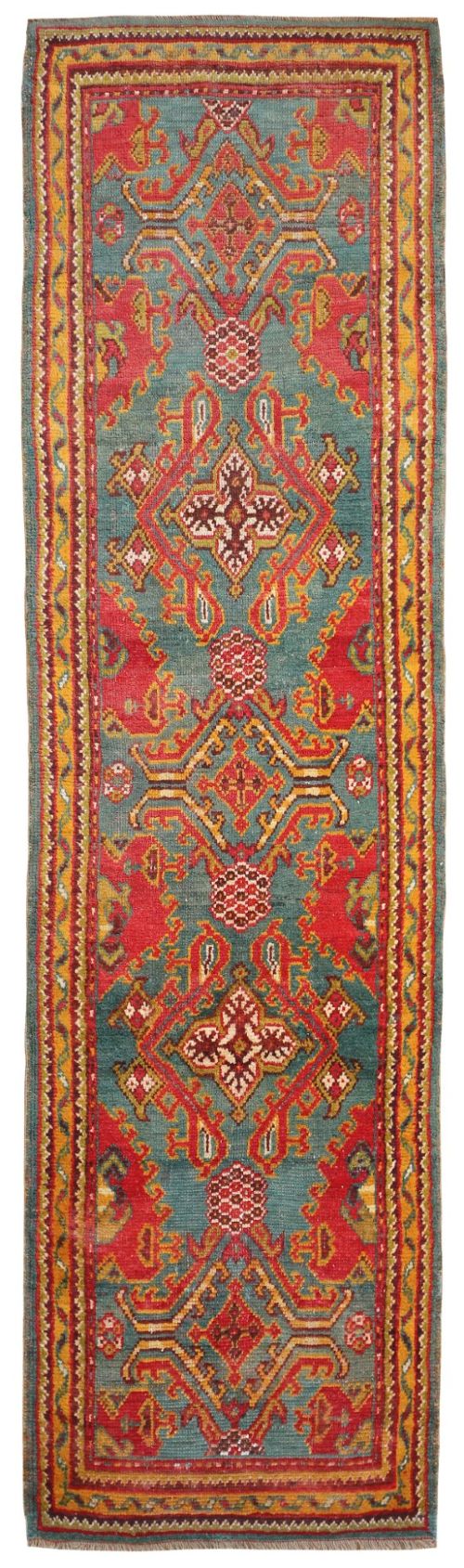
The pieces on this page span diverse tribal and regional aesthetics, including Heriz, Kurdish, Ushak, Caucasian, and Hamadan designs. Dimensions vary significantly, ranging from shorter hallway formats to expansive thirty-two-foot installations.
Most examples take the form of narrow runner rugs and long carpets constructed to fit residential circulation paths. Buyers encounter traditional Persian patterns alongside Anatolian tribal motifs and Kazak geometries.
Materials and construction methods
These textiles rely predominantly on wool and cotton foundations, utilising hand-spun wool for resilient pile surfaces. Natural fibres provide the necessary durability to withstand decades of foot traffic in busy corridors.
Weavers employed traditional knotting techniques on vertical looms, often combining wool pile with sturdy cotton warps and wefts. Regional workshops and tribal groups utilised locally sourced dye materials to achieve distinct colour palettes.
Vintage Corridor Runner Retail Price Guide 2026
Typical asking prices for vintage corridor runner among the pieces listed under this phrase on Sellingantiques today, from the lower quarter to the upper quarter. They describe what is for sale here now, not the wider market.
Some antique rugs embrace their age with wonderfully crooked geometries woven by makers who followed no strict straight lines.
Factors influencing quality
Quality rests on the integrity of the foundation and the density of the wool pile. Tighter knot counts and superior hand-spun wool yield greater resilience against wear in narrow passage spaces.
The clarity and balance of the regional design, alongside the richness of the dye work, distinguish finer tribal and village weaves from standard commercial productions.
The Vintage Corridor Runner Glossary
- Runner
- A long, narrow carpet format specifically proportioned for hallways, corridors, and staircases.
- Knot count
- The number of knots per square unit, determining the density and detail of the pile surface.
- Pile
- The upright yarn loops or cut ends that form the soft upper surface of a woven carpet.
- Warp
- The vertical threads stretched lengthwise on a loom that form the structural foundation of the textile.
- Weft
- The horizontal threads passed across the warp threads to secure the knots in place.
Vintage Corridor Runner: Frequently Asked Questions
Where should I place a long runner?
These narrow carpets suit hallways, corridors, and landings where floors require acoustic softening and warmth underfoot.
They protect high-traffic wooden floorboards while guiding movement through domestic circulation spaces.
How do I measure for a hallway runner?
Measure the clear length of your floor space, leaving adequate exposed wood or tile around the perimeter for a balanced look.
Check door clearances to ensure the pile thickness allows doors to swing open freely over the textile.
What materials make up these vintage rugs?
Most examples utilise natural wool pile combined with cotton or wool foundations for structural support.
Hand-spun wool provides the primary resilience needed for long-term placement in busy corridors.
How do regional styles differ?
Persian Heriz and Hamadan rugs often display geometric medallions and robust floral abstractions suited to structured interiors.
Caucasian and Anatolian tribal pieces tend to feature sharper geometric motifs and distinct village palettes.