


Vintage Corner Display Cupboard
A vintage corner display cupboard turns awkward angles into useful focal points, housing glassware and china while saving floor space.
Vintage Corner Display Cupboard
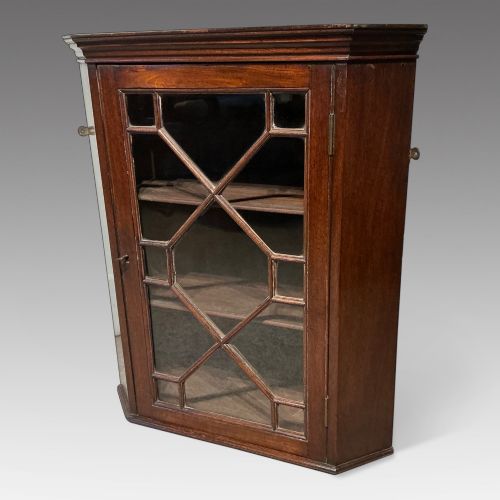
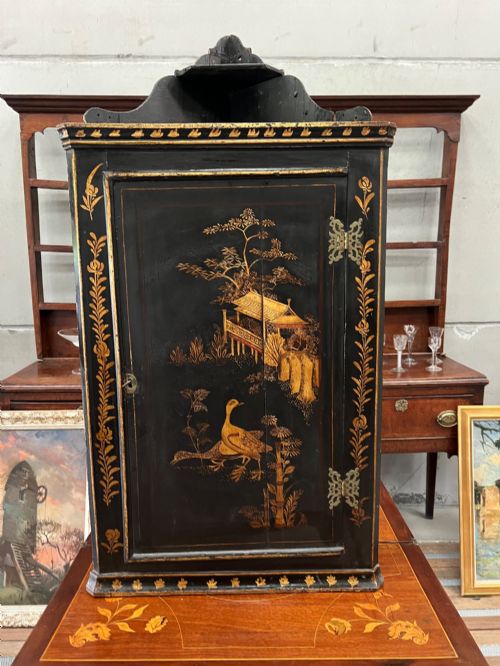
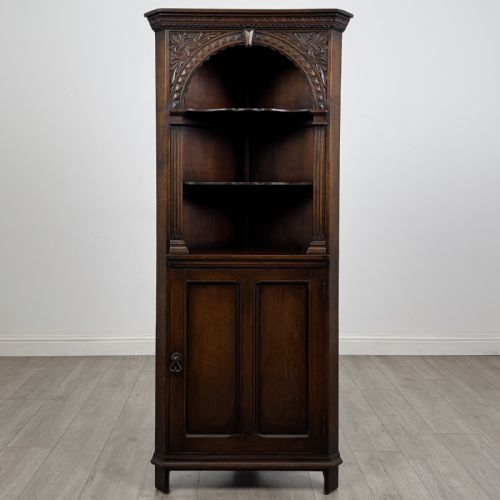
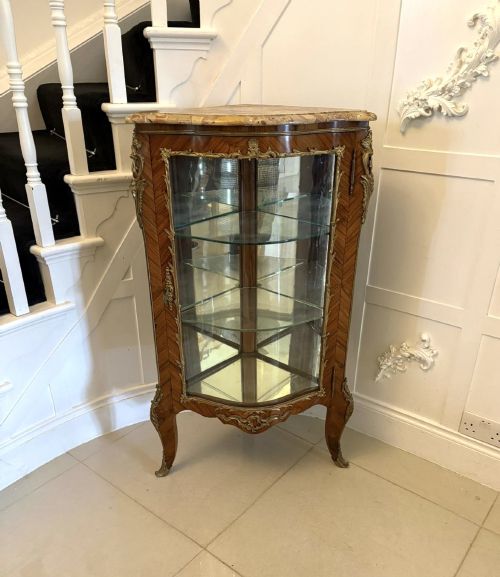
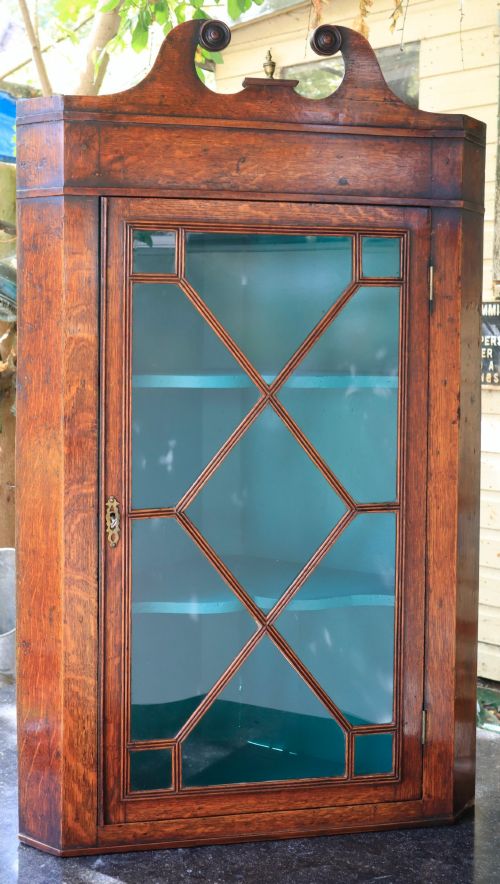
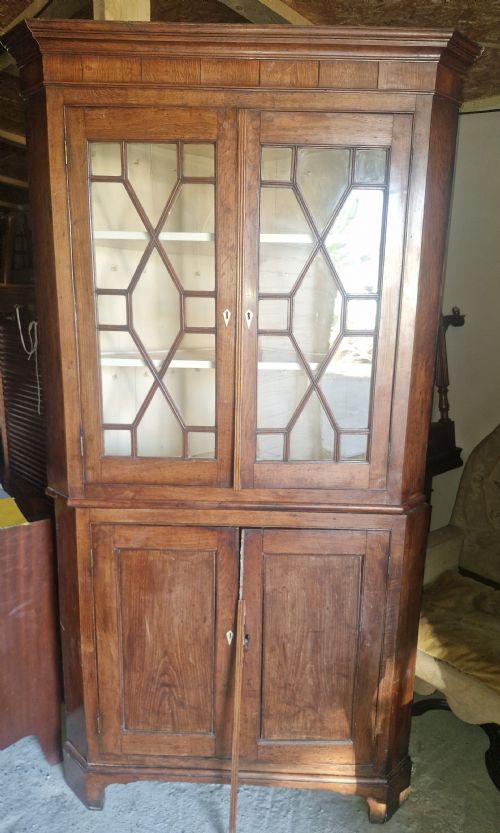
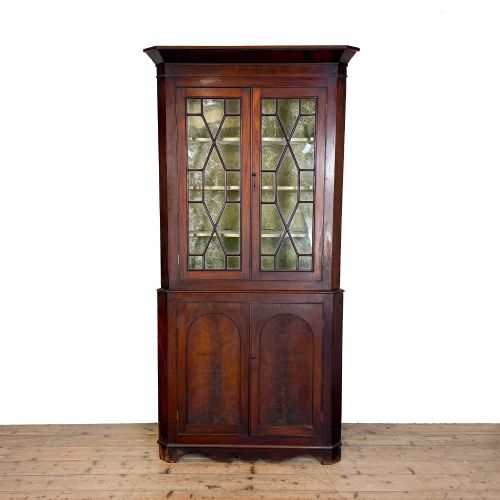
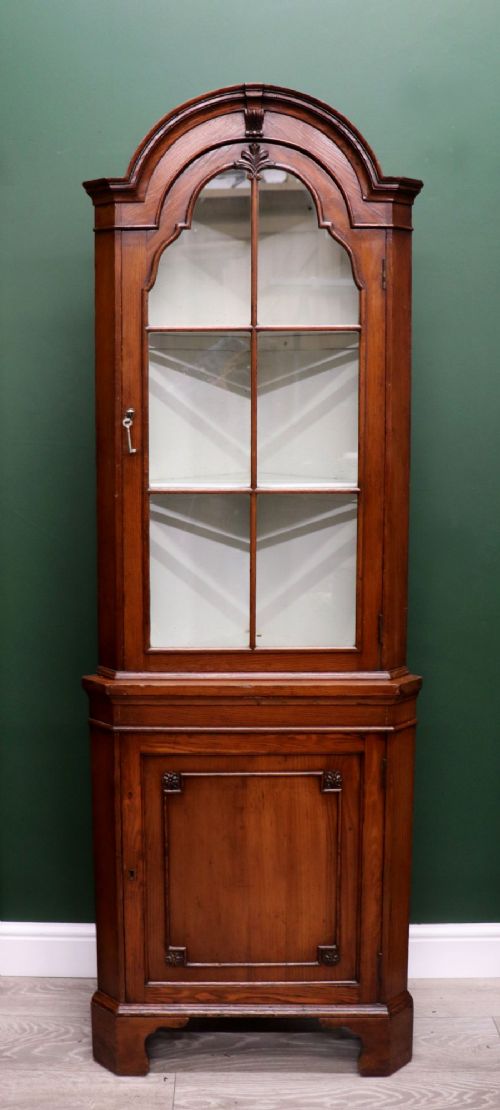
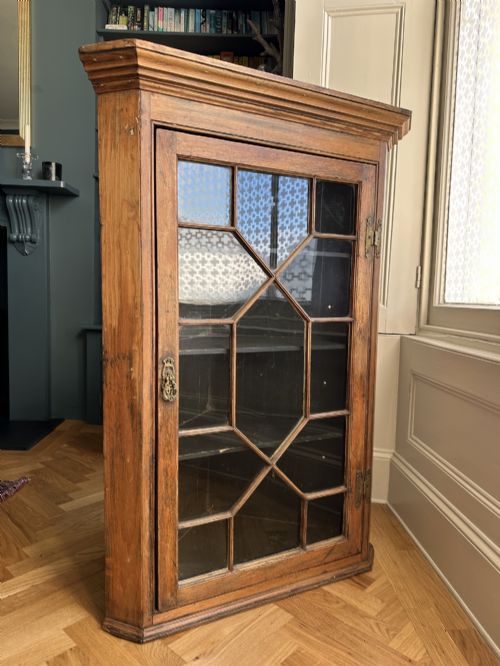
A vintage corner display cupboard solves the perennial problem of utilising dead room space by fitting snugly into a ninety-degree angle. These pieces range from compact wall-hanging units to substantial floor-standing cabinets designed to showcase treasured possessions.
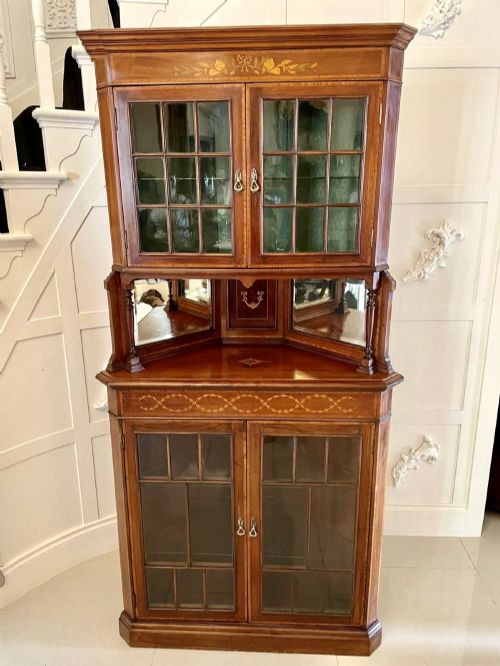
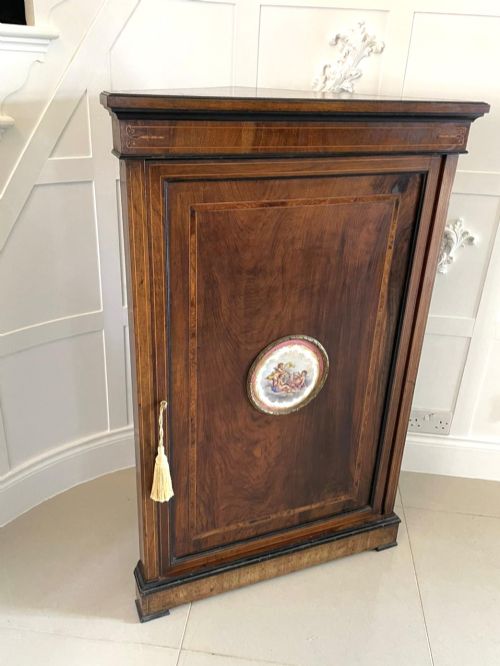
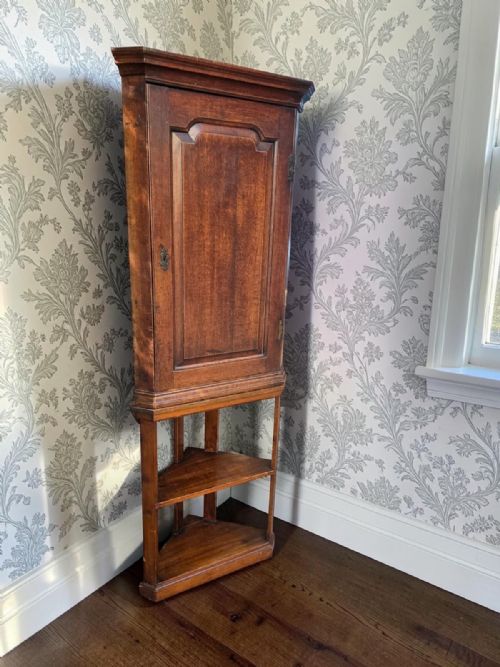
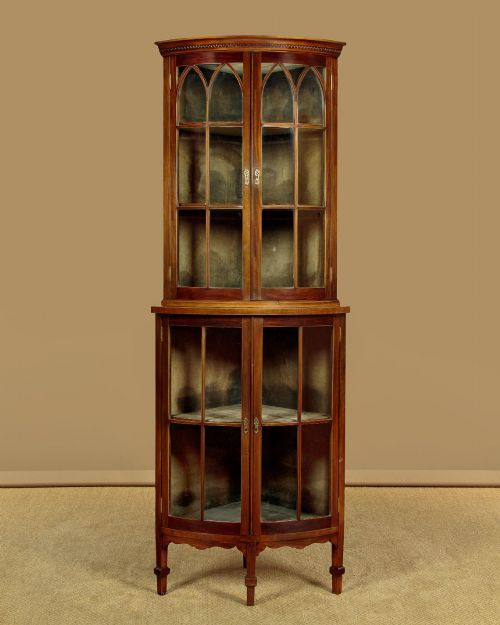
The selections available span multiple centuries and stylistic revivals, with eighteenth-century Georgian oak and mahogany pieces sitting alongside Edwardian satinwood-inlaid iterations. You will frequently encounter glazed doors designed to protect contents from dust while keeping them fully visible.
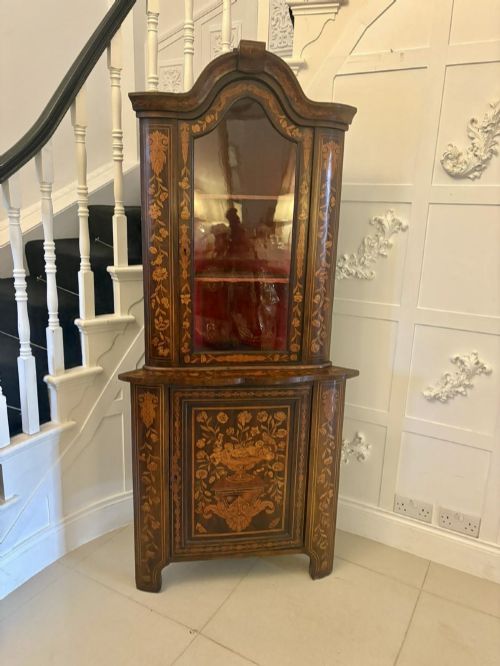
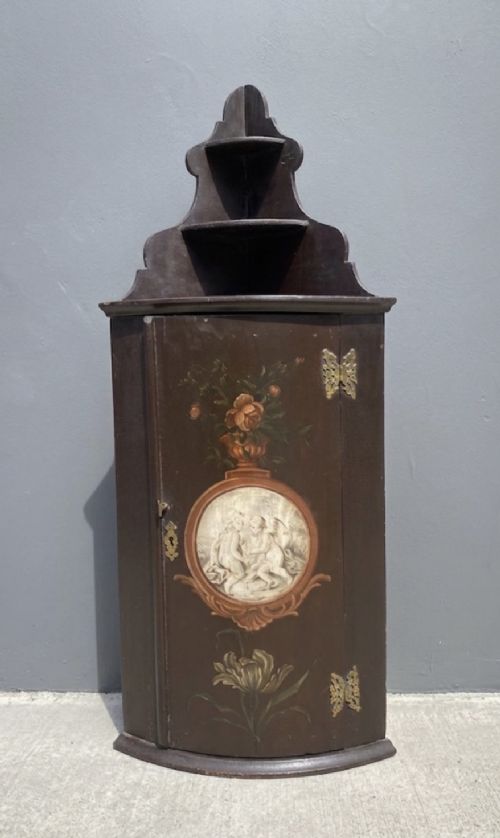
Makers adapted these cabinets for various domestic settings, producing single-door wall cupboards, grand two-part floor-standing furniture, and bow-fronted designs. The interiors often feature shaped wooden shelving or painted backdrops to highlight the objects placed within.
Materials and construction methods
Cabinet makers relied heavily on timber stability, constructing carcases primarily from mahogany, oak, and walnut. Timber selection dictated the character, with figured mahogany and quarter-sawn oak providing durable foundations for intricate marquetry and fine joinery.
Glass production played a vital role in display variations, incorporating glazed panels held by timber glazing bars. Metalwork added structural and decorative contrast, utilising brass hinges, escutcheons, and occasionally ormolu mounts alongside painted interior surfaces.
Vintage Corner Display Cupboard Retail Price Guide 2026
Typical asking prices for vintage corner display cupboard among the pieces listed under this phrase on Sellingantiques today, from the lower quarter to the upper quarter. They describe what is for sale here now, not the wider market.
Pine interiors reveal traces of forgotten brushstrokes where past hands painted cupboards to match long-vanished parlour walls.
Distinguishing quality across examples
The sophistication of the timber veneer and inlay work separates ordinary storage from superior cabinet-making. Pieces featuring delicate satinwood stringing, boxwood banding, or elaborate marquetry reflect considerably higher input from skilled artisans.
Structural integrity reveals itself in the dovetailing of drawers, the snug fit of doors within their frames, and the preservation of original glass and hardware. Finer examples retain their matching keys, original painted interiors, and well-balanced proportions that respect architectural symmetry.
The Vintage Corner Display Cupboard Glossary
- Bow front
- A convex curved front elevation that projects outward. This shape softens the angular geometry typical of corner furniture.
- Marquetry
- Decorative veneer patterns formed by fitting together thin slices of various woods and materials. It creates pictorial or geometric surface designs.
- Glazed door
- A timber-framed door inset with glass panes. This allows visibility of the interior contents while protecting them.
- Vitrine
- A glass-sided display cabinet designed specifically for showing curiosities. Many take the form of corner units to maximise light exposure.
- Escutcheon
- A protective plate surrounding a keyhole. It serves both a functional purpose and a decorative role in cabinet hardware.
Vintage Corner Display Cupboard: Frequently Asked Questions
Can these cabinets fit modern rooms?
These cabinets excel in modern interiors precisely because they occupy neglected room angles rather than consuming valuable floor space. Their varied heights and finishes allow them to complement contemporary and traditional decor schemes alike.
Placing one in a dining area or hallway introduces period character without obstructing foot traffic. The internal shelves provide practical storage for modern glassware while displaying decorative objects.
How do I care for antique timber?
Maintain timber surfaces by applying appropriate furniture wax sparingly and buffing gently with a soft cloth. Avoid placing these cabinets near direct heat sources or in strong sunlight to prevent wood shrinkage and fading.
Consistent indoor humidity levels protect delicate veneers and prevent the historic glues from drying out. Regular dusting with a dry lint-free cloth keeps the polished finish free from abrasive particles.
Are shelves adjustable in older pieces?
Most antique and vintage corner cupboards feature fixed wooden shelves secured within internal dado grooves. This traditional construction method provides rigid stability for the triangular carcase.
Consequently, tall items require careful measurement against the fixed shelf clearances before placement. The stationary shelving forms an integral part of the cabinet's structural rigidity.
What defines Edwardian revival styles?
Edwardian revival pieces draw heavily upon eighteenth-century aesthetic principles, particularly the lighter, more graceful proportions associated with Sheraton and Hepplewhite designs. Makers during this era frequently utilised mahogany as a base for delicate satinwood inlay.
This stylistic movement valued refined craftsmanship and domestic elegance over heavy Victorian mass. The resulting corner cabinets offer a bright, decorative presence suited to smaller drawing rooms.