


Vintage Copper Plate
Vintage copper plate pieces span from heavy hearth vessels and Japanese cloisonné chargers to beaten Arts and Crafts wall plaques, offering warm metallic tones for domestic display.
Vintage Copper Plate
When searching for vintage copper plate, a buyer encounters a diverse range of items including decorative chargers, wall plaques, tableware, and lighting components originating from various global traditions. The selection frequently includes Japanese cloisonné enamel plates, Middle Eastern silver-inlaid vessels, and British Arts and Crafts beaten copper items.
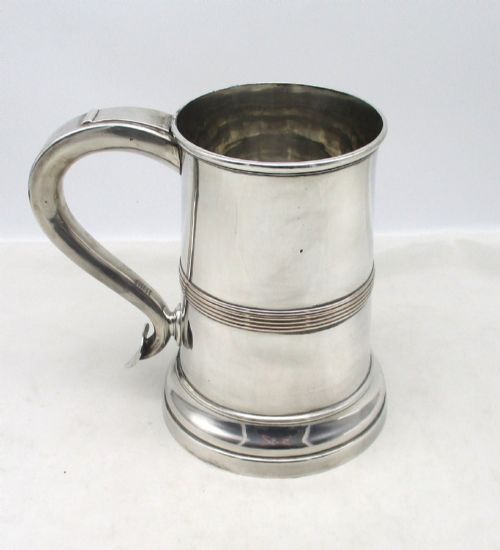
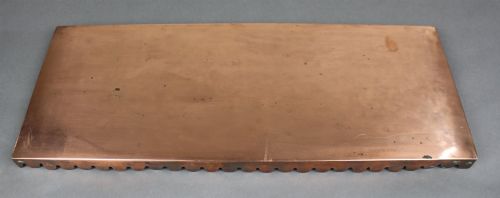
The objects date from the Georgian period through the Victorian era and into the early twentieth century, encompassing distinct regional aesthetics such as Mamluk Revival and Meiji period work. Practical domestic items like tankards, wine coolers, and hearth plates sit alongside purely decorative wall-hung dishes.
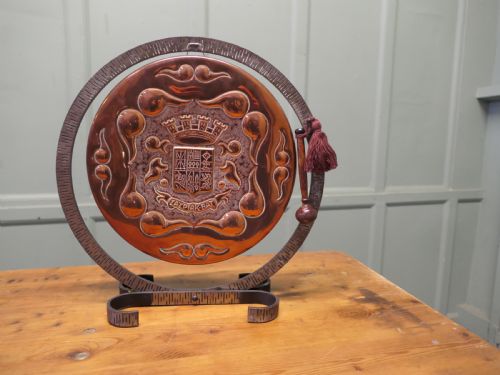
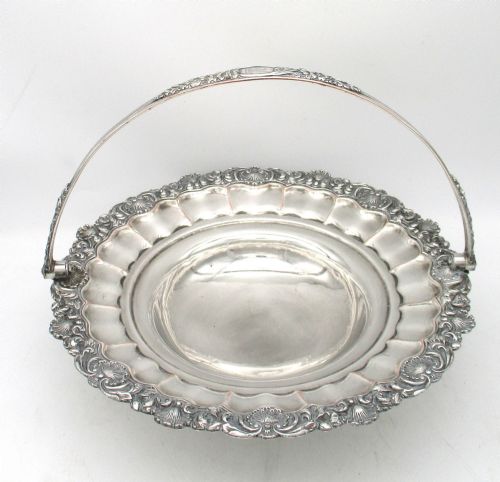
Buyers are most likely to meet round decorative chargers and trays on this page, often featuring hand-hammered surfaces or intricate chased decoration. These pieces reflect both utilitarian origins in British hearths and highly ornate craftsmanship from overseas workshops.
How they were made
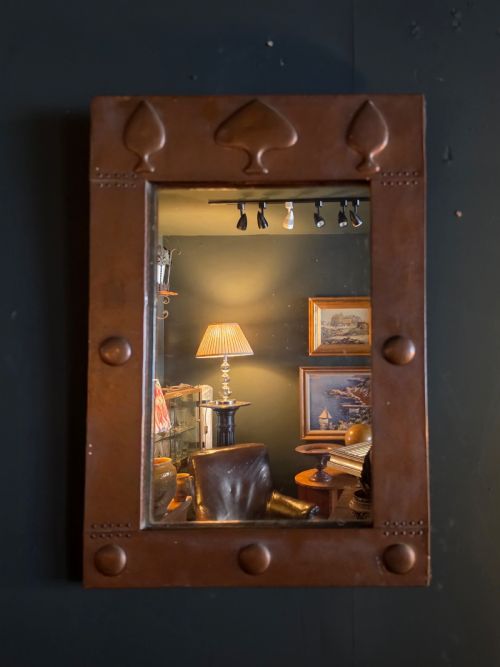
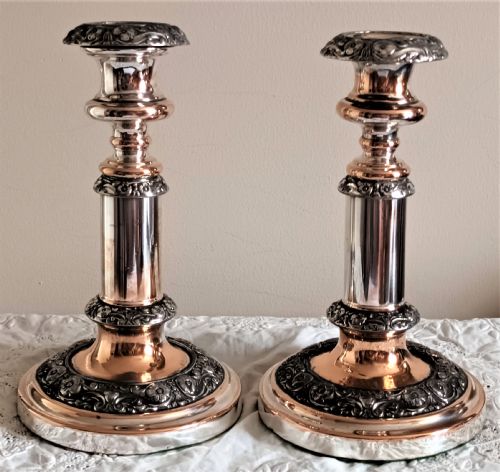
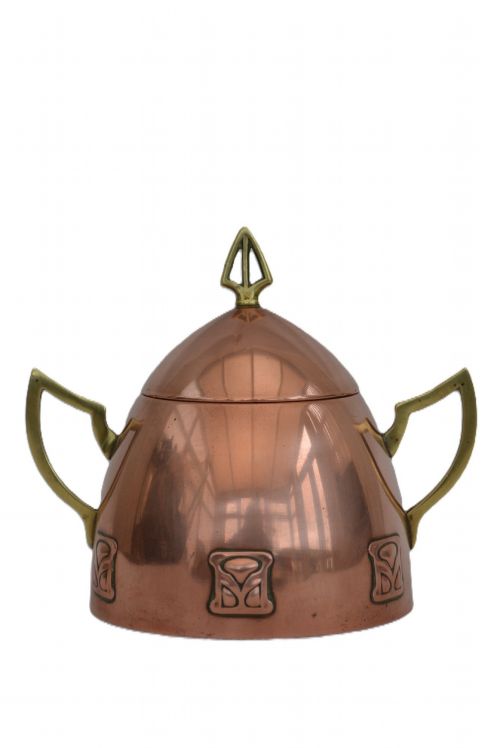
Maker techniques rely heavily on hand-hammering, repoussé, and chased work to raise and texture the metal surfaces. Artisans shape sheet copper into chargers and vessels, sometimes applying silver plating, Old Sheffield plate, or nickel plating over the base metal.
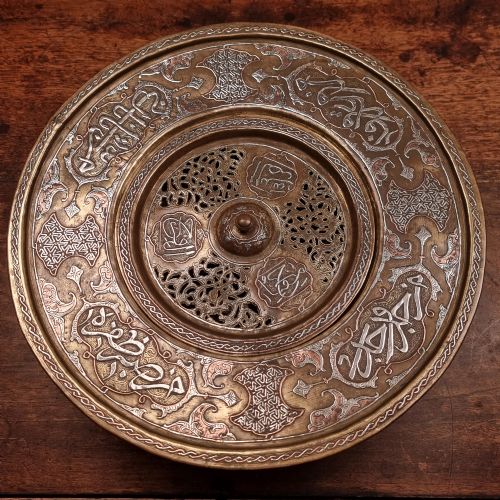
Enamelling and metal inlay techniques define the more intricate items, particularly Japanese cloisonné where wire cells hold coloured enamel pastes on a copper foundation. Other regional pieces incorporate contrasting metals like brass and iron, or feature silver wire hammered into recessed channels within patinated copper.
Some historical copper plates even doubled as drinking vessels when thirst struck in the workshop.
What varies in quality
Quality rests in the precision and depth of the manual decoration, whether through crisp repoussé relief work or the meticulous placement of cloisonné wires. Superior examples display balanced composition and confident hand manipulation rather than repetitive machine stamping.
The integrity of the underlying metal and the preservation of original patination or plating determine the distinction between ordinary utility items and exceptional decorative specimens. Skilled execution in chasing and inlay work elevates the visual impact of the piece significantly.
Liberty and Company·Faulkner Bronze Company·Barker Ellis
The Vintage Copper Plate Glossary
- Repoussé
- A metalworking technique where the artisan hammers the metal from the reverse side to form a raised design in relief. Details are then refined from the front using chisels and punches.
- Cloisonné
- An enamelling method utilising fine metal wires soldered to a copper base to create compartments which are filled with vitreous paste and fired. This produces vibrant multi-coloured pictorial designs.
- Old Sheffield Plate
- A composite material made by fusing a thin sheet of silver to a thicker copper base under heat and pressure. It was widely used for tableware and candlesticks before modern electroplating.
- Charger
- A large ornamental plate or shallow basin historically used for ceremonial presentation or dining service. In antique contexts, these are predominantly displayed on walls or sideboards.
- Mamluk Revival
- A nineteenth-century design style that imitates the elaborate metalwork of the medieval Mamluk Sultanate in Egypt and Syria. Pieces typically feature dense silver and gold inlay on copper or brass.
Vintage Copper Plate: Frequently Asked Questions
How do I clean antique copper?
Most collectors prefer to leave natural patination untouched, as aggressive polishing removes historic character and surface depth. Gentle dusting with a dry microfibre cloth is usually sufficient for regular maintenance.
If cleaning is necessary to prevent active corrosion, use a mild, non-abrasive metal cleaner specifically formulated for copper. Avoid harsh chemical dips that strip away the aged surface entirely.
Are these plates meant for food?
Many vintage and antique copper pieces, particularly those with silver plating or intricate enamel work, were intended purely for visual display or formal serving rather than daily dining. Items featuring mixed metals or lead-based solder should not be used for consumable goods.
Decorative chargers and wall plaques are structurally unsuited for modern food service and lack food-safe sealants. Enjoy them as decorative interior objects rather than kitchenware.
How do I hang a heavy charger?
Wall display requires a secure, adjustable brass wire hanger that grips the rim firmly without placing undue stress on the metal body. Ensure the wall fixing is anchored directly into a stud or uses heavy-duty plaster toggles.
Avoid spring-loaded clips with sharp metal teeth that might scratch the copper or damage delicate enamel edges. Period plaques often feature integrated suspension loops on the reverse.
How do I date a copper piece?
Dating relies on examining manufacturing marks, construction methods, and stylistic indicators such as hand-hammering versus machine rolling. Georgian and Victorian items often show distinct tool signatures on the reverse.
Reference materials, historical motifs like Meiji period symbols, and known factory attributes help narrow the timeline. Compare the weight and edge finishing against documented examples from specific eras.