
Antique Metalwork Art
When you handle antique metalwork art, you meet copper, brass, bronze, and pewter shaped through distinct movements.
Antique Metalwork Art
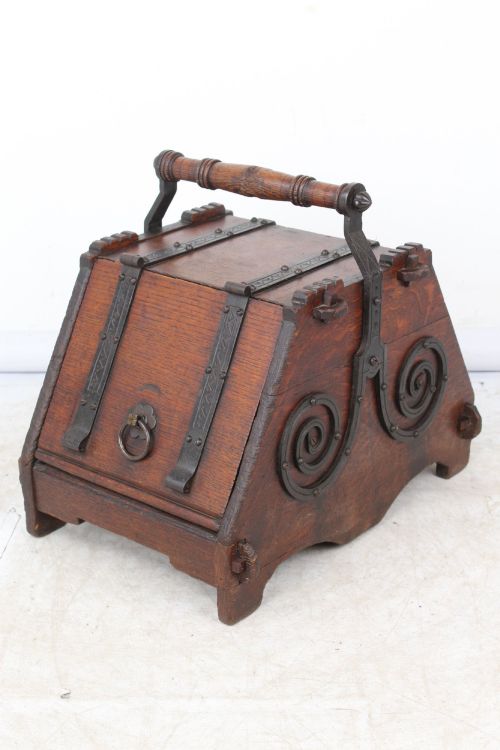
When searching for antique metalwork art, a buyer encounters a diverse range of objects spanning utility and decoration, including candlesticks, vases, sculptures, wall plaques, architectural salvage, decorative bowls, fireplace accessories, and trays. These items originate from periods such as the nineteenth century, the Victorian era, and the early decades of the twentieth century, bringing functional forms and ornamentation together.
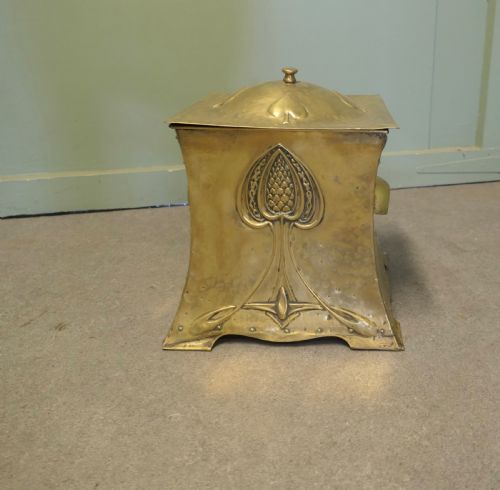
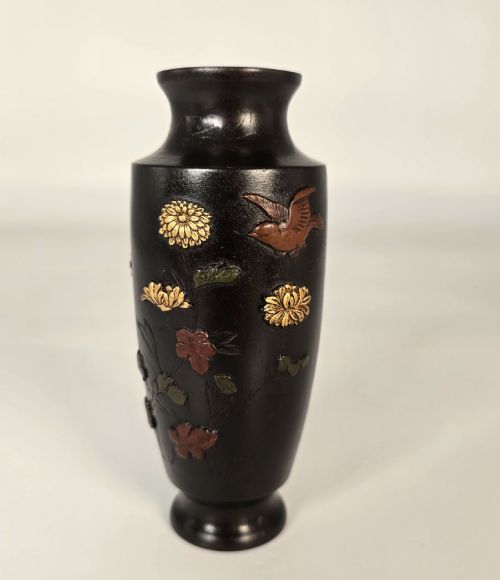
The versions most commonly met on this page reflect the aesthetic movements of the late nineteenth and early twentieth centuries, notably the Arts and Crafts movement and Art Nouveau. Alongside these European designs, pieces from the Japanese Meiji period and late Qing Dynasty appear frequently, showcasing distinct regional techniques in bronze, enamel, and patinated iron.
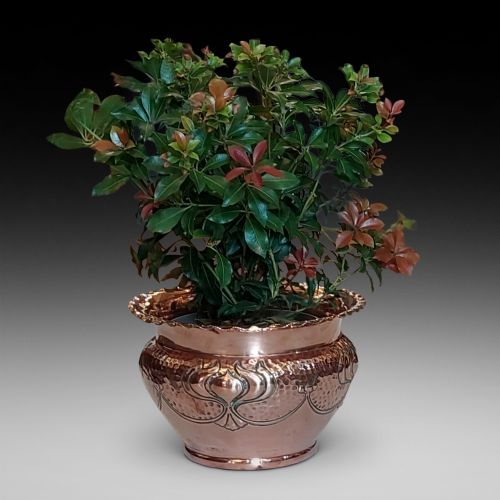
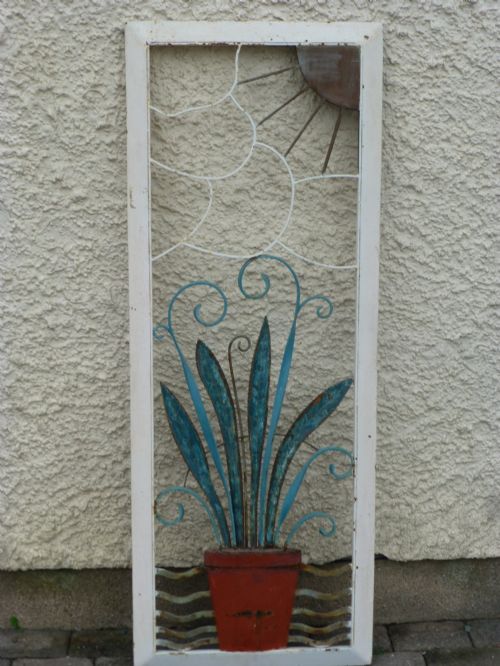
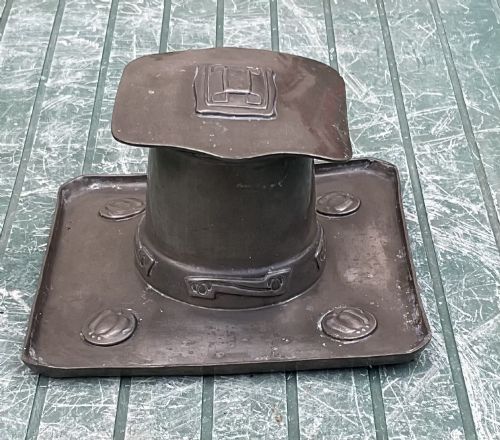
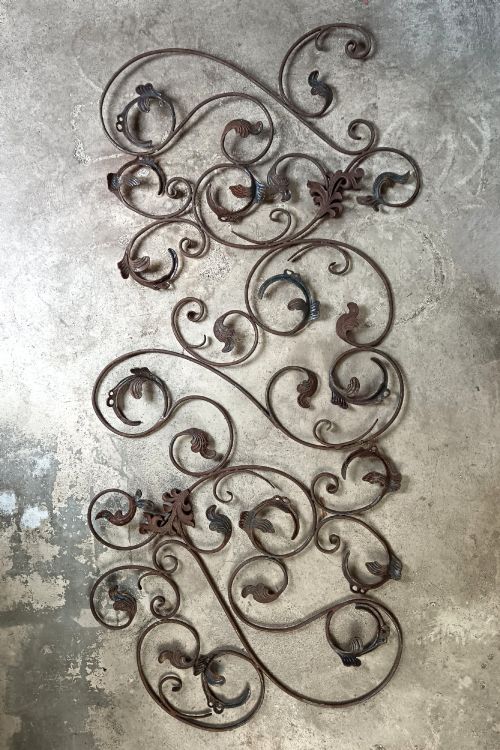
Forms range from domestic items like pewter inkwells and copper planters to architectural iron scrolls and large decorative chargers. Each piece demonstrates the intersection of metalworking craft with the prevailing design philosophies of its origin and era.
How they were made
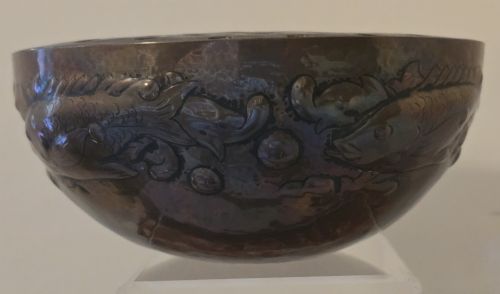
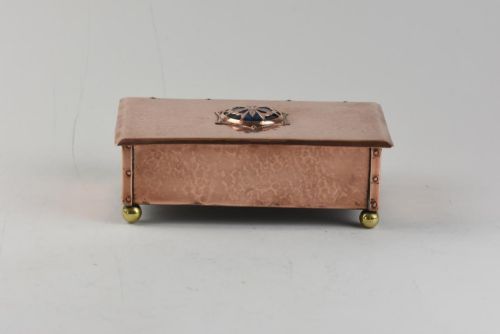
Makers shaped copper, brass, and pewter through hand-hammering, repoussé, and casting techniques, often leaving visible tool marks that define the surface texture of Arts and Crafts objects. Pewter pieces were cast using specific alloy proportions and finished with hand-detailing.
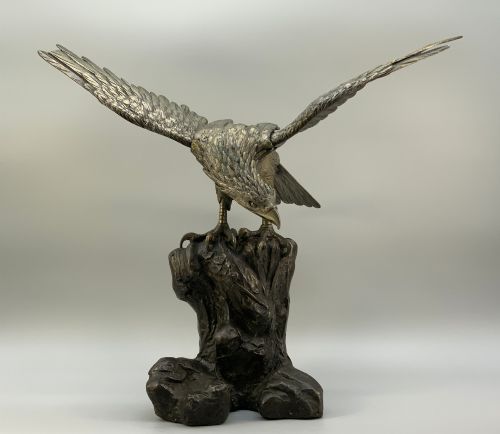
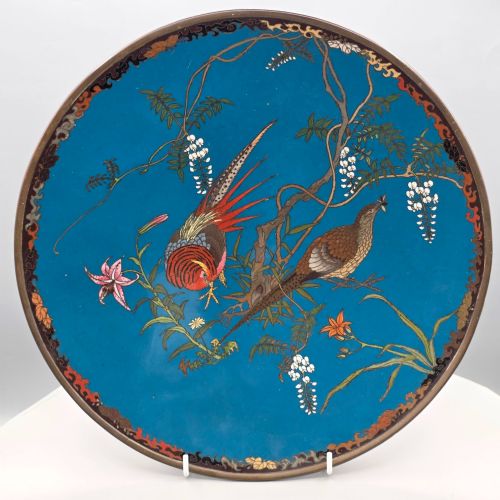
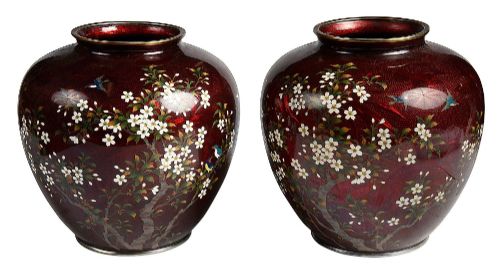
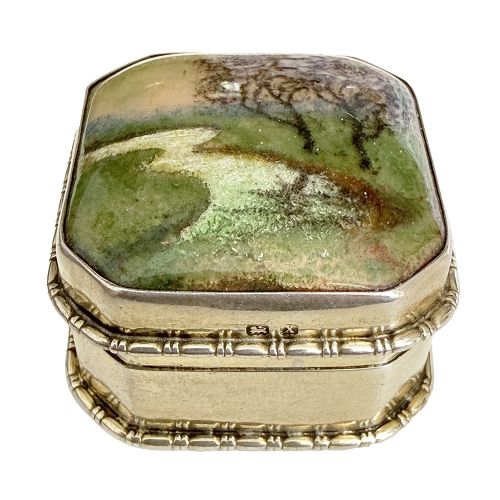
Bronze and iron work involved patination, inlay of gold and silver, and intricate casting methods seen in Japanese Meiji sculptures and European architectural elements. Enamel work, including cloisonné and painted enamel-on-copper, required fusing vitreous pastes onto metal bases through controlled firing.
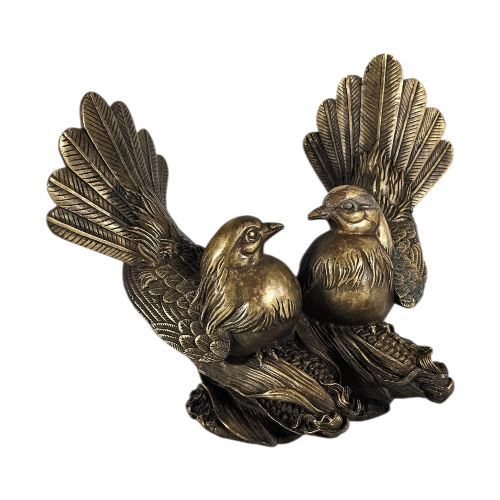
A bronze pigeon pair watches over the metalwork collection, proving that even heavy industrial materials can occasionally feel quite domesticated.
What varies in quality
Quality in these works rests upon the precision of the hand-applied detail, whether in the crispness of a repoussé copper panel, the careful placement of silver wire in cloisonné enamel, or the smoothness of a patinated bronze surface. Maker attribution and original components, such as pierced lids or paired elements, elevate the standing of a piece.
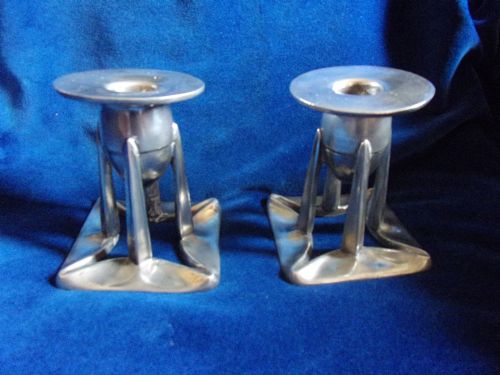
Design execution separates standard production from exceptional examples, seen in the fluency of an Art Nouveau curve or the structural integrity of an Amsterdam School brass candlestick. The depth of the metal gauge and the subtlety of surface finishes distinguish finer workshops from commercial output.
Archibald Knox·Christopher Dresser·Fleetwood Varley·Oliver Baker·WMF·Hugh Wallis·Ando Jubei·Keswick
The Antique Metalwork Art Glossary
- Repoussé
- A metalworking technique where the artisan hammers the metal from the reverse side to form a raised design on the front. This method is central to many Arts and Crafts copper bowls and trays.
- Cloisonné
- An enamelling technique where metal wires are soldered to a base to create compartments, which are then filled with enamel paste and fired. Japanese Meiji examples frequently utilise this method.
- Tudric
- A brand name used by Liberty & Co. for their range of pewter ware, often designed by figures like Archibald Knox and Oliver Baker. It typically contains a high proportion of silver for a bright finish.
- Patination
- The natural or induced ageing of a metal surface, changing its colour and texture over time. A stable patination adds depth to bronzes, brasses, and irons.
- Amsterdam School
- An architectural and design style originating in the Netherlands, characterised by expressive forms, traditional brickwork, and patinated brass or copper objects. It emerged in the early twentieth century.
Antique Metalwork Art: Frequently Asked Questions
What is Tudric pewter?
Tudric is a specific brand of pewter produced by Liberty & Co. during the early twentieth century, incorporating small amounts of silver to give the metal a brighter appearance.
Items bearing this mark were often designed by prominent figures of the Arts and Crafts movement and remain sought after by collectors today.
How do I identify Art Nouveau metalwork?
Art Nouveau pieces are characterised by organic, flowing lines inspired by natural forms such as plants, flowers, and whiplash curves. You will frequently see this style applied to copper, brass, and silver-plated domestic items.
Makers utilised these sinuous motifs to move away from historic revival styles toward a unified modern design.
What distinguishes Japanese Meiji bronze?
Japanese Meiji period bronzes often display meticulous patination, intricate casting, and inlays of gold and silver. These sculptures and vases reflect the high level of metalworking skill sustained during that era.
Many pieces were created as okimono or decorative vessels intended for display rather than utility.
How were Arts and Crafts copper items made?
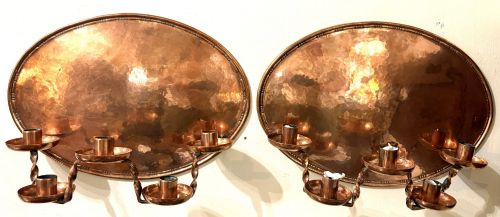
Arts and Crafts copper items were typically hand-hammered using repoussé techniques, where artisans worked the metal from behind to create raised surface patterns. This approach valued visible craftsmanship over factory-produced uniformity.
Objects such as trays, bowls, and wall sconces often retain the direct marks of the maker's hammer.