





20th Century Etching
These pieces gather the line and tone of a 20th century etching, offering collectors a direct record of period printmaking and glasswork.
20th Century Etching
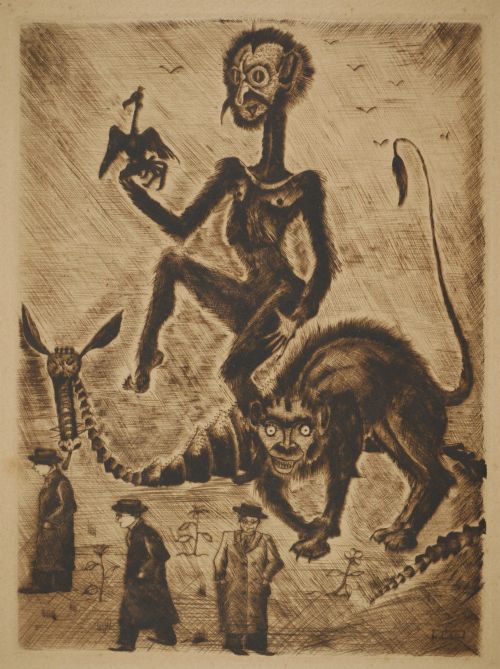
A search for a 20th century etching brings up works on paper alongside cameo glass vessels that utilise similar acid-biting techniques. Framed prints and fine art prints dominate the selection, spanning periods from Edwardian times through to British Modernism and Surrealism.
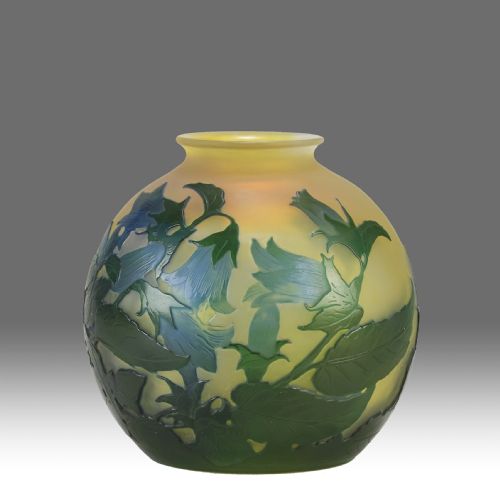
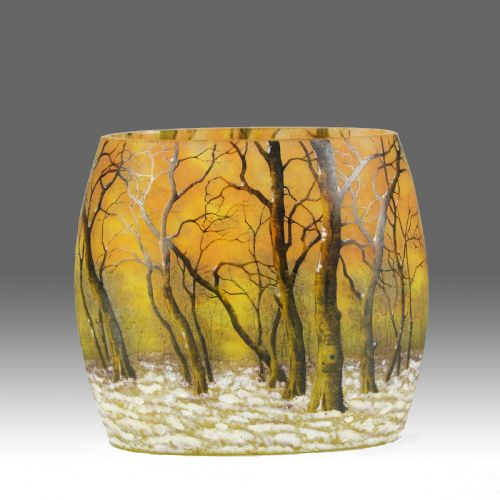
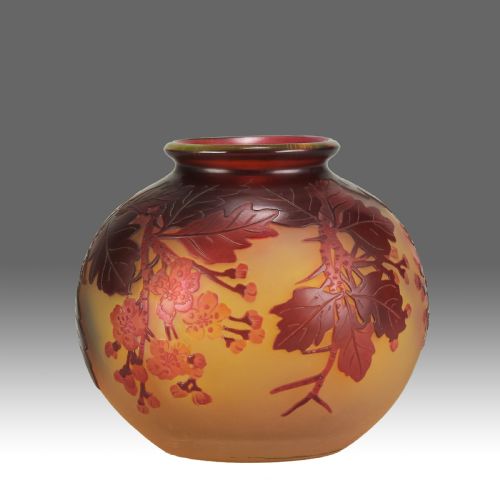
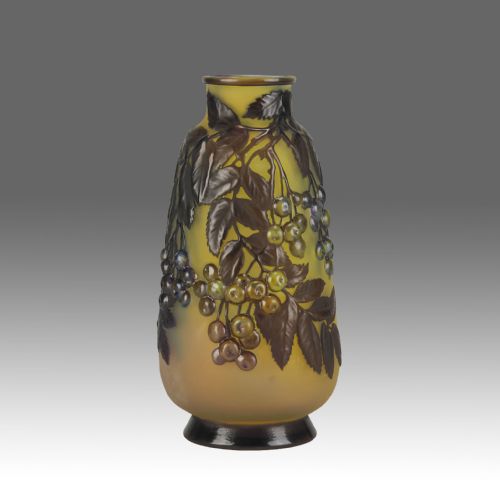
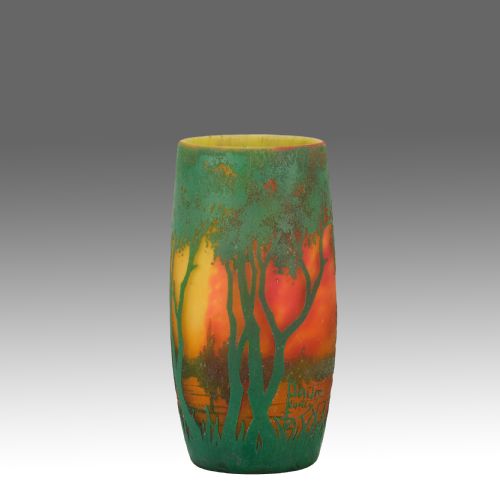
Buyers frequently encounter signed works by established printmakers depicting architectural scenes, landscapes, and figure studies. Alongside works on paper, the selection includes cameo glass vases and mirrors where surface designs are achieved through acid-etching.
Materials and technique
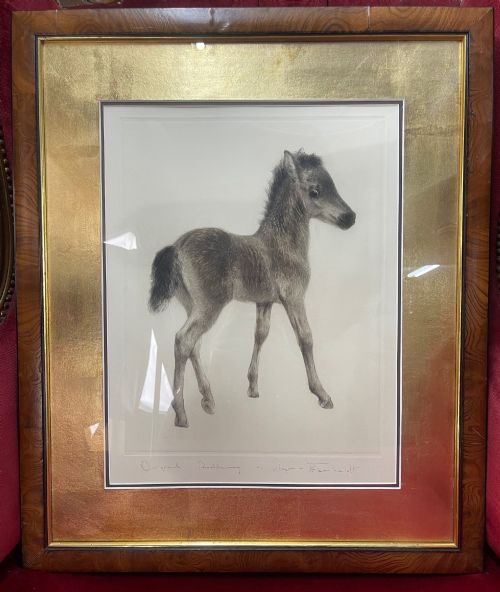
Works on paper rely on ink applied to etched plates, often utilising drypoint techniques where the artist scratches directly into the metal surface. These prints sit on paper supports, frequently carrying pencil signatures from the artist.
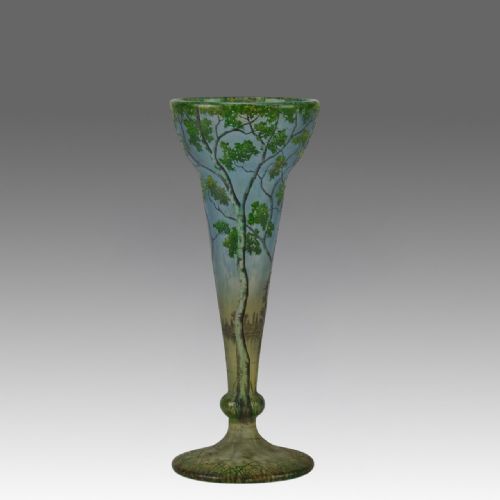
Glass objects employ layered cameo glass and frosted glass, shaped by acid-etching to reveal contrasting colours beneath. Enamel and cut glass details occasionally appear on vessels from the late nineteenth and early twentieth centuries.
Among the glass and prints sits a miniature suit of armour, proving that nineteenth and twentieth-century makers worked in miniature as well as on paper.
Judging quality in print and glass
Quality in prints rests upon the clarity of the impression and the crispness of the plate marks left on the paper. Stronger examples show deliberate handling of line and tone, particularly in pencil-signed proofs.
For cameo glass, quality is determined by the depth of the acid-cutting and the precision of the botanical or landscape motifs. The balance of colour layers and the finesse of the signature finish elevate certain vases above standard production pieces.
Kurt Lorein Victor Peiser·Emile Gallé·Kurt Meyer-Eberhardt·Daum Frères·Augustus Edwin John·Francis Dodd·Edgar J. Maybery·Paul Nicolas·John Brunsdon·John Fullwoode·Featherstone Robson·Reginald Green
The 20th Century Etching Glossary
- Drypoint
- A printmaking method where an artist scratches an image directly onto a metal plate with a sharp needle. This process raises a rough ridge of metal called a burr, which holds extra ink during printing to create a soft, velvety line.
- Cameo Glass
- glassware formed with two or more layers of coloured glass fused together. Artisans carve or acid-etch away the outer layers to reveal a contrasting design in relief.
- Plate Mark
- An indented impression left on paper by the edge of a metal printing plate under high pressure during the press run. Its presence confirms the use of an intaglio printing process.
- Foxing
- Brown spots or discoloration that develop on older paper over time due to chemical reactions in the pulp. It is a common characteristic in antique prints.
20th Century Etching: Frequently Asked Questions
What is a drypoint etching?
A drypoint involves drawing directly onto a metal plate with a sharp steel needle rather than using acid to bite the lines. The resulting prints feature a distinct, velvety ridge alongside the incised stroke.
This technique produces rich impressions that collectors prize for their immediate, hand-drawn character.
How do I care for antique glass?
Keep cameo glass and decorative vessels out of direct sunlight to protect their colours and surface finishes. Dust them gently with a dry microfiber cloth rather than submerging them in water.
Stable indoor temperatures help prevent stress fractures in delicate antique glass structures.
Are these works signed?
Many of the prints on paper carry pencil signatures from the artists below the image area. Signed impressions indicate proof pulled and approved directly by the creator.
Glass vessels often feature cameo signatures etched into the body by the respective atelier or maker.
What subjects are common?
Landscapes, architectural views of bridges and streets, and figurative studies dominate the framed works. Botanical motifs and natural forms appear frequently on the cameo glass vases.
These subjects reflect the artistic interests of the Edwardian and modern periods.