

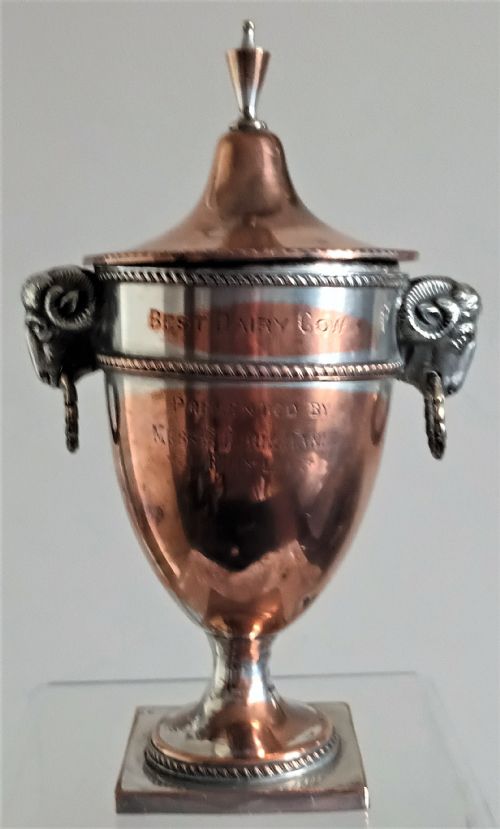


Copper Engraving Plate
A copper engraving plate offers a direct physical link to the mechanics of historical printmaking, prized for its tonal depth and crisp line work.
Copper Engraving Plate
When you search for a copper engraving plate, you encounter flat sheets of metal bearing incisions that transfer ink onto paper under heavy press pressure. These items range from single map illustrations and botanical studies to multi-plate satirical series produced during the eighteenth and nineteenth centuries.
The material surface carries the reversed image left by the engraver's burin or etching acid. Many surviving examples come framed as prints pulled from the original metal, while others represent the actual printing matrices themselves from Georgian and Victorian workshops.
Materials and methods
Makers selected soft, ductile copper for its ability to accept fine lines cut by hand tools without fracturing. Artisans worked directly onto the polished metal surface using burins, drypoint needles, or acid baths to sink the design into the plate.
Once inked and wiped clean, the plate passed through a roller press alongside dampened paper, forcing the fibres into the recessed grooves to lift the pigment. Hand colouring sometimes followed the printing process, using watercolours applied to the monochrome impressions.
Copper Engraving Plate Retail Price Guide 2026
Typical asking prices for copper engraving plate among the pieces listed under this phrase on Sellingantiques today, from the lower quarter to the upper quarter. They describe what is for sale here now, not the wider market.
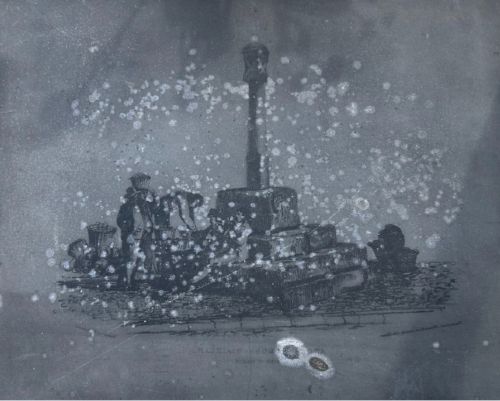
Subject matter on this page spans botanical studies, regional maps, political satire series, and architectural plans.
Judging quality and execution
The distinction between ordinary production and superior quality rests upon the crispness of the line work and the depth of the initial incision. Master engravers achieved subtle tonal gradations and complex cross-hatching that lesser hands could not replicate.
Preservation of the plate or the resulting paper impression dictates value, particularly regarding the sharpness of the plate mark and the absence of heavy corrosion or later reworking. Contemporary impressions pulled during the lifetime of the artist hold greater clarity than later strikes.
The Copper Engraving Plate Glossary
- Burin
- A hardened steel cutting tool with a faceted rhomboid tip used to carve lines directly into copper plates. This instrument allows the artisan to control line width by varying downward pressure.
- Plate mark
- The indentation left in the paper margins by the outer edges of the metal plate under press pressure. This depression serves as a key indicator of authenticity in intaglio printing.
- Intaglio
- A printmaking family where the ink sits below the surface of the plate within carved or etched grooves. Relief printing sits in direct contrast to this method.
- Drypoint
- A technique where the needle throws up a ragged ridge of metal called a burr alongside the incised line. Prints made this way exhibit a soft, velvety line quality that wears down quickly during printing.
Copper Engraving Plate: Frequently Asked Questions
What is a copper engraving plate?
A copper engraving plate is a sheet of metal bearing a design cut into its surface by hand or acid. These plates were inked and run through presses to produce multiple paper prints.
Surviving examples include both the original etched metal matrices and the antique prints pulled from them centuries ago.
How do I identify the period?
Dating relies on the style of the engraving, the watermark in the paper margins, and the specific subject matter depicted. Eighteenth-century examples often feature fine botanical or cartographic work, while nineteenth-century pieces lean towards industrial or narrative subjects.
Examining the plate edges and the quality of the surrounding paper provides further chronological context.
Are these plates still usable?
Most antique copper plates have seen heavy historical use and often possess protective coatings or mounting fixtures that render them unsuitable for modern printing. Collectors generally display them as historical works of art rather than functional tools.
Printing from ancient copper risks damaging vulnerable metal edges that have thinned over centuries.