


Vintage Copper Log Holder
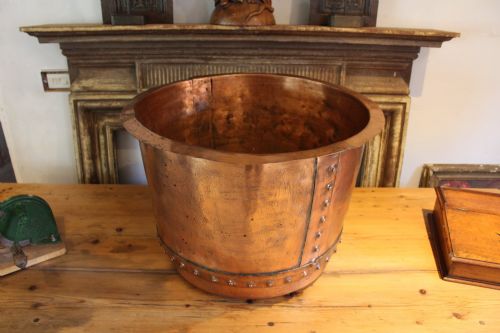
A vintage copper log holder brings hearthside utility and warm metallic texture to a room, drawing the eye with riveted seams and aged patination.
Vintage Copper Log Holder
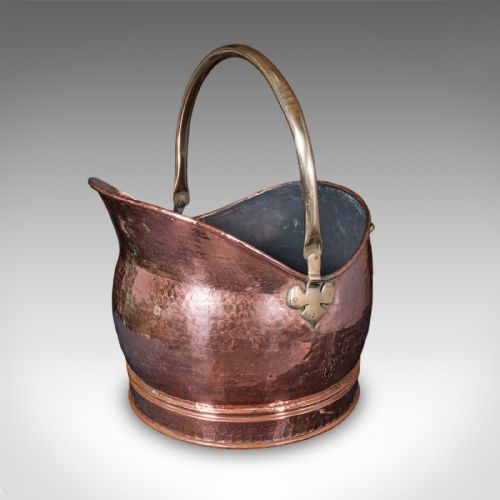
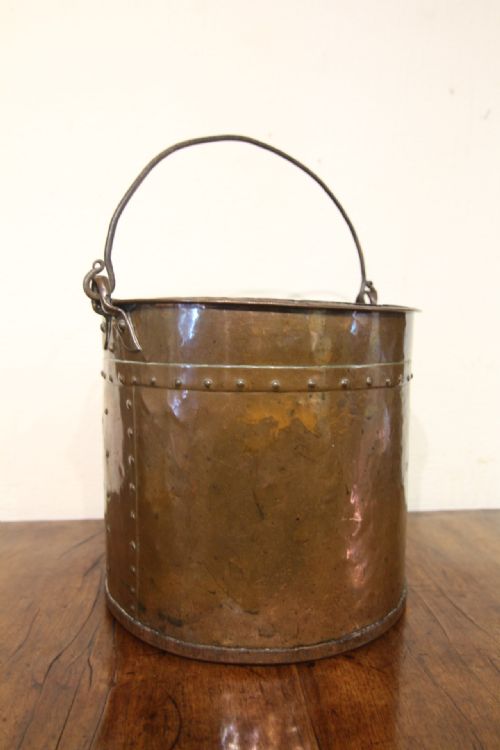
When searching for a vintage copper log holder, buyers encounter heavy vessels originally built for holding coal, turf, or firewood by the hearth. These pieces span the nineteenth century and the early twentieth century, taking forms such as cylindrical bins, riveted buckets, and handled cauldrons.
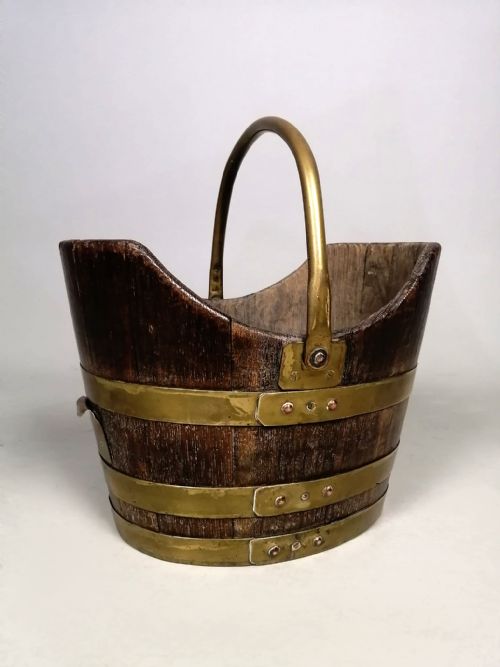
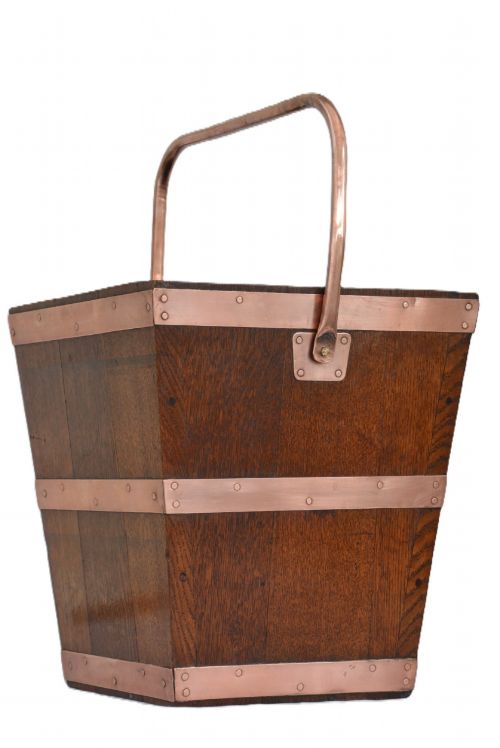
The most common examples on this page are Victorian copper log bins and coal scuttles, often augmented with brass bands, swing handles, or oak elements. Many items were made for heavy domestic utility in country houses or urban parlours before finding a second life holding logs beside modern fireplaces.
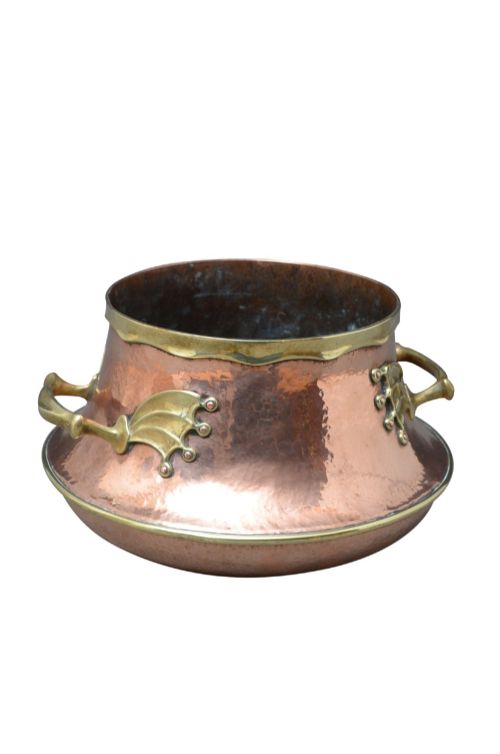
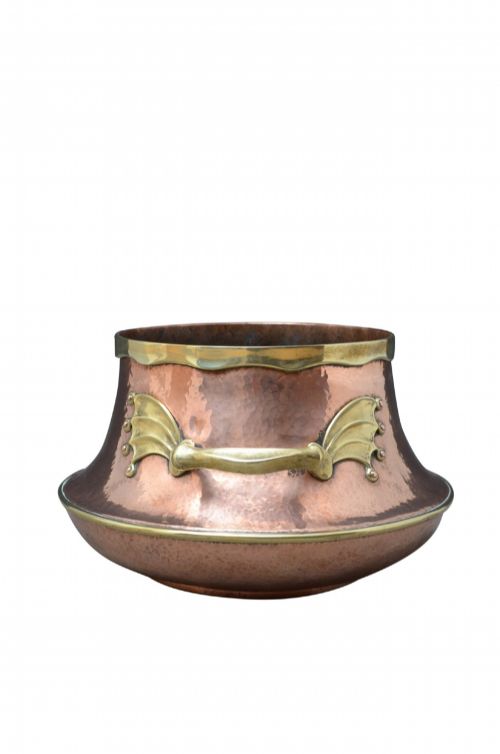
Beyond traditional fireside use, many of these copper vessels function as large planters and jardinieres for interior greenery. The selection ranges from plain utilitarian cauldrons to decorative Art Nouveau and Arts and Crafts designs with hand-hammered surfaces.
How They Were Made
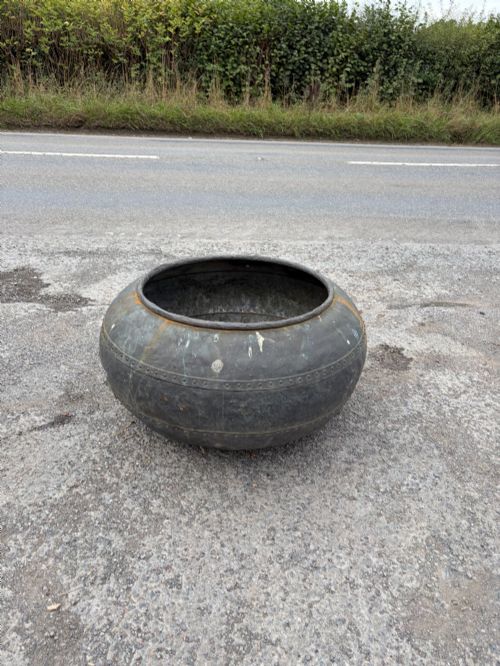
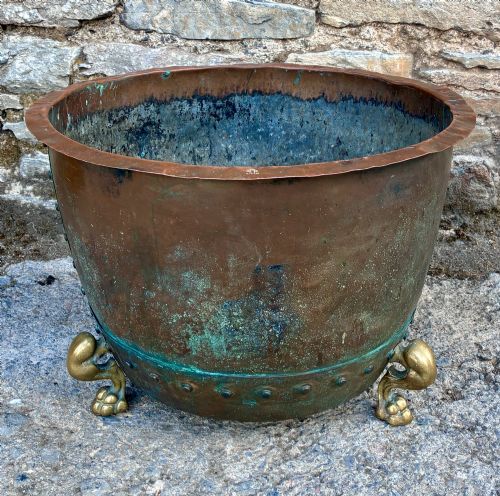
These pieces rely on heavy-gauge copper sheets shaped by hand or machine, often joined by visible rows of rivets that provide structural strength and industrial character. Makers frequently combined copper with brass handles, rims, and paw feet, alongside wrought iron swing handles and framing.
Many examples display hand-beaten hammering or embossed decorative motifs, particularly those originating from the Arts and Crafts and Art Nouveau periods. Internal iron bands and wooden bases, such as oak inserts, provided rigid support to withstand the heavy loads of coal and logs.
The inventory spans the nineteenth century, Victorian era, Arts and Crafts movement, and the Art Deco period.
What Varies in Quality
Quality rests on the thickness of the metal gauge, the integrity of the riveted construction, and the preservation of the original surface patination. Heavier copper walls resist denting and hold their structural form better under the weight of firewood over decades of use.
The distinction between standard utility items and finer pieces lies in the detailing, such as crisp hand-hammering, substantial brass mounts, and intact wrought iron hardware. Original fitted elements, like sturdy swing handles and supportive metal or wooden frames, elevate the standing of a piece.
The Vintage Copper Log Holder Glossary
- Cauldron
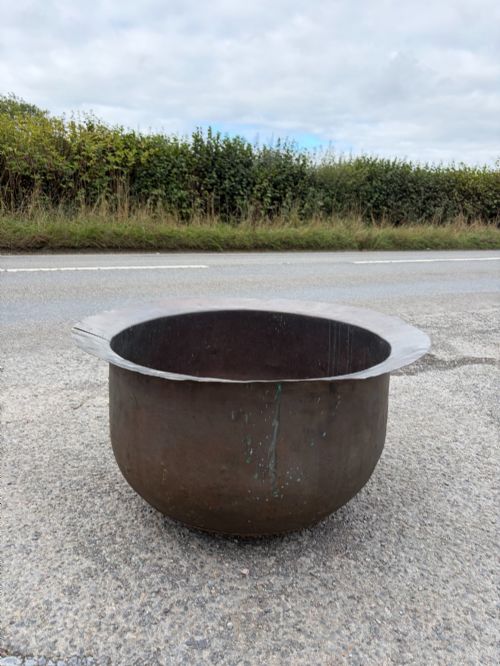
- A large, round vessel with a concave base and a swing handle, traditionally used for boiling or heavy storage. These deep containers often feature sturdy riveted seams.
- Helmet Scuttle
- A coal container shaped with a flared lip resembling a helmet, designed for pouring fuel cleanly onto a fire. They typically include a footed base and a rear carrying handle.
- Dinanderie
- A term for various objects made of hammered brass, copper, or bronze, often associated with continental metalwork and decorative vessels. It describes items shaped with considerable artisanal skill.
- Jardiniere
- An ornamental pot or receptacle, usually ceramic or metal, designed to hold live plants. In copper, these vessels often double as log bins or fireside waste receptacles.
- Riveted
- Joined together using metal bolts hammered flat at the ends to secure overlapping sheets of copper. This technique ensures durable construction for heavy-duty vessels.
Vintage Copper Log Holder: Frequently Asked Questions
How do I clean a copper log holder?
Maintenance depends entirely on whether you prefer a bright polished shine or the dark, mottled patination accumulated over a century. Most collectors gently wash away soot and dust with warm soapy water and a soft cloth.
Strong chemical metal polishes strip away historical character and should be avoided if you wish to retain the deep, aged colour of the copper.
Can I actually store logs in them?
These vessels were originally manufactured to withstand the heavy daily weight of coal, peat, and wood in nineteenth-century homes. Their robust copper walls and iron handles make them well-suited for holding logs beside an active fireplace.
For damp wood, placing a protective liner inside helps prevent internal moisture accumulation and protects the historic base from unnecessary corrosion.
How do I date a copper log holder?
Dating relies on observing manufacturing techniques, construction marks, and stylistic motifs associated with particular eras. Hand-hammered surfaces and strapwork often point toward late nineteenth-century Arts and Crafts production.
Early nineteenth-century pieces typically feature heavy hand-beaten seams and wrought iron handles, whereas later twentieth-century examples display more uniform machine-rolled edges and standardised rivet patterns.
Are they waterproof for plants?
Many copper bins and cauldrons serve double duty as large planters or jardinieres for indoor greenery. While copper naturally resists rust, historic seams may develop minor weeping over time when exposed to standing water.
Using a modern plastic saucer or inner pot prevents moisture from reaching the vintage base and protects your floors from ring marks.