

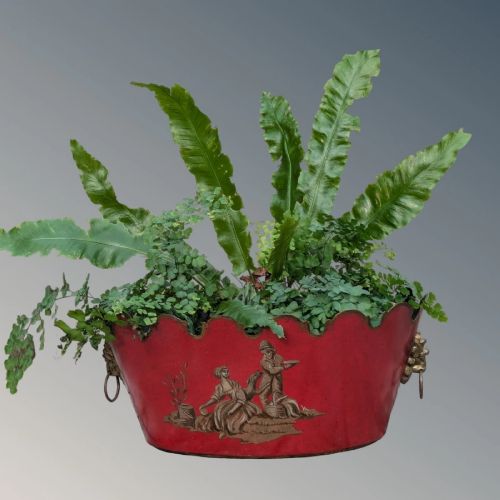
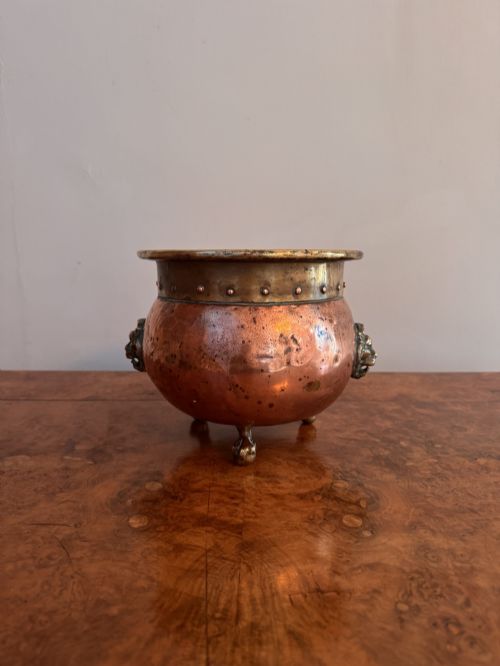
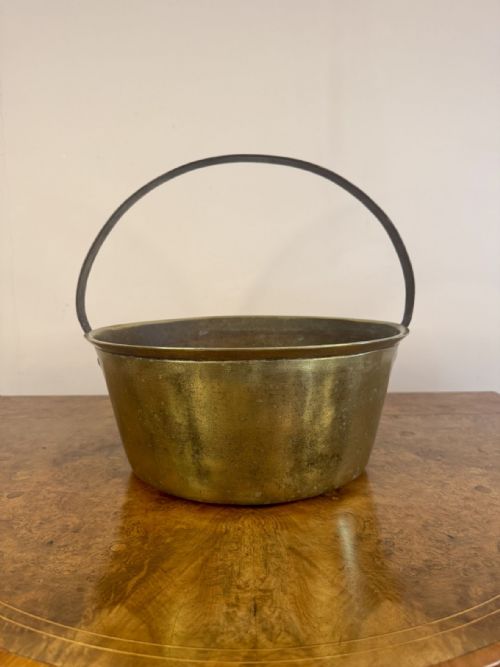
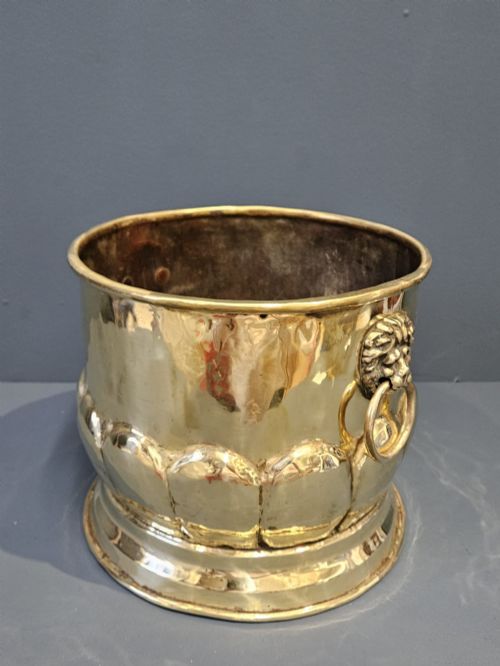
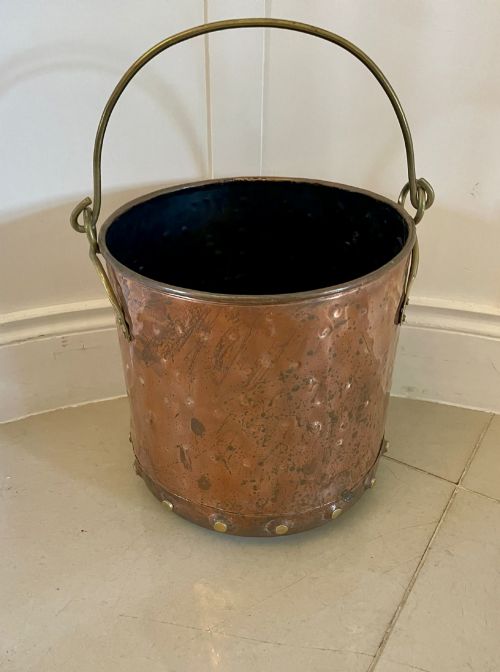
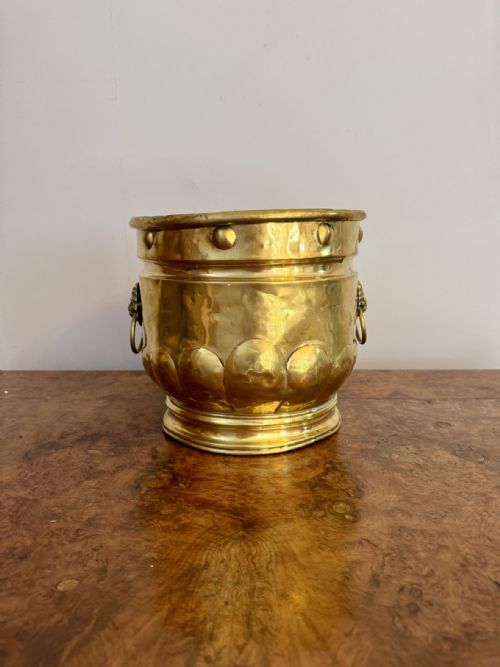
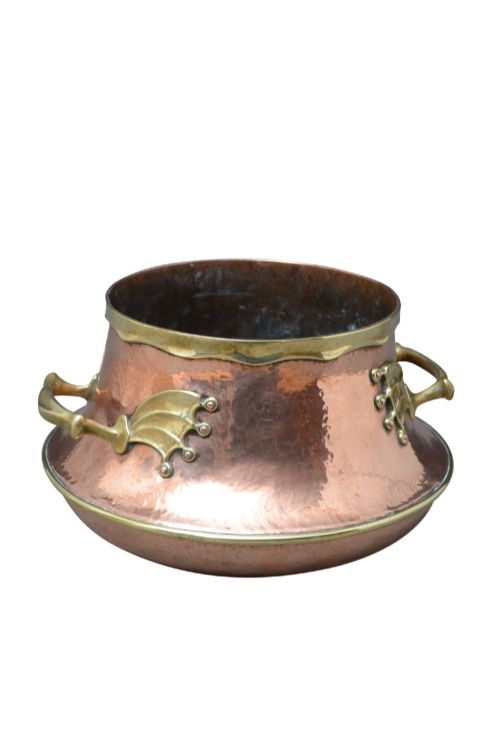
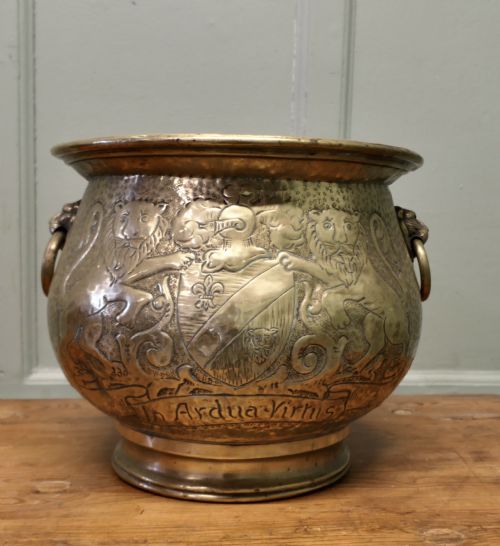




Brass Handle Planter
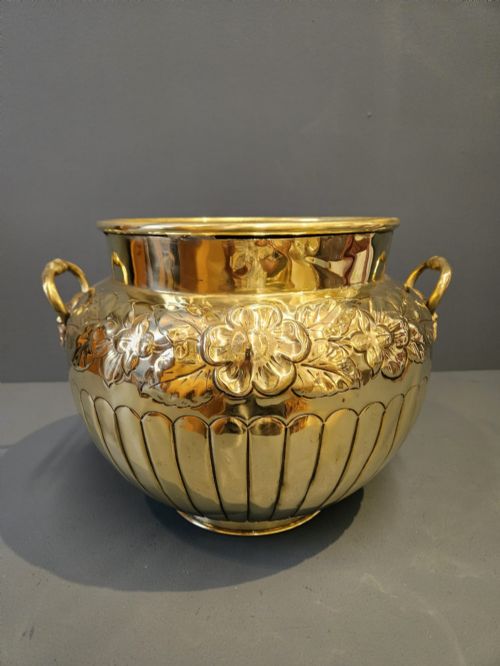
A brass handle planter brings metallic warmth and functional historic utility into a room, serving as a striking vessel for greenery or fireside storage.
Brass Handle Planter
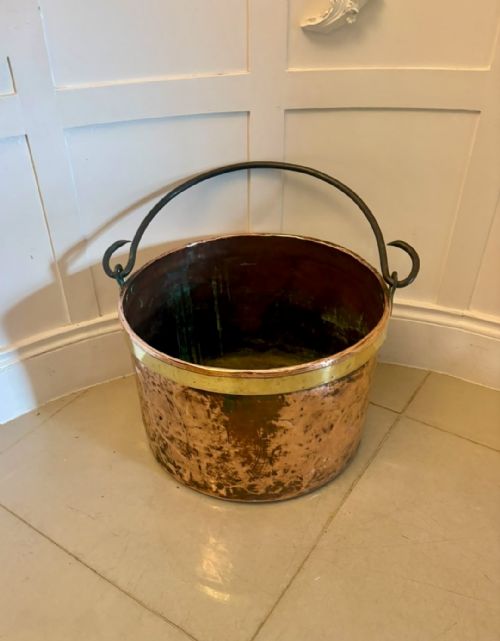
A brass handle planter is a robust vessel designed for holding plants, flowers, or fuel such as coal and logs. When searching this phrase, buyers encounter items that bridge decorative horticulture and practical domestic storage.
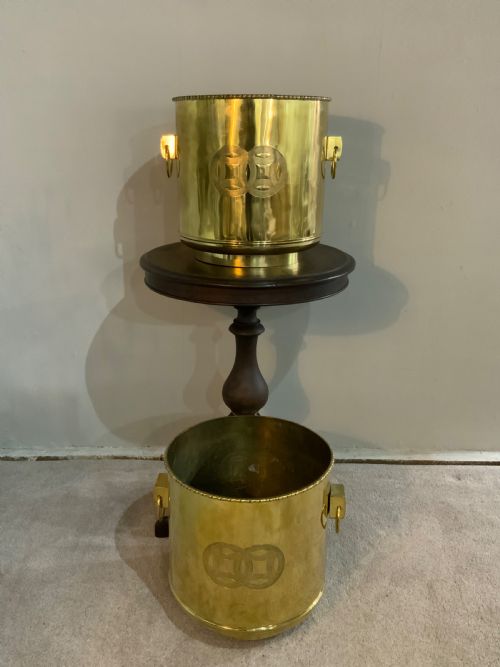
The pieces appearing on this page span several centuries, with Victorian examples in brass and copper being the most common form. Alongside dedicated planters, the selection includes related vessels such as jardinières, log bins, and wine coolers.
Origins vary widely across the inventory, featuring Dutch coopered wooden buckets, French vessels, and Indian Raj hand-engraved pieces. Forms range from simple round metal pans to elaborate Gothic revival designs adorned with shields and lion masks.
Materials and Construction
Construction relies heavily on durable metals like brass and copper, frequently combined with iron, tin, and various woods. Many items utilise coopered wood techniques, binding wooden staves with secure brass bands to create watertight or structurally sound vessels.
Surface treatments and assembly methods vary from hand-hammered panels and riveted joints to intricate marquetry in satinwood and rosewood. Handles are commonly cast in brass, taking the form of swing handles or fixed lion masks secured to the body.
Brass Handle Planter Retail Price Guide 2026
Typical asking prices for brass handle planter among the pieces listed under this phrase on Sellingantiques today, from the lower quarter to the upper quarter. They describe what is for sale here now, not the wider market.
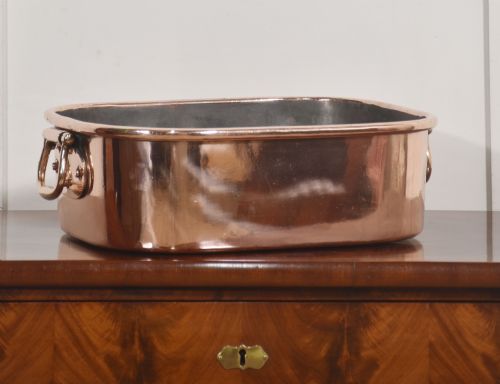
Some heavy copper vessels started life boiling fish before retiring to the drawing room as decorative plant pots.
Assessing Quality and Execution
Quality in these vessels is determined by the crispness of cast details, such as heraldic shields and lion mask handles, versus plain or softly worn mouldings. Heavier gauge metals and tight, well-fitted cooperage indicate superior original craftsmanship.
The harmony of mixed materials also defines the better pieces, where brass banding sits flush against richly grained mahogany, walnut, or ebonised wood. Finer examples display meticulous hand-engraving or marquetry inlay that elevates the object beyond basic utility.
The Brass Handle Planter Glossary
- Jardiniere
- An ornamental pot or stand for holding plants or flowers. It typically sits on the floor or a tabletop rather than hanging.
- Coopered wood
- Construction method using wooden staves joined side by side and bound by metal hoops, similar to barrel-making.
- Dinanderie
- Objects made of beaten or cast brass and copper, originating from the Belgian town of Dinant.
- Cellarette
- A lockable container used originally for holding bottles of wine, often adapted over time to function as a plant holder.
- Coal bin
- A heavy metal or wood-lined container designed for storing domestic fuel near a fireplace.
Brass Handle Planter: Frequently Asked Questions
What is a brass handle planter used for?
These versatile vessels serve primarily as decorative indoor planters for large houseplants, small trees, or floral displays.
Beyond horticulture, their sturdy construction makes them traditional choices for holding fireside accessories, logs, or coal.
How do I clean a brass handle planter?
Maintenance depends on the desired finish, as many owners prefer to leave an aged patina rather than achieving a bright shine.
Gentle dusting with a dry cloth is usually sufficient, avoiding harsh chemical cleaners that can strip historic metal surfaces.
Are these planters waterproof?
Metal bodies and properly coopered wooden vessels with sealed interiors are generally suited to holding damp soil or potted plants.
It remains wise to use a protective liner inside older wooden or iron-lined containers to prevent moisture damage to the antique structure.
How can I tell the age of a planter?
Dating relies on observing construction clues, such as hand-cut dovetails, riveted seams, and the specific style of the brass handles.
Stylistic markers pointing to Georgian, Victorian, or Arts and Crafts periods help narrow down the likely decade of manufacture.