
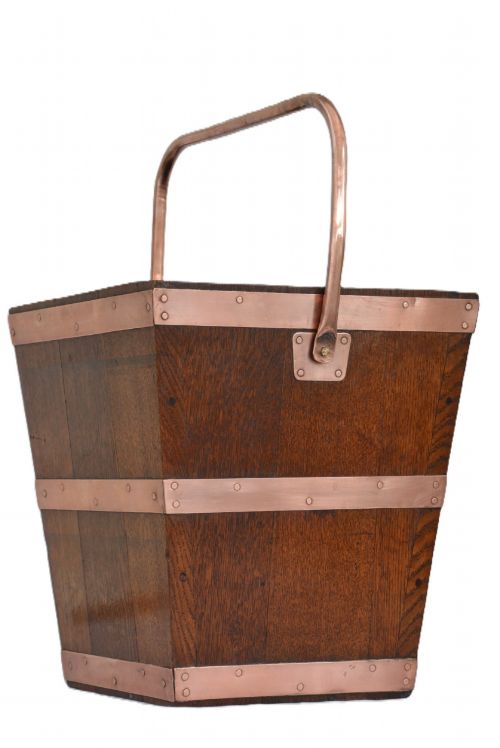
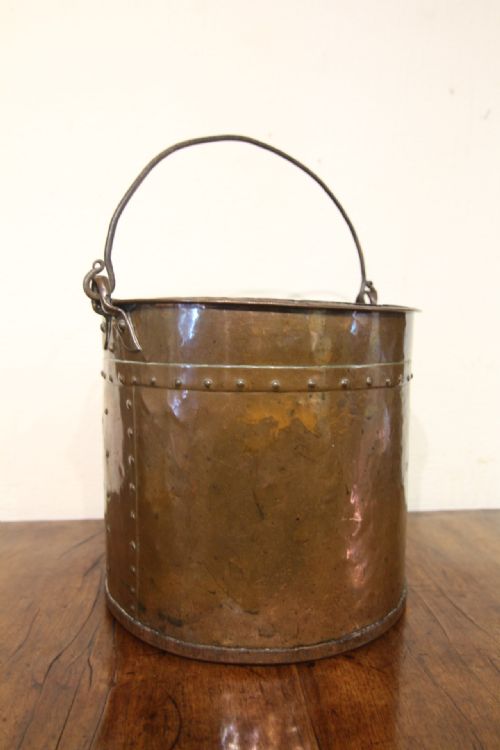


Victorian Copper Container
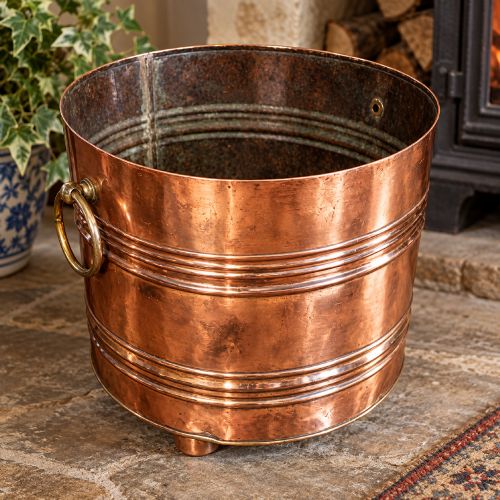
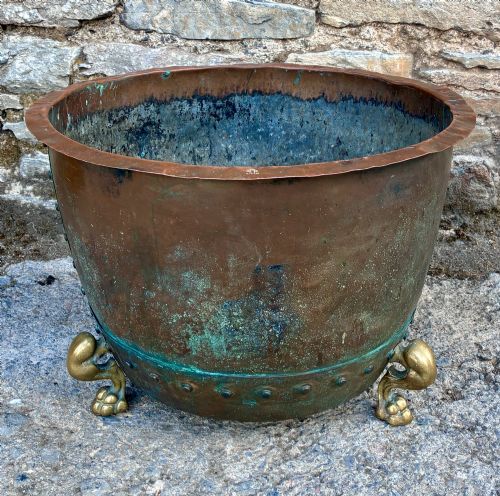
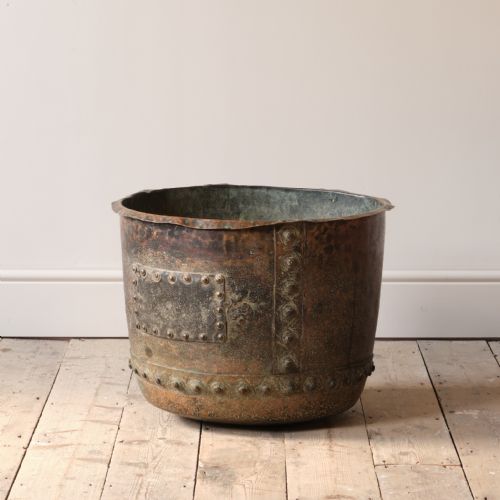
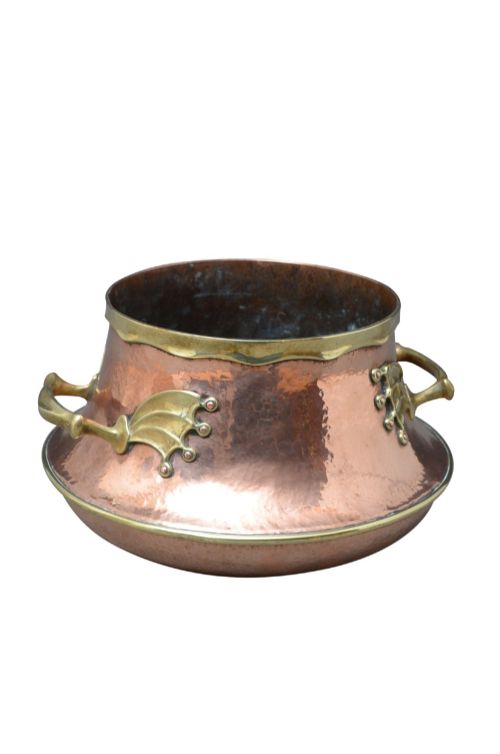
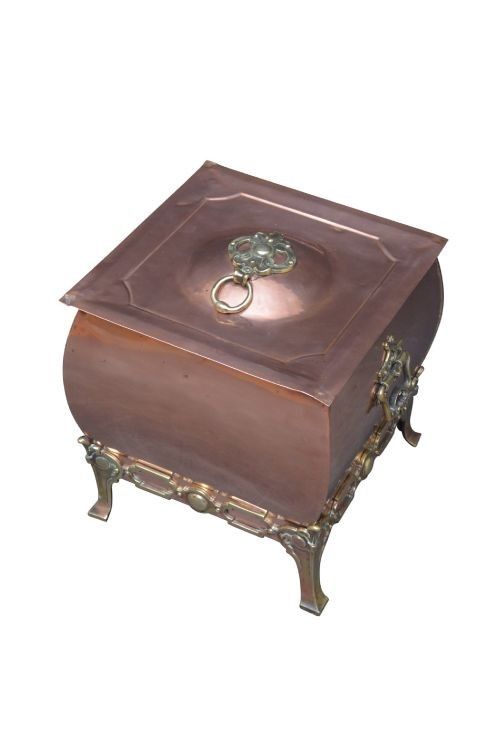
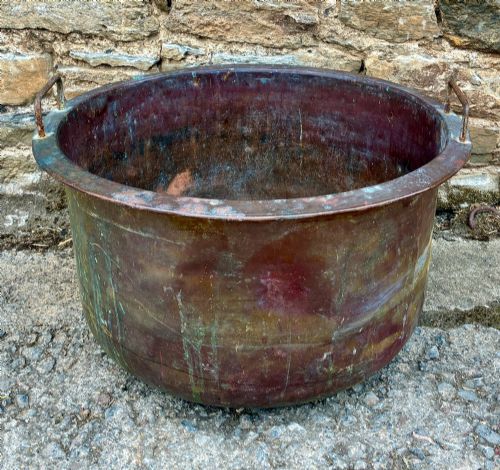
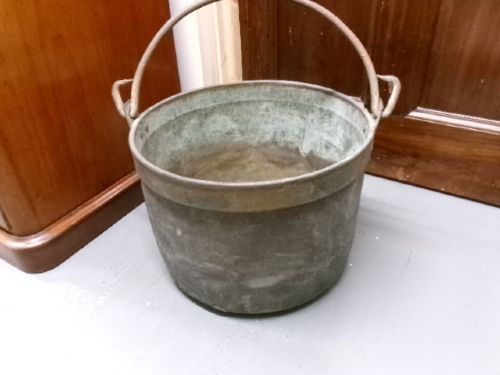
A victorian copper container brings warmth and heavy utility to a fireside or hallway, serving as a robust vessel for coal, logs, or plants.
Victorian Copper Container
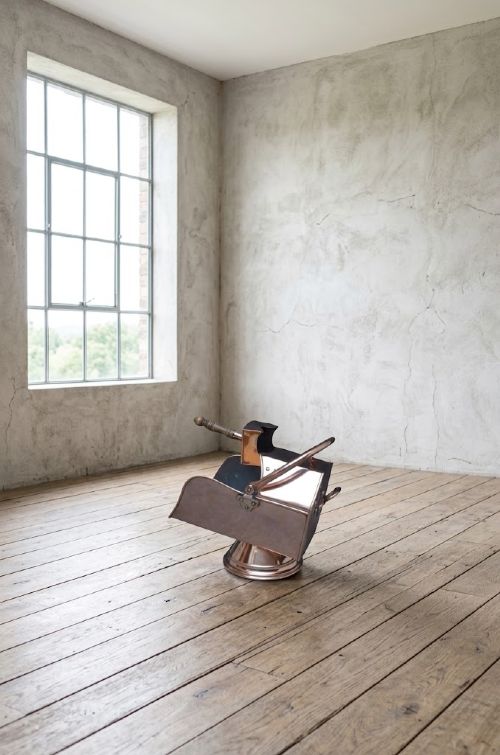
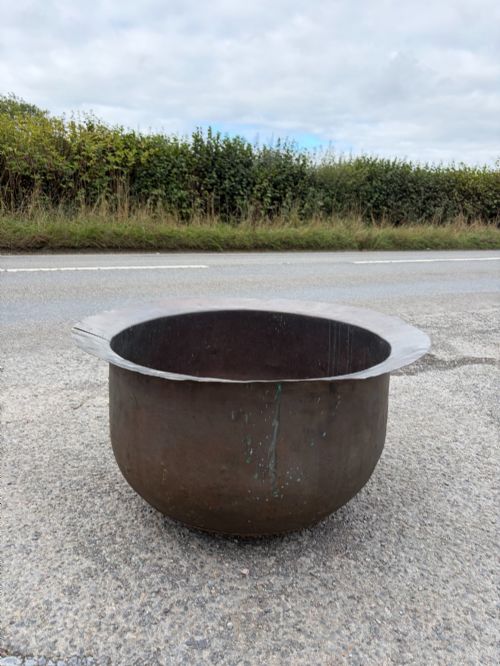
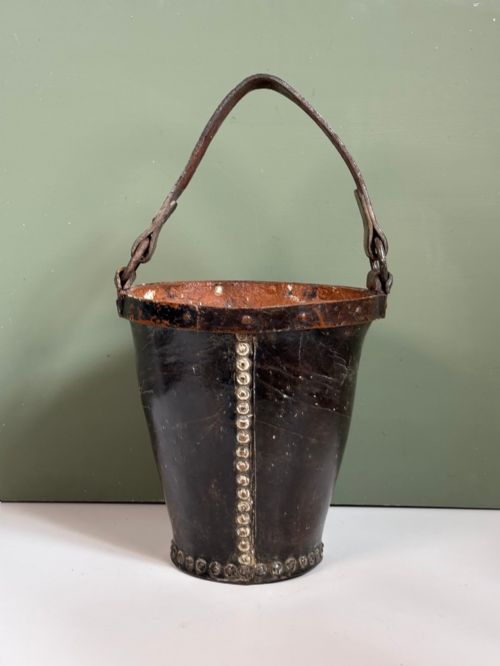
A victorian copper container encompasses practical household vessels created primarily during the nineteenth century for fireside use and storage. Buyers searching this phrase will find functional items such as coal buckets, scuttles, log bins, and cauldrons, alongside planters and jardinières.
The domestic hearth dominated the original purpose of these objects, which held solid fuel or carried water. Many examples now find a second life repurposed as indoor plant pots or decorative storage containers within rustic farmhouse and traditional interiors.
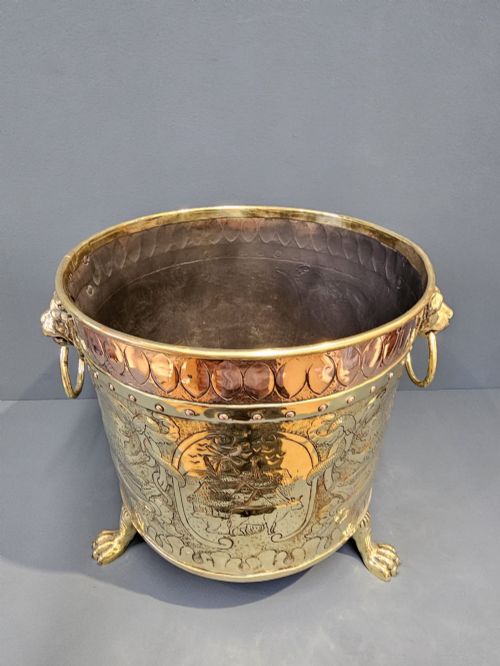
Most pieces date from the Victorian era and the subsequent Arts and Crafts movement, utilising durable metals shaped for heavy daily domestic service. Surviving examples display the marks of hard utility alongside decorative brass handles, bands, and embossing.
What varies in quality
Thickness of gauge metal separates robust utilitarian vessels from lighter decorative pieces, dictating how well a container withstands dents and daily knocks. Substantial gauge copper holds its structural integrity under heavy loads of logs or coal without buckling.
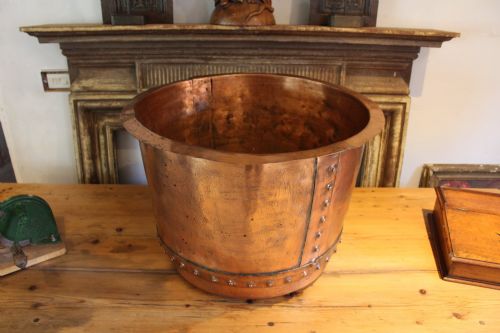
The quality of construction shows in the regularity of hand-driven rivets and the secure seating of brass handles and mountings. Finer pieces display careful attention to proportion, clean seams, and harmonious combinations of brass, iron, and copper.
Some Victorian coal buckets doubled as sturdy seats when the fireside grew crowded on cold winter nights.
The Victorian Copper Container Glossary
- Coal scuttle
- A bucket or helmet-shaped container designed specifically for holding and transporting domestic coal to a fireplace. These often feature a shaped mouth and a swing handle for tipping.
- Riveted
- Joined together using metal bolts hammered flat at the end to secure overlapping sheets of copper or iron. This technique provided maximum strength for heavy-duty containers.
- Arts and Crafts
- A design movement spanning the late nineteenth and early twentieth centuries that valued handcraftsmanship, simple forms, and visible construction methods over mass production.
Victorian Copper Container: Frequently Asked Questions
What were victorian copper containers used for?
These vessels served primarily practical roles around the nineteenth-century home, holding solid fuel like coal and logs near the hearth, carrying water, or storing household goods.
Over time, many of these durable metal containers transitioned from utility to decoration, becoming popular as indoor plant holders and log bins in contemporary spaces.
How do I date a copper container?
Dating relies on examining manufacturing techniques, such as hand-beaten surfaces and the style of construction, alongside design movements like Arts and Crafts or Victorian ornamentation.
Material choices also offer clues, as early pieces often feature hand-driven copper rivets and wrought iron mounts, while later transitional items show machine rolling and brass fittings.
Can I use an antique copper container for plants?
Many copper vessels make excellent plant holders, particularly large log bins and jardinières that easily accommodate potted houseplants or floral arrangements.
It is advisable to place a modern plastic liner inside the antique container to protect the historical metal and interior from damp soil and standing water.
How do I clean antique copper?
Maintenance depends entirely on personal taste regarding patina, as many collectors prefer to leave the dark, aged oxidation that accumulates over a century or more.
If you prefer a brighter finish, use a gentle cream cleaner specifically formulated for copper and brass, avoiding abrasive pads that scratch the soft metal.