
Vintage Copper Coal Bucket
These vintage copper coal buckets are essential hearthside vessels that bring warmth and tactile metal texture to a room.
Vintage Copper Coal Bucket
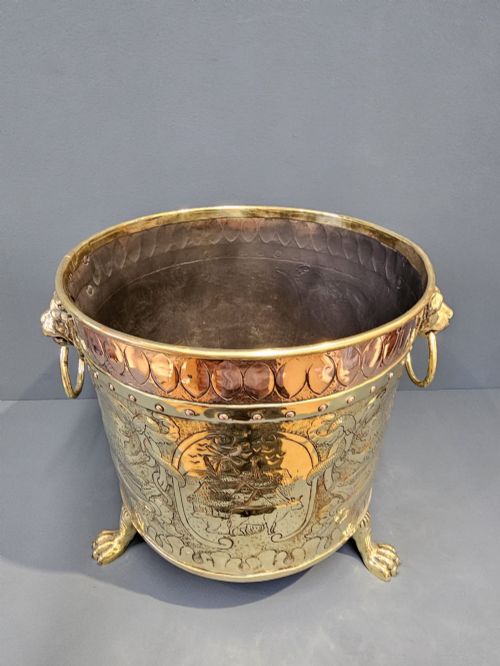
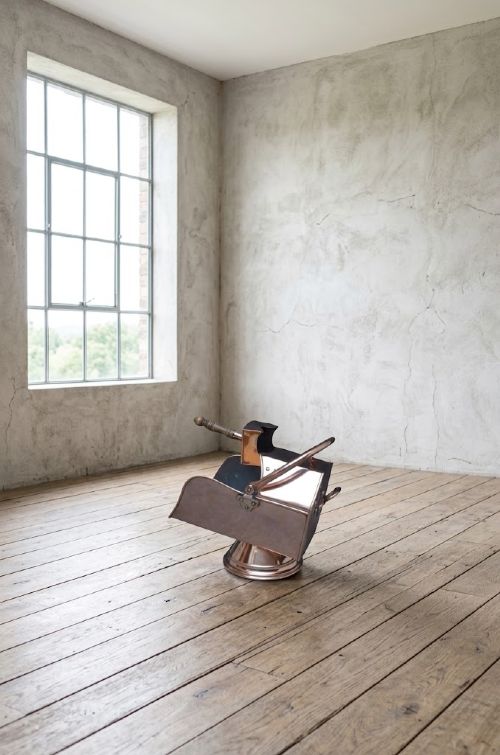
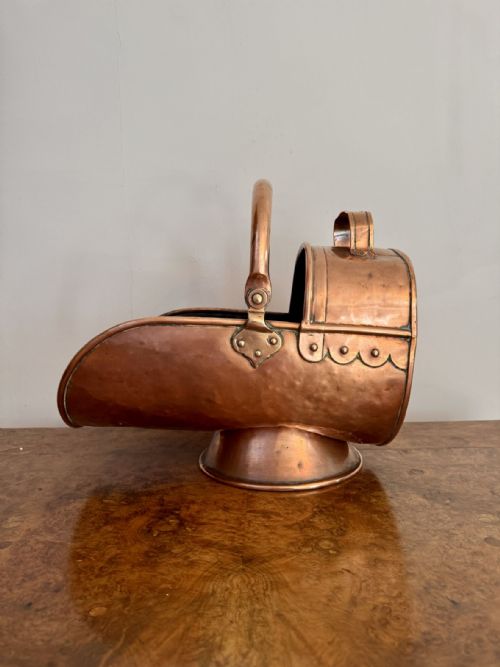
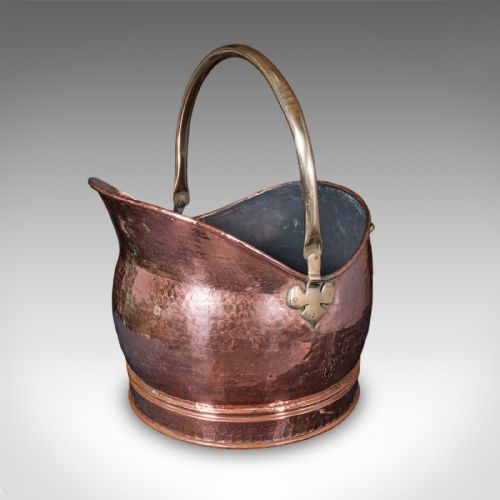
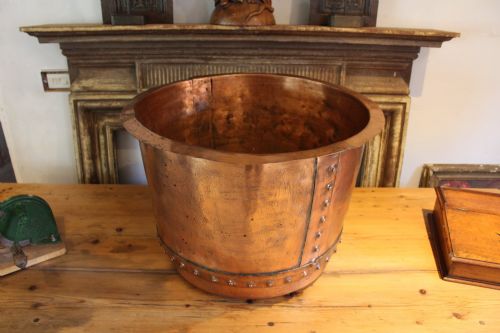
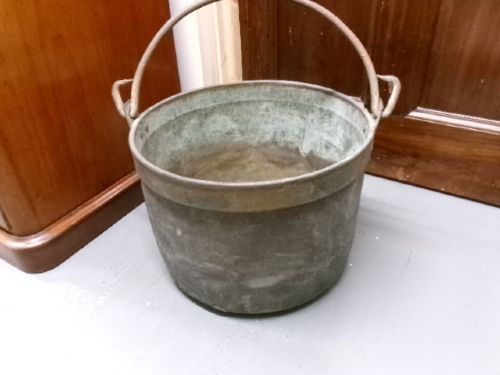
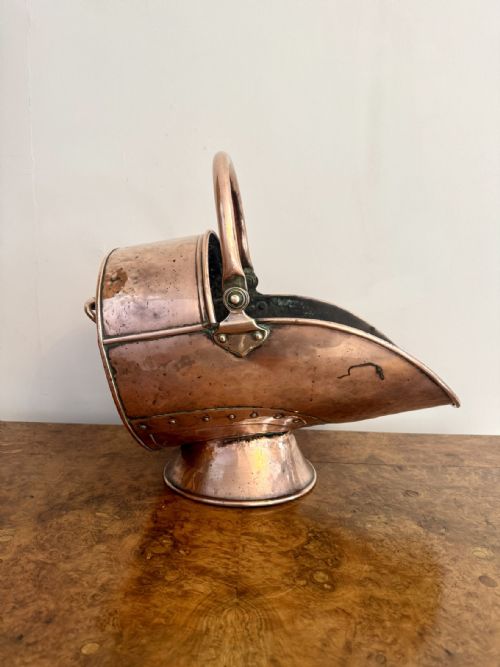
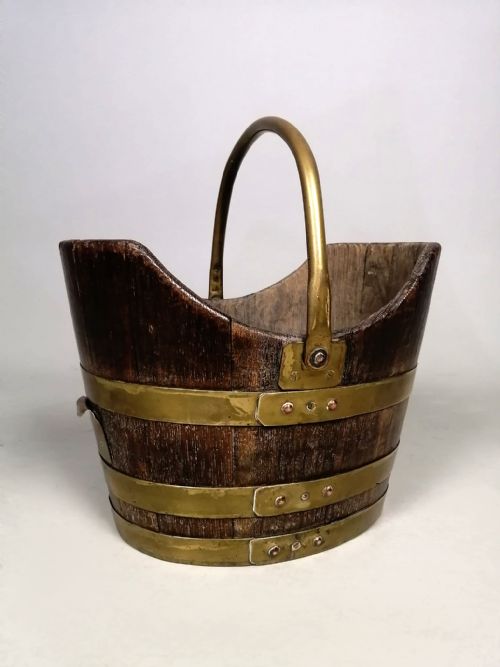
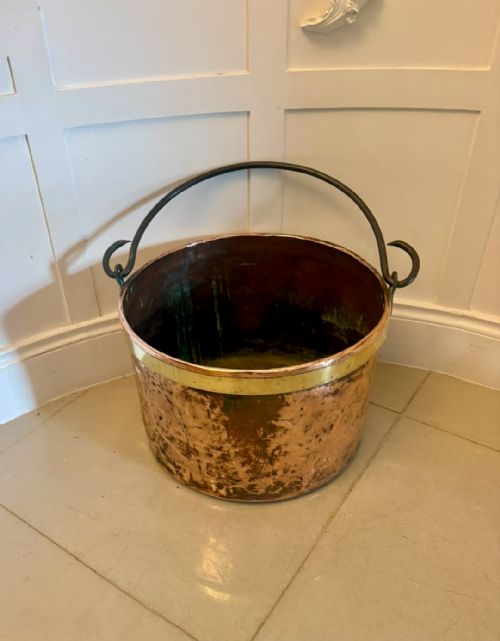
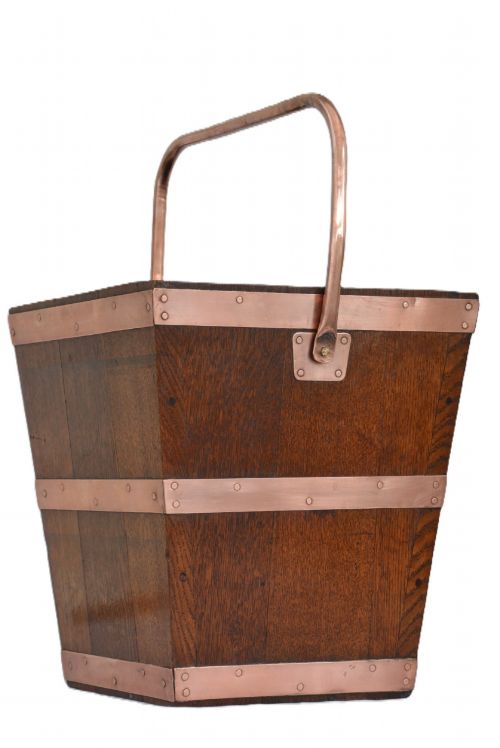
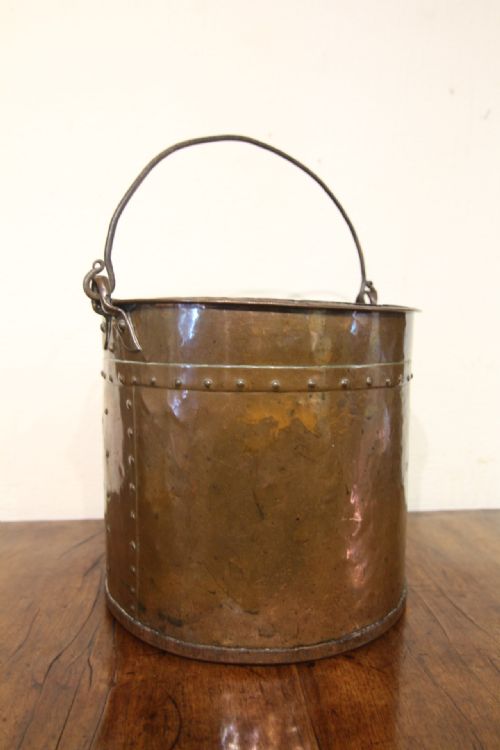
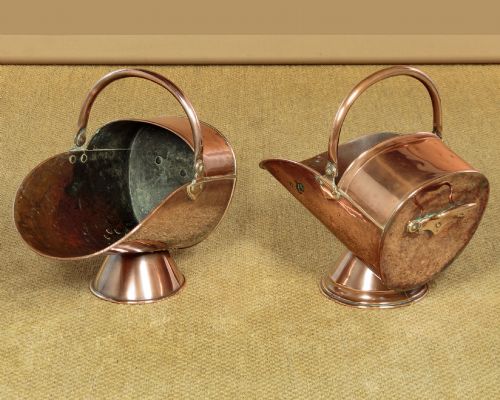
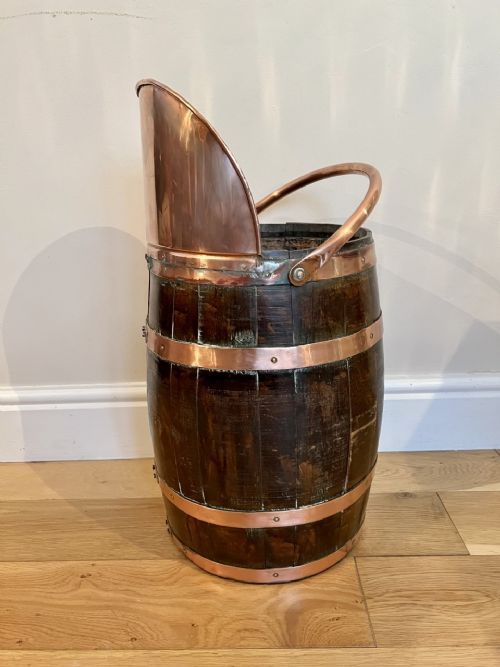
A vintage copper coal bucket serves as a utilitarian fireside container designed to hold solid fuel for a hearth. When searching for a vintage copper coal bucket, buyers encounter various forms including helmet scuttles, cylindrical log bins, and swing-handled cauldrons.
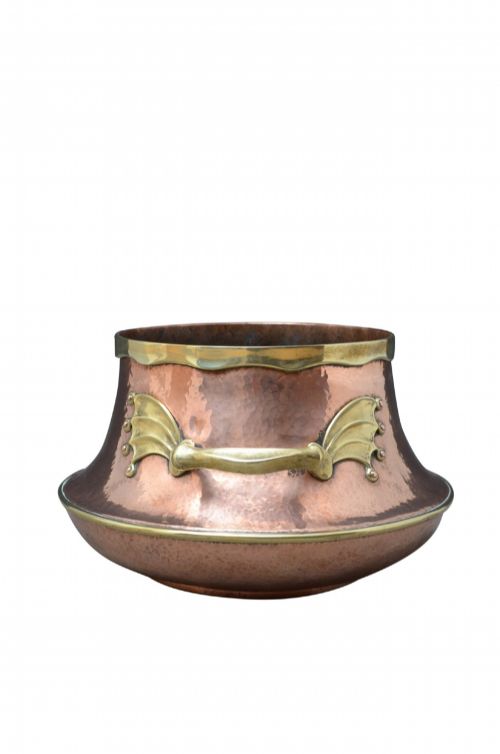
Many items show dual utility, doubling as log bins or jardinieres for indoor plants. The predominant aesthetic is nineteenth-century domestic metalwork, featuring sturdy riveted construction and contrasting brass handles or bands.
Factors of quality
The calibre of a piece rests on the thickness of the metal sheet and the integrity of its joints. Heavy-gauge copper and secure riveting distinguish superior items from lighter, purely decorative vessels.
Detailing in the brass mounts and the crispness of hand-hammered or embossed patterns indicate skilled workmanship. Original handles, rims, and uncompromised structural form separate the finer examples from heavily restored or altered pieces.
Some sturdy vessels originally intended to quench eighteenth-century chimney sparks now happily host ferns in modern living rooms.
The Vintage Copper Coal Bucket Glossary
- Coal scuttle
- A container with a sloped mouth and a handle designed for carrying and pouring coal onto a fire. These often take a distinctive helmet shape.
- Jardiniere
- An ornamental pot or stand for holding plants or flowers. Many metal coal buckets serve this secondary purpose in modern interiors.
- Embossed
- Decorated with raised patterns or designs pressed into the surface of the metal. This technique adds tactile relief to the body of the bucket.
- Cauldron
- A large round metal pot, typically featuring a swing handle and resting on feet or a flat base. These provide deep storage capacity for fuel.
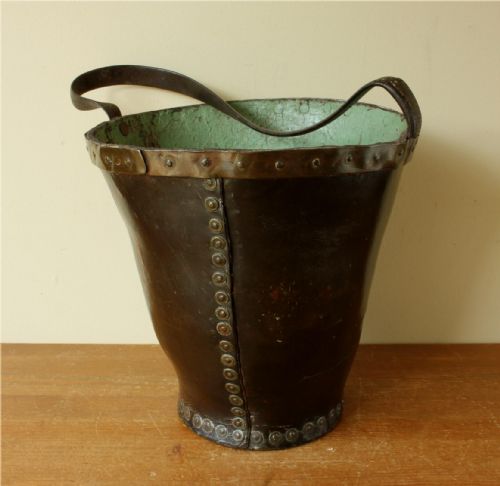
- Boiled leather
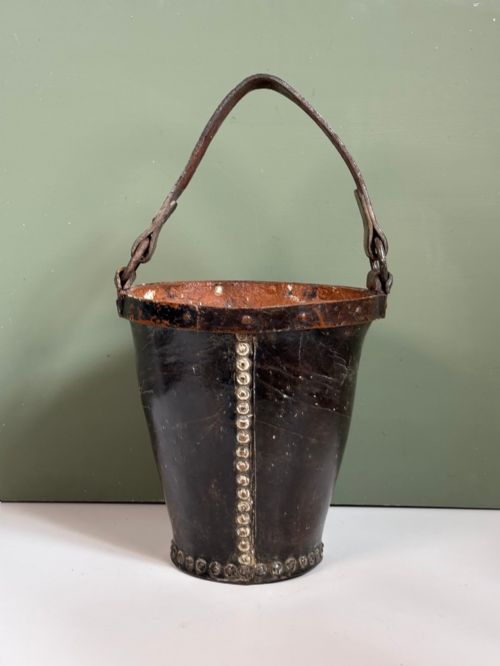
- Material soaked in hot water or wax to harden it into a rigid form. Historic fire buckets were frequently constructed using this durable method.
Vintage Copper Coal Bucket: Frequently Asked Questions
How do I clean a copper bucket?
Wash the surface gently with warm soapy water and a soft cloth to remove dust and soot. Avoid harsh abrasive pads that scratch the metal.
Apply a dedicated copper cleaner only if you prefer a bright finish, though many collectors favour the natural dark patina built up over decades.
Can I use these for logs?
Most of these vessels suit storing logs, kindling, or peat beside an active fireplace. Cylindrical log bins and riveted buckets offer ample internal capacity for heavier wood.
Check the interior base for dryness before loading fuel to protect the historic metal and any wooden or leather components.
How old is my coal bucket?
Dating relies on stylistic markers such as hand-hammered seams, Georgian brass banding, or Victorian embossing. Nineteenth-century examples frequently feature heavy copper riveting and distinct maker touches.
Examining the construction methods and handle attachments helps narrow the decade of origin.
Are these buckets waterproof?
Original riveted joints may allow slow seepage if filled directly with standing water. Placing a plastic liner inside protects the historic seams when using the vessel as a plant jardiniere.
Inspect the base for historical repairs or solder patches that indicate past functional use.