


19th Century Copper Scuttle
These 19th century copper scuttle pieces bring warmth and utility to a fireside, prized for their robust metalwork and period character.
19th Century Copper Scuttle
A 19th century copper scuttle serves as a practical fireside vessel for holding coal and logs, shaped through various Victorian, Arts and Crafts, and country styles. You will frequently encounter heavy buckets, helmet-shaped scuttles, and log bins designed to sit beside the hearth.
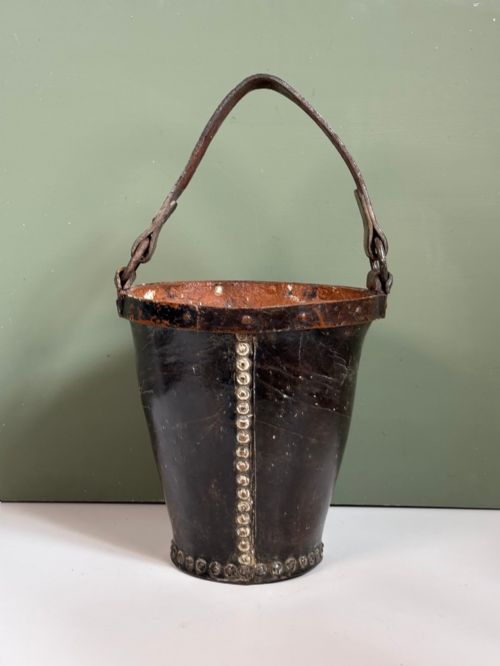
The materials span traditional copper paired with brass, iron, wrought iron, tin, and zinc, alongside occasional boiled leather or wood elements. These pieces originate from domestic and industrial traditions, spanning plain utilitarian carriers to decorative vessels with swing handles.
Selecting a piece involves balancing the capacity needed for fuel storage with the visual weight of the metal. Most examples date across the Victorian era, including specific pieces marked by 1850 and 1860 timelines.
How they were made
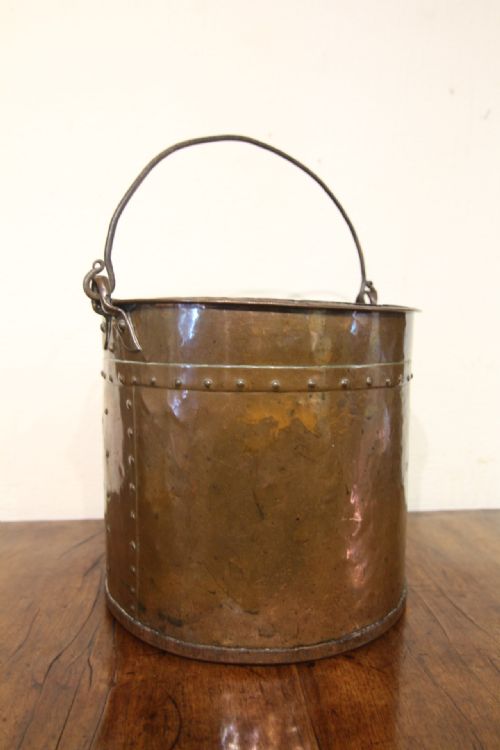
Makers constructed these vessels primarily from sheet copper, often joining the body using visible rivets for structural strength. Handles in wrought iron or brass were secured firmly to sustain the heavy loads of coal and logs.
Additional stability came from iron and zinc reinforcements, while some forms incorporated brass fittings and hammered surfaces. These construction methods ensured the vessels withstood the daily demands of nineteenth-century hearth maintenance.
Listings combine copper with brass, iron, wrought iron, tin, zinc, wood, and boiled leather across Victorian and Arts and Crafts styles.
What varies in quality
The distinction between ordinary and superior examples lies in the heft of the metal and the integrity of the riveting. Thicker copper sheets and robust wrought iron handles indicate a higher grade of utilitarian manufacture.
Decorative detailing also separates the range, from simple functional buckets to pieces featuring refined brass mounts or hammered Arts and Crafts surfaces. The quality of the original construction dictates how well the vessel survives heavy daily use.
The 19th Century Copper Scuttle Glossary
- Riveted
- Joined with metal pins that are hammered flat at the ends. This technique provides durable structural bonds on heavy copper buckets.
- Helmet scuttle
- A coal container featuring a flared, asymmetrical opening reminiscent of a traditional helmet. It allowed easy scooping of fuel onto the fire.
- Swing handle
- A movable handle attached to opposing sides of a bucket or scuttle. It drops down flat against the vessel when not in use.
- Log bin
- A large container designated for storing firewood beside the hearth. These often match the copper and brass construction of smaller coal buckets.
- Ferrat
- A regional term for a specific vessel type. It denotes functional metal containers used in domestic settings during the nineteenth century.
19th Century Copper Scuttle: Frequently Asked Questions
What are 19th century copper scuttles used for?
These vessels were originally designed to carry and store coal or logs near an open fireplace. Their robust metal construction easily handled the weight of heavy fuel.
Today, they serve both as functional fireside accessories and as decorative containers for dried flowers, umbrellas, or kindling in traditional interiors.
How do I clean a copper scuttle?
Most owners prefer to leave a warm, aged patina on nineteenth-century copper rather than polishing it to a bright shine. Gentle dusting and occasional wiping with a soft cloth preserve the historic surface.
Avoid harsh chemical abrasives that strip away the authentic character accumulated over decades of hearth use.
Are helmet scuttles different from buckets?
Helmet scuttles feature a distinctive sloping rim designed to tip coal forward cleanly into a grate. Standard buckets maintain an even, straight-sided profile for general carrying.
Both forms utilise the same heavy copper sheets and iron handles common to nineteenth-century metalwork.
Where were these pieces made?
The listings show English, French, and Dutch origins spanning the Victorian period. Regional workshops produced these items for domestic heating needs across Europe.
Different stylistic movements, such as Arts and Crafts workshops, introduced hammered textures and decorative brass fittings later in the century.