



Copper Fire Companion
A copper fire companion brings warmth and metallic lustre to the hearth through practical vessels and tools.
Copper Fire Companion
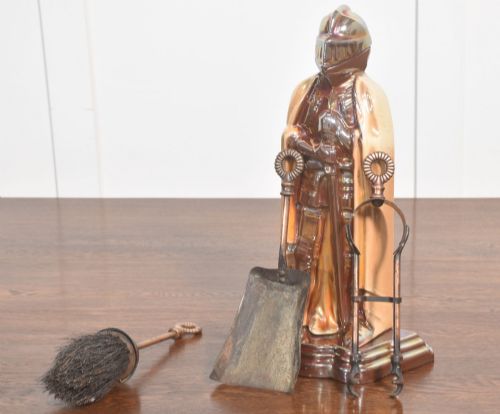
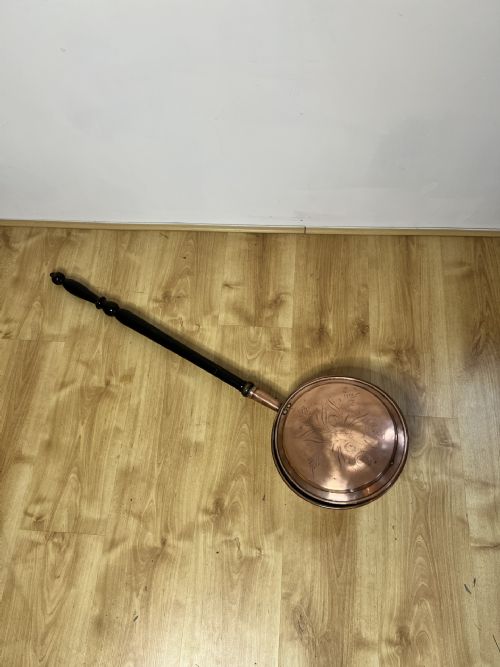
A copper fire companion encompasses fireside companion sets, log bins, coal buckets, warming pans, and fire dogs designed for hearth maintenance. These objects serve both utilitarian and decorative roles in traditional and period interiors.
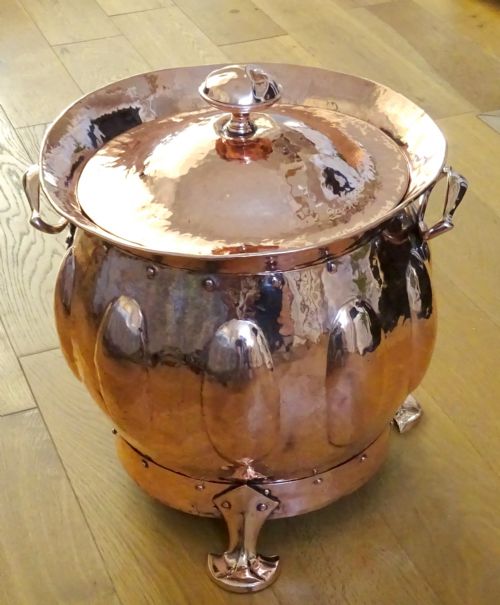
The pieces appearing here span the 18th century, Victorian era, and early 20th century, including distinct Art Nouveau, Arts & Crafts, and Gothic Revival styles. Common forms include shaped log bins, buckets, and multi-piece tool sets featuring brass and iron elements.
Buyers frequently encounter 19th-century log bins and Victorian companion sets alongside George III pots and Edwardian combinations. These items combine copper bodies with contrasting brass handles, feet, or iron tool shafts.
Materials and construction
Craftsmen utilised sheet copper, cast iron, and brass to form these fireside pieces, often combining metals for structural strength and visual contrast. Wrought iron provides rigidity for fire tools and fire dogs, while copper sheets form the main bodies of buckets and bins.
Makers employed hand-beating, riveting, and soldering techniques to shape copper plates into coal buckets and log scuttles. Brass accents such as handles, paw feet, and rims were riveted or joined to the copper bodies.
Some items feature painted metal components, bronze elements, or copper-plated steel, reflecting varied manufacturing methods across different periods from the Georgian era through to the early twentieth century.
Copper Fire Companion Retail Price Guide 2026
Typical asking prices for copper fire companion among the pieces listed under this phrase on Sellingantiques today, from the lower quarter to the upper quarter. They describe what is for sale here now, not the wider market.
Listings feature copper alongside brass, iron, and cast iron across George III, Victorian, and Arts & Crafts periods.
Evaluating quality and craftsmanship
Quality rests in the substantial gauge of the metal, the integrity of joined seams, and the crispness of applied brass details. Heavier copper plates and sturdy iron supports indicate superior durability for daily hearth use.
The refinement of decorative motifs, particularly in Art Nouveau or Arts & Crafts examples, distinguishes finer workshops from standard production pieces. Hand-beated texturing and balanced proportions demonstrate superior maker skill.
The preservation of original surface tones and matching brass or iron components adds significant character compared to heavily polished or mismatched groupings.
The Copper Fire Companion Glossary
- Log bin
- A large container designed for storing firewood near the fireplace. These vessels often feature brass paw feet and drop handles.
- Fireside companion set
- A coordinated collection of fireplace tools, typically comprising a poker, tongs, shovel, and brush. They stand together in a shared holder or base.
- Warming pan
- A long-handled covered metal pan filled with hot embers to warm bed linen. George III examples often display hand-beaten lids with decorative engraving.
- Ferrat
- A specialised metal tool or stand used in tending hearth fires. Arts & Crafts examples highlight distinctive period metalworking techniques.
- Fire dogs
- Supporting iron or brass irons placed horizontally in a hearth to hold logs above the floor. They frequently appear paired with matching fire tools.
Copper Fire Companion: Frequently Asked Questions
How do I clean a copper bucket?
Maintenance involves gentle washing with warm soapy water and a soft cloth to remove soot and dust without damaging the metal surface.
Strong abrasive cleaners strip the historic patina and should be avoided to preserve the authentic appearance of older copper.
Are these companion sets usable?
Most antique companion sets and iron tools remain structurally robust enough for regular hearth use with an open fire.
Consider the weight of the metal and the security of handles before placing heavier items into active daily service.
How do I date a copper log bin?
Dating relies on observing construction methods, such as hand-riveted seams versus machine pressing, alongside stylistic details like Art Nouveau curves or Georgian proportions.
Comparing handle designs and foot styles against documented period examples provides further chronological context.
Can I mix brass and copper pieces?
Victorian and Edwardian hearth accessories frequently combined copper bodies with brass mounts, handles, and tools as a deliberate aesthetic choice.
Blending these warm metallic tones creates a cohesive fireside arrangement that reflects historical precedent.