
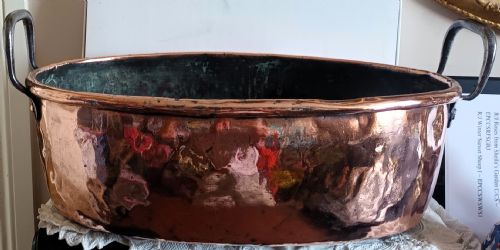


Hammered Copper Tub
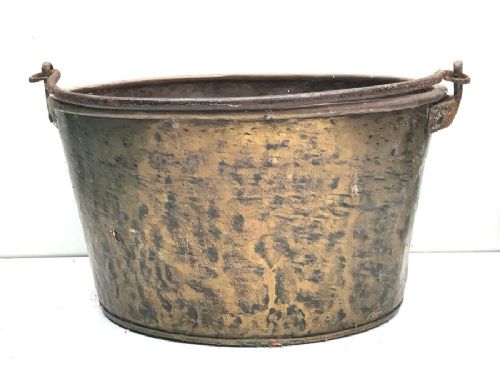
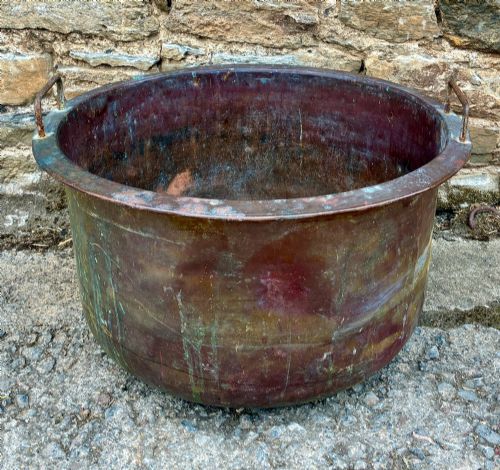
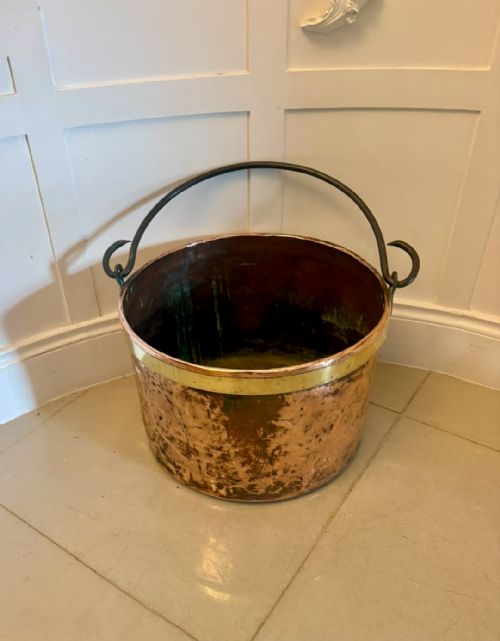
A hammered copper tub brings honest warmth to a room, serving as a robust log bin or deep planter built to endure.

Hammered Copper Tub
A hammered copper tub combines utility and craft, drawing on domestic vessels originally made for washing, cooking, and storage. When buyers search for a hammered copper tub, they encounter utilitarian forms like log buckets, wash tubs, and planters dating from the eighteenth century through to the early twentieth century.
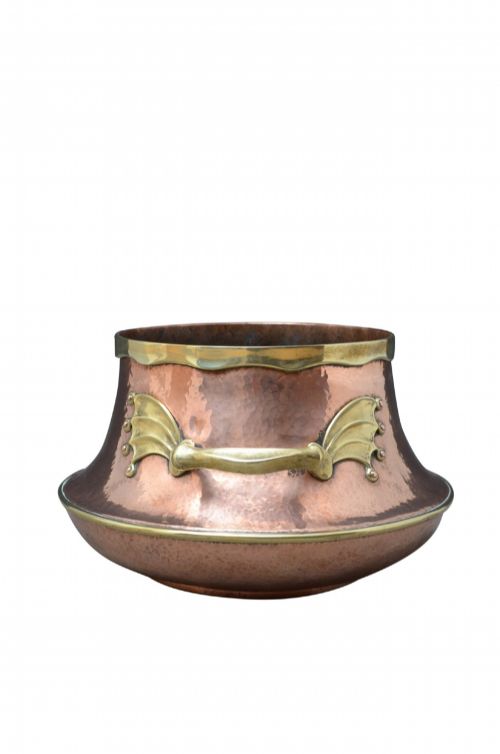
The pieces on this page span Georgian, Victorian, and Arts and Crafts styles, reflecting a shift from heavy utilitarian kitchenware to decorative fireside accessories and jardinières. Surviving examples range from simple dairy pans and grain measures to riveted coal bins fitted with brass handles.
Victorian and Edwardian versions dominate the selection, often taking the form of deep bowls, coal buckets, and planters bearing the visible marks of handbeaten construction. Their scale varies from intimate cream setting pans to substantial vessels intended for fireside storage.
What varies in quality
Quality rests in the weight of the metal and the integrity of the construction, distinguishing sturdy working vessels from lighter decorative pieces. Thicker copper gauge ensures the tub retains its structural form under the weight of logs, coal, or damp earth.
The subtlety of the handbeaten surface and the proportion of the brass or iron fittings separate standard utilitarian items from finer examples produced during the Arts and Crafts period. Original handles, secure riveting, and honest patination elevate a piece beyond basic utility.
Hammered Copper Tub Retail Price Guide 2026
Typical asking prices for hammered copper tub among the pieces listed under this phrase on Sellingantiques today, from the lower quarter to the upper quarter. They describe what is for sale here now, not the wider market.
Listings include materials such as copper, brass, wrought iron, iron, and tin across Georgian, Victorian, and Arts and Crafts styles.
The Hammered Copper Tub Glossary
- Ferrat
- A traditional European vessel form, often used in agricultural or domestic settings, represented here in copper dating to the nineteenth century.
- Cream Setting Pan
- A wide, shallow vessel historically used in dairies to allow cream to rise to the surface of milk before skimming.
- Grain Measure
- A standardised cylindrical container used to gauge dry agricultural produce, typically constructed from heavy copper with reinforced rims.
- Riveted
- Joined securely by metal pins hammered flat at the ends, common in heavy nineteenth century vessels to withstand daily domestic strain.
Hammered Copper Tub: Frequently Asked Questions
What were copper tubs used for originally?
These vessels served demanding practical roles in historic households, functioning as wash tubs, grain measures, dairy pans, and cooking vessels.
Over time, many of these durable containers transitioned from the scullery and kitchen to the fireside as coal bins and log buckets.
How do I clean a copper tub?
Maintenance depends on the finish you prefer, as many owners choose to leave the dark, aged patina untouched.
If brightening is desired, a gentle metal cleaner applied with a soft cloth removes active oxidation without flattening the historic hammer marks.
Are these tubs waterproof?
Many surviving vessels retain their structural integrity and can hold water, though riveted seams may require checking if used continuously as planters.
Placing a liner inside protects the historic metal from prolonged contact with damp soil and standing moisture.
How do I tell Victorian pieces from Georgian ones?
Georgian items on this page often lean towards plain utilitarian kitchenware, such as heavy cream setting pans and simple grain measures.
Victorian and later Arts and Crafts examples introduce more decorative hardware, brass mounts, and pronounced handbeaten surfaces intended for display.