

Vintage Collector Storage
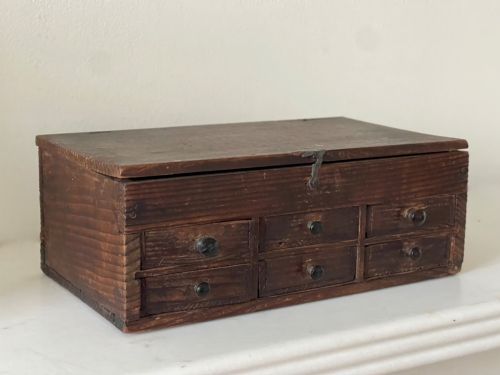
When you handle vintage collector storage, you deal in banks of small drawers and specimen cabinets built to house everything from insects to railway tickets.
Vintage Collector Storage
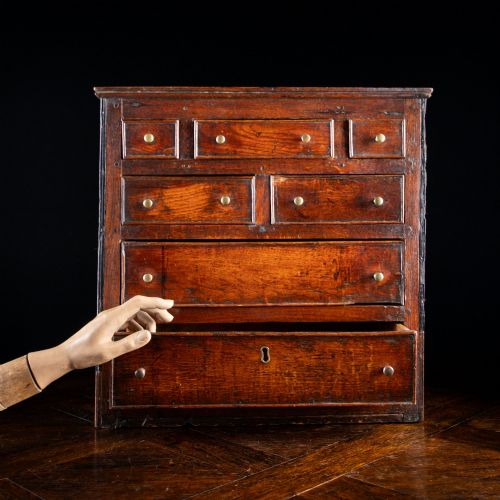
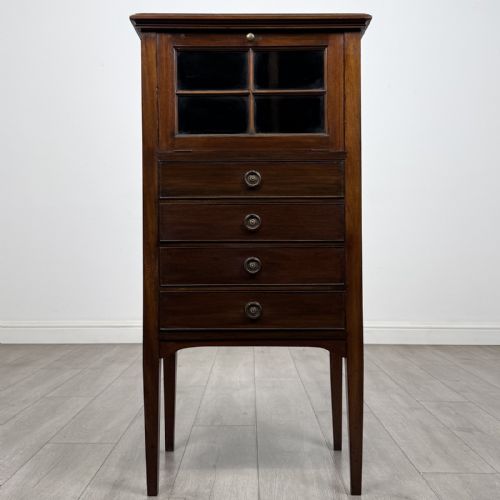
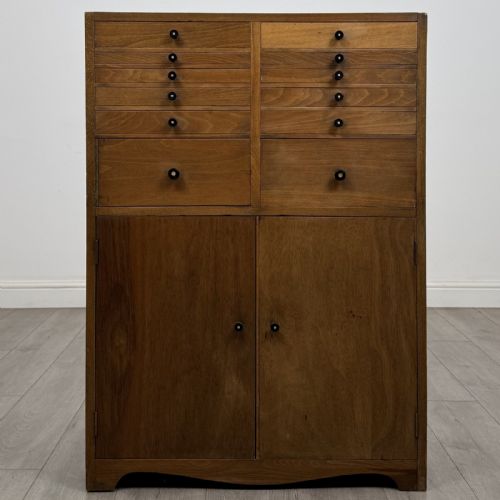
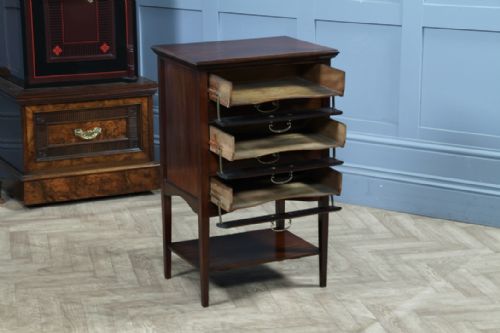
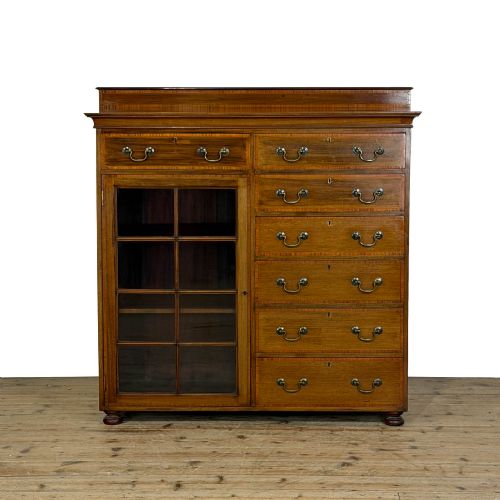
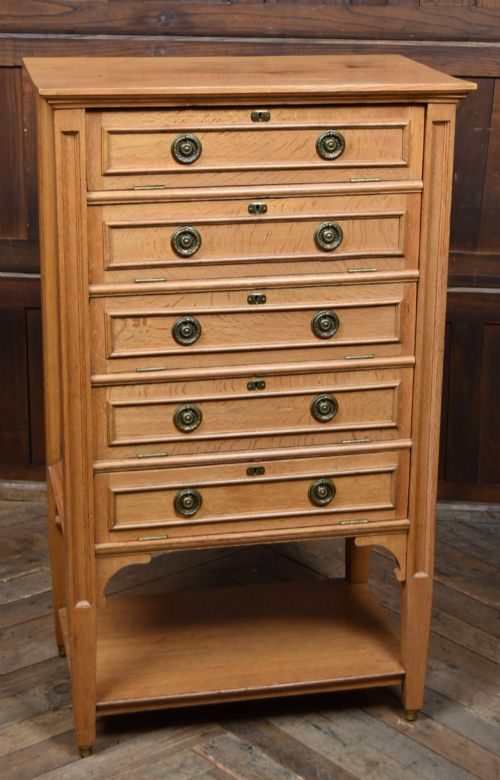
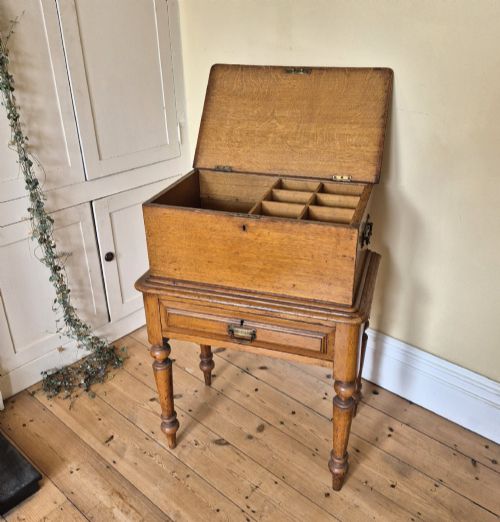
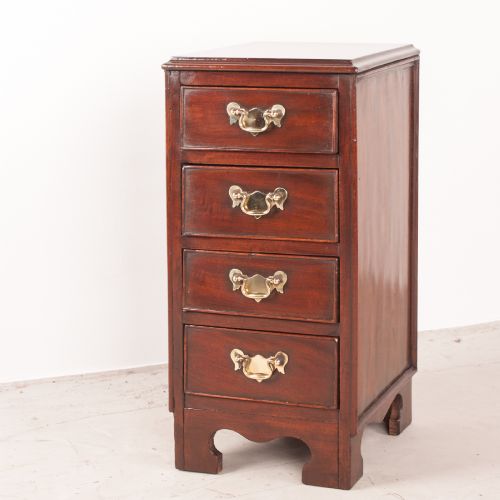
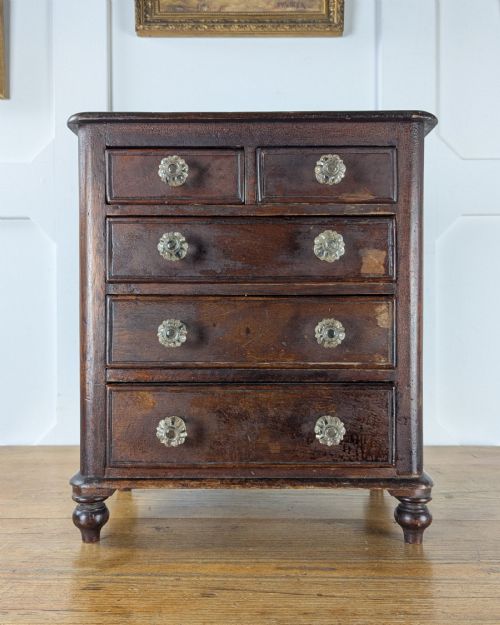
Vintage collector storage encompasses small drawer units, tabletop chests, and multi-drawer filing cabinets designed for sorting specific items. When buyers search this phrase, they encounter pieces built for practical sorting rather than grand display.
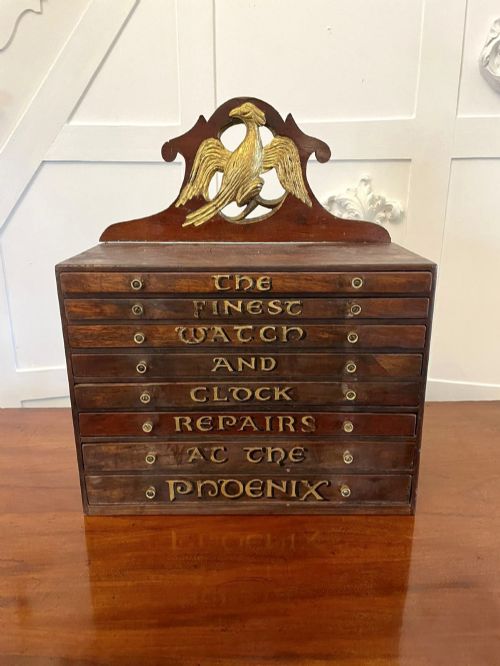
The options span periods from the nineteenth century through the 1930s, utilising styles such as Victorian, Edwardian, and Industrial Utility. Common forms include banks of drawers, apothecary chests, and watchmaker cabinets.
Most items on this page originate from utilitarian or specialised workspaces, including railway offices, chemist shops, and naturalist studies. These pieces served trades and hobbies that required the careful organisation of small objects.
How they were made
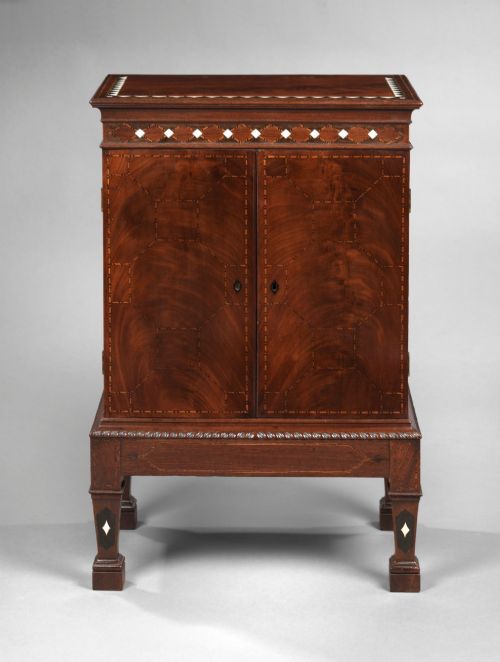
Cabinet makers relied on hardwoods like mahogany and oak alongside softer utility timbers such as pine, deal, and fruitwood. Joinery prioritised durability, often employing tight drawer tolerances to protect delicate contents from dust.
Hardware played a functional role, using brass pull handles, shell pulls, and iron label holders to identify contents quickly. Surfaces were typically stained, polished, or left in natural finishes suited to working environments.
Vintage Collector Storage Retail Price Guide 2026
Typical asking prices for vintage collector storage among the pieces listed under this phrase on Sellingantiques today, from the lower quarter to the upper quarter. They describe what is for sale here now, not the wider market.
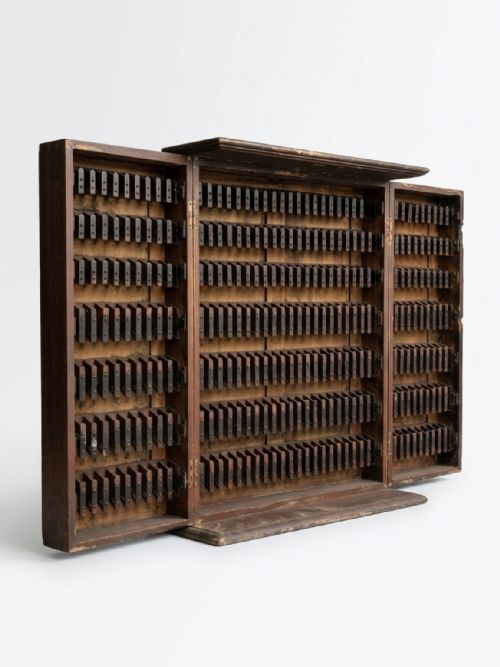
Railway ticket dispensing boxes survive complete with traces of platform haste.
What varies in quality
Quality rests in the density of the drawer arrangement and the integrity of the original hardware. A dense bank with numerous working drawers demands precision joinery that survives decades of daily pulling.
Provenance and maker attribution elevate certain examples, moving a piece from simple utility to specialised workshop output. Retaining original brass pulls, labels, and internal fittings separates standard office furniture from fine collector pieces.
Luxmore's of Ilfracombe·D Napier & Sons·Brady of Edmonton·Whytock & Reid of Edinburgh·Manoah Rhodes & Sons Ltd
The Vintage Collector Storage Glossary
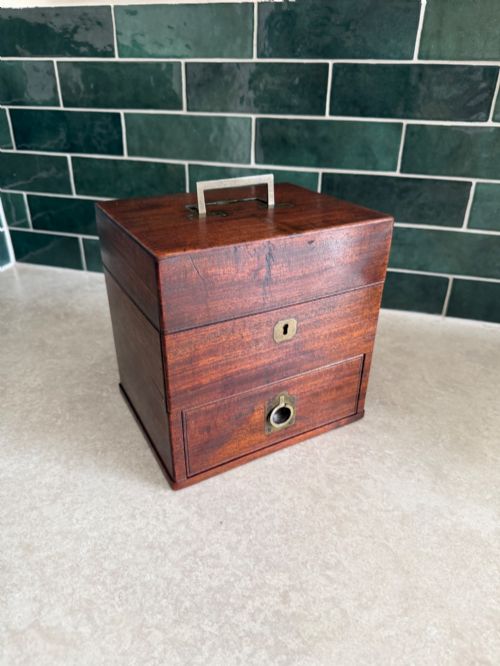
- Apothecary box
- A small chest or cabinet originally used by chemists to store medicines and ingredients. These units often feature numerous small drawers intended for dry goods or liquids.
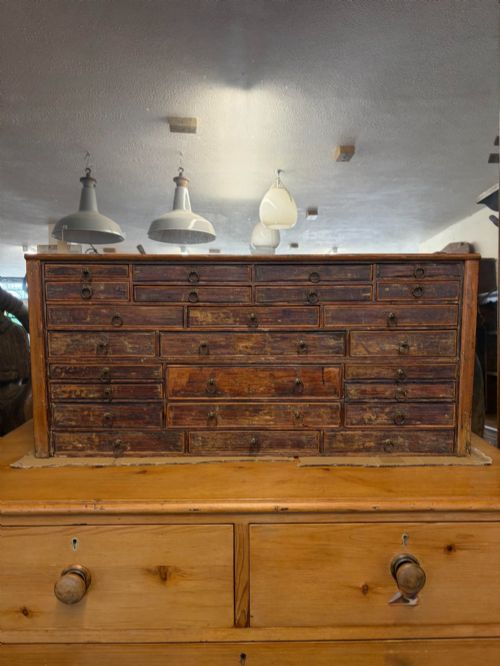
- Bank of drawers
- A multi-tiered case containing many small drawers arranged in rows and columns. Collectors utilise these for sorting uniform items like coins, stamps, or specimens.
- Collector's cabinet
- A specialised piece of furniture built with shallow drawers to house natural history specimens or small artefacts. Interiors often include glass tops or compartmentalised trays.
- Filing cabinet
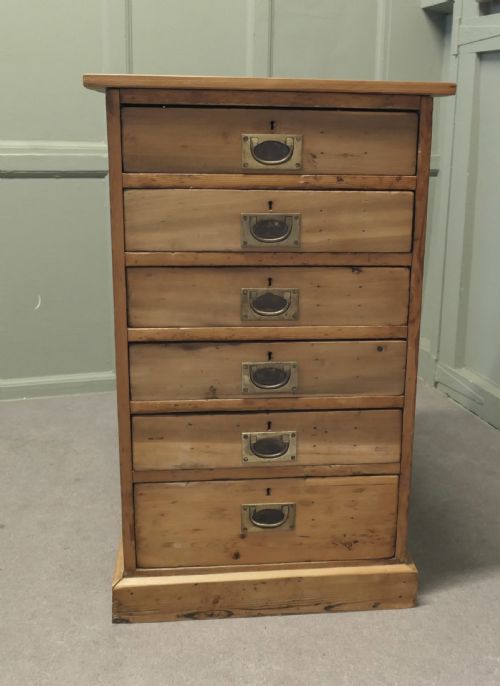
- An office storage unit designed to hold documents, tickets, or correspondence. Early versions frequently utilise oak or mahogany with brass label holders.
- Specimen case
- A protective box or small cabinet built to display or store biological samples. These pieces prioritise tight seals to protect fragile contents from light and pests.
Vintage Collector Storage: Frequently Asked Questions
What were apothecary cabinets used for?
Apothecary cabinets held medicines, herbs, and chemical compounds in pharmacies and dispensaries. Their numerous small drawers kept ingredients organised and accessible for daily compounding.
Over time, these units transitioned into domestic and studio use for sorting small craft supplies, hardware, and collections.
How do I identify a watchmaker's cabinet?
Watchmaker cabinets feature exceptionally shallow drawers designed to hold delicate watch movements, tiny screws, and specialised tools. They usually appear in oak or mahogany.
The interiors often retain compartmentalized trays or felt linings intended to protect tiny metal components from scratching.
Are multi-drawer chests suitable for modern office use?
Multi-drawer chests and filing cabinets provide excellent desktop organisation for modern stationery, receipts, and craft items. Their shallow drawer depth prevents clutter from accumulating.
Placing these units on a desk or side table offers practical storage while introducing period character to a workspace.