



Vintage Collector Storage Box
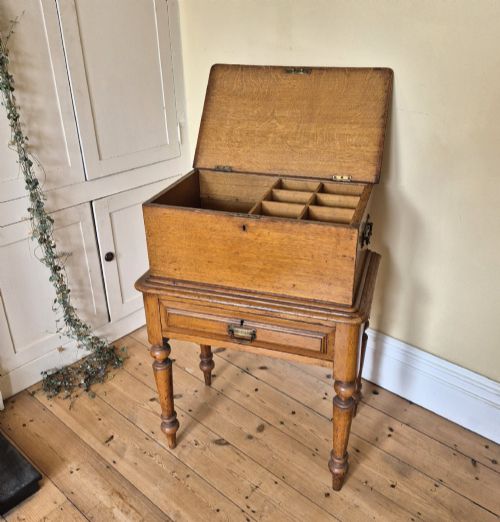
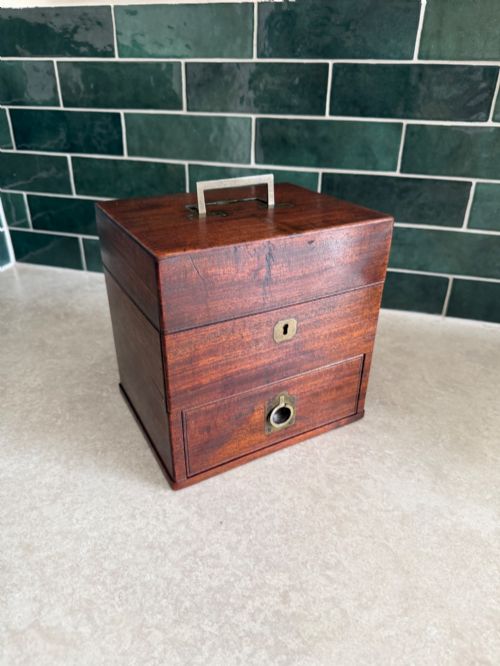
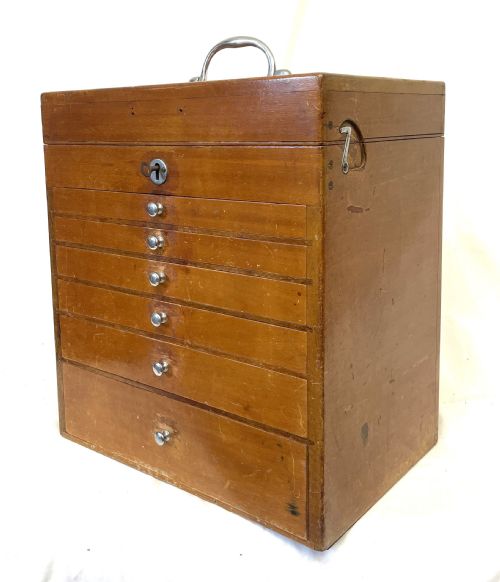
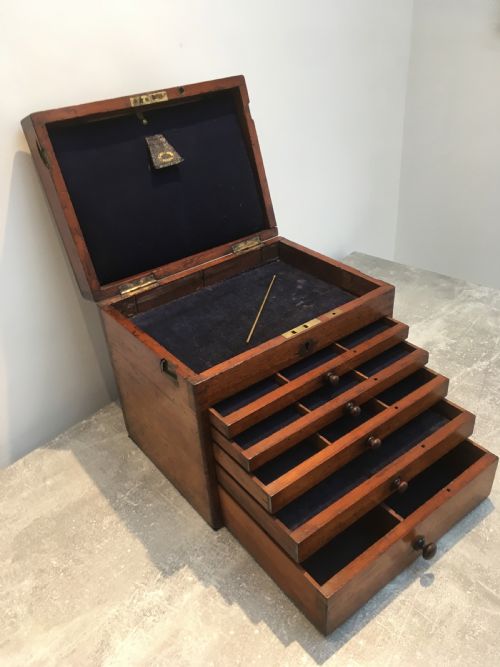
These vintage collector storage box pieces are small-scale wooden and metal cabinets designed to keep tiny specimens, watch parts, and medical instruments.
Vintage Collector Storage Box
When you search for a vintage collector storage box, you are looking at specialised tabletop containers designed to organise small items. The selections on this page span the 19th century up to the 1930s, encompassing periods like the Regency era and Victorian times alongside industrial utility designs.
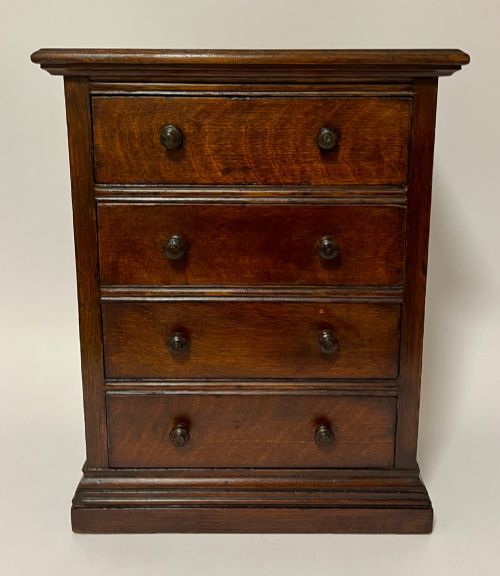
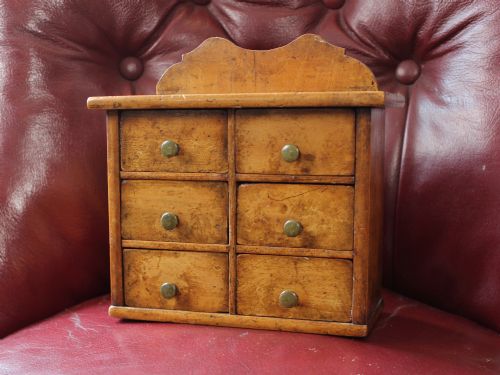
The objects take many forms, including apothecary boxes, microscope slide cabinets, spice drawers, watchmaker cabinets, and cigar humidors. You will encounter small oak specimen cases, miniature chests of drawers, and novelty items such as biscuit tins shaped like satchels.
Origins vary from English workshops to Anglo-Indian colonial pieces and Burmese specimen chests. These containers served practical purposes for railway clerks, dentists, watchmakers, and naturalists before finding new life as decorative desk accessories.
How They Were Made
Cabinet makers utilised dense hardwoods like oak, mahogany, fruitwood, satinwood, burr walnut, and boxwood to construct these durable containers. Metal and glass frequently appear for hinges, handles, locks, and viewing panels, whilst brass provides structural corners and handles.
Joinery techniques focus on miniature precision, with tight drawer construction and fitted interior compartments designed to hold delicate instruments or slides. Surface finishes highlight the natural grain of the timber through polishing and wax.
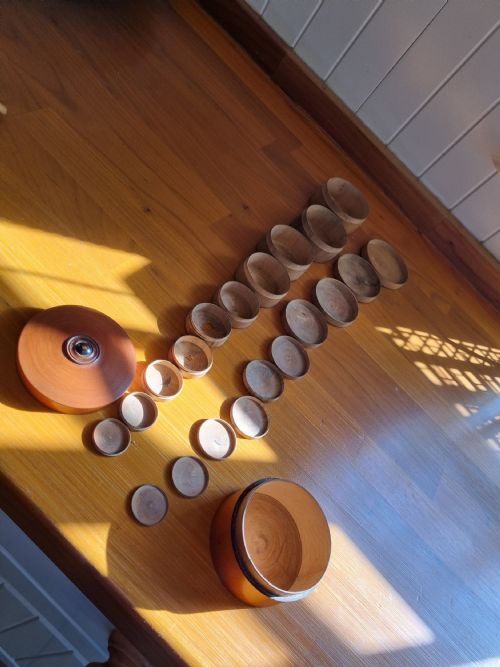
One box includes ten smaller containers nested inside, offering a miniature wooden Russian doll effect for storage.
What Varies in Quality
The standard of construction is visible in the tightness of the drawer joints and the choice of timber figure, such as burr walnut or satinwood veneers. Superior examples retain original brass hardware, working locks, and fitted interior partitions.
Complexity of internal arrangement separates utilitarian containers from masterwork cabinets containing numerous micro-drawers for scientific slides or watch parts.
Manoah Rhodes and Sons Ltd·Peek Frean and Co
The Vintage Collector Storage Box Glossary
- Apothecary box
- A fitted wooden container holding medical bottles, scales, and drugs. These boxes feature internal partitions designed to secure glass vessels during travel.
- Humidor
- A moisture-controlled storage chest designed for cigars. They often utilise Spanish cedar linings to maintain proper humidity.
- Specimen case
- A small cabinet with shallow drawers intended for biological or geological samples. Entomology drawers often include glass covers.
- Watchmaker's cabinet
- A multi-drawer desktop chest designed by tradesmen to hold tiny watch components and tools. They typically feature numerous shallow compartments.
- Treen
- Small handmade wooden objects produced before the mass era. The term derives from the old word for tree.
Vintage Collector Storage Box: Frequently Asked Questions
What were watchmaker cabinets used for?
Watchmaker cabinets provided secure, segmented storage for tiny gears, springs, and specialised repair tools. The numerous shallow drawers kept delicate components separated and organised on a workbench.
These pieces reflect the precise demands of horology. Today, the same drawers suit the storage of small modern trinkets or craft supplies.
How do I date a Victorian specimen case?
Dating relies on timber selection, brass hardware style, and construction methods. Victorian pieces frequently utilise oak or mahogany with hand-cut dovetail joints.
Maker labels or stamps inside the drawers can also provide specific decade markers. Comparing the locking mechanism to known period hardware helps narrow the manufacturing window.
Can I use an apothecary box for modern storage?
These boxes function well for organising jewellery, stationery, or small collection items on a desk. The internal dividers suit items that require separation.
Care should be taken with historical finishes when placing items inside. Using modern acid-free paper can protect delicate linings.
What distinguishes an Anglo-Indian colonial box?
Anglo-Indian pieces utilise exotic regional timbers and distinctive carved ornamentation reflecting cross-cultural design influences. They often combine British cabinet forms with local craftsmanship.
These items frequently appeared in the homes of officials serving abroad. The dense woods chosen offered durability in tropical climates.