
Vintage Collector Cabinet
A vintage collector cabinet gathers small treasures or organises papers, offering fitted drawers and glazed displays that suit any study.
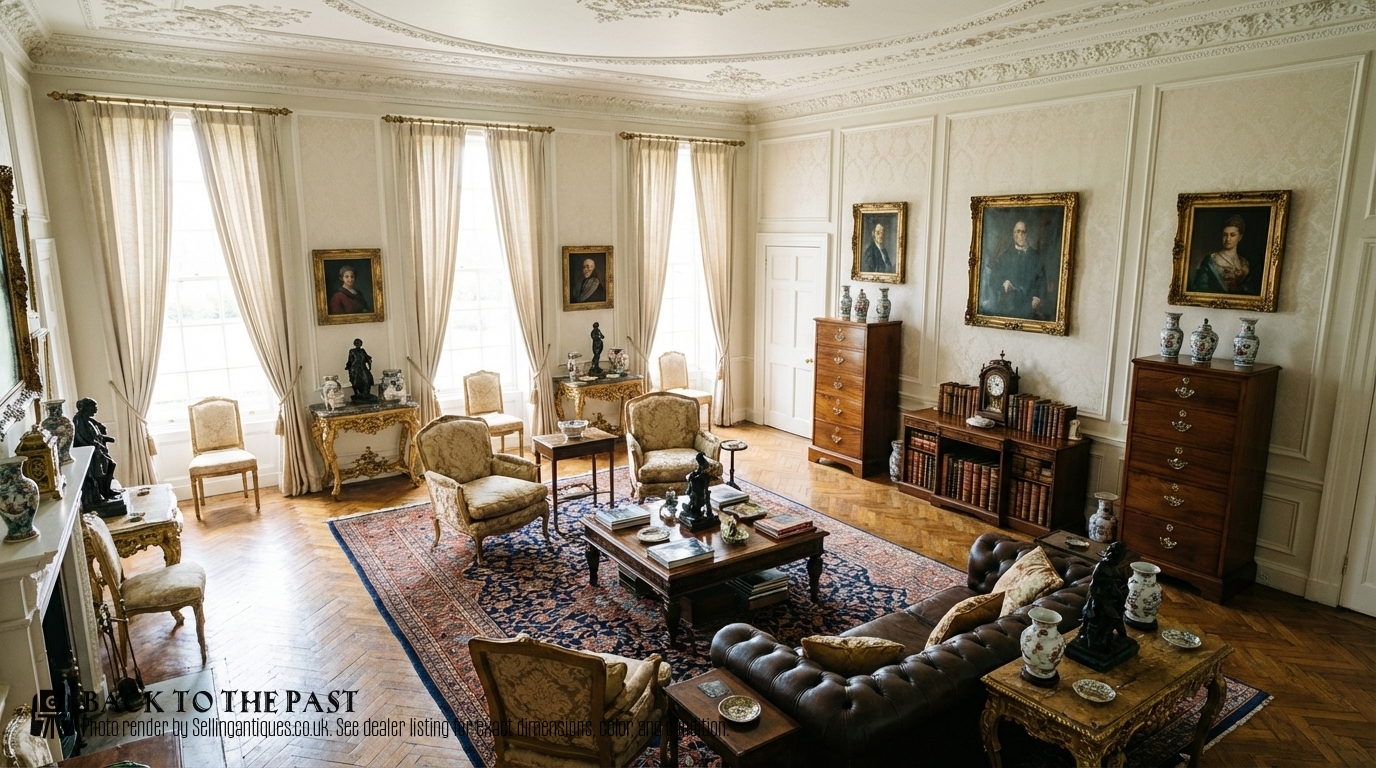
Vintage Collector Cabinet
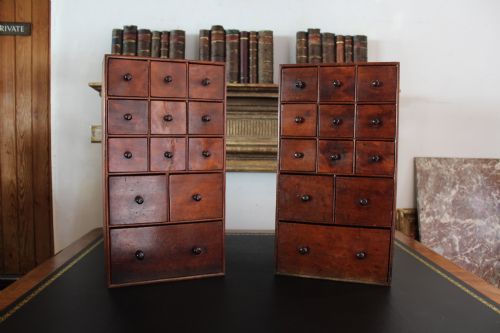
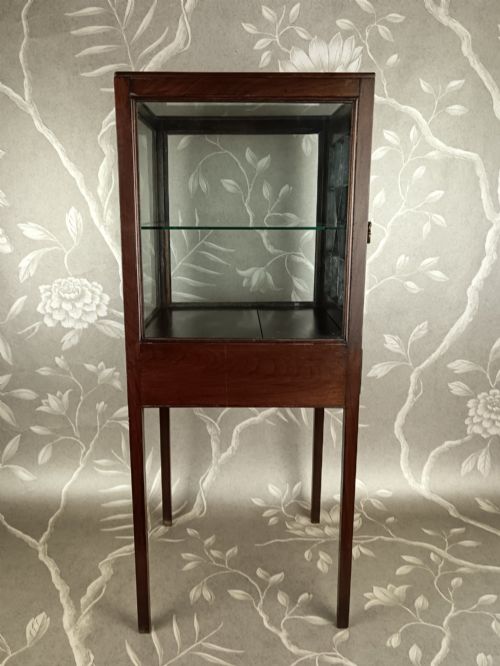
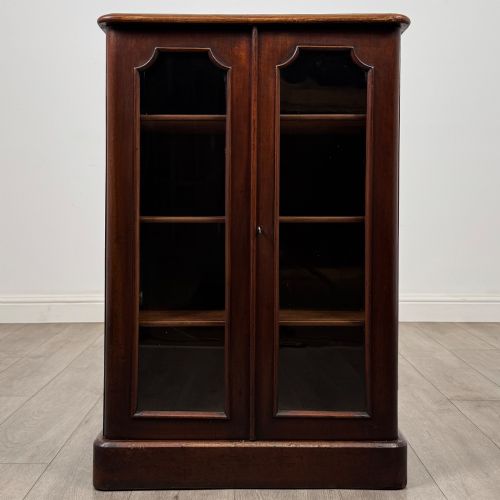
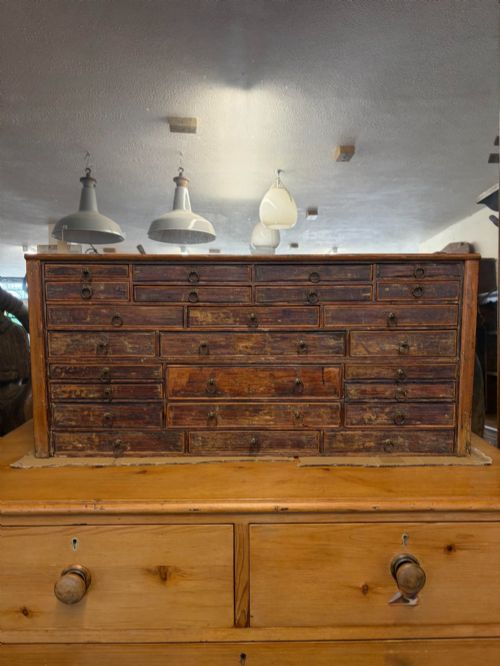
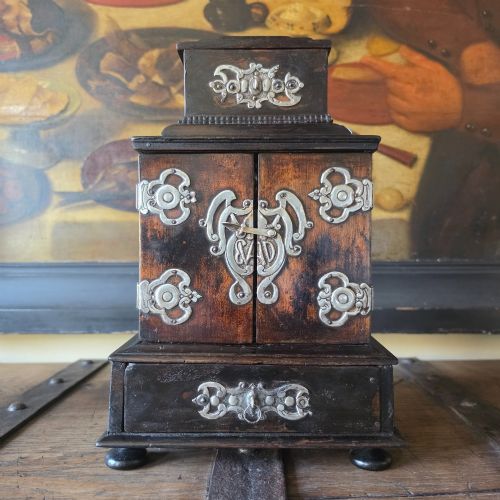
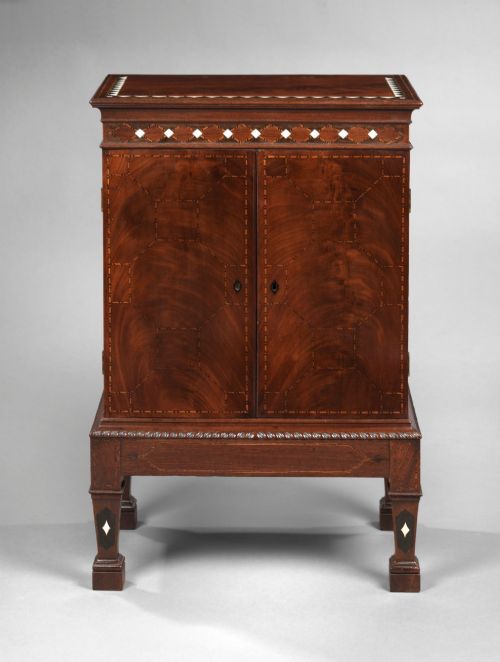
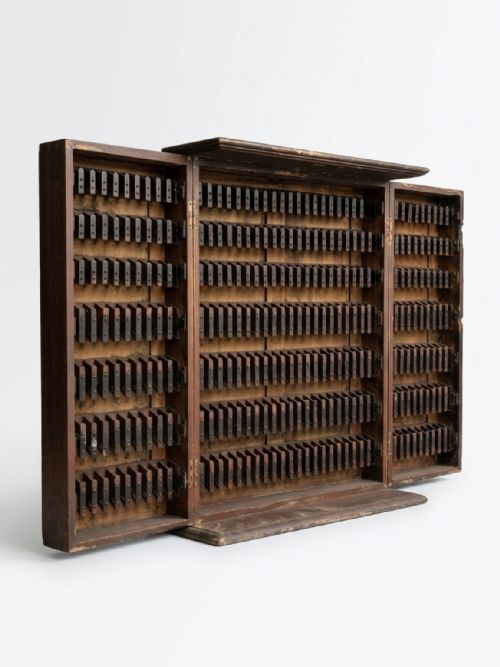
A vintage collector cabinet brings together multi-drawer chests, apothecary banks, tabletop display cases, and tall shop display units designed for storage or exhibition. These pieces span the 18th, 19th, and early 20th centuries, covering periods such as the Georgian, Victorian, and Edwardian eras.
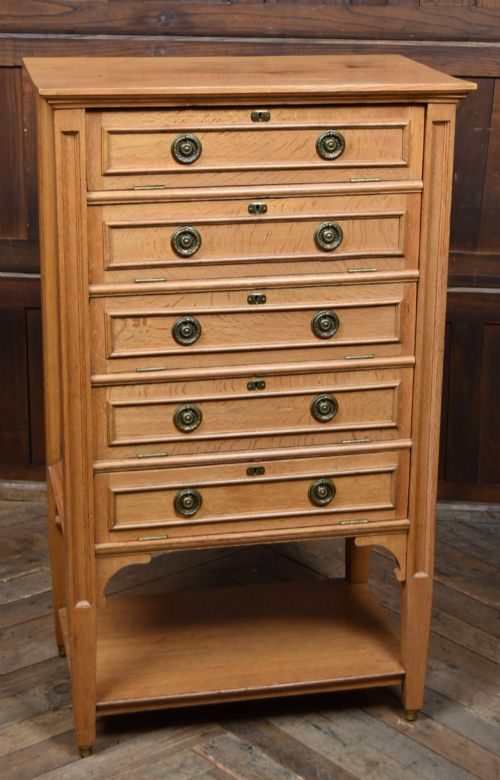
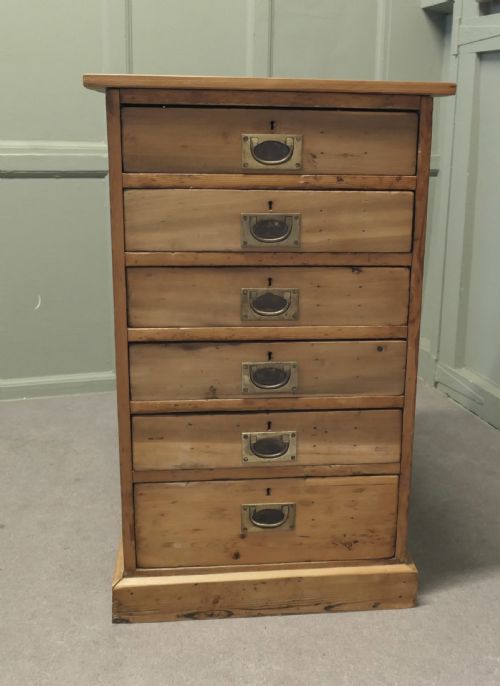
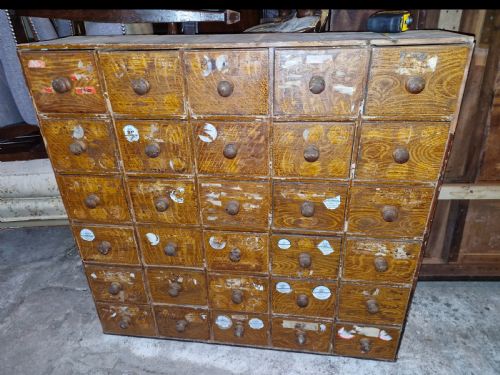
Buyers meet mahogany collector chests, oak filing units, pine spice drawers, and walnut display cabinets most frequently. Many pieces trace their origins to utilitarian or professional workspaces, including apothecary shops, florist rooms, and offices.
The form adapts to diverse interiors, functioning as jewellery storage, specimen housing, or general multi-drawer organisation. Each structure reflects the specific filing or display needs of its original period.
Materials and construction
Cabinet makers relied primarily on timbers such as mahogany, oak, walnut, and pine, often enhancing pieces with brass handles, label holders, and glass panels. Hardwoods provided structural stability for heavy banks of drawers, while softwoods like deal and pine served utilitarian office and apothecary furniture.
Joinery techniques ranged from dovetailed drawer construction to campaign-style brass inlays and inlaid hardwood details. Glazed doors utilised timber framing to secure viewing panes for display cabinets and vitrines.
Keep an eye out for railway ticket cupboards and railway drawers that once managed the daily commute of Victorian passengers.
Assessing quality
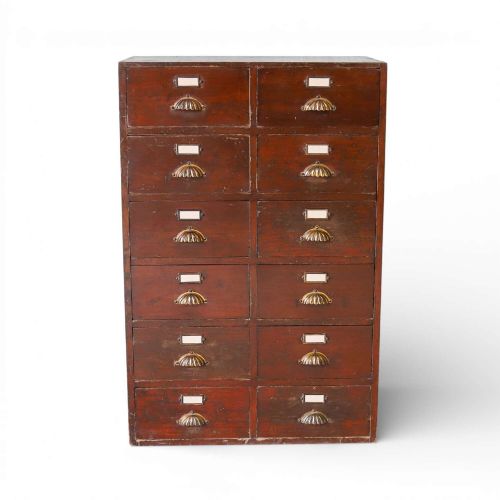
Quality rests in the precision of the drawer fit, the integrity of original hardware like shell pulls and label holders, and the selection of timber. Uniform grain matching and sturdy internal carcass construction separate superior cabinet work from basic utility pieces.
Originality of glass, polished finishes, and intact backboards elevate an example, whilst matched banks of numerous drawers demonstrate higher workshop ambition.
Brady of Edmonton
The Vintage Collector Cabinet Glossary
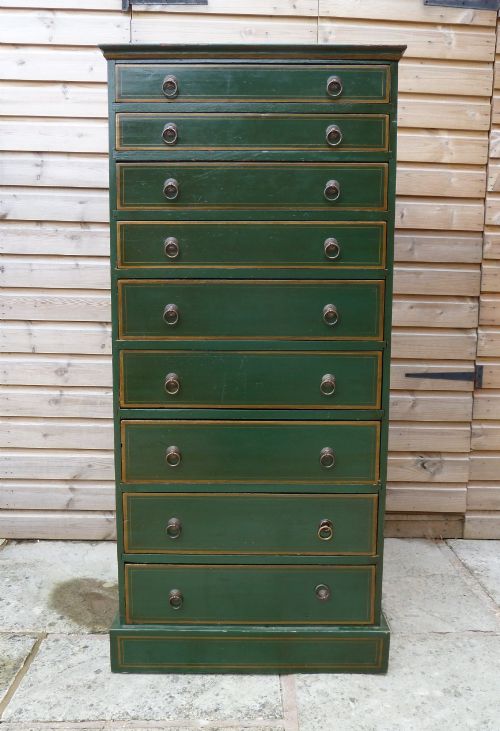
- Wellington chest
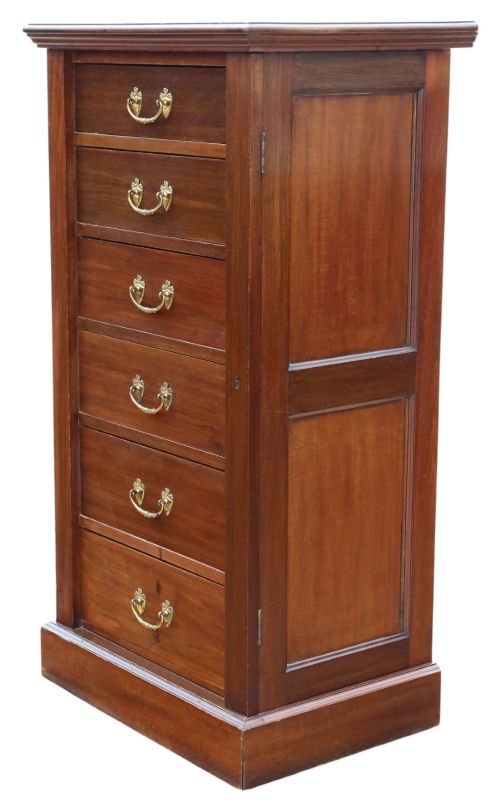
- A tall, narrow chest of drawers secured by a hinged locking stile on one vertical edge. This locking mechanism keeps all drawers safely fastened with a single padlock or key.
- Vitrine
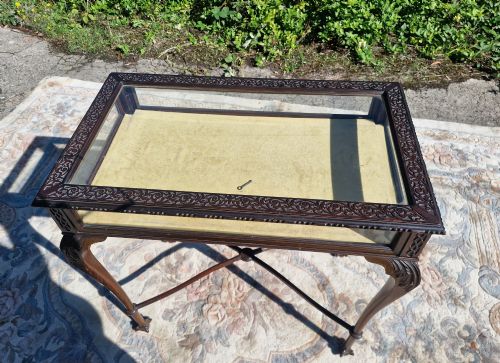
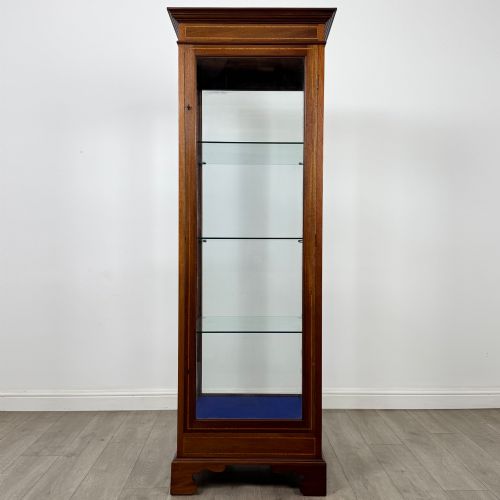
- A glass-fronted display cabinet used for showcasing porcelain, curiosities, or small objects. The glazed panels permit viewing from multiple angles.
- Campaign furniture
- Portable furniture built in sections with brass corners and recessed handles for travel. These pieces offer robust construction designed for easy dismantling.
- Specimen cabinet
- A specialised multi-drawer chest built to house natural history collections such as insects, minerals, or botanical samples. Shallow drawers protect delicate items from damage.
- Bijouterie table
- A glass-topped table designed for displaying jewellery and small ornaments at waist height. The glazed top lifts or opens for easy access to the lined interior.
Vintage Collector Cabinet: Frequently Asked Questions
What is a vintage collector cabinet used for?
These cabinets serve to organise small items, documents, and collections in drawers or display them behind glass panels.
Originally built for apothecaries, offices, and naturalists, today they suit studies and living spaces for modern storage.
How do I identify a Victorian collector cabinet?
Victorian examples typically feature dense timbers like mahogany or stained pine, often configured as multi-drawer banks or Wellington chests.
Construction details include hand-cut dovetails and period brass hardware such as shell pulls.
Are these cabinets suitable for small spaces?
Many formats, including tabletop cases, miniature chests, and shallow filing drawers, fit comfortably on desks or narrow surfaces.
Tall shop display units and multi-drawer banks offer vertical storage without requiring a large floor footprint.
What woods were used in these cabinets?
Cabinet makers utilised hardwoods like mahogany, oak, walnut, and fruitwood alongside utility softwoods such as pine and deal.
Finer display pieces often show polished mahogany or inlaid hardwood, while utility filing units employ sturdy pine.