

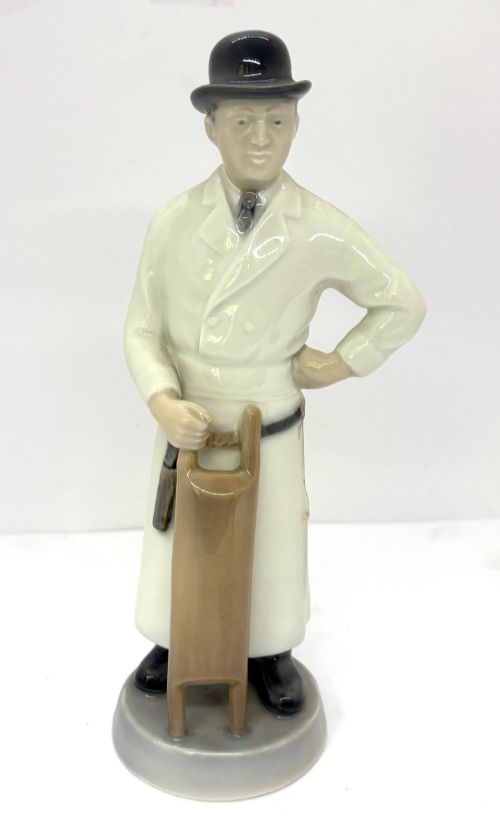

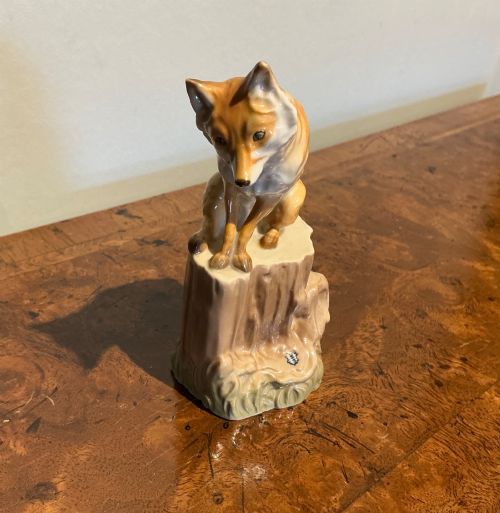
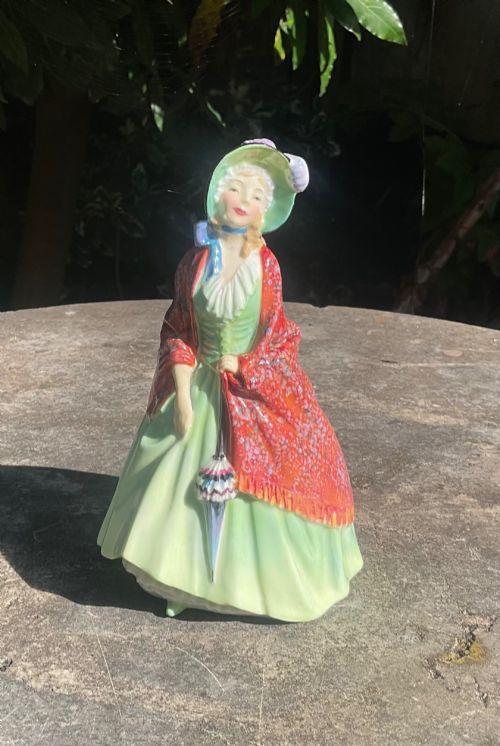
Vintage Collectible Ceramic Figure
These vintage collectible ceramic figure pieces span studio pottery and factory models from the nineteenth century through the mid-twentieth century, offering character and decorative presence for the home.
Vintage Collectible Ceramic Figure
A vintage collectible ceramic figure encompasses everything from nineteenth-century porcelain groups to mid-century studio pottery and factory-modelled figurines. When searching this phrase, a buyer encounters domestic animals, literary characters, and human studies produced across Europe.
The selections on this page draw heavily upon English porcelain and earthenware from the nineteen-thirties, alongside continental factory output from Germany and Denmark. These pieces range from standard decorative ornaments to specialised candle snuffers and pin cushion dolls.
Moulded porcelain and hand-thrown studio pieces dominate the offerings, representing styles from Victorian revivalism to Art Deco abstraction. Each object reflects the prevailing aesthetic and manufacturing standards of its specific decade.
How they were made
Makers shaped these pieces using bone china, earthenware, and hard-paste porcelain, employing both slip-casting moulds and direct hand-modelling techniques. Studio potters shaped individual earthenware bodies by hand, while large factories utilised multi-part moulds to achieve precise anatomical and costume detail.
Surfaces received application of ceramic glaze, enamel, and underglaze painting before entering high-temperature kilns. The interaction between metallic oxides and fluid glazes produced the varied sheen and colour depth characteristic of these periods.
Vintage Collectible Ceramic Figure Retail Price Guide 2026
Typical asking prices for vintage collectible ceramic figure among the pieces listed under this phrase on Sellingantiques today, from the lower quarter to the upper quarter. They describe what is for sale here now, not the wider market.
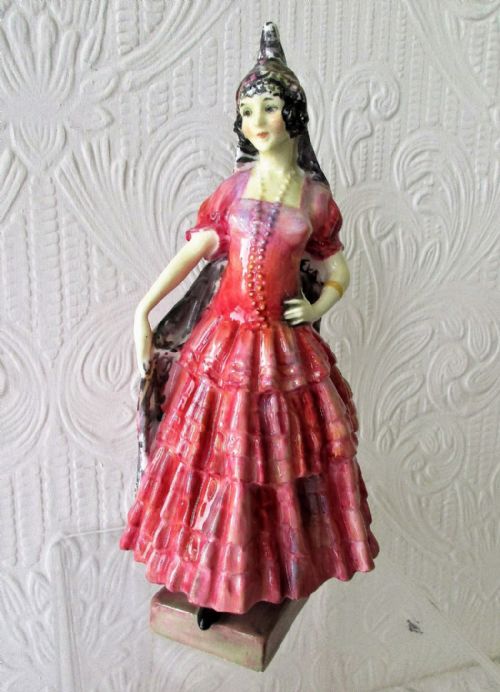
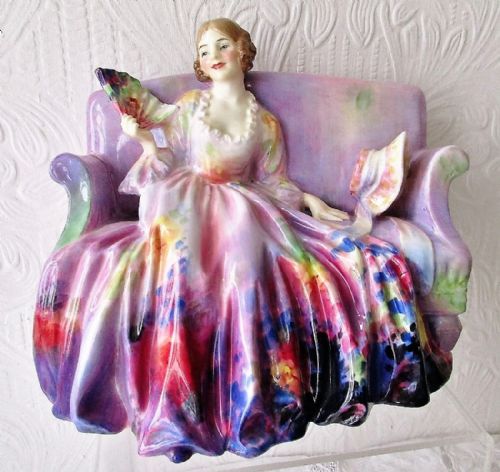
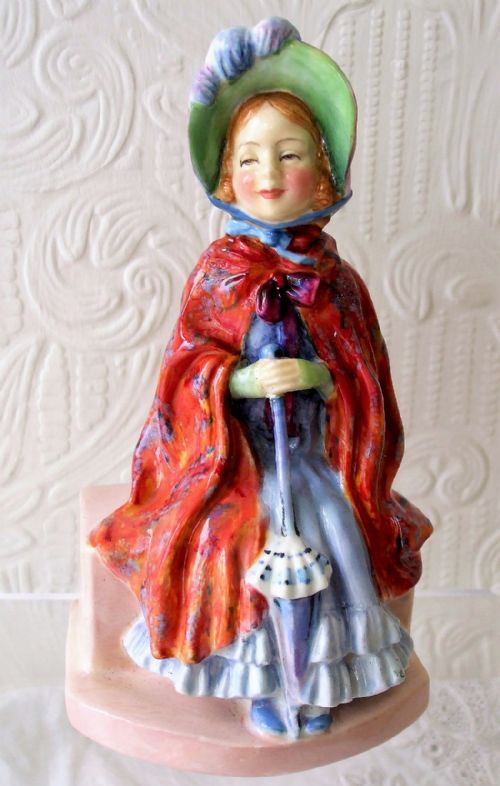
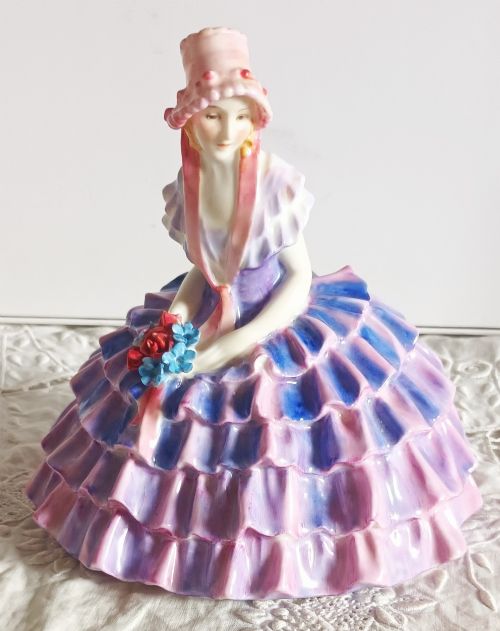
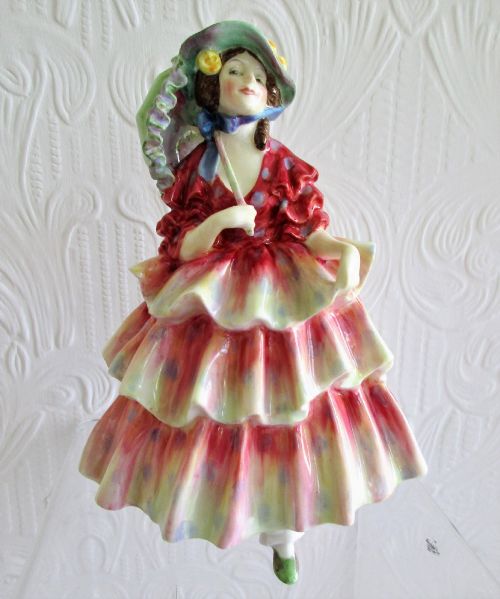
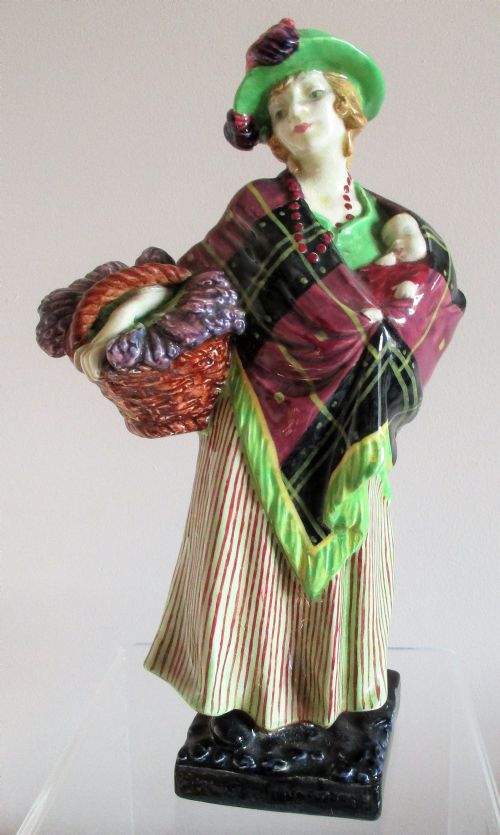
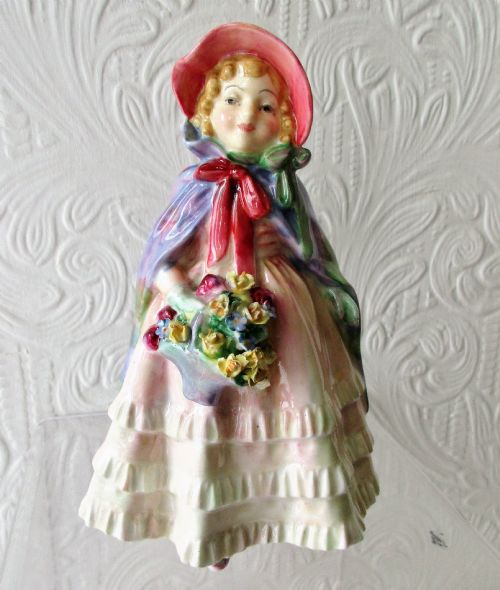
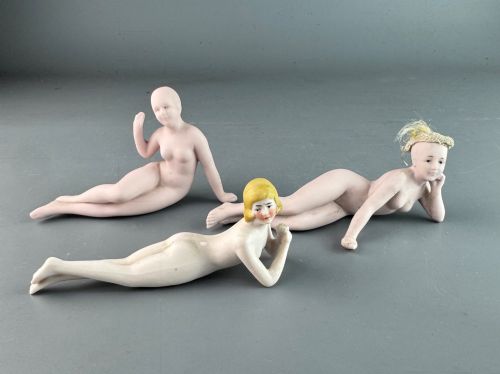
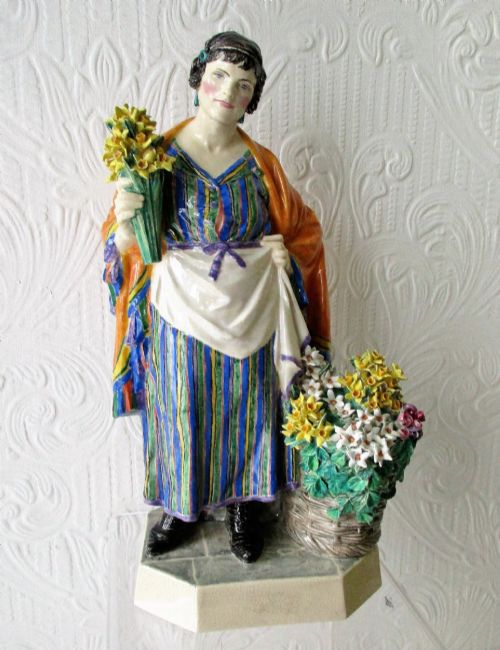
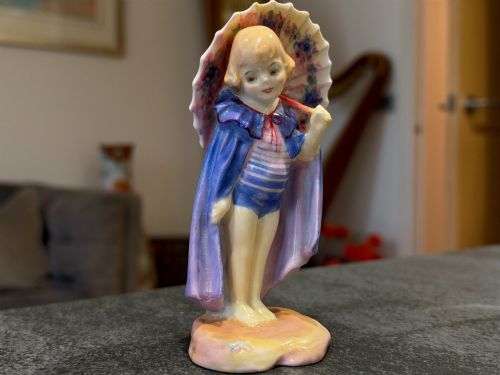
A porcelain leopard caught mid-attack on a snake shares shelf space with gentle bathing beauties and bonneted ladies.
What varies in quality
Studio works derive their distinction from the individual artist's touch in the clay body and the organic pooling of the glaze. Finer examples maintain structural balance and expressive vitality without losing definition in the fired details.
Royal Doulton·Royal Worcester·Royal Copenhagen·Nymphenburg·Charles Vyse·Meissen·Royal Dux·Samson
The Vintage Collectible Ceramic Figure Glossary
- Bone china
- A type of soft-paste porcelain containing animal bone ash, producing a durable body with high whiteness and translucency. It allowed makers to achieve thinner walls and finer sculptural detail.
- Bisque
- Unglazed porcelain or earthenware fired once to a porous state, leaving a matte, biscuit-like surface texture. It was frequently utilised for neoclassical figures and Art Deco nudes.
- Glaze
- A glassy coating fused to a ceramic body through firing, providing colour, pattern, and an impermeable seal. The finish can range from high gloss to a soft satin sheen.
- Pin cushion doll
- A half-figure ceramic upper body designed to sit atop a stuffed sewing cushion. These small busts were popular during the Edwardian period and the nineteen-thirties.
- Candle snuffer
- A small ceramic figure fitted with a hollow cone or bell beneath, utilised to extinguish candle flames safely. These functional pieces often took the form of animals or costumed characters.
Vintage Collectible Ceramic Figure: Frequently Asked Questions
How do I identify the date of a figure?
Examine the base of the piece for maker's marks, impressed numbers, and painted ciphers that correspond to factory production records. Different periods utilised specific crown, shield, or script stamps that narrow down the year of manufacture.
Stylistic cues such as costume design, colour palettes, and modelling techniques also indicate whether a piece belongs to the Victorian era, the nineteen-twenties, or the mid-century.
What is the difference between porcelain and earthenware?
Porcelain is fired at much higher temperatures until the ceramic body vitrifies, becoming hard, non-porous, and frequently translucent. Earthenware remains more porous and opaque, requiring a complete glaze layer to hold liquids or resist moisture.
Figurines made from porcelain typically allow for finer details and sharper facial expressions than traditional earthenware alternatives.
Where should I display my figures?
Position your collection in stable environments away from direct sunlight to protect enamel colours from fading over time. Enclosed glass cabinets or sturdy shelves away from high-traffic areas reduce the risk of accidental knocks.
Ensure that display surfaces are level and free from vibration, particularly for tall or top-heavy sculptural groups.