

Vintage English Pottery
When you search for vintage english pottery, you enter a diverse landscape of earthenware, ironstone, and porcelain spanning several centuries.
Vintage English Pottery
Vintage English pottery encompasses a wide array of functional and decorative items from various periods, including the Victorian era, the Edwardian period, and the early twentieth century. Buyers encounter everything from robust utilitarian vessels to delicate display items.
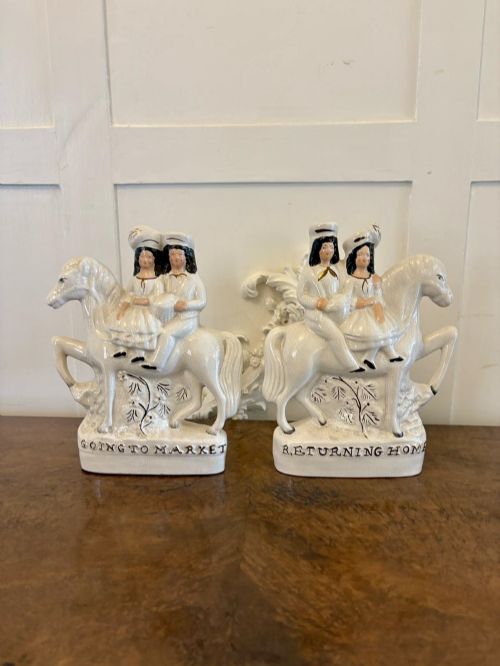
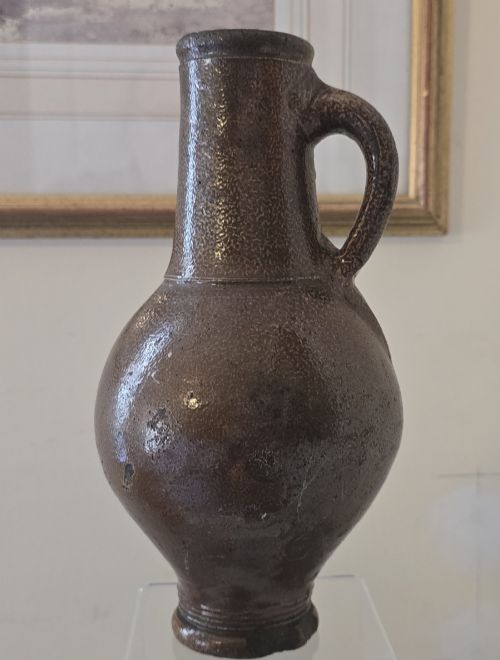
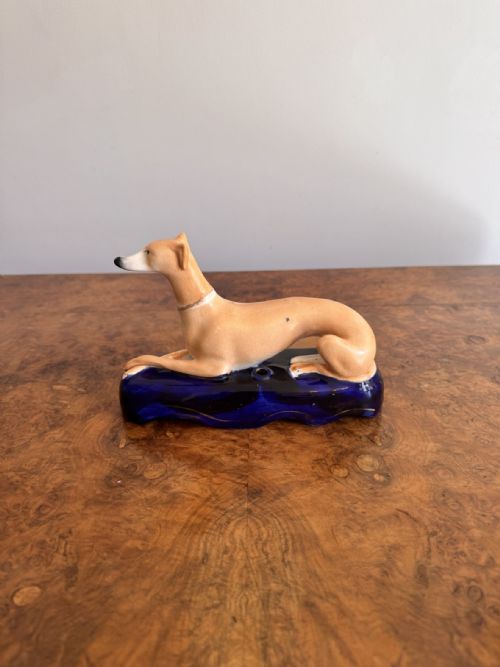
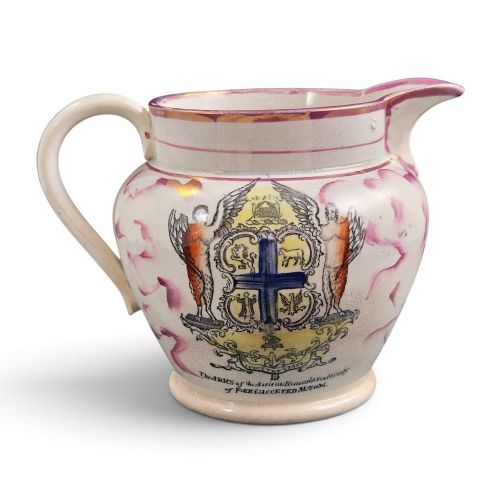
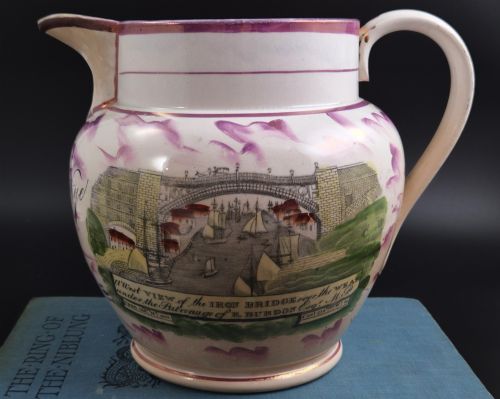
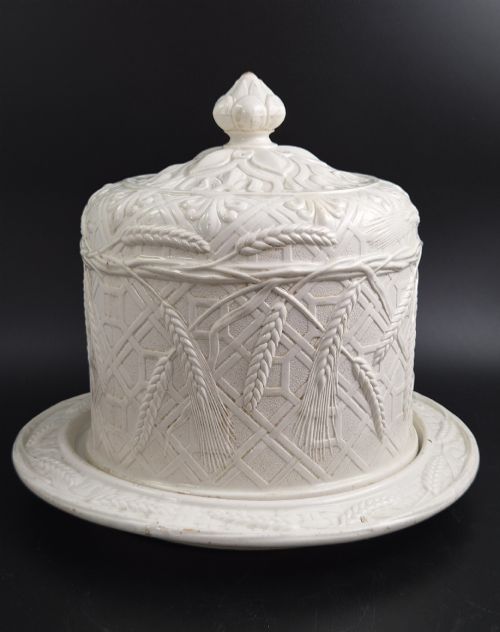
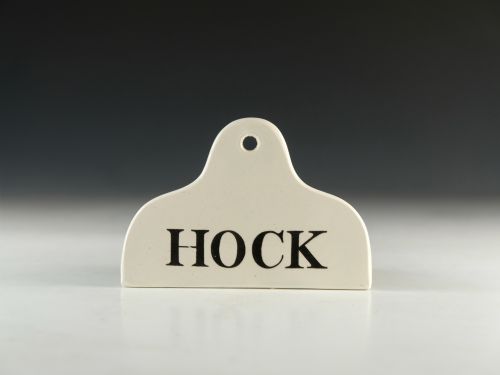
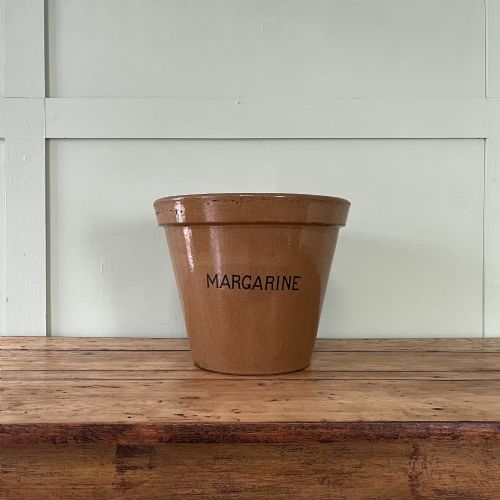
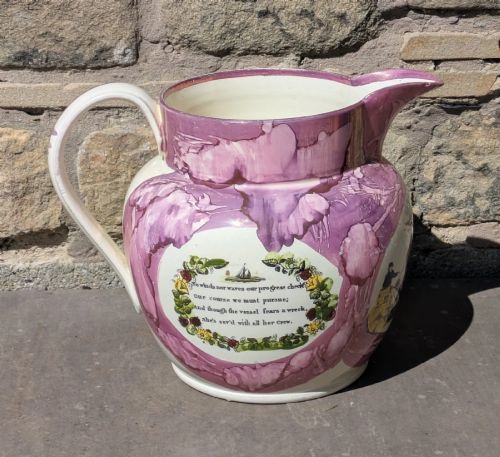
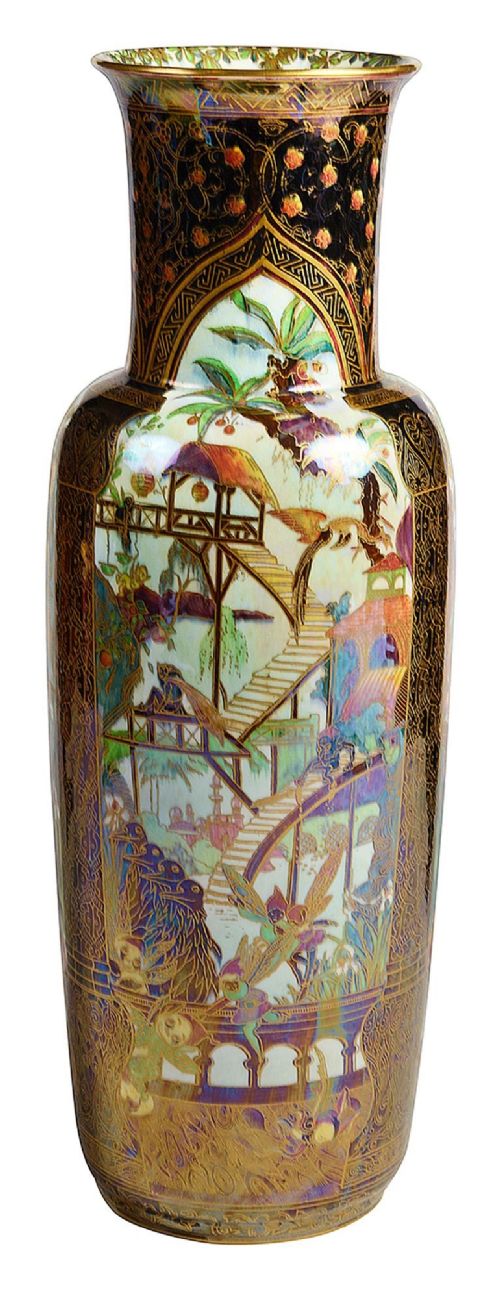
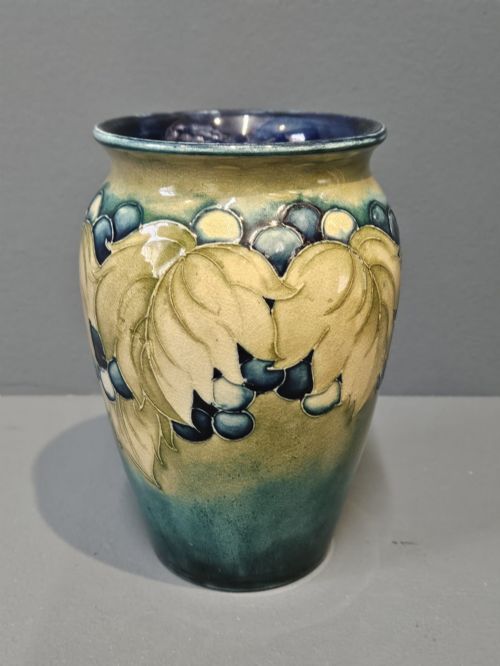
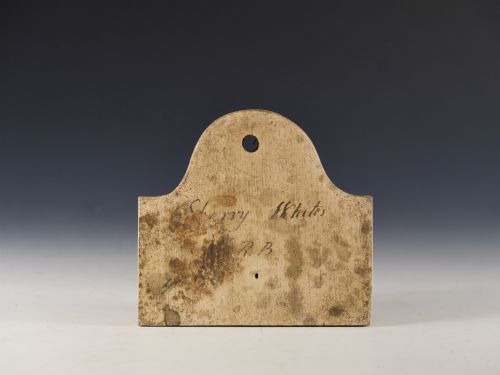
The objects listed range from earthenware jugs and ironstone cheese domes to porcelain figurines, decorative bowls, and studio pottery pieces. Forms such as Sunderland lustre jugs and Staffordshire comforter spaniels appear frequently.
Originating from traditional potteries and prominent factories across England, these pieces reflect distinct regional techniques and changing domestic fashions over time.
Materials and methods
Makers utilised earthenware, stoneware, ironstone, and porcelain as the foundational bodies for their creations, shaping them on the wheel or forming them in moulds.
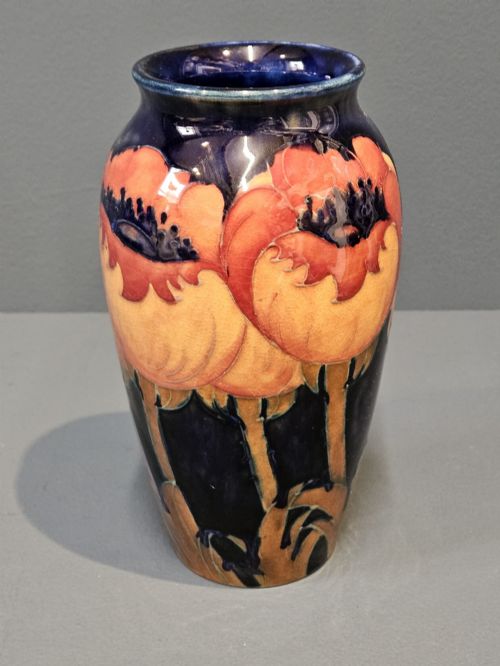
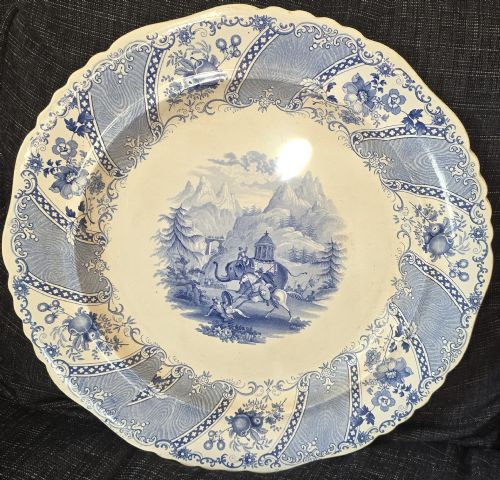
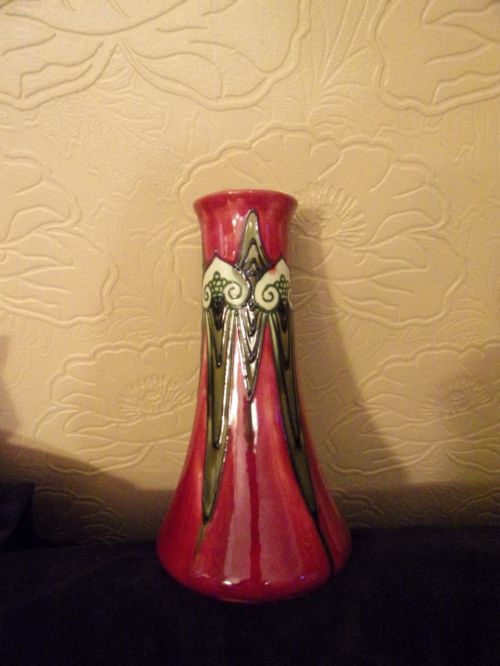
Surface decoration involved reactive glazes, enamel colours, gold leaf detailing, and transfer printing techniques such as blue and white scenes.
The listings span earthenware, ceramic, ironstone, and porcelain across Victorian, Edwardian, and Art Deco periods.
Assessing the craftsmanship
The finesse of the modelling and the clarity of transfer-printed or hand-painted details distinguish finer pieces from standard production runs.
The stability of the glaze, the evenness of the ceramic body, and the preservation of delicate elements like gold leaf or tube-lined designs indicate the standard of execution.
Moorcroft·Minton·Wedgwood·Doulton Lambeth·Charles Vyse·Royal Doulton·W.H. Goss·T G Green
The Vintage English Pottery Glossary
- Earthenware
- Porous pottery fired at lower temperatures, requiring a glaze to become impermeable. It forms the basis of many traditional jugs and figures.
- Ironstone
- A durable type of feldspathic stoneware patented in the nineteenth century. It resists chipping and was widely used for heavy-duty tableware and kitchenware.
- Transfer printing
- A method of applying pre-printed designs to ceramic surfaces using tissue paper from an engraved copper plate. This technique enabled detailed pictorial scenes on plates and tureens.
- Lustreware
- Pottery finished with a metallic glaze that produces an iridescent sheen. Pink and copper tones appear frequently on nineteenth-century maritime jugs.
- Slipware
- Pottery decorated with liquid clay applied to a contrasting clay body before firing. It represents an older, traditional method seen in rural English wares.
Vintage English Pottery: Frequently Asked Questions
What defines vintage English pottery?
These items comprise ceramic objects produced in England across the eighteenth, nineteenth, and early twentieth centuries.
They reflect the shifting industrial and artistic movements of their respective periods, from utilitarian ironstone to decorative studio pottery.
How do I care for glazed ceramic pieces?
Wash them gently by hand in lukewarm water without harsh detergents to protect the glaze and any surface enamel.
Avoid soaking antique pottery, particularly pieces with porous bodies or delicate gold leaf applications.
Were Sunderland lustre jugs used daily?
Many large lustre jugs served practical roles in domestic hospitality or commemorated local landmarks and maritime themes.
Over time, their decorative pink splash patterns and commemorative verses transitioned them into display pieces.