
Vintage Coffee Side Tables
These vintage coffee side tables bring compact utility and distinct period character to a room, spanning decades of practical domestic design.
Vintage Coffee Side Tables
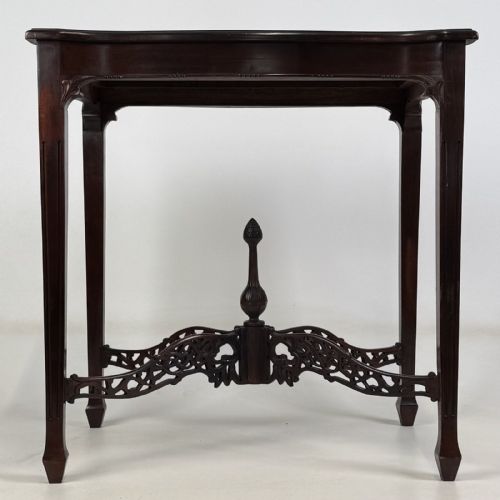
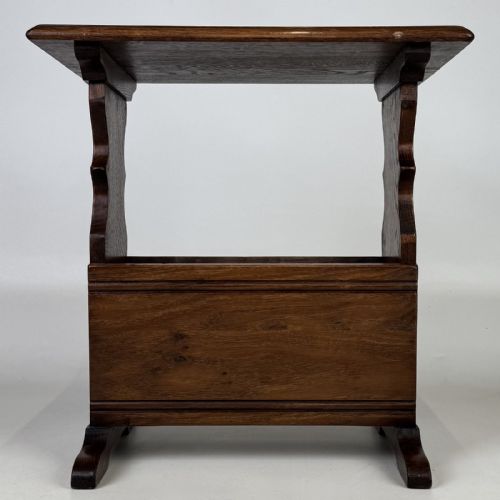
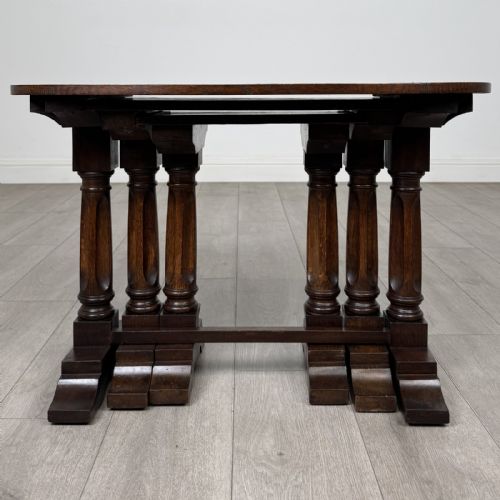
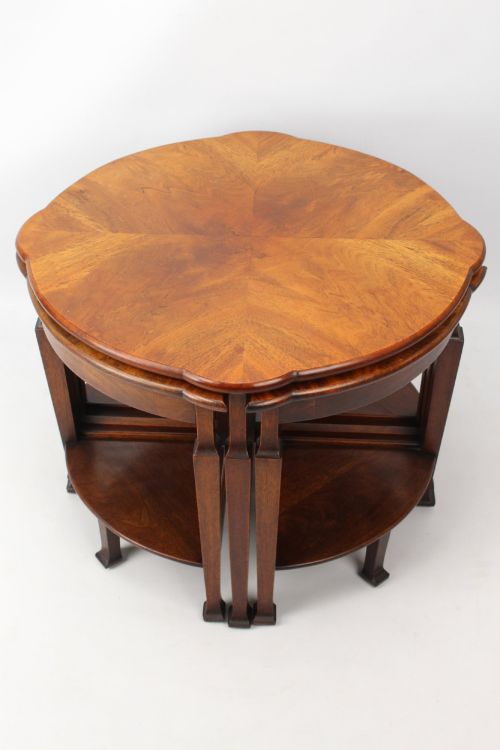
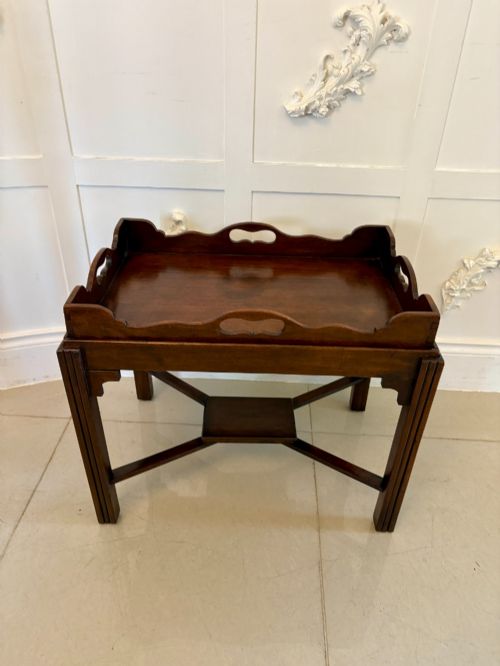
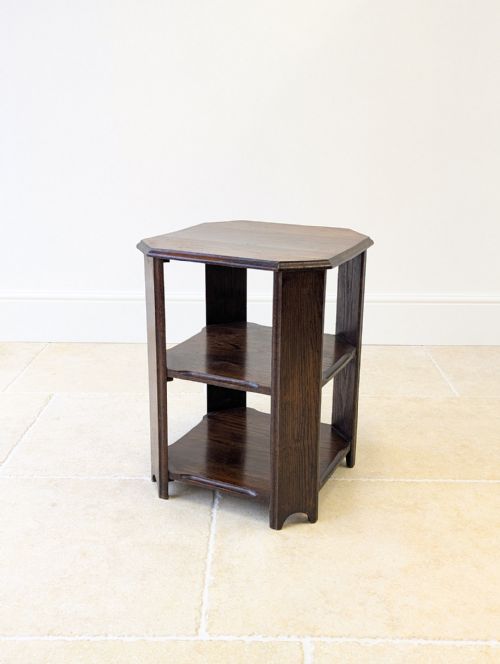
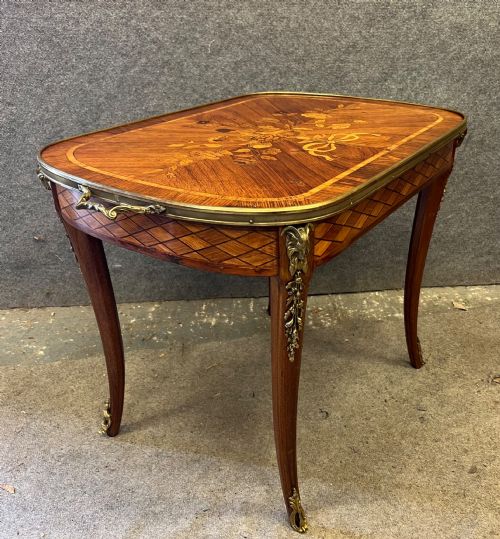
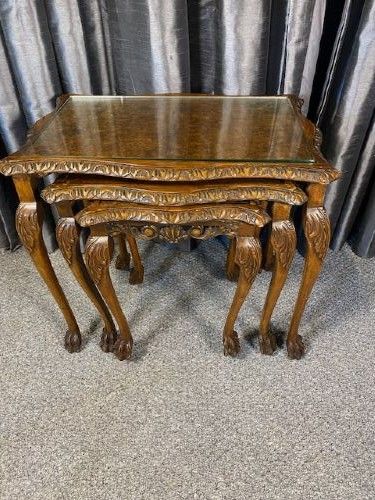
Vintage coffee side tables comprise a diverse group of occasional furniture pieces designed for everyday domestic use, spanning the nineteenth century through the mid twentieth century. Buyers seeking vintage coffee side tables will encounter practical forms such as nests of tables, butlers trays on stands, and tiered coffee tables.
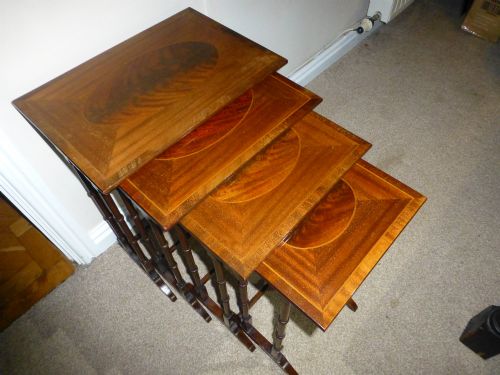
The selection ranges from simple oak and mahogany occasional tables to decorative Art Deco walnut designs and inlaid Anglo-Indian pieces. Edwardian nests of tables and compact 1930s coffee tables appear frequently across the current selection.
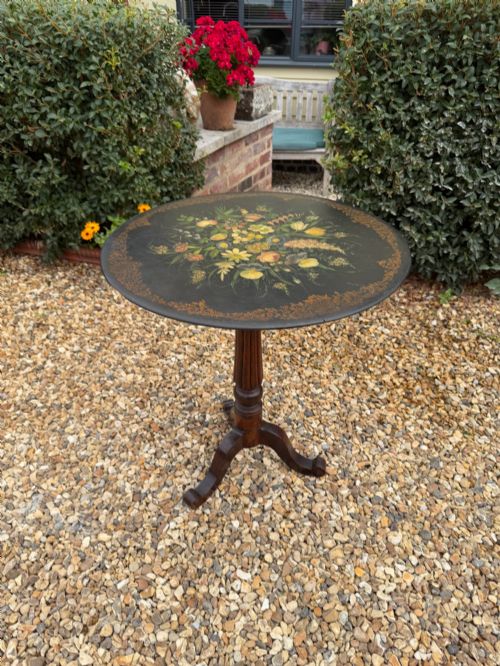
These items served various functions in period homes, acting as lamp tables, tea tables, or low surfaces for entertaining. Their enduring appeal lies in their adaptability to modern interiors where floor space is at a premium.
Materials and construction
Timbers such as mahogany, oak, and walnut form the structural foundation of most pieces, often utilised either as solid wood or as decorative veneers. Figured walnut and burr maple veneers provide distinctive grain patterns, particularly on items from the Art Deco period.
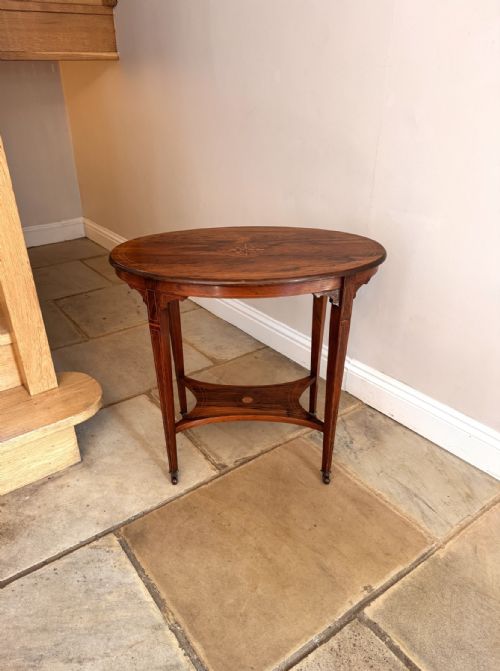
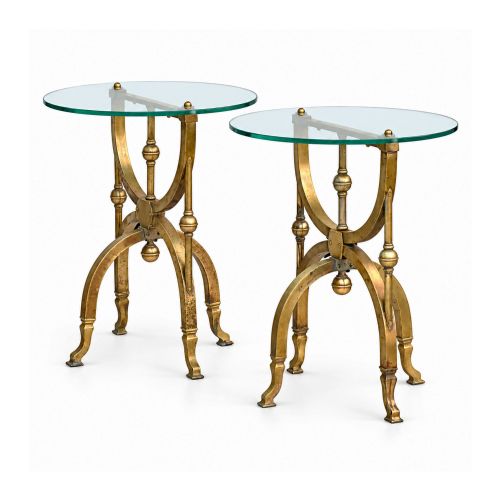
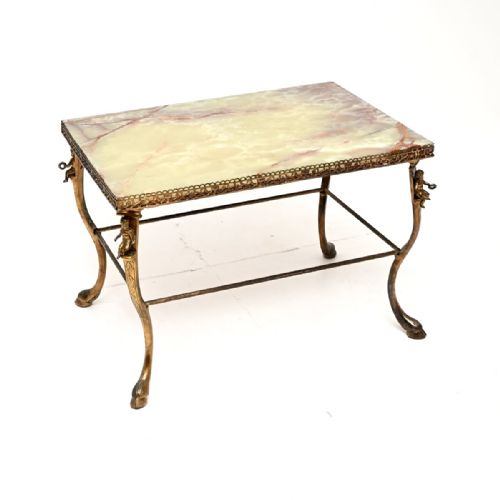
Inlay work involving bone, mother of pearl, and brass details appears on specialised items like Damascus and Anglo-Indian tables, reflecting international design influences. Marble tops and brass fittings also introduce alternative textures alongside traditional joinery methods.
Tables designed to hold morning tea or evening spirits now happily support laptop chargers and potted ferns.
Assessing quality and craftsmanship
Quality in these tables rests primarily on the selection of timber and the precision of the veneer work, especially on figured walnut and burr maple surfaces. Superior examples display seamless matching of wood grain across table tops and harmonious proportions.
The sophistication of decorative embellishments, such as intricate bone inlay or hand-carved details, distinguishes standard utilitarian items from finer workshop productions. Robust construction in folding mechanisms and nesting frames also separates robustly built pieces from lighter alternatives.
Hindley and Sons·Liberty and Co·Maison Bagues
The Vintage Coffee Side Tables Glossary
- Nest of tables
- A set of graduated tables designed to fit neatly beneath one another when not in use. They provide flexible surface space in compact rooms.
- Butlers tray
- A removable wooden tray with raised edges, traditionally set upon a folding X-frame stand. It offers portable serving utility.
- Gateleg table
- A table with hinged drop leaves supported by legs that swing out like gates. This design allows the surface area to expand or contract.
- Occasional table
- A light, versatile table intended for intermittent use around a sitting room or parlour. These pieces are easily moved to suit immediate needs.
- Veneer
- A thin layer of fine wood adhered to a secondary timber base to create decorative patterns. It allows makers to showcase striking grain figures.
Vintage Coffee Side Tables: Frequently Asked Questions
How do I style a nest of tables?
Distribute the tables around the room to provide functional surfaces for drinks or lamps when guests visit. Nest them together in a corner when floor space needs to remain clear.
Combine items of varying heights to create visual depth, or keep the set stacked to display the decorative wood grain on the top surface.
What distinguishes an Art Deco table?
Art Deco tables typically feature geometric silhouettes, stepped tiers, and rich veneers like figured walnut or burr maple. They emphasise streamlined forms rather than ornate carving.
These pieces emerged during the interwar period and often double as low coffee tables or compact occasional surfaces suited to modern living rooms.
Were butlers trays meant for dining?
Butlers trays were originally designed for transporting food and beverages from the kitchen to the parlour or dining room. The raised edges prevented items from sliding off during transit.
The folding stands allowed servants to pack the trays away easily once the serving duty concluded in the household.
How are Anglo-Indian tables identified?
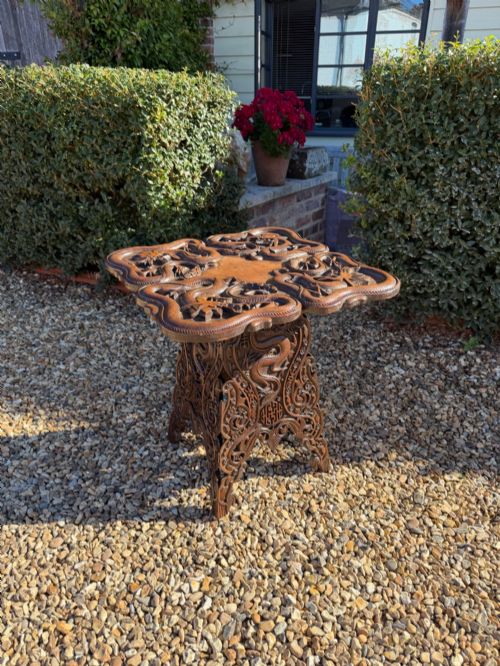
Anglo-Indian tables are characterised by dense hand-carving and intricate inlay work utilising materials such as bone, brass, or ivory. They often feature folding octagonal tops and exotic hardwoods like teak.
These pieces reflect the cultural exchange between British design preferences and traditional Indian craftsmanship during the nineteenth and early twentieth centuries.