





Vintage Cobalt Blue Platter
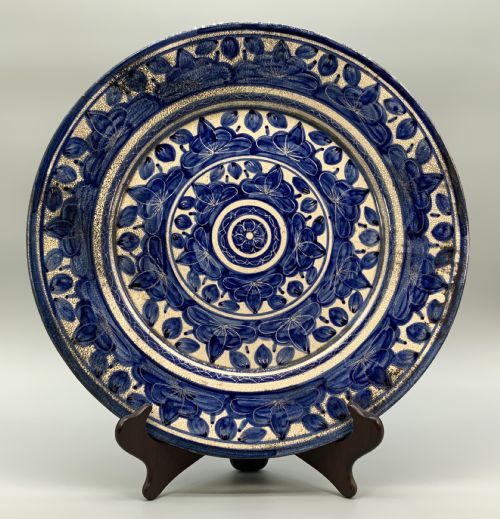
A vintage cobalt blue platter brings rich colour and striking pattern to a table or wall, drawing the eye with deep blue pigments against white or gilt surfaces.
Vintage Cobalt Blue Platter
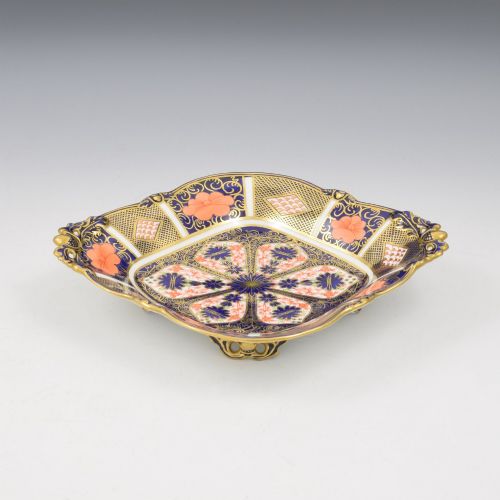
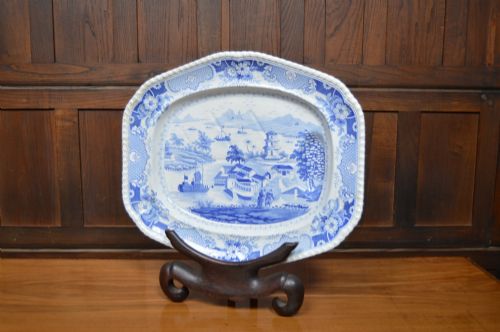
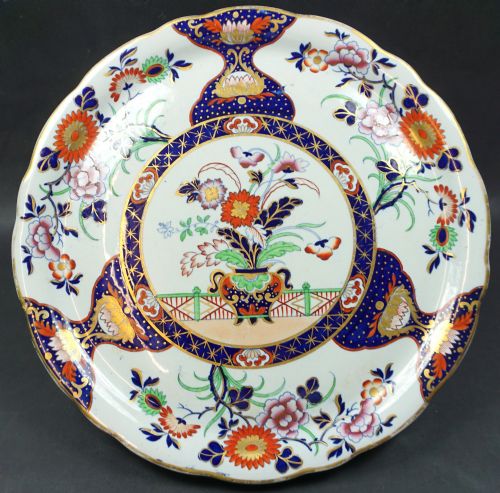
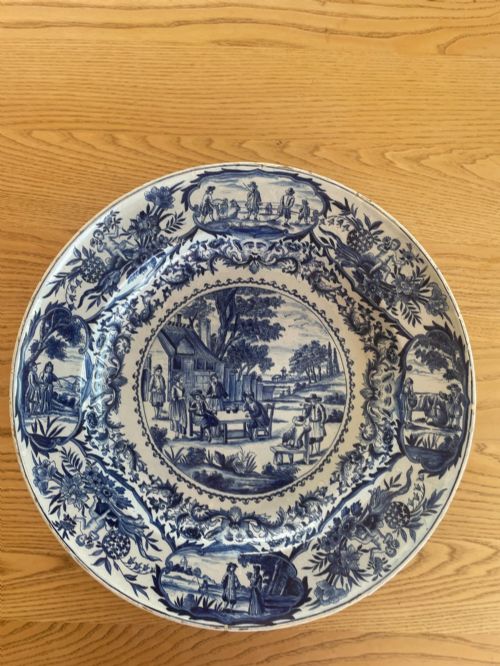
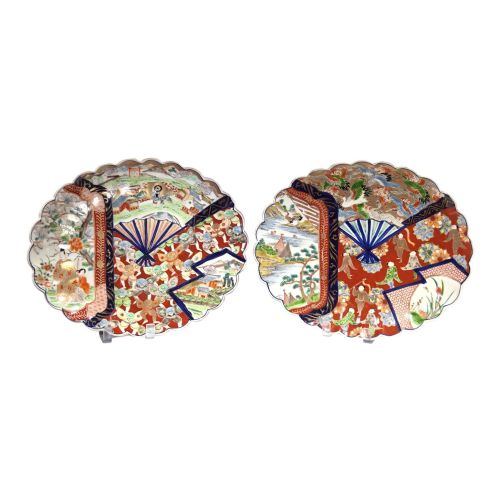
The version most commonly met on this page is the Japanese Imari charger or plate, typically produced around nineteen hundred, showcasing rich cobalt blue combined with iron red and gilt details. Alongside these Asian exports sit English transferware meat platters and continental Delft dishes, offering varied circular and square forms for display or service.
How they were made
Potters shaped these pieces from porcelain, earthenware, or tin-glazed ceramic bodies before applying cobalt pigments under or over the glaze. Cobalt oxide endured high kiln temperatures without losing its intense blue hue, making it the primary colourant for durable decoration.
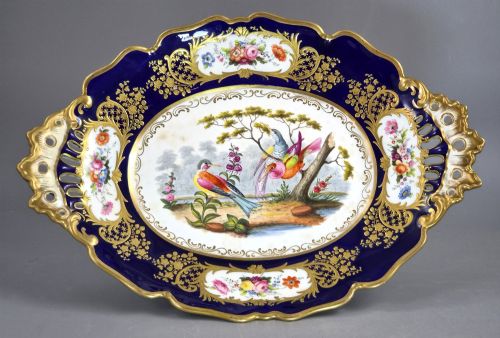
Many examples incorporate gold leaf, gilt highlights, or hand-coloured enamel additions applied in secondary firings to enhance the rich blue designs. Ironstone and porcelain bodies underwent careful glazing to achieve smooth, vitrified surfaces suitable for both decorative wall hanging and culinary use.
Several Japanese chargers depict the Seven Lucky Gods, ensuring your dining room benefits from divine protection while holding roast potatoes.
What varies in quality
Quality in these pieces rests upon the crispness of the cobalt painting, the depth of the glaze, and the precision of the form, whether circular, scalloped, or square. Finer examples display meticulous hand-painted detail and harmonious balance between the cobalt blue and secondary pigments like iron red or gold leaf.
The prestige of the workshop or pottery also distinguishes superior pieces, from notable English makers such as Spode and Mason's to skilled Japanese Arita kilns and Dutch Delft earthenware houses. Superior preservation of the glaze and minimal kiln distortion elevate an individual charger or platter above standard domestic wares.
Royal Crown Derby·Coalport·Hicks and Meigh·Spode·Moorcroft
The Vintage Cobalt Blue Platter Glossary
- Charger
- A large ornamental plate or platter, traditionally used for ceremonial service or displayed upright on a wall or dresser. These pieces often measure significantly wider than standard dinner plates.
- Transferware
- Pottery decorated by applying a printed design from an engraved copper plate onto tissue paper and then transferring the ink onto the ceramic body prior to glazing. This technique allowed intricate pictorial scenes, such as temple motifs, to be replicated consistently.
- Tin-Glazed Earthenware
- Pottery coated with a white tin oxide glaze that provides an opaque, smooth background for painting, typical of Delftware and early continental European chargers.
- Imari
- A style of Japanese porcelain featuring a distinct palette of cobalt blue, iron red, and gold, named after the port from which these wares were shipped to Europe.
Vintage Cobalt Blue Platter: Frequently Asked Questions
How were these large platters used?
These large vessels served functional roles on dining tables for presenting heavy joints of meat, cheeses, or substantial courses during large gatherings. Their robust earthenware and porcelain fabrics allowed them to withstand regular domestic use in dining rooms.
Over time, many of these chargers transitioned into decorative objects rather than serving pieces. Their generous diameters and striking blue patterns made them ideal for mounting on walls or displaying on sideboards using plate rails.
How do I date a Delft charger?
Dating tin-glazed earthenware requires examining the weight, glaze consistency, and rim characteristics of the ceramic body. Earlier eighteenth-century examples often exhibit thicker fabrics and subtle irregularities from traditional kiln stacking.
By contrast, later continental interpretations and revival pieces show different foot rim formations and brighter white glazes. Comparing the shade of the cobalt blue and the style of hand-painted motifs helps narrow down the period of production.
What is Japanese Imari porcelain?
Japanese Imari porcelain refers to wares produced in the Arita region and exported through the port of Imari from the Edo period onwards. These pieces are easily recognised by their characteristic palette of deep cobalt blue underglaze combined with iron red and gilt overglaze decoration.
Craftsmen often arranged these elements into intricate panel designs depicting floral subjects, landscapes, or mythological figures like the Seven Lucky Gods. Their striking visual impact made them highly prized in European households for centuries.
Can I hang a heavy charger on the wall?
Hanging a heavy porcelain or earthenware charger safely requires a specialist wall-mounting bracket with secure coated springs that distribute the weight evenly across the rim. Standard wire plate hangers can slip or strain older ceramic bodies if not fitted correctly.
It is important to check the structural integrity of the foot ring and body before hanging any antique platter. Selecting a stable wall fixing ensures the piece remains secure during daily household activity.