
Vintage Coat Pegs
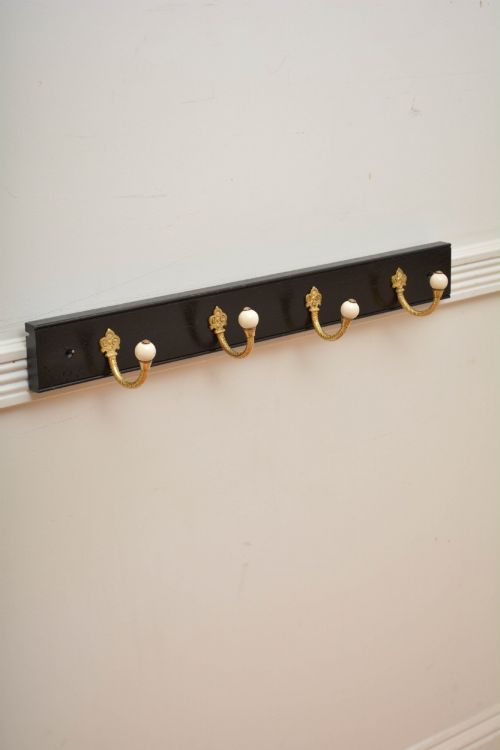
Vintage coat pegs are practical hallway furnishings designed to hold outerwear, appearing frequently on sturdy timber backboards with cast metal or ceramic hooks.
Vintage Coat Pegs
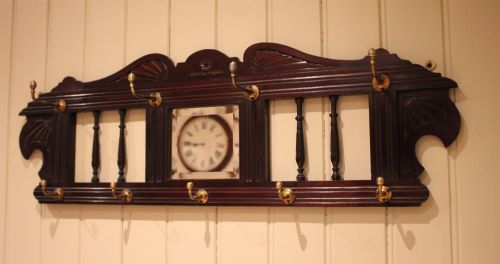
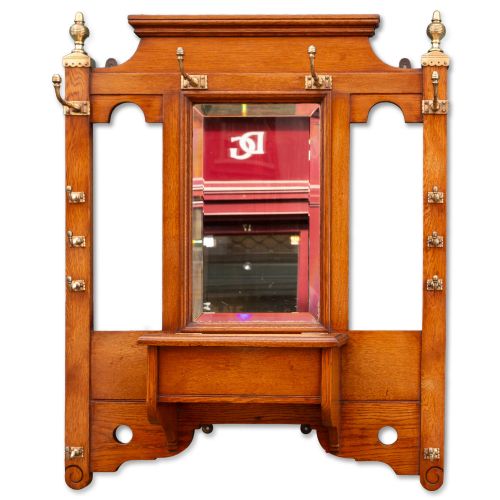
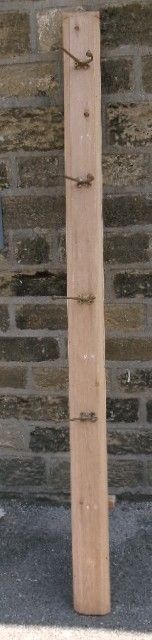
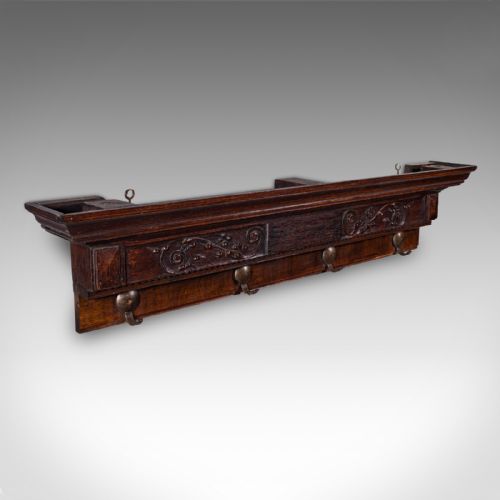
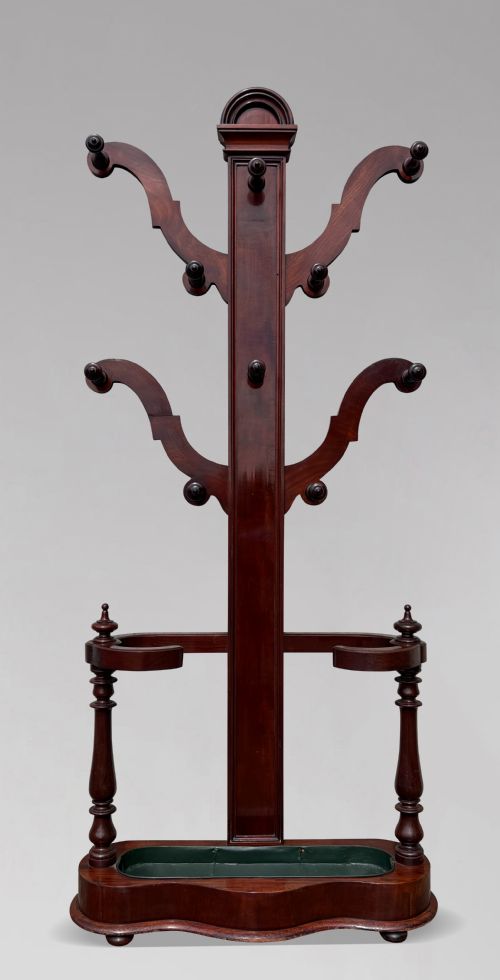
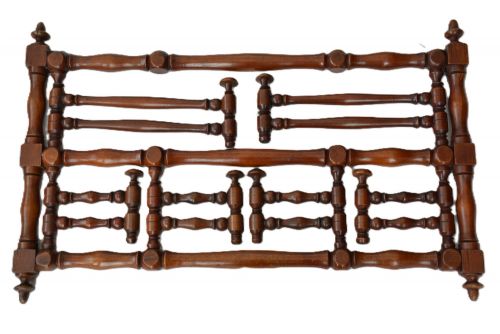
Vintage coat pegs encompass wall-mounted coat racks, individual hooks, and substantial hall stands designed for everyday domestic use. Buyers searching for vintage coat pegs typically encounter pieces fashioned from solid oak or mahogany backboards fitted with robust metal and porcelain fixtures.
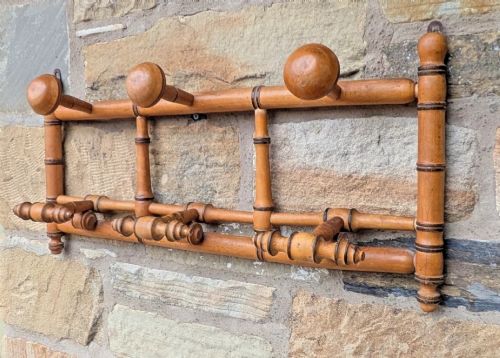
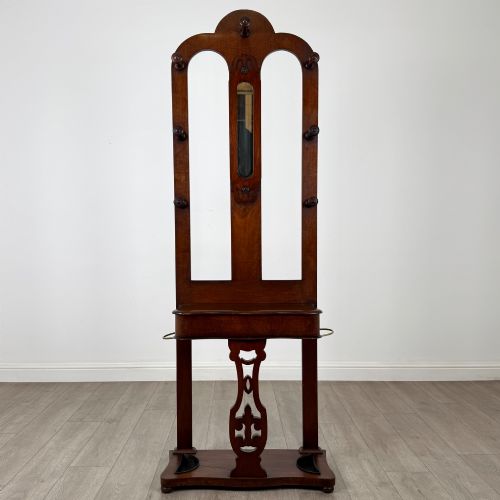
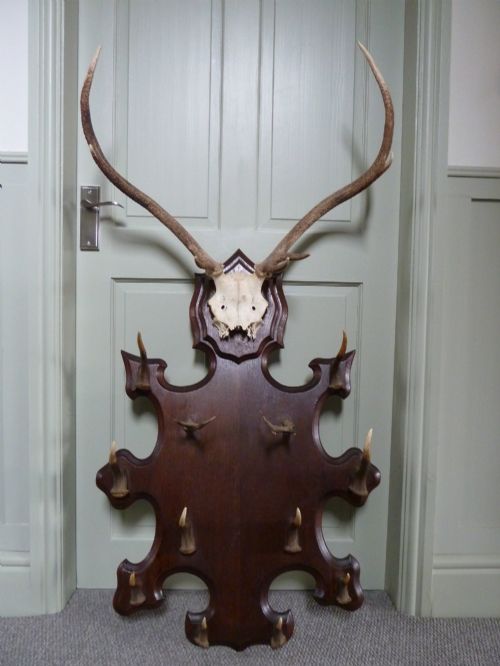
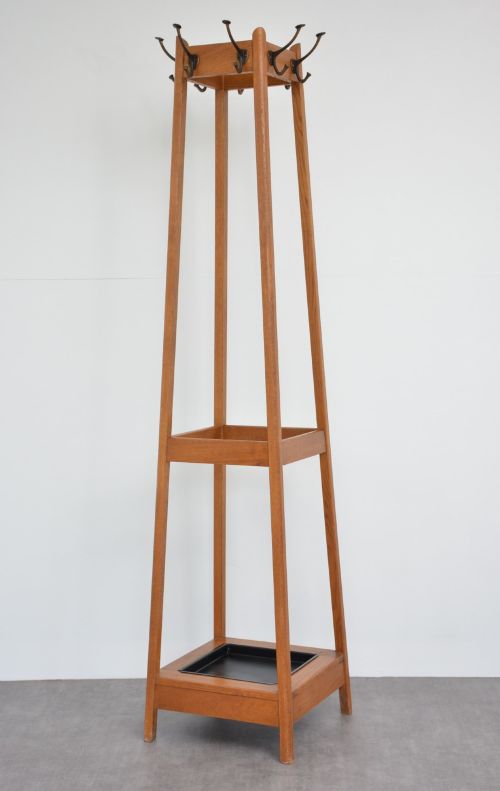
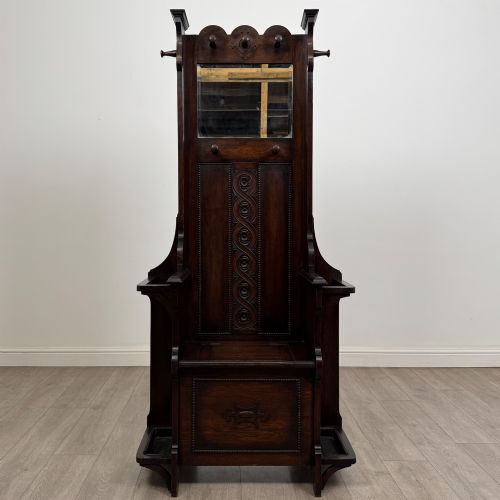
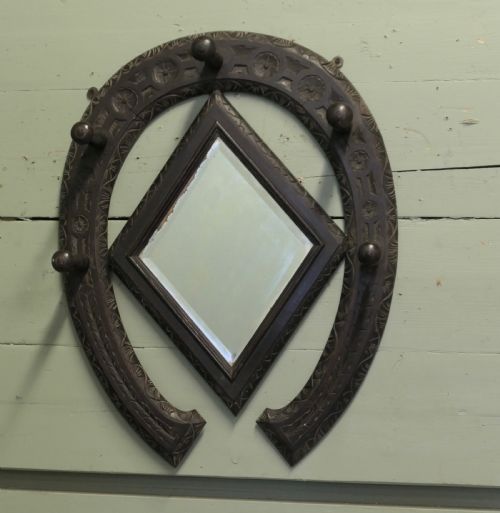
The selection ranges from simple multi-hook boards to elaborate pieces incorporating mirrors, umbrella holders, and drip trays. Victorian and Edwardian examples dominate the offerings, alongside French country designs and later industrial pieces.
Wall-mounted racks and individual hooks provide straightforward storage solutions for entrance halls and cloakrooms, whilst larger hall stands offer a complete architectural furnishing for the home.
How they were made
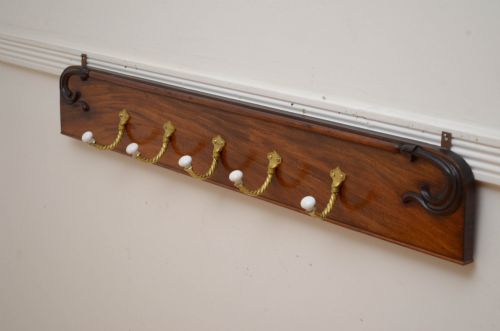
Craftsmen utilised native and imported hardwoods, including oak, mahogany, pine, and beech, to provide stable backplates for daily weight-bearing. Timber surfaces were frequently ebonised, polished, or painted depending on the prevailing style of the period.
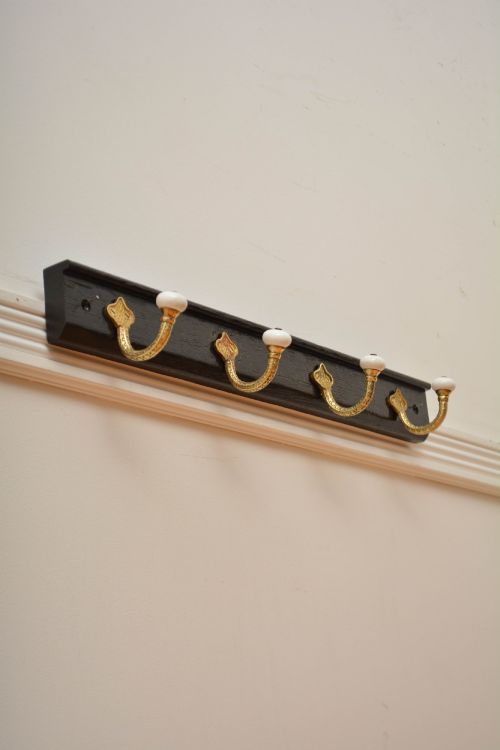
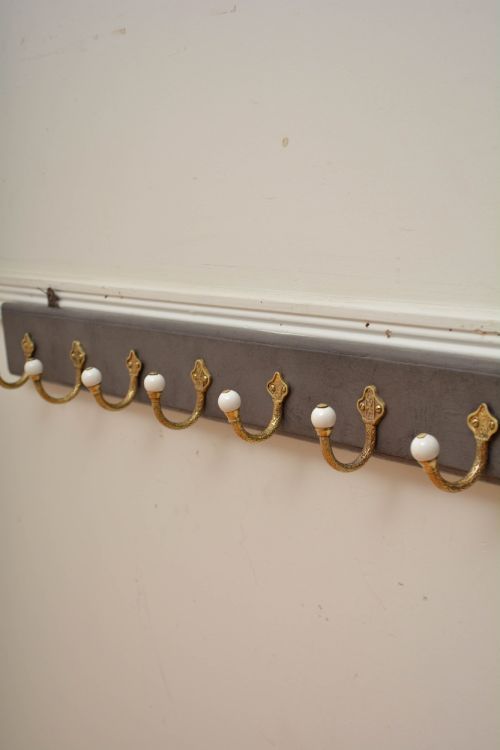
Hardware combined cast brass, bronze, and iron hooks, often embellished with white ceramic or porcelain knobs to protect garments. Many hooks feature intricate casting or chased detailing, secured firmly to wooden boards with stout screws.
Listings feature oak, mahogany, pine, and beech timbers paired with brass, bronze, iron, and ceramic elements across the Victorian, Edwardian, and Art Deco periods.
What varies in quality
Quality rests upon the structural integrity of the timber backplate and the casting weight of the metal hooks. Heavier brass and bronze mounts secured to dense hardwoods demonstrate superior longevity compared to lighter stamped metal alternatives.
The retention of original ceramic knobs and matching mounting screws distinguishes finer examples from pieces assembled with replacement hardware over time.
The Vintage Coat Pegs Glossary
- Backboard
- The horizontal or vertical wooden panel that supports the individual hooks and secures the entire assembly to the wall. This timber component provides the structural rigidity required for hanging heavy garments.
- Hall stand
- A large freestanding piece of furniture incorporating coat hooks, a mirror, and often umbrella storage for an entrance hall. These substantial items combine practical utility with architectural presence.
- Ebonised
- Timber treated with a finish to imitate expensive ebony wood, common on Victorian and Edwardian coat racks. This dark surface treatment creates a formal appearance.
- Bentwood
- Wood softened by steam and bent into curved shapes, frequently utilised in the manufacture of coat stands and hangers. This technique produces lightweight yet remarkably strong frames.
- Porcelain knob
- The rounded ceramic terminal fitted to the end of a metal hook to prevent fabric from snagging. These glazed elements add a decorative contrast to the brass or iron bracket.
Vintage Coat Pegs: Frequently Asked Questions
How do I mount a heavy coat rack securely?
Heavy wooden coat racks require fixing directly into wall studs or using appropriate heavy-duty wall anchors to support the weight of winter garments. Distributing the load evenly across multiple fixing points prevents the board from pulling away under stress.
Ensuring the backboard is level before driving home the final screws keeps the hooks aligned properly for daily use.
Were these racks used in homes or offices?
Coat racks and cloakroom stands served both domestic entrance halls and institutional reception spaces during the nineteenth and twentieth centuries. Smaller wall-mounted versions suited private households, whilst robust hall stands accommodated visitors in public buildings.
Many surviving pieces retain the sturdy build quality necessary for heavy communal use.
How do I distinguish Victorian from Edwardian racks?
Victorian coat racks often feature darker ebonised timbers, heavily carved details, and robust brass hooks paired with white ceramic knobs. Edwardian pieces tend to display lighter golden oak tones and simpler, more restrained decorative lines.
Examining the wood finish and the style of the cast metal hardware helps identify the period of manufacture.
Can I clean the brass hooks safely?
Brass hooks benefit from gentle dusting and occasional cleaning with a soft cloth to preserve their natural patina over time. Abrasive cleaners should be avoided as they can strip the historic finish and damage the surrounding timber.
Preserving the aged surface maintains the authentic character of the metalwork.