


Edwardian Coat Hooks
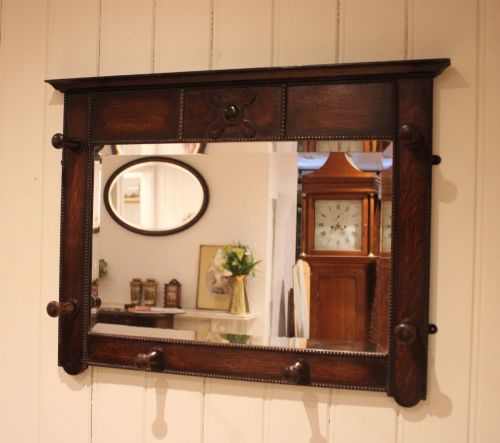
Edwardian coat hooks combine utility with craftsmanship, offering durable brass, ceramic, and iron fixtures mounted on rich oak, walnut, or mahogany backboards.
Edwardian Coat Hooks
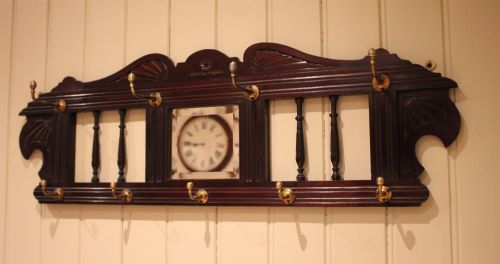
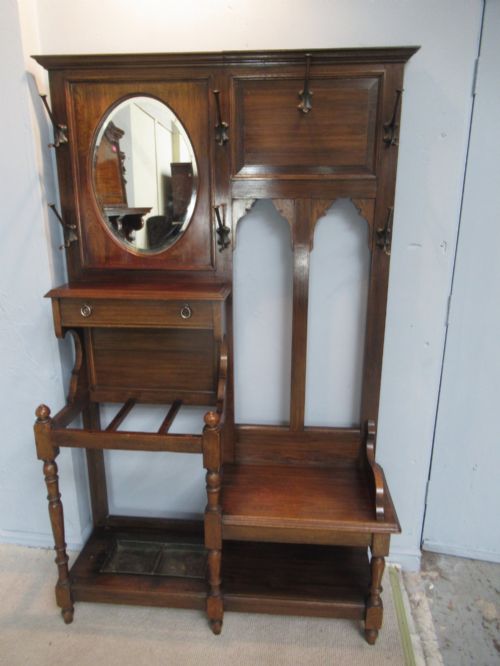
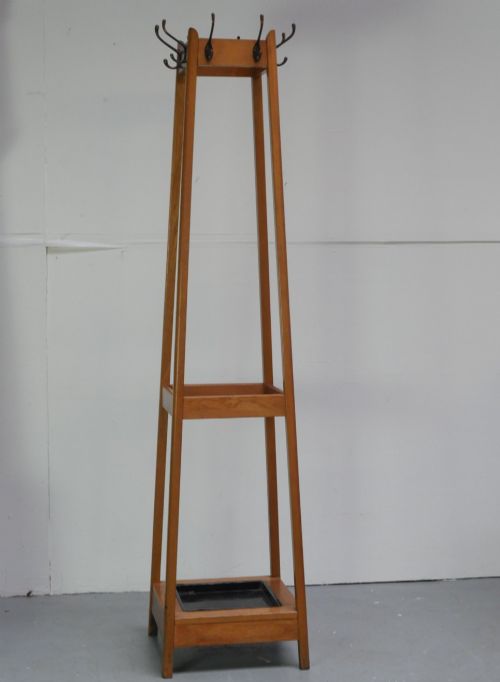
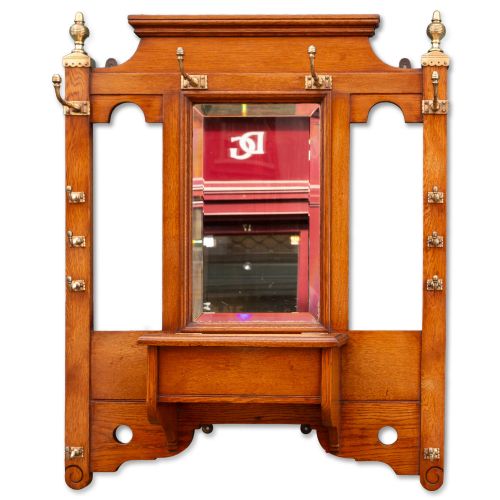
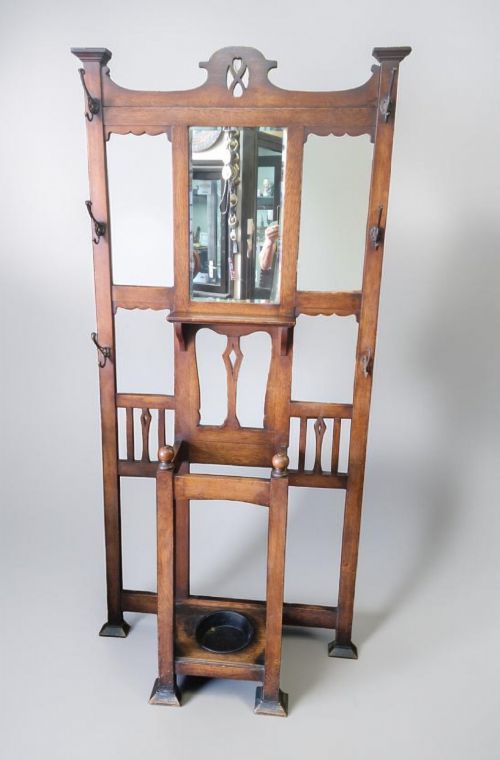
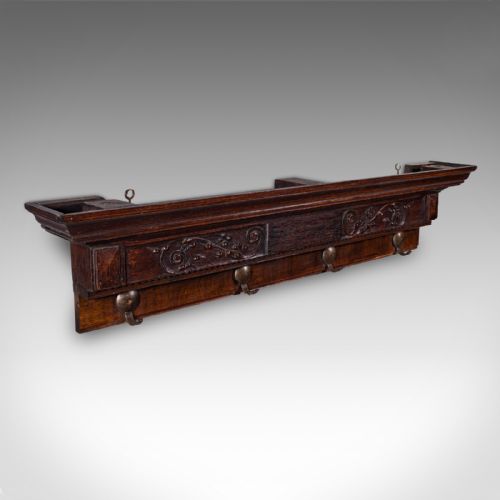
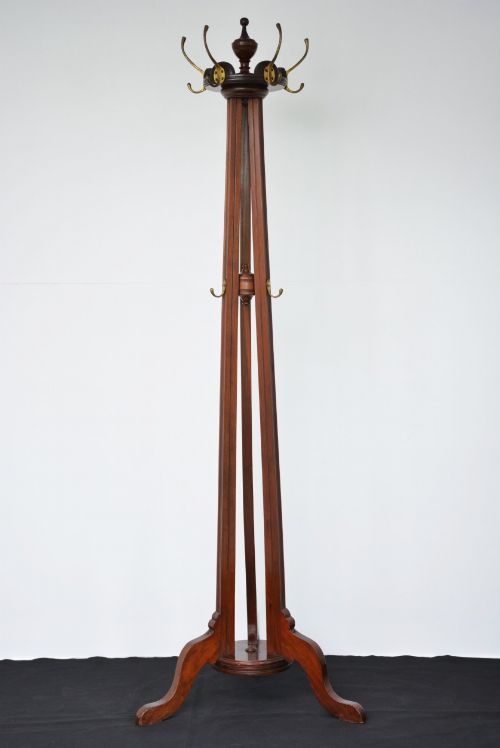
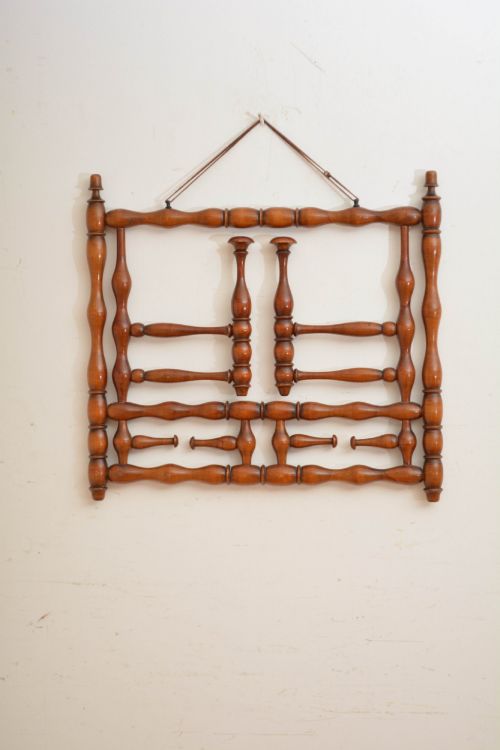
When you search for edwardian coat hooks, you encounter practical hallway hardware and wall-mounted storage from the early twentieth century. These pieces range from simple single hooks to substantial timber coat racks and larger hall stands fitted with mirrors and umbrella trays.
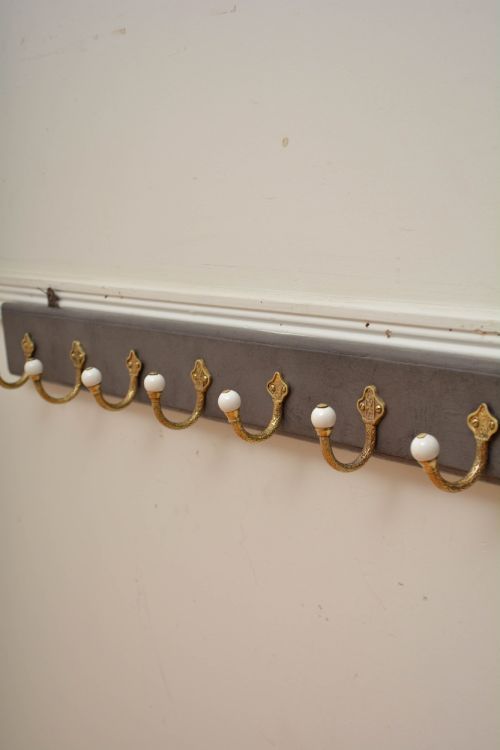
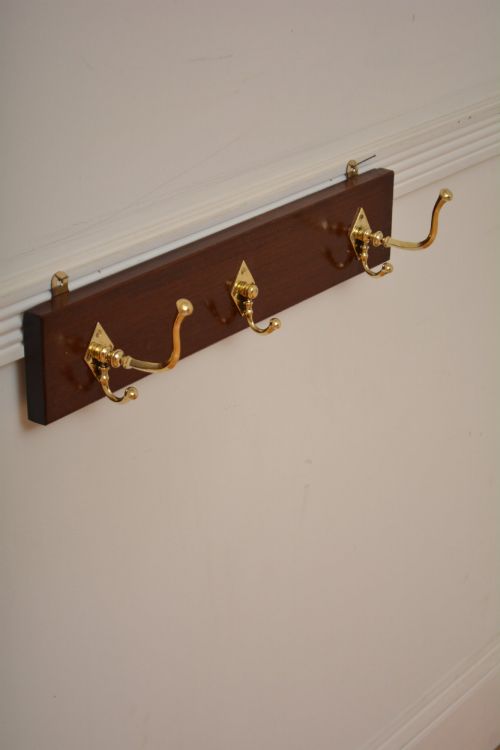
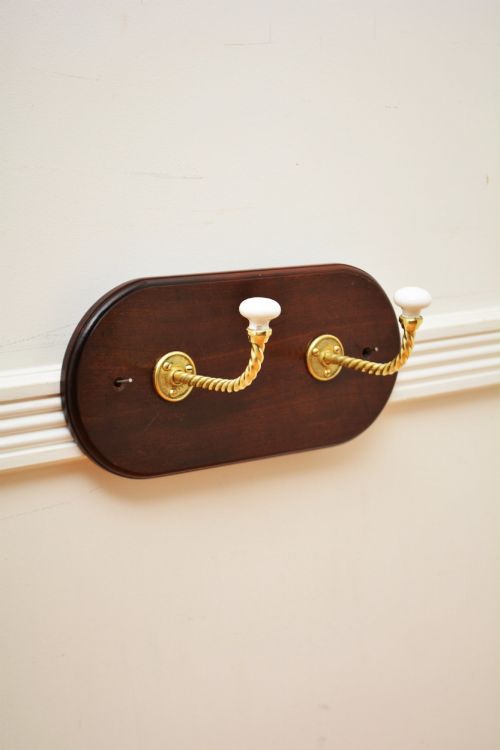
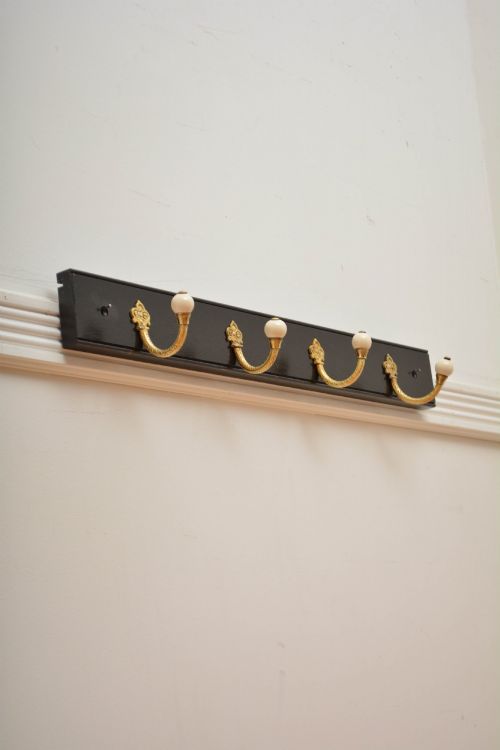
You are most likely to meet solid oak or mahogany backboards fitted with heavy cast brass or ceramic-tipped hooks. Many examples incorporate Arts and Crafts simplicity or aesthetic movement design principles directly into hallway storage.
How they were made
Carpenters shaped dense hardwoods like oak, walnut, and mahogany to form sturdy backboards and standing frames. Metalworkers cast brass, iron, and bronze to create robust hooks and decorative mounting plates.
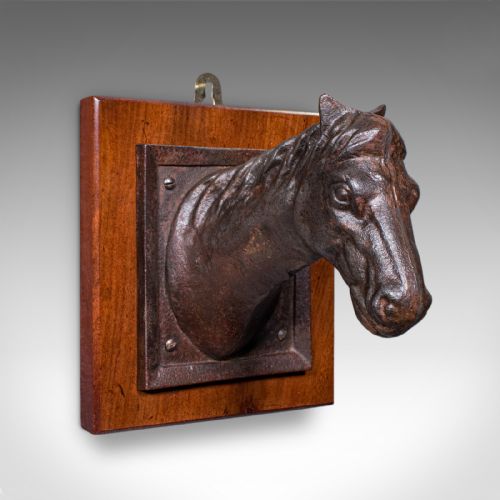
Makers integrated ceramic elements and polished glass details into the metal fixtures. Selected pieces feature carved wood details or specialised horn and equestrian mounts.
Listings feature woods such as oak, mahogany, walnut, and ebonised timber alongside brass, ceramic, glass, and iron elements.
What varies in quality
The distinction between ordinary utility items and superior pieces lies in the weight of the metal casting and the depth of the timber mounting board. Solid brass and bronze components carry crisp surface detail rather than soft casting edges.
Construction methods also separate grades, as evidenced by dovetailed joints in attached shelves and securely seated screw fixings. Timber selection matters greatly, with rich grain patterns in walnut and quarter-sawn oak commanding attention.
Jas. Shoolbred·Ellen E. Houghton of Minton
The Edwardian Coat Hooks Glossary
- Hall stand
- A large hallway furniture piece combining coat hooks, a central mirror, umbrella storage, and often a small glove drawer. These items served as the central organising unit for visitors entering a home.
- Arts and Crafts
- A design movement emphasising handcraftsmanship, simple forms, and visible natural materials. Pieces from this tradition avoid excessive ornamentation in favour of honest construction.
- Cast brass
- Molten brass poured into a mould to create rigid hardware components. High-quality casting results in sharp relief and substantial physical weight.
- Ebonised
- Wood treated with a dark chemical finish or stain to imitate expensive ebony. This technique was popular for creating stark, formal contrast in nineteenth-century interiors.
- Bevelled plate
- A mirror glass with angled edges that catch and refract light. This detail indicates finer domestic glass production.
Edwardian Coat Hooks: Frequently Asked Questions
How do I mount a heavy coat rack securely?
Heavy wooden coat racks require direct fixing into wall studs or solid masonry using appropriate wall anchors. The mounting weight of damp winter coats demands absolute structural security.
Ensure you drive screws through pre-drilled countersunk holes in the wooden backboard to distribute the load evenly across the wall surface.
What is the difference between a hall stand and a coat rack?
A coat rack is a straightforward wall-mounted board fitted with hooks, designed primarily for hanging garments in limited spaces. A hall stand is a freestanding piece of furniture that includes umbrella wells, mirrors, and sometimes seating.
Freestanding hall stands require dedicated floor space in an entryway, whereas wall racks attach directly to plaster or wood panelling.
How do I clean antique brass hooks without damage?
Clean antique brass gently with a soft cloth and mild soapy water to remove accumulated dust and grime. Avoid harsh abrasive commercial metal polishes that strip away aged patination.
Preserving the darker oxidation layers on antique brass maintains the historical character and visual depth of the metal.
Were these hooks originally used in homes or public buildings?
Coat hooks from this period served both domestic hallways and institutional cloakrooms depending on their scale. Longer racks with numerous hooks typically functioned in commercial reception spaces or large family homes.
Shorter pairs and decorative single fixtures were generally placed in private bedrooms or narrow vestibules for daily garments.